CAO LANH CITY, Vietnam, March 29 (Reuters) – On her trusty motorcycle, Vietnamese artist Dang Ai Viet travels around the Southeast Asian country in a quest to ensure that the thousands of women who suffered the loss of two or more loved ones during the Vietnam War are not forgotten.
The 75-year-old has painted the portraits of 2,765 of the women, who are part of a group known in Vietnam as “heroic mothers”, in recognition of their sacrifice during the war that ended in 1975.
The Reuters Tariff Watch newsletter is your daily guide to the latest global trade and tariff news. Sign up here.
Mahmoud Ajjour, nine (left), who was injured during an Israeli attack on Gaza City in March 2024, finds refuge and medical help in Doha, Qatar, on June 28, 2024 [Samar Abu Elouf, for The New York Times] Kim Phuc, nine (right) is seen running down Route 1 near Trang Bang after a South Vietnamese plane accidentally dropped its flaming napalm on its own troops and civilians, on June 8, 1972. The terrified girl ripped off her burning clothes while fleeing [Nick Ut/AP]
Ajjour had both of his arms blown off by an Israeli strike on the Gaza Strip, where Israel’s ongoing genocide has now killed at least 52,365 Palestinians since October 2023. In the award-winning photograph, the boy’s head and armless torso are cast in partial shadow, his gaze nevertheless intense in its emptiness.
We mark 50 years since the end of the U.S. war on Vietnam with the acclaimed Vietnamese American writer Viet Thanh Nguyen. On April 30, 1975, North Vietnamese troops took control of the South Vietnamese capital of Saigon as video of U.S. personnel being airlifted out of the city were broadcast around the world. Some 3 million Vietnamese people were killed in the U.S. war, along with about 58,000 U.S. soldiers. Hundreds of thousands of Lao, Hmong and Cambodians also died, and the impact of the war is still being felt in Vietnam and the region.
Nguyen says while the Vietnam War was deeply divisive in the United States during the 1960s and ’70s, American interference in Southeast Asia goes back to President Woodrow Wilson in 1919, when he rejected Vietnamese demands for independence from France. “And from that mistake, we’ve had a series of mistakes over the past century, mostly revolving around the fact that the United States did not recognize Vietnamese self-determination,” says Nguyen.
We Are Here Because You Are There”: Viet Thanh Nguyen on How U.S. Foreign Policy Creates Refugees
Pulitzer Prize-winning Vietnamese American writer Viet Thanh Nguyen discusses why he chooses to use the term “refugee” in his books, and speaks about his own experience as a refugee. His new novel tells the story of a man who arrives in France as a refugee from Vietnam, and explores the main character’s questioning of ideology and different visions of liberation. Titled “The Committed,” the book is a sequel to “The Sympathizer,” which won the Pulitzer Prize for Fiction in 2016. Nguyen says his protagonist is “a man of two faces and two minds” whose ability to see beyond Cold War divisions makes him the perfect figure to satirize the facile stories people tell themselves about the world. “He’s always going beyond the surface binaries to look underneath.” Nguyen is the chair of English and professor of English and American studies and ethnicity at the University of Southern California. His other books include “The Refugees” and the edited collection “The Displaced: Refugee Writers on Refugee Lives.”
Viet Thanh Nguyen Interview: The Vietnam War Refugee Experience Behind The Sympathizer
Pulitzer Prize-winning author Viet Thanh Nguyen reflects on his childhood as a refugee in America, his writing career, and family: from the trauma of displacement to the healing found in fatherhood and literature. Nguyen shares how these experiences have shaped his life and work, from his novel The Sympathizer to his commentary on war, cultural identity, and American life.
00:00 Introduction to Viet Thanh Nguyen and The Sympathizer
00:49 Refugee journey, family separation, and overcoming trauma
03:43 Humor, cultural expectations, and Vietnamese Catholic roots 05:29 Cultural identity, rebellion, and hidden writing career
07:14 Family relationships, cultural silence, and lessons in parenting 09:35 Impact of fatherhood, learning from children, and rediscovering play
12:13 Art, personal identity, and American cultural values 14:49 Vietnamese American identity, racism, and vision for the future
17:27 Teaching about war, challenges of digital information overload
20:31 Apocalypse Now, self identity struggles, and power of storytelling
24:41 Vietnam War legacy, draft-era resistance vs. modern volunteer military
26:47 Family history, generational trauma, and refugee story from Vietnam
For nearly 60 days, no food, fuel, medicine or other item has entered the Gaza Strip, blocked by Israel. Aid groups are running out of food to distribute. Markets are nearly bare. Palestinian families are left struggling to feed their children. We discussed that with out guest Arwa Damon, founder of the International Network for Aid, Relief and Assistance (INARA)
The World Food Programme runs out of food in Gaza as Israeli blockade continues
The World Food Programme has run out of food 54 days after Israel imposed a complete blockade on the Gaza Strip. NBC News’ Matt Bradley reports on what families in Gaza are facing as Israel’s blockade continues.
WFP runs out of food stocks in Gaza, warns of famine
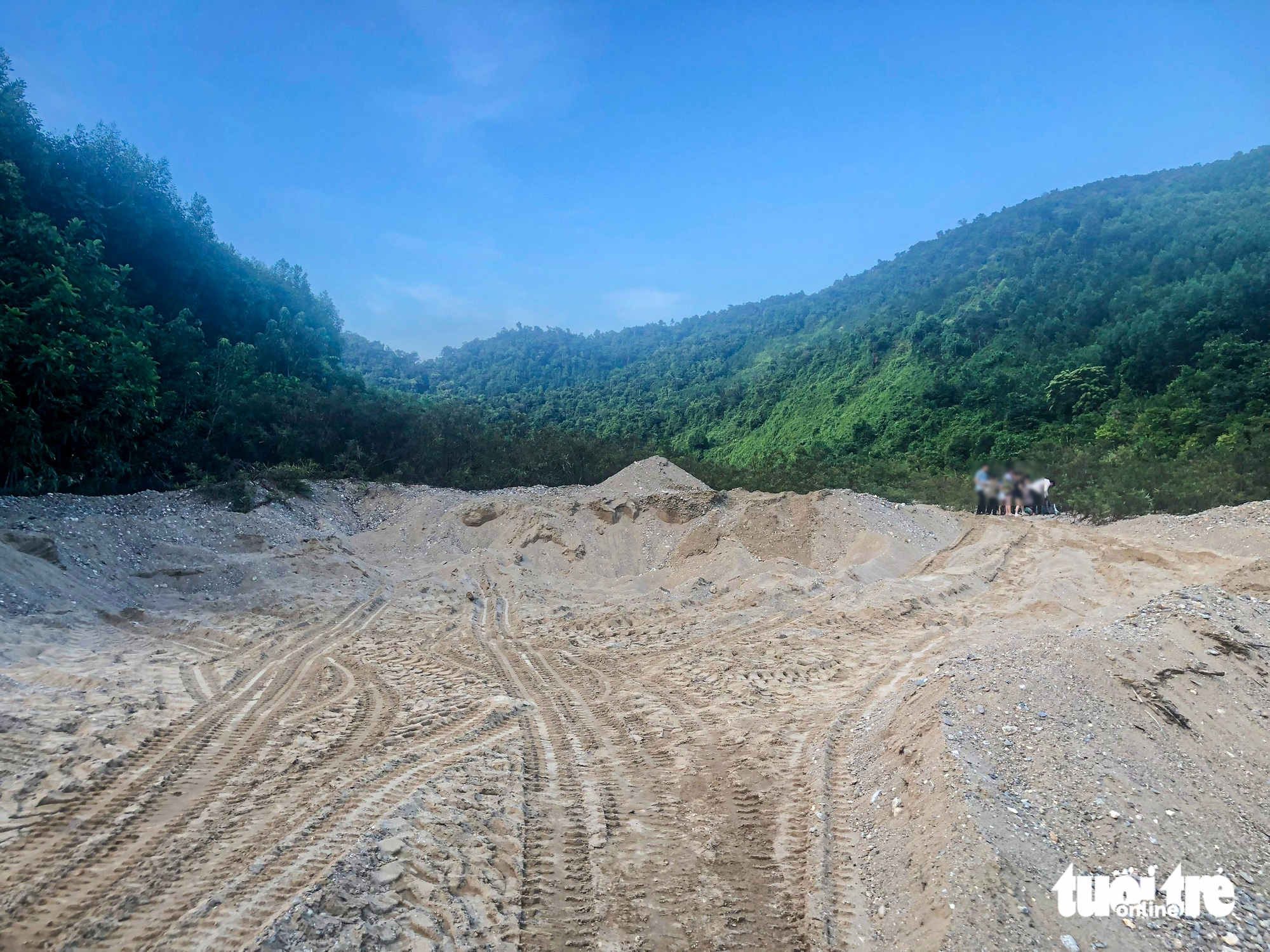
Tại khu vực thượng nguồn sông Cu Đê (Đà Nẵng), một đoạn sông Bắc đang bị những kẻ trộm cát cày xới, xâm hại đến cảnh quan và môi trường tự nhiên.
Hình ảnh tại hiện trường bãi khai thác cát trái phép ở một đoạn sông Bắc (xã Hòa Bắc, huyện Hòa Vang, Đà Nẵng) – Ảnh: THANH NGUYÊN
Xe múc, phương tiện âm thầm đào trộm cát
Xã Hòa Bắc (huyện Hòa Vang) đang được xây dựng thành điểm du lịch sinh thái ở Đà Nẵng với nhiều con suối trong lành. Vào mùa hè, dòng sông Cu Đê và những con suối nằm ở thượng nguồn như sông Bắc thu hút đông đảo người dân và du khách đến vui chơi, nghỉ mát.
Tuy nhiên, một đoạn sông Bắc đang bị “cày xới” bởi các đối tượng khai thác cát lậu.
00:01:44
Xe múc đào trộm cát trên thượng nguồn sông Cu Đê ở Đà Nẵng, chính quyền nói gì? – Video: THANH NGUYÊN
Theo ghi nhận của Tuổi Trẻ Online, tình trạng khai thác cát trái phép ở khu vực này đã diễn ra được một thời gian.
Trước đó vào tháng 8-2024, phóng viên ghi nhận nhiều người đã đưa máy móc, xe tải tiến về khu vực sông Bắc (phía trên vũng Bọt) để múc trộm cát.
Các hoạt động khai thác cát trái phép này thường diễn ra vào ban đêm hoặc rạng sáng để tránh bị lực lượng chức năng phát hiện.
Theo ghi nhận, khoảng 22h, một người lái xe tải chở theo máy xúc tiếp cận đến điểm khai thác. Người này nhanh chóng xúc cát đổ đầy thùng xe tải dưới ánh sáng lờ mờ của chiếc đèn pin.
Hình ảnh khai thác cát trái phép trong đêm – Ảnh: THANH NGUYÊN
Trước khi chở cát rời đi, người này gom cát lại thành đống để thuận tiện cho việc khai thác lần tiếp theo.
Sau một thời gian, các hoạt động khai thác tạm ngưng khi nước suối dâng cao vào mùa mưa cuối năm 2024. Tuy nhiên, thời gian gần đây, việc khai thác cát trộm tái diễn ở khu vực này. Các đối tượng tiếp tục tuồn đi nhiều m3 cát, sỏi dọc bờ suối.
Hậu quả để lại là một đoạn bờ suối bị cày xới, biến dạng, nguy cơ làm thay đổi dòng chảy và tiềm ẩn nhiều nguy cơ sạt lở vào mùa mưa.
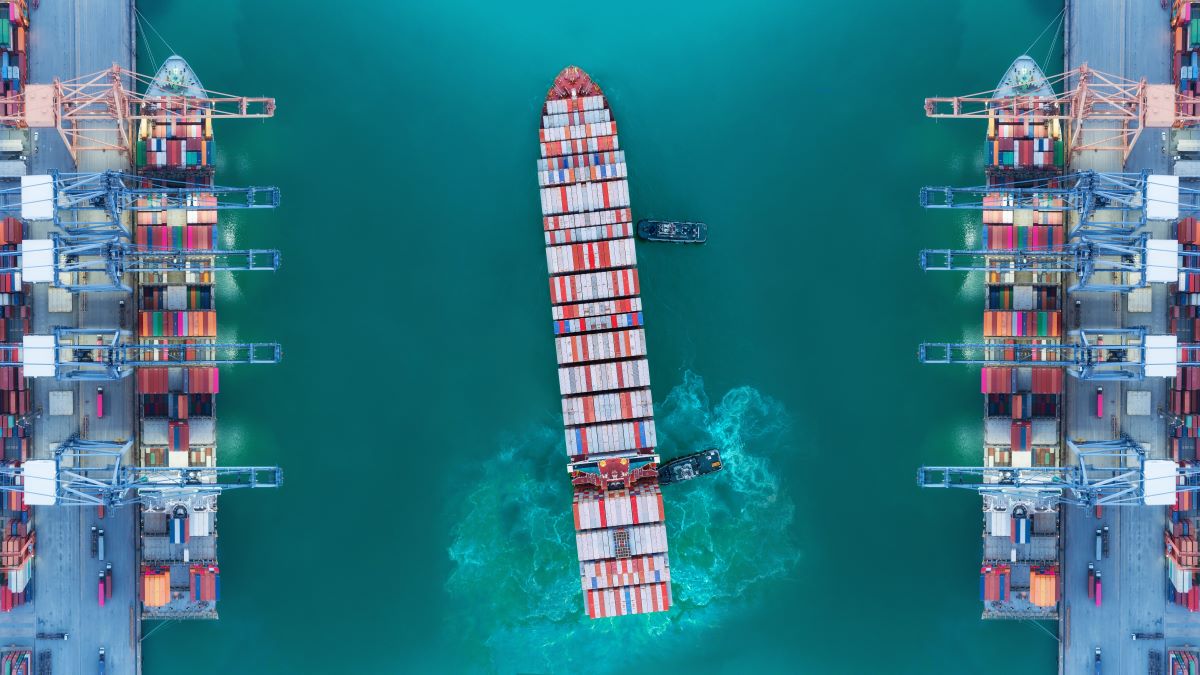
Maritime transport moves over 80% of goods traded worldwide. Country-level seaborne trade data is vital for shaping better transport, trade and investment policies.
UN Trade and Development (UNCTAD) released on 15 April newseaborne trade data. For the first time, the dataset includes country-level statistics.
Maritime transport is the backbone of global trade, moving over 80% of goods traded worldwide by volume. It connects global value chains, carrying raw materials and semi-processed goods to production hubs and delivering finished products to consumers. These flows are vital for industrialization, economic growth and job creation.
Seaborne trade has evolved over the decades, shaped by containerization, the rise of developing economies and shifting production and consumption patterns. Today, digitalization, geopolitics and the push for sustainability and climate resilience are redefining the sector.
A clearer picture of who ships what – and how much
Reliable, up-to-date country-level data is key to understanding trade flows and guiding better transport and trade policies and investment decisions.
Built from official trade data reported by governments to UN Comtrade, the new dataset offers a more accurate and comparable view of global maritime cargo movements, helping countries to:
Monitor trade performance and competitiveness.
Assess integration into global supply chains and trade networks.
Inform port and transport infrastructure investment decisions.
Track progress on Sustainable Development Goal 9.1.2 to develop quality, reliable, sustainable and resilient infrastructure – for which maritime freight and port cargo volumes are indicators.
Data highlights developing countries’ rising share of maritime trade
Historically, developing countries served mainly as loading hubs – major exporters of raw materials but marginal importers of manufactured goods. But this has evolved since the 1970s, driven by structural changes such as the oil crises, trade liberalization, increased private sector participation in port operations, the rise of container shipping and reforms to liner shipping alliances.
The shift accelerated in the early 2000s as developing countries increased trade among themselves – including in raw materials, oil and manufactured goods. Their share of global maritime freight rose from 38% in 2000 to 54% in 2023. The surge was led by Asia, with China driving much of the growth.
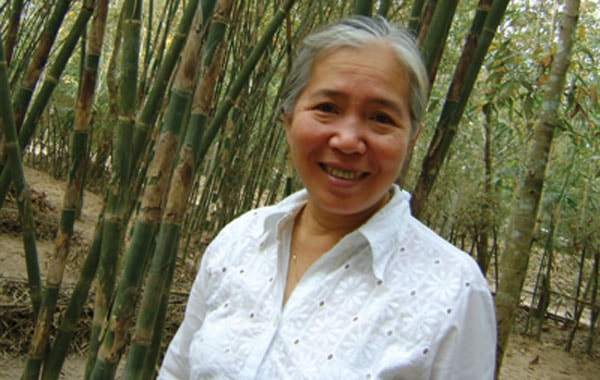
Tiến sĩ Diệp Thị Mỹ Hạnh là người đưa ra ý tưởng, sau đó trực tiếp xây dựng Làng tre Phú An (Bến Cát, Bình Dương) – một bảo tàng tre lớn nhất trong khu vực Đông Nam Á và năm 2010 đã nhận được giải thưởng Xích đạo (Equator Prize) của Liên Hiệp Quốc về đa dạng sinh học.
Tiến sĩ Diệp Thị Mỹ Hạnh là người đưa ra ý tưởng, sau đó trực tiếp xây dựng Làng tre Phú An (Bến Cát, Bình Dương) – một bảo tàng tre lớn nhất trong khu vực Đông Nam Á và năm 2010 đã nhận được giải thưởng Xích đạo (Equator Prize) của Liên Hiệp Quốc về đa dạng sinh học.
Đọc E-paper
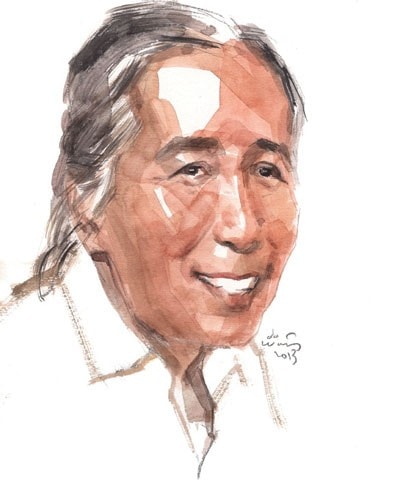
TS Diệp Thị Kiều Trang – Tranh: Hoàng Tường
Bà nhiệt tình và thân thiện với tất cả những ai đến chơi hay tìm hiểu về Làng tre, từ những học sinh tiểu học đến các vị khách nước ngoài chỉ kịp ghé tham quan lúc đã hơn 9 giờ tối.
Bà có vẻ bề ngoài mạnh mẽ và lạc quan nên không mấy ai biết được bà đã phải trăn trở mỗi đêm để tìm cách duy trì làng tre này. Chúng tôi mở đầu câu chuyện với bà bằng câu hỏi thành thực: “Động cơ nào thúc đẩy bà xây dựng Làng tre?” và bà vui vẻ trả lời.
Rất nhiều người thắc mắc vì sao tôi từ bỏ cuộc sống an nhàn cùng gia đình, con cái ở nước ngoài để về đây lăn lộn với Làng tre. Ngay cả tôi cũng không thể lý giải được. Có lẽ vì tôi mê tre quá.
Với tôi, cây tre không chỉ là một loài thực vật vô tri vô giác, mà gần như là một thực thể sống, biết yêu thương và vui buồn. Vì vậy, tôi đã đưa những giống tre từ cao nguyên về trồng ở trên vùng đất đắp cao hay trồng gần những chiếc cầu khỉ của miền Tây và làm thêm dòng kênh nhân tạo để cây… đỡ nhớ nhà!
* Có đặc điểm gì ở tre khiến bà mê loài cây này đến thế?
– Theo quan niệm của người phương Đông, cây tre, cây trúc tượng trưng cho mẫu người quân tử với những tính cách kiên cường, ngay thẳng mà hòa hiếu, độ lượng. Quần thể tre cho thấy một xã hội thuận hòa kỷ cương, theo quy luật “Tre già măng mọc”, chứ không phải tranh sống theo kiểu “Cá lớn nuốt cá bé”.
Tôi thấy vui khi công việc của mình đã “minh oan” cho cây tre nhiều điều. Chẳng hạn dân gian thường cho rằng phải qua vài chục năm, tre mới nở hoa. Khi nở hoa, tất cả mọi tinh hoa, mọi chất dinh dưỡng mà cây tạo ra được đều tập trung trong những bông hoa, chất dinh dưỡng dự trữ trong thân cây cũng bị tiêu hao hết nên tre sẽ chết.
Tuy nhiên, sau khi nghiên cứu, tôi thấy nhiều giống tre mỗi năm trổ hoa một lần, có cây hai, ba năm trổ hoa một lần mà không chết.
That is an average of 30 children killed every day over the past 535 days.
Since October 7, 2023, Israel has killed at least 17,400 children, including 15,600 who have been identified. Many more remain buried under the rubble, most presumed dead.
Many of the surviving children have endured the trauma of multiple wars, and all of them have spent their lives under the oppressive shadow of an Israeli blockade, affecting every aspect of their existence from birth.
What is left of Gaza’s children?
About half of Gaza’s 2.3 million residents are children.
Over the past 17 months, Israeli attacks have left their homes in ruins, destroyed their schools, and overwhelmed their healthcare facilities.
To put this in perspective, if you had a room of 100 children:
2 have been killed
2 are missing, presumed dead
3 have been wounded, many critically
5 have been orphaned or separated from their parents
5 require treatment for acute malnutrition
The rest of the children bear the invisible scars of war, trauma that affects their mental health, safety and future.
(Al Jazeera)
Who were these children Israel killed?
They were the sons and daughters of Gaza, each with a life that should have been filled with innocence and the joy of childhood.
Đà Lạt, Vinh, Nam Định, Nha Trang, Việt Trì, Mỹ Tho… cùng hàng chục đô thị hiện nay sẽ chuyển từ mô hình thành phố thuộc tỉnh sang quản lý trực tiếp theo cấp xã, phường.
Phố cổ Hội An. Ảnh: Đắc Thành
Đề án sắp xếp đơn vị hành chính và xây dựng mô hình chính quyền địa phương hai cấp do Thủ tướng Phạm Minh Chính ký ngày 14/4 quyết định bãi bỏ cấp huyện. Điều này đồng nghĩa với việc các mô hình quen thuộc như thành phố thuộc tỉnh, thành phố thuộc thành phố, quận, huyện và thị xã sẽ chấm dứt mô hình hoạt động.
Nền tảng cho sự thay đổi mang tính đột phá này bắt nguồn từ chủ trương đã được Bộ Chính trị, Ban Bí thư và Trung ương thống nhất thông qua tại hội nghị lần thứ 11 (Trung ương 13) với mục tiêu tối thượng là xây dựng một bộ máy nhà nước tinh gọn, hiệu lực và hiệu quả hơn.
The documentary, Vietnam: 50 Years of Forgetting, follows Vietnamese filmmaker Mai Huyen Chi as she sets out to trace the life and death of her grandfather, a war hero lost to history. What begins as a personal journey soon becomes a meditation on the burden of memory, the silence of survivors, and the complex legacies of war.
As she travels across Vietnam, collecting testimonies and fragments of remembrance, Chi is confronted with what has been left unspoken – in her family and in the fabric of a nation still shaped by conflict.
The film explores what it means to inherit a war you did not live through, and what is remembered when so much has been forgotten.
This article is on the page FiscalData of Treasury.gov, the website of the US Treasury.
It explains every thing you need to know about the National Debt (or National Deficit). Very good economic lesson. Though it talks about the US Federal government, it is very much true to all governments of the world as far as economic principles and fiscal policies are concern.
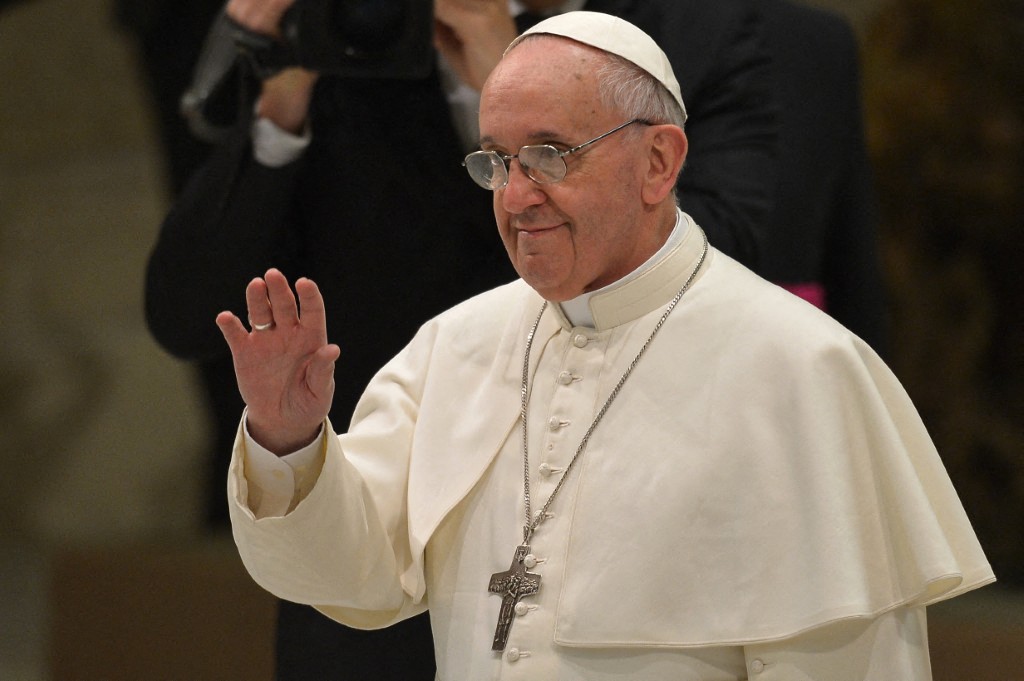
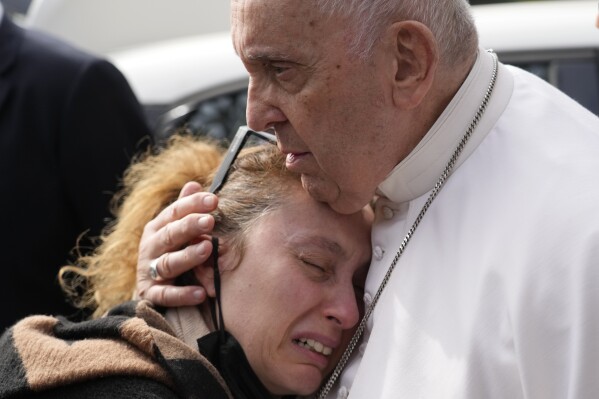
Trong suốt 12 năm làm giáo hoàng, Giáo hoàng Francis luôn gắn liền với sự khiêm nhường, giản dị, hy sinh vì người nghèo, nỗ lực vì các đối thoại giữa các tôn giáo, vì môi trường, vì bình đẳng giới và hòa bình thế giới.
Giáo hoàng Francis, vị cha chung của Giáo hội Công giáo – Ảnh: AFP
Giáo hoàng Francis tên thật là Jorge Mario Bergoglio, sinh ngày 17-12-1936 tại Buenos Aires, Argentina. Ngài là con cả trong số năm anh chị em. Trước khi trở thành linh mục, Giáo hoàng Francis từng là kỹ sư hóa học và làm nhiều công việc khác nhau để kiếm sống như làm bảo vệ cho một hộp đêm.
Khi mới 21 tuổi, ngài mắc viêm phổi nặng và phải cắt bỏ một phần phổi. Sau lần bạo bệnh ấy, với khát vọng dâng hiến đời mình cho Thiên Chúa và phục vụ cộng đồng, chàng thanh niên Bergoglio quyết định gia nhập Dòng Tên và bắt đầu con đường tu trì vào năm 1958.
Ngày 12-3-1960, Giáo hoàng Francis tuyên khấn lần đầu, khởi đầu đời sống tu trì. Ba năm sau, ngài hoàn tất chương trình học triết học và thần học. Đến ngày 13-12-1969, thầy Bergoglio được thụ phong linh mục.
The Argentine-born Jorge Mario Bergoglio brought a breath of fresh air into a 2,000-year-old institution that had seen its influence wane during the troubled tenure of Pope Benedict XVI, whose surprise resignation led to Francis’ election.





 Phố cổ Hội An. Ảnh: Đắc Thành

 CVD
CVD 