
Author: Secretary General Nguyễn Phú Trọng
Tháng: Tháng Bảy 2023
Sách: Kiên quyết, kiên trì đấu tranh phòng, chống tham nhũng, tiêu cực, góp phần xây dựng Đảng và Nhà nước ta ngày càng trong sạch, vững mạnh
Author: Secretary General Nguyễn Phú Trọng
Gray Zone Tactics Playbook: Rafting
Rafting is the tactic of tying ships at anchor together to establish a semi-persistent floating outpost that is hard to uproot.
Gaute Friis | JULY 16, 2023


Gaute Friis
Team Member
“Rafting” refers to the gray zone tactic of tying ships together at anchor to establish semi-persistent floating outposts that are difficult disperse due to their collective mass.
The ships are generally the component of China’s People’s Armed Forces Maritime Militia (PAFMM) known as Spratly Backbone Fishing Vessels (SBFV). According to the Asia Maritime Transparency Initiative’s detailed report on the PAFMM, these SBFVs receive generous government subsidies to remain at sea for most of the year, specifically to assert Beijing’s expansive maritime claims.
Tiếp tục đọc “Gray Zone Tactics Playbook: Rafting”Gray Zone Tactics Playbook: Bow-Crossing
This tactic describes maneuvering one’s ship dangerously across the bow of another, often forcing the other ship to take evasive action to avoid a collision.
Gaute Friis | JULY 18, 2023 Sealight 333

Gaute Friis
Team Member
Bow-crossing describes a harassment tactic in which a ship abruptly maneuvers to cross dangerously across the bow of another in violation of the 1972 International Regulations for Preventing Collisions at Sea (COLREG) and the 2014 Code for Unplanned Encounters at Sea (CUES).
This maneuver is intended to force the other ship to take evasive action to avoid a collision. It may be used to disrupt freedom of navigation operations (FONOPS) or other assertions of international law or national sovereignty.
A recent example was documented in June 2023, when a Peoples Liberation Army Navy (PLAN) vessel crossed dangerously in front of U.S. Navy destroyer USS Chung-Hoon during a joint Taiwan Strait passage with the Canadian frigate HMCS Montreal, forcing the U.S. ship to reduce speed to avoid a collision:
China’s ships use bow-crossing to protest the activities of other countries’ ships in waters over which it claims sovereignty or jurisdiction, and to send the message that Beijing is willing to escalate tensions in defense of its claims.
In nautical terms, it involves a closest point of approach (CPA) of less than 2 lengths of the ship being intercepted. They are usually referred to by the U.S. Navy as “unsafe and unprofessional maneuvers”.
Other examples:
On September 30, 2018, the PLAN Type 052C Luyang II-class destroyer Lanzhou intercepted the U.S. Arleigh Burke-class destroyer USS Decatur, which was conducting a FONOP with 12 nautical miles of Chinese-occupied artificial islands in the South China Sea. The picture at the top of this post shows how close the two ships came to colliding.
On June 21, 2014, CCG vessel Haijian 2168 approached Vietnam Coast Guard (VCG) ship CSB 4032 at high speed. The VCG ship had to change directions repeatedly to avoid a collision as the distance between the two ships came within 30 meters.
On December 5, 2013, a Chinese warship cut across the bow of the missile cruiser U.S.S. Cowpens at a distance of less than 200 yards in international waters.
In March 2009, five Chinese ships (a combination of PLAN, CCG and militia) harassed the U.S. surveillance ship USNS Impeccable in international waters in the South China Sea, forcing the American ship to make an emergency maneuver to avoid a collision.
See the rest of the playbook here.
Editor’s note: This post was originally published on 7 July under the title “Unsafe Maneuvers”, but was retracted when we decided to divide it into two separate categories. Apologies for any confusion.

Gaute Friis
Gaute is a Defense Innovation Scholar at Stanford’s Gordian Knot Center for National Sec
Gray Zone Tactics Playbook: Blocking
Blocking is the act of physically impeding the passage of a ship to its destination—a form of maritime area denial.
Gaute Friis | JULY 19, 2023 Seakight 333https://www.sealight.live/posts/gray-zone-tactics-playbook-bow-crossing

Gaute Friis
Team Member
Blocking is a form of bow-crossing meant to physically impede the passage of another ship to its destination. Blocking is typically used by Chinese ships to hinder other countries from resupplying or reinforcing their outposts in the South China Sea.
Distinct from other forms of bow-crossing, blocking is used for area denial rather than operations disruption and will often result in more protracted stand-offs. China uses this tactic to assert its claims of jurisdiction as well as to prevent certain activities–most notably the reinforcement of other claimants’ existing Spratly Island outposts.
One such blocking maneuver occurred on April 26th, 2023, when China Coast Guard (CCG) ship 5201 blocked the path of the Philippine Coast Guard (PCG) patrol vessel BRP Malapascua. This forced the much smaller PCG ship to abort its planned route to the entrance of Second Thomas (Ayungin) Shoal during a resupply mission to the Philippines’ outpost aboard BRP Sierra Madre:
China routinely prevents the entry of Philippine ships into the interior of Second Thomas Shoal as a cornerstone of its strategy to prevent the rusting outpost from being repaired or replaced until it breaks up or otherwise becomes uninhabitable. For nearly a decade it has allowed only small wooden boats carrying food and replacement troops to pass through its blockade.

Other examples:
On September 19, 2019, also near Second Thomas Shoal, a CCG ship blocked Philippine civilian vessels while they were conducting a resupply mission to the BRP Sierra Madre.
On November 13, 2015, about 13 nautical miles from Subi Reef, CCG cutters 35115 and 2305 blocked the path of a Vietnamese replenishment ship heading towards the Vietnamese outpost on Southwest Cay, forcing the ship to find a different route to its destination. PLA Navy Type 072A landing ship 995 later blocked the ship’s path again, this time brandishing small arms and firing a warning shot.
Định vị du lịch làng nghề
Hiện nay, ở một số địa phương, du lịch làng nghề vẫn chưa được khai thác tương xứng tiềm năng, còn “bỏ qua” khá nhiều điểm nhấn thu hút du khách. Thực tế này đòi hỏi cần có những giải pháp phối hợp đồng bộ hơn giữa các ngành, hiệp hội, doanh nghiệp và cả những người thợ làng nghề để phát triển sản phẩm du lịch gắn với làng nghề đạt hiệu quả cao, vừa bảo tồn nghề truyền thống, vừa định vị thêm các điểm đến du lịch hấp dẫn.

Làng nghề cùng các sản phẩm được hình thành từ hoạt động lao động sản xuất của người dân làng nghề, những giá trị hữu hình và vô hình kết tinh trong sản phẩm chính là chất liệu, tài nguyên hình thành nên nhiều sản phẩm du lịch, góp phần tạo dựng, phát triển thương hiệu du lịch của từng địa phương.
Theo thống kê của Hiệp hội Làng nghề Việt Nam, hiện cả nước có khoảng 5.400 làng nghề, trong đó trên 2.000 làng nghề truyền thống, thuộc nhiều nhóm ngành nghề khác nhau, hiện diện ở khắp các địa phương.
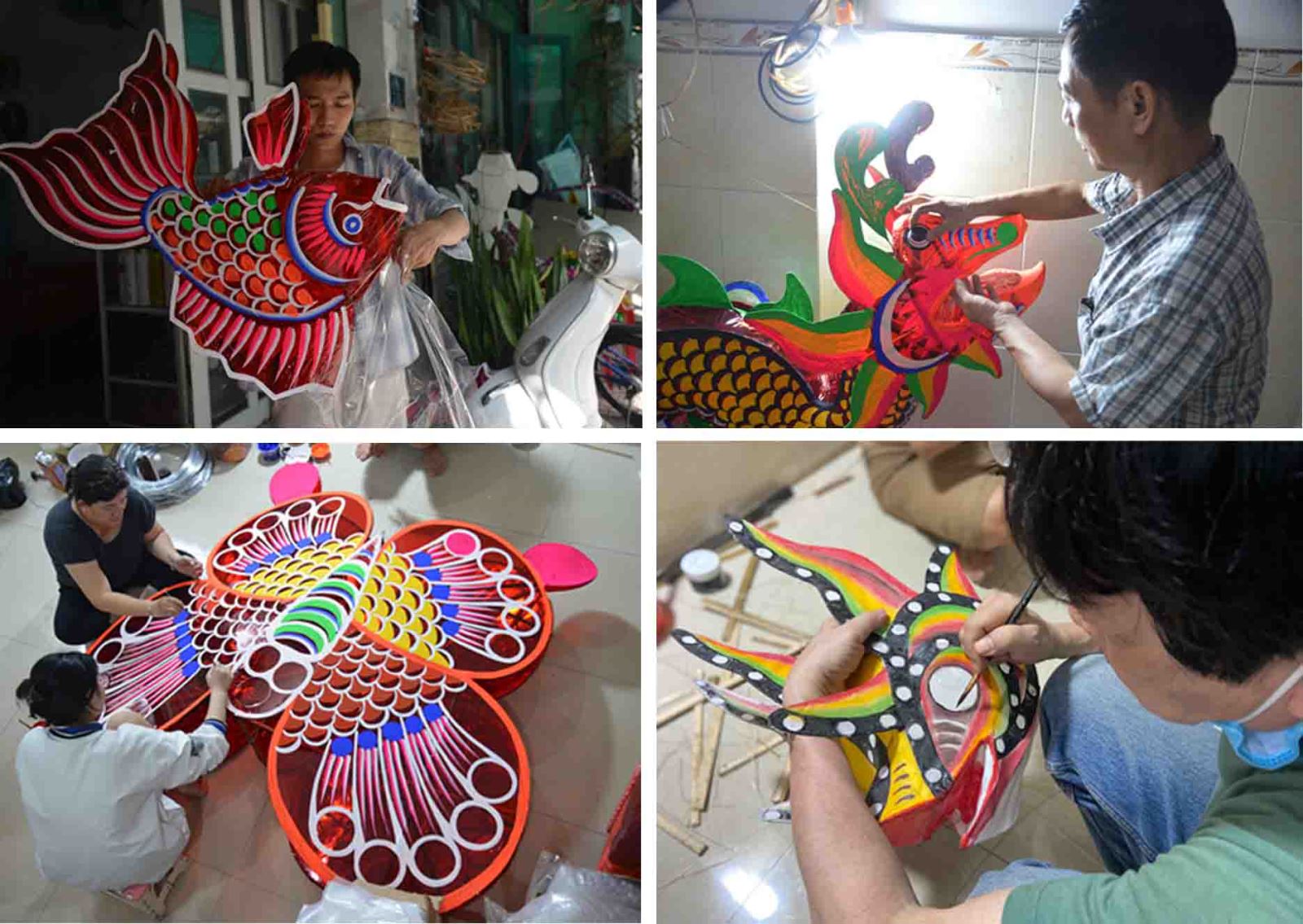
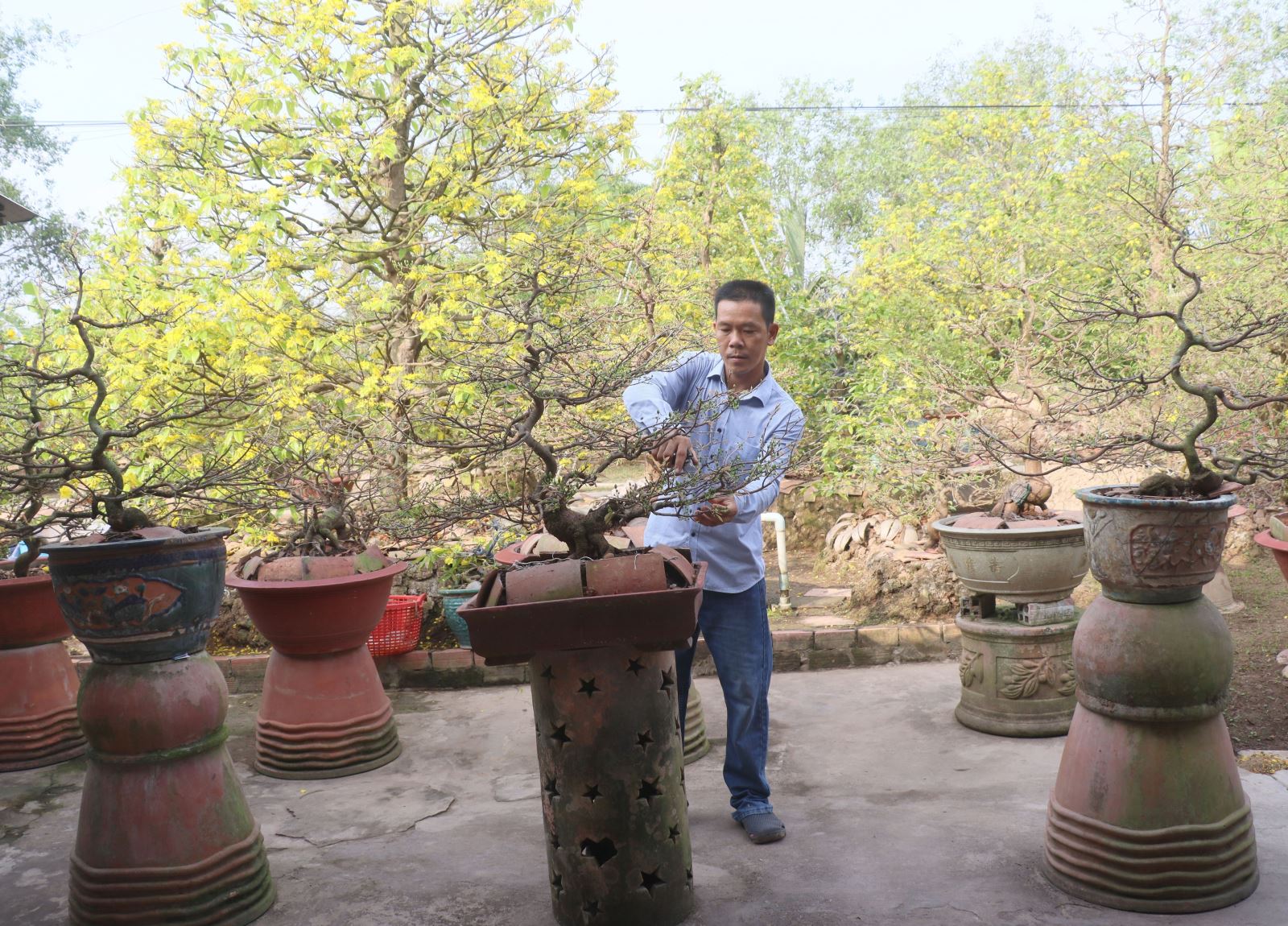
Các tỉnh, thành phố Nam Bộ, gồm khu vực Đông Nam Bộ và Đồng bằng sông Cửu Long là nơi có hệ thống làng nghề phong phú, đa dạng. Trải qua nhiều thăng trầm, nhiều làng nghề vẫn được duy trì, phát triển, phản ánh đặc trưng văn hóa làng nghề Việt Nam nói chung, đồng thời thể hiện nét riêng của từng địa phương. Nhiều chuyên gia nhận định, hầu hết các làng nghề tồn tại đến nay có từ lâu đời, gắn liền với lịch sử, dựa trên các yếu tố cơ bản là vùng nguyên liệu và giao thông, đặc biệt là đường thủy. Vì vậy, làng nghề không chỉ phản ánh mối quan hệ giữa “nghề” với “nghiệp” mà còn chứa đựng những yếu tố tinh thần đậm nét, phản ánh qua các tập tục, tín ngưỡng, lễ hội liên quan đến nghề sản xuất truyền thống.
Đề cập về làng nghề ở Đông Nam Bộ, Tiến sĩ Trần Minh Đức, Trường Đại học Thủ Dầu Một cho biết, Đông Nam Bộ gồm Thành phố Hồ Chí Minh và các tỉnh Đồng Nai, Bình Dương, Bình Phước, Tây Ninh, Bà Rịa – Vũng Tàu đang duy trì được hệ thống các làng nghề phong phú và đa dạng. Có thể kể đến Thành phố Hồ Chí Minh với các làng nghề: mành trúc Tân Thông Hội, chằm nón Tằm Lanh, bánh tráng Phú Hòa Đông, đan bồ An Nhơn Tây, chiếu Nam Đa Phước, dệt Bảy Hiền, lồng đèn Phú Bình…
Critical Minerals in World War 2
How Minerals Made Civilization, the UA Lowell Institute for Mineral Resources’ YouTube video series on the role of mineral resources in history, is launching a trilogy about how mineral resources influenced the war. Part 1, posted today, covers mineral resources during the interwar buildup: how mineral resources figured in national (and transnational) politics in the 1930s, how resource-poor nations sought to build up their supplies, and how the struggle for resources eventually culminated in the outbreak of the war. From the video, here are a few fun facts you may not have known:
• Coins for combat: During the early to mid-1930s, both Germany and Japan reissued old silver coinages in nickel so they would have a nickel supply for gun steels when the war broke out.
• Coal, meet hydrogen: Coal-to-oil conversion was invented too late to change the outcome of World War 1, but it was about to play a major role in supplying Germany in the next war.
• Why we use molybdenum in steels: The Nazi-Soviet Pact of 1939 redirected Soviet manganese exports from the USA to Germany, so American metallurgists developed improved molybdenum-alloy steels as a substitute using molybdenum from Arizona and Colorado.
17 billion USD needed to build railway connecting to seaports
As much as 17 billion USD is needed to build two railway routes connecting to seaports, namely Lao Cai-Hanoi-Hai Phong and Bien Hoa-Vung Tau, according to the Ministry of Transport (MoT).
Monday, July 17, 2023 at 17:06
 |
A pre-feasibility study is underway for the Bien Hoa-Vung Tau route with 1,435mm gauge tracks. It is 128km long with a total investment of 6.2 billion USD.
Meanwhile, the detailed planning of the 380km-long Lao Cai-Hanoi-Hai Phong project has been basically completed at a cost of about 11 billion USD.
According to the MoT, a large amount of the money for the two projects will come from the public investment fund.
Due to their big investment, the two projects have been included in the list of those that call for foreign investment in the 2021-2025 period, the ministry said, adding that it is preparing for capital mobilisation so that construction of the projects will start before 2030.
VNA
RELATED NEWS
Railway sector’s revenue up 17% in H1
Forming a policy framework to develop the railway sector
Railway, seaport networks need to be arteries of economy: Deputy PM
Vietnam to have 16 more railway lines by 2030
Railway sector identifies major pillars in 2023
Soaring temperatures to record rainfall: Asia reels as climate crisis takes hold
By Heather Chen, CNN
Updated 9:54 PM EDT, Mon July 17, 2023
Hong KongCNN —
The world’s largest and most populous continent is reckoning with the deadly effects of extreme summer weather, as countries endure blistering heatwaves and record monsoon rainfall, with governments warning residents to prepare for more to come.
This month torrential rains inundated parts of Japan, China, South Korea and India, upending the lives of millions and causing flash floods, landslides and power cuts. Record temperatures also led to a rise in heat-related illnesses, particularly among vulnerable communities such as the elderly.
On Saturday, at least 13 people in the central South Korean city of Cheongju died after waters from a burst riverbank flooded an underpass, trapping vehicles, including a public bus.
At least 41 people have died in South Korea in recent days and thousands more have been forced to evacuate their homes and seek temporary shelter, as heavy downpours hit central and southern parts of the country.
In response to the loss of life, South Korean President Yoon Suk Yeol called for an overhaul of the country’s approach to extreme weather.
“This kind of extreme weather event will become commonplace — we must accept climate change is happening, and deal with it,” Yoon said Monday.
Ad Feedback
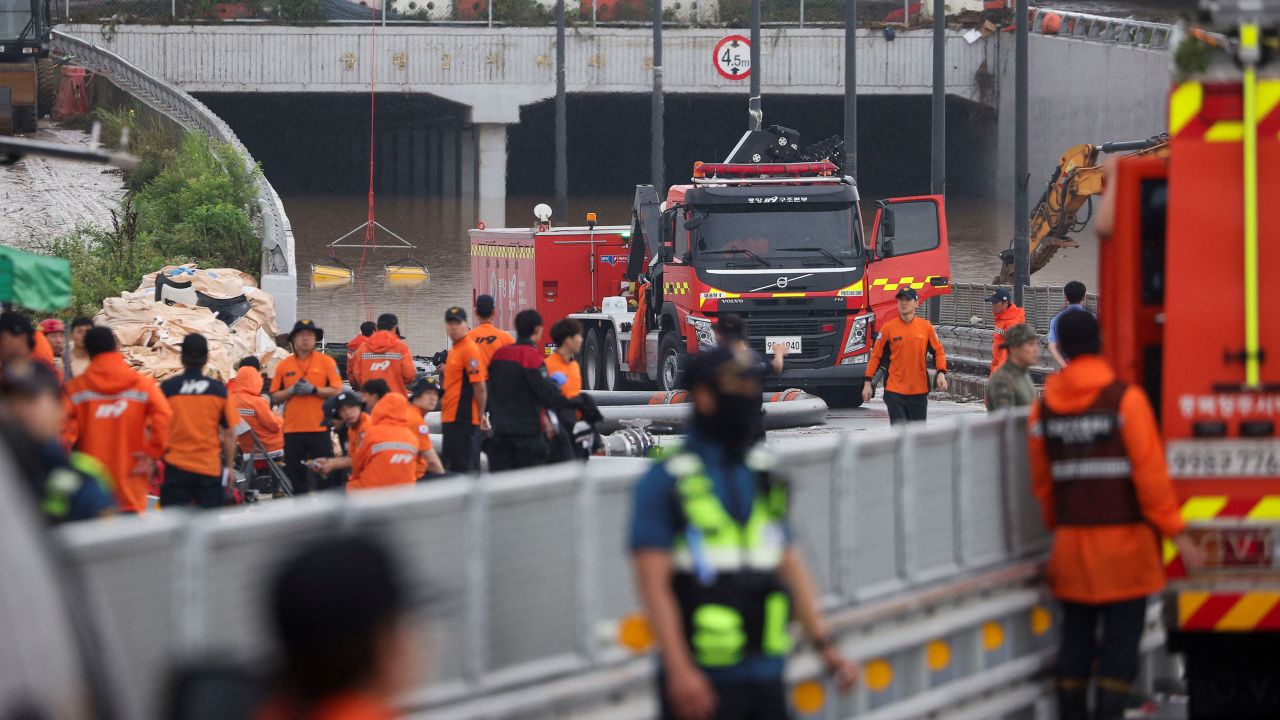
Rescue workers at the flooded underpass in Cheongju, South Korea on July 16, 2023.Kim Hong-ji/Reuters
In neighboring Japan, record rainfall in the southwest of the country resulted in devastating flooding that left at least six people dead, and many others still missing.
Tiếp tục đọc “Soaring temperatures to record rainfall: Asia reels as climate crisis takes hold”Vietnam’s robusta: the go-to coffee bean in a warmer world? | AFP
AFP News Agency – 29/3/2023
Bitter and earthy. Fit for instant brews only. Robusta coffee has a dire reputation, but a small group of farmers in Vietnam are trying to turn its fortunes around as a warming world threatens the industry.
Tăng học phí: Làm sao để người nghèo còn cơ hội vào đại học
Chính phủ vừa đồng ý phương án các trường đại học thực hiện lộ trình tăng học phí phù hợp theo nghị định 81. Việc tăng học phí là bất khả kháng nhưng vẫn khiến không ít người lo ngại.
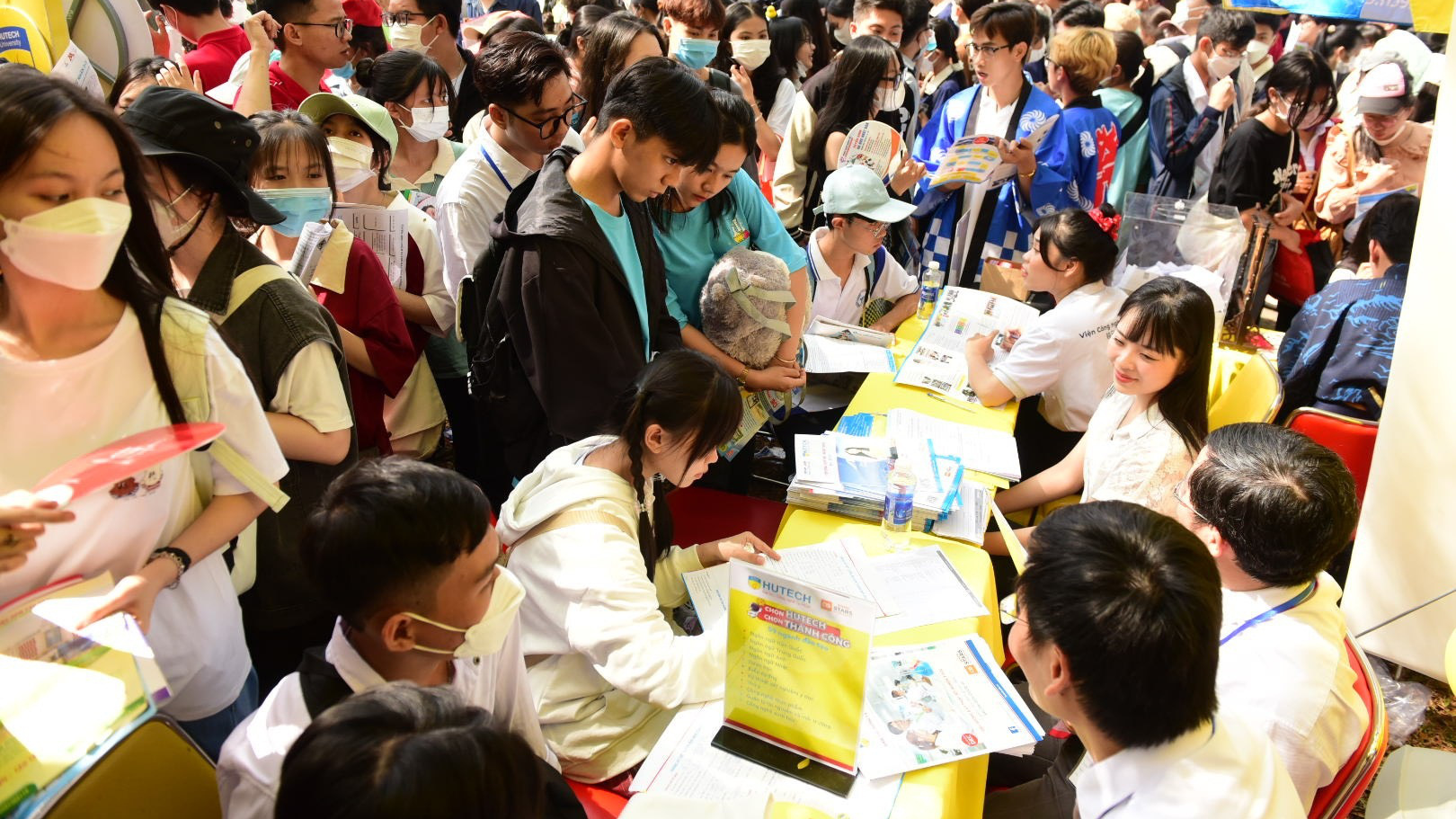
Nghị định 81 cho phép từ năm học 2022 – 2023 các cơ sở giáo dục công lập được tăng học phí theo lộ trình, nhưng do ảnh hưởng của dịch COVID-19, Chính phủ đã yêu cầu giữ ổn định học phí trong hai năm học vừa qua.
Việc này đã gây khó khăn cho các trường trong cân đối nguồn lực để nâng cao chất lượng giáo dục trong điều kiện đầu tư hạn chế, ngân sách chi thường xuyên bị cắt giảm hằng năm.
Nếu chương trình không được thiết kế tinh giản, lược bớt những môn học không giúp cải thiện cơ hội việc làm cho sinh viên mà vẫn hạch toán tính vào chi phí đào tạo là không công bằng.
Ông Hoàng Ngọc Vinh
Băn khoăn học phí các chương trình “đạt kiểm định”
TS Hoàng Ngọc Vinh – nguyên vụ trưởng Vụ Giáo dục chuyên nghiệp (Bộ GD-ĐT) – cho rằng thực hiện tự chủ đại học mà Nhà nước cắt giảm đầu tư, các trường không tăng học phí thì không thể đảm bảo chất lượng giáo dục.
Tiếp tục đọc “Tăng học phí: Làm sao để người nghèo còn cơ hội vào đại học”
Asia’s Sinking Cities: Ho Chi Minh City | Vietnam
CNA Insider – 3/2/2021
Climate change has threatened to erase major cities in Vietnam, including its biggest metropolis, Ho Chi Minh City. A historic downpour which sank many parts of the city late last year was seen as a mere tip of the iceberg. It’s predicted that by 2050, the city will go underwater if no concrete measures are taken to prevent the phenomenon of rising sea levels, land subsidence, weak soil foundation due to groundwater extraction, rapid developments and population growth. What has been done to respond to the gradual sinking of the city? Can it survive a looming threat to its existence?
Gray Zone Tactics Playbook: Swarming
Swarming is a commonly used tactic involving dispatching a flotilla to overwhelm and intimidate other actors, assert dominance, or provide a security screen for certain Chinese ships on special missions.
Gaute Friis | JULY 6, 2023, Sealight 333

Gaute Friis
Team Member
Swarming is a commonly used tactic involving dispatching a flotilla (often a combination of militia, coast guard, and sometimes navy vessels) to overwhelm and intimidate other countries’ assets, assert dominance, or provide a security screen for certain Chinese ships on special missions.
Examples:
Starting on May 7, 2023, Chinese survey ship Xiang Yang Hong 10 and a flotilla of escort vessels consisting of China Coast Guard (CCG) and Maritime Militia (PAFMM) vessels spent nearly a month conducting survey operations deep within Vietnam’s Exclusive Economic Zone (EEZ). These activities led to a formal protest from the Vietnamese government.
On March 4, 2023, one People’s Liberation Army Navy (PLAN) ship, one CCG ship and 42 PAFMM vessels gathered near Thitu Island. Thitu Island (also known as Pag-Asa) is home to one of the Philippines’ most important military outposts in the West Philippine Sea, as well as a small civilian population.
On July 22, 2014, a Vietnamese fishing boat was surrounded by Chinese vessels 5 nautical miles South of Collins Reef. Chinese coast guard ships then rammed the fishing boat, which nearly sank.
On June 29, 2014, 45 nautical miles to the southwest of Paracel Islands, about 34 Chinese fishing vessels, supported by 2 coast guard ships, closely followed, obstructed and intimidated Vietnamese fishing vessels operating in the area.
Buddha statues get bigger on mainland China in bid to lure tourists
scmp.com Published: 5:00pm, 4 Feb, 2014
Giant statues of sage spring up all over mainland as developers and officials bid to lure tourists
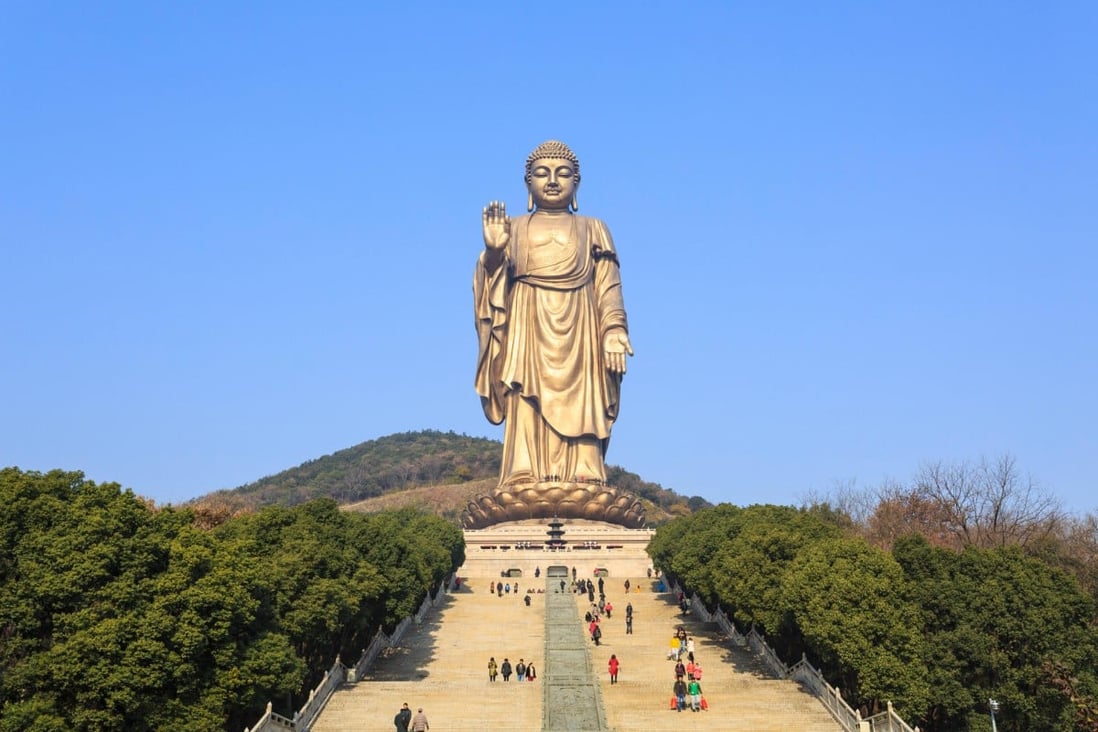
Tourists visit the popular Lingshan Grand Buddha at Wuxi, Jiangsu province, which stands 88 metres high. Photo: Shutterstock
Local officials on the mainland are drawing inspiration from Buddha, but perhaps not in a way he might have intended.
Tourism bureaus and developers are racing to build ever-higher statues of Buddha, in an attempt to copy the success of the Lingshan Grand Buddha in Wuxi, Jiangsu province.

The 88-metre-high attraction drew about 3.8 million visitors last year, generating more than 1.2 billion yuan (HK$1.5 billion). Not a bad return on 725 tonnes of bronze sheet.
Hong Kong’s Tian Tan Buddha, at a modest 34 metres, would barely rise to the knees of the current behemoths such as the 208-metre-high Spring Temple Buddha in Lushan county in Henan province.
At least five others taller than Tian Tan are spread across the mainland and the list is set to grow, including a planned 88-metre-high statue of the bodhisattva Guanyin in Suzhou , Jiangsu province, a 99-metre depiction of the bodhisattva Ksitigarbha in Anhui province, and a 48-metre statue of Amitabha Buddha at Lu Mountain in Jiangxi province.
According to the New Weekly, the Aerosun Corporation, which built the Tian Tan Buddha on Lantau, is developing more than 10 such projects across the country this year.
Tiếp tục đọc “Buddha statues get bigger on mainland China in bid to lure tourists”
Thailand: Moving from punishment to treatment of people who use drugs
People who use drugs in Thailand are receiving more help to reduce the harm caused by their habit thanks to a change in formerly punitive drug laws and support from the UN Office on Drugs and Crime (UNODC).
“I first started taking drugs when I was 15,” says 49-year-old Prapat Sukkeaw. “I smoked marijuana, but it was laced with heroin. I felt like I was floating, and it meant that I could forget about all the problems that I faced as a teenager. It was a beautiful feeling.”
Prapat Sukkeaw is one of an estimated 57,000 people who currently injects drugs in Thailand. His drugs of choice, marijuana and heroin, reflect a period in Thailand’s recent history when both illegal narcotics were the main stimulants being trafficked out of the storied Golden Triangle, a remote and somewhat inaccessible region which includes northern Thailand as well as Myanmar and Laos.
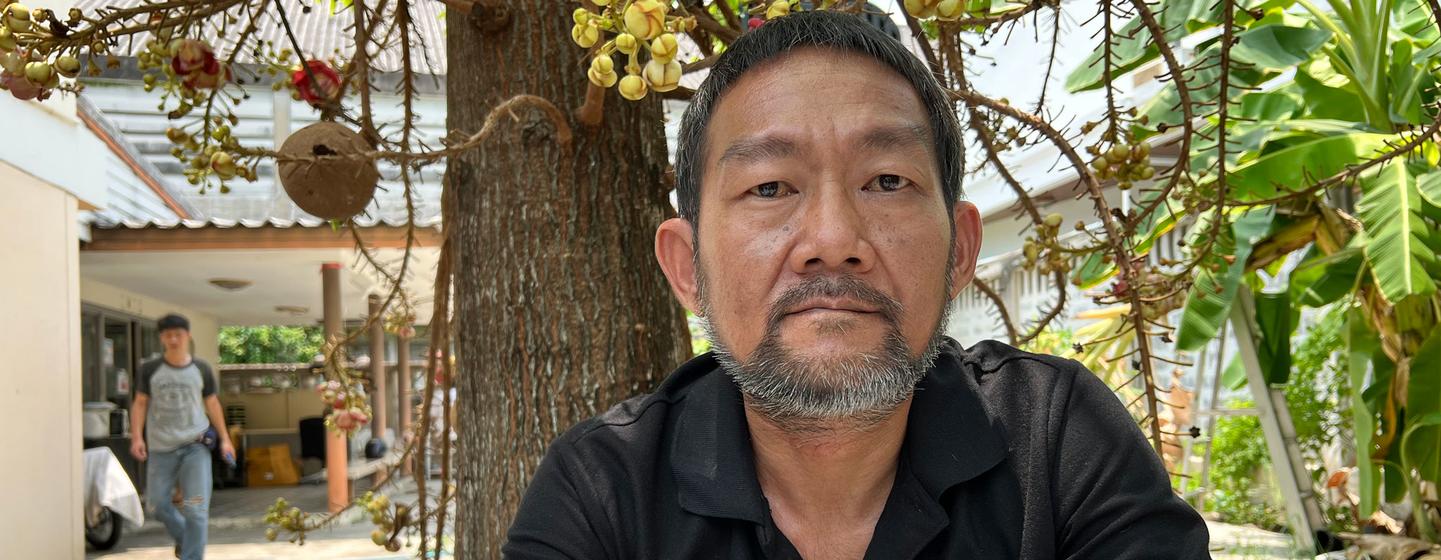
UN News/Daniel Dickinson
49-year-old Prapat Sukkeaw has used drugs since the age of 15.
Employed by a non-governmental organization (NGO), he has on occasion wanted to give up heroin due to pressure from family and friends. Now, he has recognized that, even if he admits to being addicted, taking drugs “is my preference and my right”. He has now started taking the synthetic drug methamphetamine, as heroin has become progressively more expensive.
Tiếp tục đọc “Thailand: Moving from punishment to treatment of people who use drugs”
 CVD
CVD 