The pups are cute – and great for PR – but they’re modified grey wolves. The real work is being done with their red cousinsThu 10 Apr 2025 15.50 BSTShare109
I’ve been waiting for this. Ever since researchers almost brought a wild goat species back from extinction in 2003, it was only a matter of time until someone came forward and said they had successfully “de-extincted” a species. Now, it has happened.
This week, American biotech company Colossal Biosciences announced it had resurrected the dire wolf, an animal that went extinct at the end of the last ice age. Colossal released a video that invited viewers to “experience the first dire wolf howls heard in over 10,000 years”.
But these are not dire wolf howls, and these are not dire wolves. To make the pups, scientists edited the DNA inside grey wolf cells to make it more dire wolf-like. Twenty changes were made to 14 different genes involved in coat colour, body size and skull shape. Then the cells were used for cloning.
Vietnam and China, the two largest markets for traditional medicine (TM) that uses wild plants and animals, announced a new partnership in January to adopt practices that protect wildlife while preserving the countries’ cultural heritage.
The first-of-its-kind agreement involved leading TM associations from Vietnam and China — the Vietnam Oriental Traditional Medicine Association (VOTMA) and the China Association of Traditional Chinese Medicine (CATCM) — along with researchers, policymakers and pharmaceutical leaders. TRAFFIC, an international NGO monitoring illegal wildlife trade, facilitated it.
The partnership aims to explore “several sustainable practices to make traditional medicine more conservation-friendly,” said TRAFFIC Vietnam director Trinh Nguyen in a statement to Mongabay. She said these include encouraging practitioners to switch to legal, sustainable and cultivated plant-based alternatives, and eliminating illegal wildlife ingredients in prescriptions.
Historical TM practices in the two countries have incorporated wildlife-derived ingredients, including those from threatened species, such as tiger bones, pangolin scales, rhino horns and bear bile. While many such ingredients are legal to trade inside China, the wildlife parts are often sourced from other countries to meet domestic demand. Many of the threatened species are, however, listed on CITES Appendix I, making the international trade in their parts illegal. As TM becomes popular globally, conservationists worry about its impact on wildlife.
VOV.VN – Mặt hàng động vật hoang dã là ngà voi, sừng tê giác có chiều hưởng chuyển dịch từ các cảng biển thuộc khu vực miền Nam, miền Trung ra các tỉnh phía Bắc như Hải Phòng, Quảng Ninh…
Theo Tổng cục Hải quan, tháng 4, hoạt động buôn lậu, vận chuyển trái phép hàng hóa qua tuyến biên giới Việt Nam – Lào, Việt Nam – Campuchia vẫn diễn biến hết sức phức tạp. Đặc biệt là hoạt động buôn lậu, vận chuyển trái phép ma túy, pháo nổ, vàng, thuốc lá điếu, ngoại tệ, thực phẩm… qua biên giới các tỉnh Bình Phước, Tây Ninh, Long An, Đồng Tháp, An Giang, Kiên Giang; Hoạt động vận chuyển hàng hóa gửi kho ngoại quan (Hải Phòng, TPHCM, Bà Rịa – Vũng Tàu, Bình Dương, Đồng Nai) quá cảnh đi Trung Quốc, Campuchia tiếp tục tiềm ẩn rủi ro trong việc xảy ra các tình trạng đánh tráo, rút ruột thẩm lậu vào nội địa.
Trên tuyến đường biển, các đối tượng buôn lậu, vận chuyển trái phép qua biên giới tập trung vào mặt hàng có lợi nhuận cao như xăng dầu, than, khoáng sản, hàng điện tử, điện lạnh đã qua sử dụng, phế liệu, hàng đông lạnh, gia cầm…, sử dụng nhiều thủ đoạn tinh vi, các chiêu thức mới, hoạt động có tổ chức như ngụy trang tàu chở hàng lậu thành khai thác thủy sản, gia cố các bồn bể trên các phương tiện xuất nhập cảnh để che đậy việc mua bán, vận chuyển trái phép hàng lậu…
Ngà voi nhập lậu do Hải quan Hải Phòng chủ trì bắt giữ tháng 3/2023.
Đặc biệt, mặt hàng động vật hoang dã là ngà voi, sừng tê giác có chiều hưởng chuyển dịch từ các cảng biển thuộc khu vực miền Nam, miền Trung ra các tỉnh phía Bắc như Hải Phòng, Quảng Ninh…
Ngoài ra, tình hình tội phạm ma túy vẫn diễn biến phức tạp, nhất là tuyến hàng không và các khu vực biên giới ở Tây Bắc, miền Trung, Tây Nam bộ…
Trong tháng 4, ngành Hải quan đã phát hiện, bắt giữ, xử lý gần 1.466 vụ vi phạm pháp luật về hải quan, tổng trị giá hàng vi phạm ước tính 455 tỷ đồng, cơ quan Hải quan đã khởi tố 5 vụ, kiến nghị cơ quan chức năng khởi tố 20 vụ, số tiền thu nộp ngân sách gần 90 tỷ đồng.
Ông Nguyễn Văn Cẩn, Tổng cục trưởng Tổng cục Hải quan cho biết: “Đầu năm rộ lên có những đối tượng, doanh nghiệp với doanh số, kim ngạch xuất khẩu bất thường và từ đó chúng tôi lần theo đối với các hành vi xuất khống, hành vi giả mạo hồ sơ, lợi dụng hoàn thuế giá trị gia tăng và chúng tôi đã khởi tố một số vụ án, chuyển cho cơ quan điều tra chuyên trách để tiến hành xử lý. Và hiện nay đang phối hợp với lực lượng chức năng của Bộ Công an để điều tra sâu và mở rộng các đối tượng khác”./.
For decades, people across South-east Asia have been hunting wild animals for food. But commercial pressures and cheaper snaring methods are causing the region’s forests to be emptied faster than they can be replenished — with repercussions for human and forest health.
They were taken to the wildlife rescue centre not in cages but in fine mesh bags, as though they were already fresh meat being sold by the gram.
But the four ferret badgers were still alive and kicking.
The mammals had been literally rescued from the jaws of death.
VIETNAM AND CAMBODIA – Local policemen had seized them from a restaurant and taken them to Save Vietnam’s Wildlife’s facility located within Cuc Phuong National Park, about a two-hour drive from Hanoi.
“The restaurant bought them from people who caught them from the forest,” said Mr Tran Van Truong, who as captive coordinator is in charge of the facility’s operations. “They are a bit stressed now, but they seem okay otherwise. We can probably release them back into the wild after a few days.”
Not all of man’s wild quarry are as lucky.
Demand for bushmeat and exotic pets from city dwellers is contributing to the emptying of South-east Asia’s forests. ST PHOTO: MARK CHEONG
Trapping wild animals for bushmeat may be illegal in Vietnam, but the practice is still widespread in the country. In other parts of South-east Asia too, the Covid-19 pandemic and its likely origins in the wildlife trade has had nary an impact on the region’s appetite for wild meat.
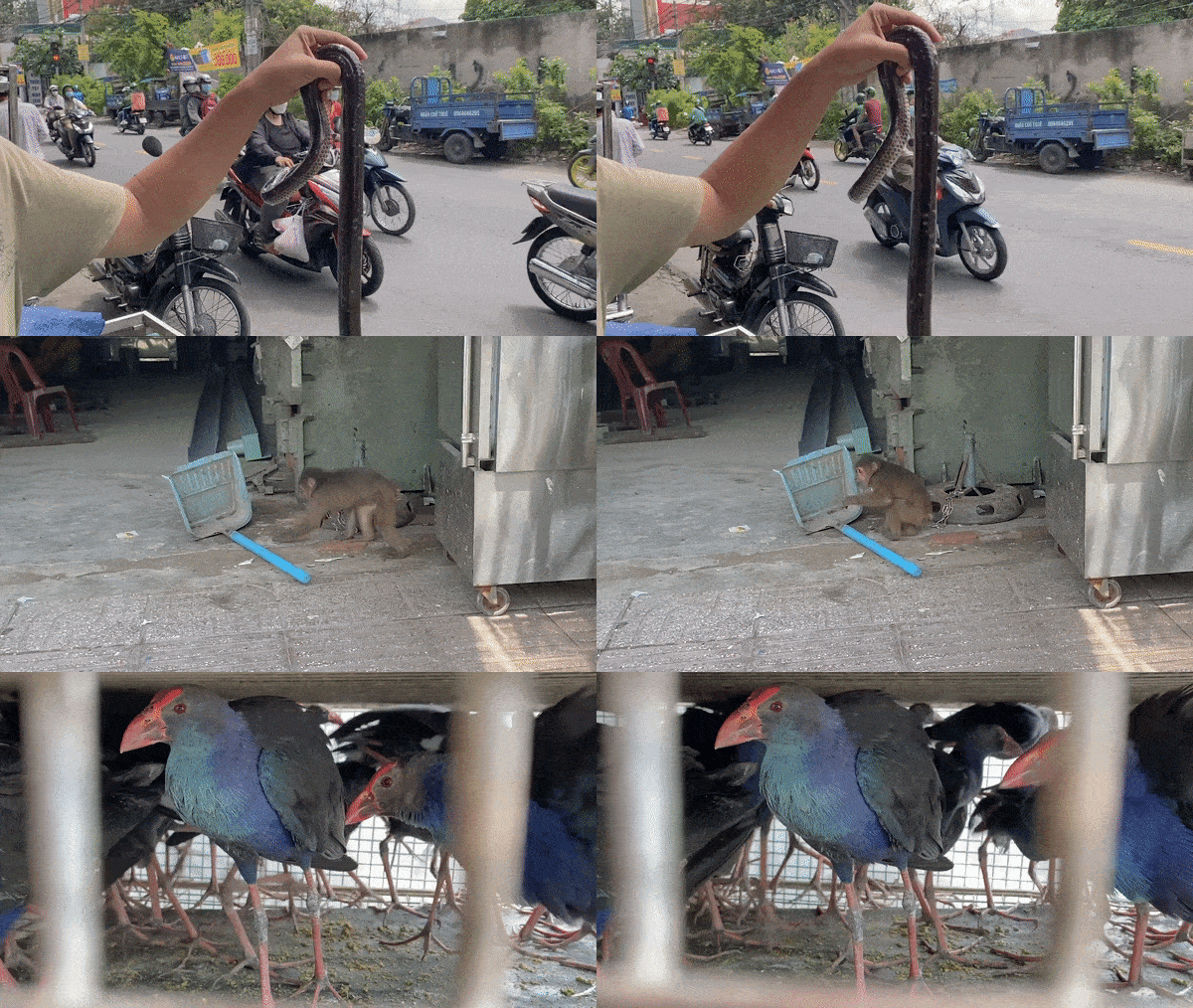
Wild animals are still being taken from the forests in large numbers, to be eaten or kept as pets, and we discovered how voracious appetites for them were still during visits to Vietnam and Cambodia in September.
Wild animals sold at a market in Ho Chi Minh City. VIDEO: ANTON L. DELGADO
Sri Lanka continues to face the brunt of the worst economic crisis in the country’s history, with depleted foreign reserves resulting in acute fuel shortages nationwide.
The shortages and limited rations are affecting conservation efforts, including the timely treatment of wild animals, regular patrolling to thwart poaching, and mitigation actions to limit human-elephant conflict.
Fuel allocations for the wildlife conservation department have been halved, and both wildlife and forest officials say this has made operations extremely difficult.
The threat of forest fires also looms as the dry season gets underway, which typically calls for more patrols to prevent burning by poachers and forest encroachers.
COLOMBO — Anyone who’d ever seen Maheshakya in the wildernesses of Kebithigollewa in Sri Lanka’s North Central province agreed that, as elephants went, he was an exemplary specimen with large tusks. Earlier this year, he got into a fight with another elephant, which left Maheshakya seriously wounded. As he lay in pain, still alive and conscious, a poacher cut off one of his tusks. Twenty days later, Maheshakya was dead.
In the time since Maheshakya had suffered his injuries during the fight, veterinarians from the Department of Wildlife Conservation (DWC) were able to check on him just twice. Before this year, Maheshakya would have received many more visits, possibly preventing the loss of his tusk and subsequent death. But Sri Lanka’s ongoing economic crisis, the worst in the country’s history, meant that was not to be.
“If we had more opportunity to treat the elephant and visit frequently, there was a chance of saving his life. But we did not have fuel in our vehicles to make this journey regularly,” said Chandana Jayasinghe, a wildlife veterinary surgeon at the DWC.
Sri Lanka has declared bankruptcy and lacks foreign reserves to import essential goods for its people, such as medicine, fuel and gas. Kilometers-long lines at gas stations have become a permanent scene throughout the country, and although a rationing system is helping shorten the wait times, what little fuel is available isn’t enough for wildlife officials to do their regular work. This leaves response teams, like the one Jayasinghe works on, often unable to go out on rescue missions.
The Attidiya Wildlife Rehabilitation Centre in Colombo receives several calls a day regarding injured animals, but has been forced to reduce operations due to fuel being in short supply. Image courtesy of the Attidiya Wildlife Rehabilitation Center.
Financial problems and complicated procedures have created a situation in which 11 tigers raised in captivity for 15 years remain unwanted in north-central Vietnam.
In 2007, Nguyen Mau Chien, a local in Thanh Hoa Province, bought 10 tiger cubs weighing around seven kilos each from an unidentified seller and brought them from Laos to Vietnam to raise near his home in Xuan Tin Commune of Tho Xuan District.
While his intent in making the purchase was not stated, demand for tiger parts for medicinal purposes has been high in Vietnam and China for a long time.
Chien was fined VND30 million ($1,300) for animal trafficking and tasked with raising the cubs.
In 2008, Chien bought another five tiger cubs from Laos and was fined the same amount. Once again, he was asked to raise the cubs with support from local authorities and the ranger force.
Only one in every seven wildlife seizures made in Vietnam in the past decade has resulted in convictions, a new report by the U.K.-based Environmental Investigation Agency has found.
Low numbers of arrests and prosecutions highlight problems of weak enforcement and a lack of coordination between law enforcement agencies, the researchers said.
Three-quarters of the shipments originated from African countries, they found, with numerous large-scale seizures indicating transnational organized crime.
With pandemic-related restrictions easing, the worry is that the cross-border wildlife trade will come roaring back even as Vietnam struggles to follow up on investigations into past and current seizures.
Standing on top of a four-wheel drive looking out at a central Kenyan wildlife reserve wearing a bucket hat and walking boots, Trang Nguyen stands apart from most Vietnamese who prefer European charm and East Asian wonders for their holidays and photographic memories.
But Trang is no ordinary traveller.
The 31-year-old founder and executive director of WildAct, a Vietnamese conservation NGO, travels the world as a wildlife conservation scientist.
By AFP March 24, 2021 | 11:09 am GMT+7 VNExpressTrang Nguyen has spent much of her life trying to end the illegal wildlife trade. Photo by AFP/Nhac Nguyen.As a small girl, Trang Nguyen saw a bear stabbed through the chest with a giant needle at her neighbor’s house in northern Vietnam.
The bear, flat on its back, was being pumped for its bile, a fluid drawn from its gallbladder that has long been used in traditional medicine to treat liver disease.
“I had seen visitors to Hanoi zoo who brought sticks to poke animals and it really made my blood boil,” Trang, the founder of local conservation group WildAct, told AFP.
“But conservation wasn’t something I really wanted to do until I witnessed what happened to this bear.”
It was the first of her many encounters with a global multi-billion-dollar illegal wildlife trade that devastates species the world over, fuels corruption and threatens human health.
She has gone undercover in South Africa to snare traffickers and secured a PhD in traditional medicine’s impact on wildlife.
Trang has also set up her home country’s first postgraduate course for aspiring conservationists, to help more Vietnamese make it to the top of her field.
In the 1990s, decades of war and isolation meant environmental awareness was a new notion in Vietnam.
12 Jan 2021 11:50AM(Updated: 12 Jan 2021 11:58AM) CNA
KUALA LUMPUR: Masks that helped save lives during the COVID-19 pandemic are proving a deadly hazard for wildlife, with birds and marine creatures ensnared in the staggering number of discarded facial coverings littering animal habitats.
Over two surveys conducted between November 2016 and June 2017, TRAFFIC’s researchers found more than 10,000 ivory items being offered on sale across 852 physical outlets and 17 online platforms, suggesting an ivory market that has continued to thrive over the past few decades.
Physical retail stores in Ho Chi Minh City and Buon Ma Thuot had the highest number of ivory items for sale, the surveys found, but two villages, Ban Don and Lak, had a disproportionately high number of items on sale compared to the number of stores. Among the online platforms, social media sites had the highest number of posts offering ivory for sale.
These are Southern white rhinoceros (Ceratotherium simum simum) in an undisclosed protected area in South Africa.
Credit: Enrico Di Minin
Illegal wildlife trade is one of the biggest threats to biodiversity conservation and is currently expanding to social media. This is a worrisome trend, given the ease of access and popularity of social media. Efficient monitoring of illegal wildlife trade on social media is therefore crucial for conserving biodiversity.
Sciencedaily – Southeast Asia is a widely recognised centre of illegal wildlife trade — both as the source region for species ranging from seahorses to tigers, and as a global consumer of ivory carvings, wild pets, and traditional Chinese medicinal products.
While there are mounting efforts to tackle illegal wildlife trade, including within Singapore to reduce demand for wildlife products, the illegal trade in some species still remains undocumented.
Associate Professor Edward L. Webb, from the Department of Biological Sciences at the National University of Singapore (NUS), and NUS PhD graduate Dr Jacob Phelps, have uncovered a previously little recognised Southeast Asian wildlife trade — the illegal sale of wild-collected ornamental plants, especially orchids.
Their findings were recently published in the journal Biological Conservation in June 2015.
Uncovering the “invisible” orchid trade
The researchers conducted extensive surveys of wildlife markets across Thailand, including border markets with Laos and Myanmar, and identified more than 400 species of ornamental plants in illegal trade — species widely prized by plant enthusiasts for their beauty, fragrance and/or rarity. Over 80% of these plants traded at the markets are wild orchids. Some of these were even listed in published literature as threatened. Tiếp tục đọc “Large-scale illegal trade in hundreds of wild-collected ornamental plants in Southeast Asia”→


![Trang has won international recognition for her work including the Future for Nature Award [Theo Krus/Courtesy of Trang Nguyen]](https://www.aljazeera.com/wp-content/uploads/2021/09/Trang-recieving-future-for-nature-award.jpg?resize=770%2C513)
 Trang Nguyen has spent much of her life trying to end the illegal wildlife trade. Photo by AFP/Nhac Nguyen.As a small girl, Trang Nguyen saw a bear stabbed through the chest with a giant needle at her neighbor’s house in northern Vietnam.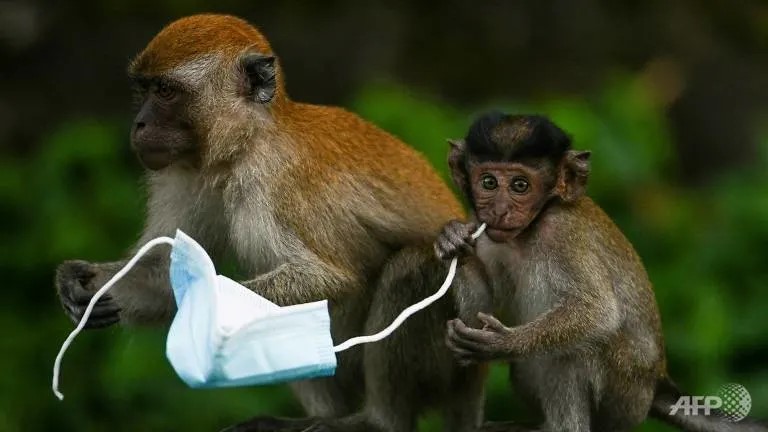

 CVD
CVD 