Trung Quốc hôm nay cho biết nước này sẵn sàng đàm phán với Mỹ, nhưng cũng không sợ hãi nếu Mỹ tiếp tục đe dọa áp thuế.
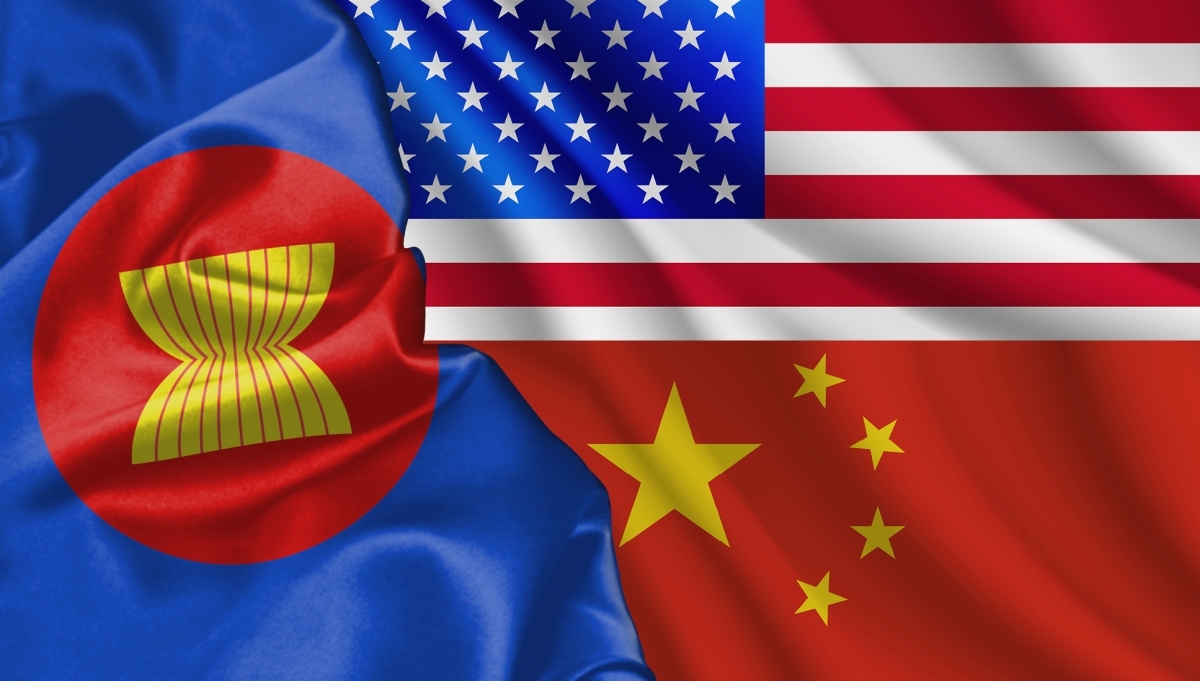
Cờ Mỹ và Trung Quốc. Ảnh: Reuters
Ngày 10/4, khi được hỏi về việc liệu Mỹ và Trung Quốc đã bắt đầu đàm phán thuế nhập khẩu hay chưa, người phát ngôn Bộ Thương mại Trung Quốc He Yongqian cho biết nước này sẵn sàng đàm phán với Mỹ, nhưng phải trên cơ sở bình đẳng và tôn trọng lẫn nhau. Ông khẳng định “việc gây sức ép, đe dọa, bắt nạt” không phải là cách hành xử đúng với Trung Quốc.
US President Donald Trump has made South America a priority for his administration, citing concerns about China’s growing influence in the region. Through Beijing’s Belt and Road Initiative, China has invested heavily in major projects in the region, particularly related to lithium reserves, transport and energy infrastructure. As a result, China has replaced the US as South America’s main trading partner over the past two decades. Early into his second term, Trump attempted to strong-arm control back in the US’ favour by threatening to seize the Panama Canal away from China’s growing influence. However, experts suggest his methods will not be enough to turn the momentum, as China’s flexible business approach and significant investments have reshaped the continent’s landscape.
TTCT – Bất chấp những lệnh cấm vận ngặt nghèo của Mỹ, tập đoàn công nghệ hàng đầu Trung Quốc Huawei vẫn đang phát triển mạnh mẽ…
Ảnh: CNBC
Nhà sáng lập Huawei Nhậm Chính Phi thường nói về cuộc chiến giữa tập đoàn này với Mỹ bằng ngôn ngữ quân sự. “Tới lúc cầm súng, lên ngựa và ra trận”, ông nói trong họp nội bộ hồi năm 2018. Thông điệp cho năm sau của ông là nhân viên Huawei sẽ cột mình vào xe tăng để kéo ra chiến trường.
Theo The Economist, kiểu ví von dữ dội này dễ hiểu: Huawei liên tục bị Mỹ nhắm tới suốt hơn 10 năm qua. Năm 2012, chính quyền Mỹ bắt đầu cáo buộc Trung Quốc dùng tập đoàn này cho mục đích tình báo.
Mỹ còn truy tố giám đốc tài chính Huawei, đồng thời là con gái ông Nhậm, bà Mạnh Vãn Chu (theo họ mẹ) năm 2018 vì vi phạm lệnh cấm vận với Iran.
Tới 2020, cuộc chiến của Mỹ trở thành tổng lực khi hầu hết các công ty nước này bị cấm kinh doanh với Huawei, các công ty quốc tế bị Mỹ cấm bán chip và thiết bị có sử dụng công nghệ Mỹ cho tập đoàn Trung Quốc. Mỹ thậm chí vận động các nước không sử dụng thiết bị Huawei trong hạ tầng viễn thông.
TTCT – Cuối tháng 6-2022, một lệnh cấm ở quận Bắc Đới Hà được ban bố khiến nhiều người ngạc nhiên: xe Tesla bị cấm tới bờ biển khu vực nghỉ dưỡng ven biển ở tỉnh Hà Bắc này trong hai tháng.
Ảnh: CBS 58
Cảnh sát giao thông Bắc Đới Hà khi được hỏi chỉ nói lệnh cấm là vì “vấn đề quốc gia”, nhưng không cung cấp thêm thông tin.
Bắc Đới Hà là địa điểm cuộc gặp mặt hằng năm của giới lãnh đạo cao nhất Trung Quốc, và lệnh cấm được ban bố chỉ vài tuần sau khi xe Tesla bị cấm vào một số đường trung tâm ở Thành Đô trong một chuyến thăm của Chủ tịch Tập Cận Bình.
In the span of three months, presidents of both the US and China have visited Hanoi. From the visits, numerous trade and investment deals were signed. Politically and economically, Vietnam stands to gain from closer ties with the US. As President Biden continues to de-risk from China, American businesses are shifting their operations and manufacturing from China to Vietnam. But camaraderie with Washington could jeopardise Hanoi’s relationship with Beijing and Moscow. Why are the superpowers courting Vietnam, and can the Southeast Asian country balance the competing wants of rival titans?
00:00 Introduction
02:45 Significance of Vietnam-US comprehensive strategic partnership
07:10 Vietnam and US-China relations
10:21 Evolution of Vietnam-US relations
18:35 Why does the US want to upgrade Vietnam-US ties?
23:51 State of Vietnam-China relations
30:06 Is China concerned about closer Vietnam-US relations?
32:51 Vietnam-Russia relations and the Russia-Ukraine war
36:40 Vietnam’s neutral stance and its benefits 43:26 What challenges will Vietnam face in balancing relations?
President Joseph R. Biden, Jr. today held a Summit with President Xi Jinping of the People’s Republic of China (PRC), in Woodside, California. The two leaders held a candid and constructive discussion on a range of bilateral and global issues including areas of potential cooperation and exchanged views on areas of difference.
President Biden emphasized that the United States and China are in competition, noting that the United States would continue to invest in the sources of American strength at home and align with allies and partners around the world. He stressed that the United States would always stand up for its interests, its values, and its allies and partners. He reiterated that the world expects the United States and China to manage competition responsibly to prevent it from veering into conflict, confrontation, or a new Cold War.
China is bad. At least, that’s what even a glance of U.S. reporting on China tells us. It’s a way of reporting that follows a long history of constructing the Chinese — in news, popular culture and the halls of DC — as a threat. In the first episode of Backspace, a new media critique series from AJ+, Sana Saeed explores what China and the Chinese have looked like in the American imagination, how that impacts and is impacted by U.S. immigration and foreign policies, and ways we can retell that story.
China’s People’s Liberation Army celebrates its centenary in 2027, what are its goals for this date? The PLA is already the largest army in the world with over 2 million soldiers. It also has the biggest number of warships. But China’s defense budget is still climbing amidst increasing geopolitical tensions. How exactly is the PLA “preparing for Dangerous Storms” as tasked by President Xi?
NEW YORK; August 1, 2023, Asia Society – A new Task Force on U.S.-China Policy report, Prioritizing Southeast Asia in American China Policy, lays out reasons why Southeast Asia is a critically important but under-appreciated region when it comes to U.S. interests and U.S. competition with China, and recommends actions for the U.S. government, in the face of China’s growing influence in the region.
Sau 5 năm dài vắng bóng, Mỹ đã chính thức tái gia nhập Tổ chức Văn hóa, Khoa học và Giáo dục của Liên Hợp Quốc (UNESCO) vào ngày 30/6.
Trong một phiên họp bất thường hôm 30/6, 193 quốc gia thành viên của UNESCO đã phê duyệt đề xuất tái gia nhập tổ chức của Mỹ với 132 phiếu thuận và 10 phiếu chống.
Mỹ đã rút khỏi UNESCO vào năm 1984, dưới thời chính quyền Tổng thống Ronald Reagan, sau đó quay trở lại vào năm 2004.
Tuy nhiên, mối quan hệ của chính phủ Mỹ với UNESCO này trở nên căng thẳng vào tháng 10/2011, khi các thành viên của cơ quan này bỏ phiếu chấp nhận Palestine là thành viên của tổ chức.
Động thái này đã khiến Hoa Kỳ và đồng minh thân cận Israel tức giận, đồng thời buộc chính quyền của Barack Obama phải ngừng tài trợ cho cơ quan này. Năm 2017, Tổng thống Donald Trump tuyên bố, đất nước của ông sẽ rời khỏi UNESCO hoàn toàn với cáo buộc tổ chức này thiên vị và chống lại Israel. Mỹ và Israel sau đó đã chính thức rời UNESCO vào cuối năm 2018.
By Michael J. Green, the CEO of the United States Studies Centre at the University of Sydney, and Paul Haenle, the director of Carnegie China.
As U.S.-China relations transition from an era of engagement to one of strategic competition, some in the Biden and former Trump administrations have claimed to be abandoning four decades of naive American assumptions about Beijing. Past U.S. policy, they say, was based on a futile view that engagement would lead to a democratic and cooperative China. This, however, is not only a misreading of past U.S. policies but also dangerous analytical ground upon which to build a new national security strategy.
The fact is that no administration since that of Richard Nixon has made U.S. security dependent on Chinese democratization. Every administration has combined engagement with strategies to counterbalance China through alliances, trade agreements, and U.S. military power. Throwing out all previous U.S. approaches to China would mean throwing out some of the most important tools the current administration relies on to compete with China. And the Biden administration will not get its China strategy right until it is clear about what has worked in the past.
Good morning everyone. Thank you, Suzanne, for that introduction, and thank you to the team at Brookings for organizing today’s discussion.
You know, when we first talked about doing an event tied to your Global China program, the topic was, in a sense, evergreen. We could have planned this conversation virtually anytime.
The People’s Republic of China, the challenges it poses, the stakes for global norms and values, the strategies and policy choices demanded from the United States and our partners — these questions have stood front and center from the moment President Biden took office.
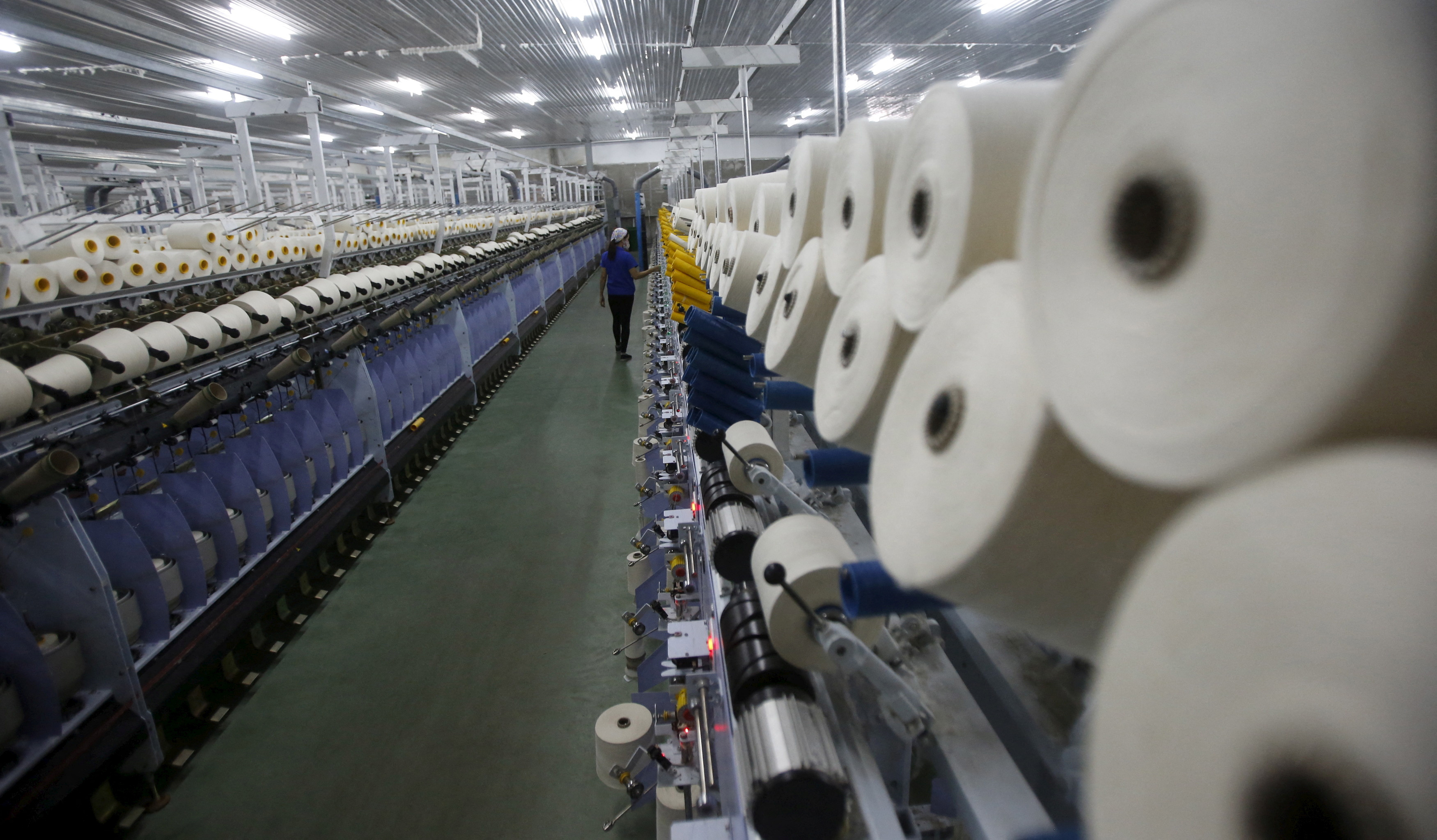
[1/4] A woman works at a yarn weaving plant in Ha Nam province, outside Hanoi, Vietnam October 7, 2015. REUTERS/Kham/File
HANOI, Feb 14 (Reuters) – Concerned Vietnam-based exporters are seeking to ensure they comply with a U.S. ban on imported products using raw materials from China’s Xinjiang as lucrative trade in goods like garments and solar panels comes under closer scrutiny in Washington.
As U.S. Trade Representative Katherine Tai visits Vietnam this week, executives and other people familiar with the situation said some industries in Vietnam may be importing, sometimes unwittingly, raw material from Xinjiang – or might find it hard to prove they were not doing so.

 Cờ Mỹ và Trung Quốc. Ảnh: Reuters



 CVD
CVD 