Integrating modern and traditional medicine: Facts and figures

scidev.net

TraditionalMedicine_Darfur_Flickr_UNAMID_Photo_2500X1624

Copyright: Flickr/UNAMIDPhoto-Albert Gonzalez Farran

Trad Med advert 2.jpg

Traditional medicine (TM) is due a revival. For millennia, people around the world have healed the sick with herbal or animal-derived remedies, handed down through generations.

In Africa and Asia, 80 per cent of the population still uses traditional remedies rather than modern medicine for primary healthcare.

And in developed nations, TM is rapidly gaining appeal. Estimates suggest up to 80 per cent of the population has tried a therapy such as acupuncture or homeopathy. And a survey conducted earlier this year found that 74 per cent of US medical students believe that Western medicine would benefit by integrating traditional or alternative therapies and practices. [1]

Tiếp tục đọc “Integrating modern and traditional medicine: Facts and figures”
The World Health Organization’s decision about traditional Chinese medicine could backfire

nature.com

Traditional therapies have been included in a global diagnostic compendium. That comes with risks.
 PDF version
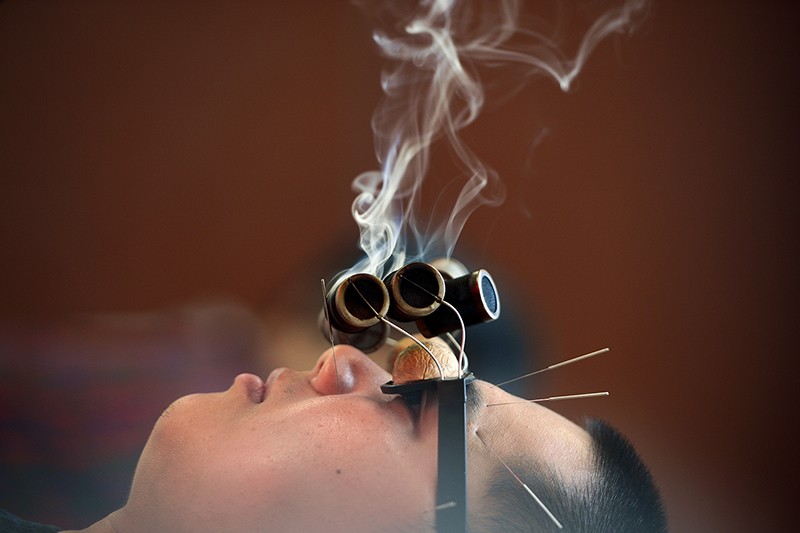
A man wearing 'walnut' glasses is treated with smoking wormwood to relieve his oculomotor paralysis.

There is little substantial evidence for the efficacy of many treatments in traditional Chinese medicine.Credit: VCG/Getty

Donkeys are a hot item in Africa. In the past few years, prices for the animals and their hides have jumped so high that people have been stealing them. Some countries, including Niger, Tanzania and Botswana, have resorted to banning exports to preserve their donkey populations. And last month, Nigeria’s government moved to make the killing and export of donkeys illegal there. Tiếp tục đọc “The World Health Organization’s decision about traditional Chinese medicine could backfire”