‘Is this justice?’: why Sudan is facing a multibillion-dollar bill for 9/11 – podcast

The families of some 9/11 victims are still pursuing compensation from those complicit in the attacks – but is Sudan, already ravaged by years of US sanctions, really the right target?

the guardian – Mon 12 Sep 2022 05.00 BST

Written and read by Nesrine Malik, produced by Jessica Beck and Cheyanne Bryan. The executive producer was Danielle Stephens

This article was originally published in August 2021.

Archive: The Guardian, ITV news
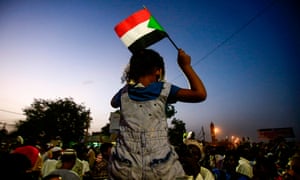
A Sudanese child waves a national flag as she sits atop the shoulders of a man during a late demonstration demanding a civilian body to lead the transition to democracy, outside the army headquarters in the Sudanese capital Khartoum on April 12, 2019. - Sudanese protestors vowed on April 12 to chase out the country's new military rulers, as the army offered talks on forming a civilian government after it ousted president Omar al-Bashir. (Photo by ASHRAF SHAZLY / AFP)ASHRAF SHAZLY/AFP/Getty Images
 Photograph: Ashraf Shazly/AFP/Getty Images

Tiếp tục đọc “‘Is this justice?’: why Sudan is facing a multibillion-dollar bill for 9/11 – podcast”

What effect did the Crusades have on the Middle East?

The Europeans besiege Jerusalem, seeking to "liberate" it from Muslim rule, 1099.
The Crusaders or Franks attack Jerusalem during the First Crusade, 1099. Getty Images

Updated June 13, 2017

Between 1095 and 1291, Christians from western Europe launched a series of eight major invasions against the Middle East. These attacks, called the Crusades, were aimed at “liberating” the Holy Land and Jerusalem from Muslim rule.

The Crusades were sparked by religious fervor in Europe, by exhortations from various Popes, and by the need to rid Europe of excess warriors left over from regional wars.

What effect did these attacks, which came from out of the blue from the perspective of Muslims and Jews in the Holy Land, have on the Middle East? Tiếp tục đọc “What effect did the Crusades have on the Middle East?”