Inside the US-China battle for silicon chip supremacy

https://www.youtube.com/watch?v=5pjnizqXy-g&t=1239s

Al Jazeera English – 24-8-2023

From computers to toasters, smartphones to refrigerators, semiconductors are essential in our daily lives.

Advanced chips power military hardware, artificial intelligence and supercomputers.

But a persistent shortage is reshaping geopolitical relations, fuelling inflation and increasing tensions between the United States and China.

While demand for cutting-edge chips grows, only a few countries have the specialised knowledge and ability to produce them.

Taiwan produces 90 percent of the world’s most advanced chips, making its stability critical to global economic and geopolitical security.

101 East investigates the battle to control the world’s semiconductor industry.
Xi upends secret world of US$10,000 an hour China experts

bloomberg.com

Beijing clamps down on ‘expert networks’ over threats to national security, sending shockwaves through the financial world with experts saying the move will derail China’s push to attract foreign investors

Private conversations with corporate insiders and ex-government officials that cost upwards of US$10,000 an hour. Coded language and blurred regulatory lines.

For hedge funds and other global investors, China’s vast web of “expert networks” has become a key tool for navigating an opaque but potentially lucrative economic powerhouse. For Xi Jinping’s (習近平) Communist Party, the secretive industry represents something far more ominous: a threat to national security that must be reined in.

That contradiction is now sending shockwaves through the financial world as China’s government cracks down on the expert networks it had showered in praise less than a decade ago during Xi’s first term as president. The anti-espionage campaign — which centers on Capvision, a giant of the industry with offices in Shanghai and New York — has reignited concern among China watchers that Xi’s fixation on security and tightening grip on information will derail his push to attract foreign investors.

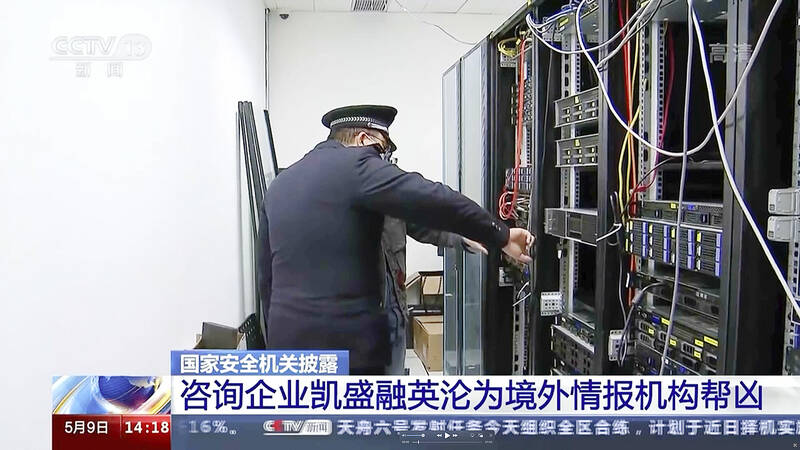
In this image taken from undated video footage run by China’s CCTV, Chinese police raid the Capvision office in Shanghai. China’s chief foreign intelligence agency has raided the offices of business consulting firm Capvision in Beijing and other Chinese cities as part of an ongoing crackdown on foreign businesses that provide sensitive economic data. Photo: AP

ABRUPT CRACKDOWN

Tiếp tục đọc “Xi upends secret world of US$10,000 an hour China experts”

Japan Bets Big on Bringing Semiconductor Manufacturing Home

An ambitious state-backed industrial plan targets both growth and China.

By William Sposato, a Tokyo-based journalist.

A semiconductor manufacturing plant is seen in Japan.

foreignpolicy.com

JANUARY 9, 2023, 12:28 PM

TOKYO—To get back some of the high-tech mojo that made it an economic powerhouse, Japan is launching an ambitious program to bring back cutting-edge semiconductor manufacturing, a field it ceded to Taiwan, South Korea, and China nearly 20 years ago. But will this new campaign at state-backed industrial policy succeed, and more importantly, is it even the right goal?

Tiếp tục đọc “Japan Bets Big on Bringing Semiconductor Manufacturing Home”

Vietnam arming up to serve in US chip war on China

AsiatimesSamsung, Intel, Amkor Technology and others pouring billions into Vietnam’s chip industry as China decoupling gathers pace

By PHAN LE And HAI THANH NGUYEN

NOVEMBER 16, 2022


Samsung’s plant in Thai Nguyen Province, northern Vietnam. Photo: Samsung

The CEO of Samsung Electronics met with Vietnamese Prime Minister Pham Minh Chinh and announced a US$850 million investment to manufacture semiconductor components in Thai Nguyen province on August 5, 2022.

The investment will make Vietnam one of only four countries – alongside South Korea, China and the United States – that produce semiconductors for the world’s largest memory chipmaker. Vietnam’s selection over more developed locations speaks volumes about the country’s rising importance in the semiconductor value chain.

Tiếp tục đọc “Vietnam arming up to serve in US chip war on China”

Tự lực tự cường và chip bán dẫn

NGUYỄN TRUNG DÂN 10/11/2022 07:49 GMT+7

TTCTSau gần 10 năm, cuộc đua trong lĩnh vực phát triển và sản xuất chip bán dẫn của Trung Quốc đã thành bại ra sao

Tự lực tự cường và chip bán dẫn - Ảnh 1.

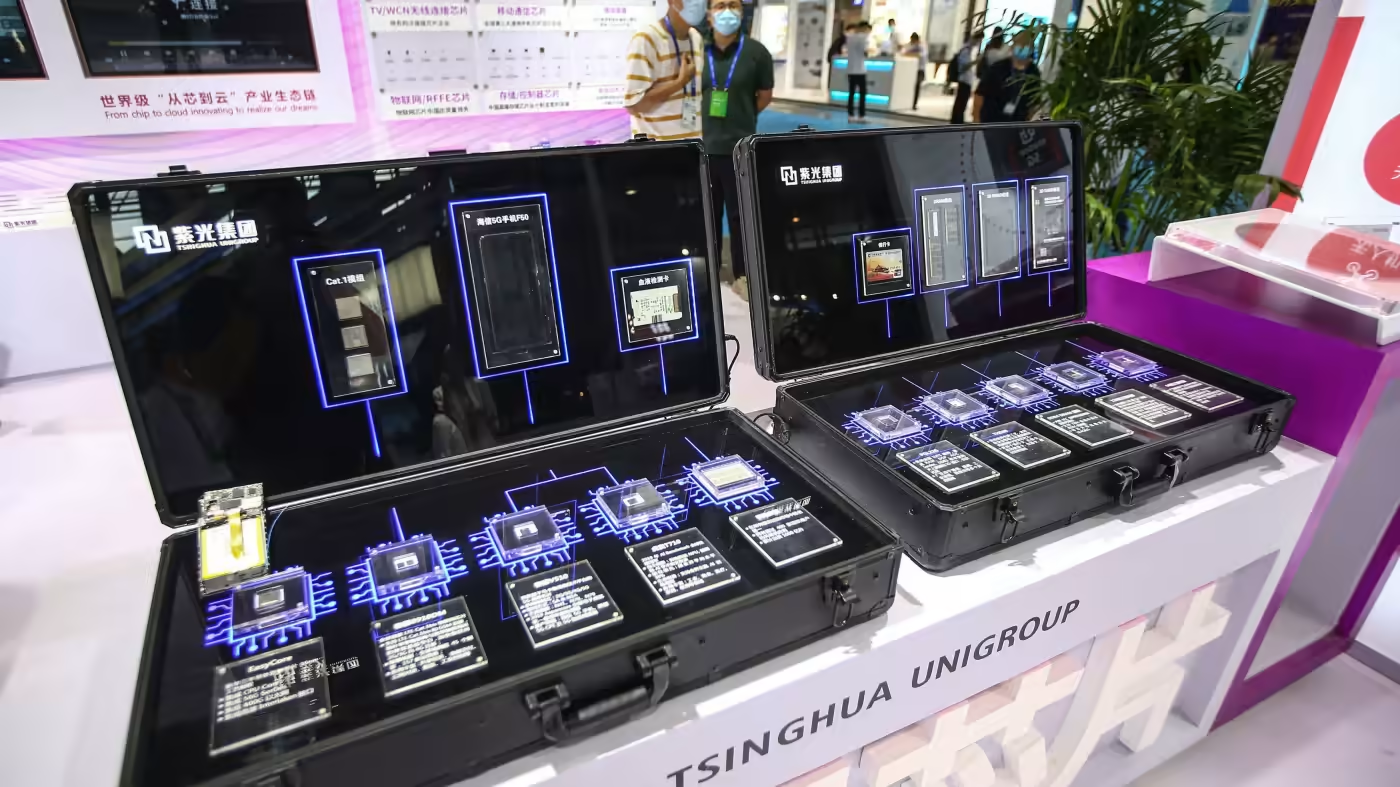
Triển lãm chip của Tsinghua Unigroup. Ảnh: AFP

Sau gần 10 năm, cuộc đua trong lĩnh vực phát triển và sản xuất chip bán dẫn của Trung Quốc đã thành bại ra sao, và con đường sắp tới sẽ thế nào, khi Tổng bí thư Tập Cận Bình lại vừa kêu gọi đất nước của ông “phải giành chiến thắng trong cuộc chiến công nghệ cốt lõi”?

Năm 2020, Trung Quốc chi 350 tỉ USD cho nhập khẩu chip bán dẫn, trong khi tiền nhập dầu mỏ chỉ có 200 tỉ USD, theo số liệu hải quan. 

Việc Trung Quốc, vốn cung cấp cho thế giới hầu như tất cả các mặt hàng từ lao động thủ công rẻ tiền cho đến cả các mặt hàng công nghệ cao, là nước nhập khẩu dầu mỏ và nhiên liệu lớn nhất thế giới không có gì lạ. 

Song phải chi nhập chip nhiều hơn mua dầu thì đáng chú ý, nhất là khi tính đến 2021 các chính sách chạy đua trong lĩnh vực phát triển và sản xuất chip của nước này đã đi được hơn 7 năm.

Tiếp tục đọc “Tự lực tự cường và chip bán dẫn”

The semiconductor problem

The military relies on advanced semiconductors. The U.S. doesn’t make any.

Chips on display in Taiwan.
Chips on display in Taiwan.Credit…Ann Wang/Reuters
David Leonhardt

By David Leonhardt

NYTimes – July 14, 2022

The most advanced category of mass-produced semiconductors — used in smartphones, military technology and much more — is known as 5 nm. A single company in Taiwan, known as TSMC, makes about 90 percent of them. U.S. factories make none.

The U.S.’s struggles to keep pace in semiconductor manufacturing have already had economic downsides: Many jobs in the industry pay more than $100,000 a year, and the U.S. has lost out on them. Longer term, the situation also has the potential to cause a national security crisis: If China were to invade Taiwan and cut off exports of semiconductors, the American military would be at risk of being overmatched by its main rival for global supremacy.

Tiếp tục đọc “The semiconductor problem”