
mekongeye.com
Mekong Delta farmers turn to indigenous rice strain to counter unpredictable floods as upstream dams affect water flow
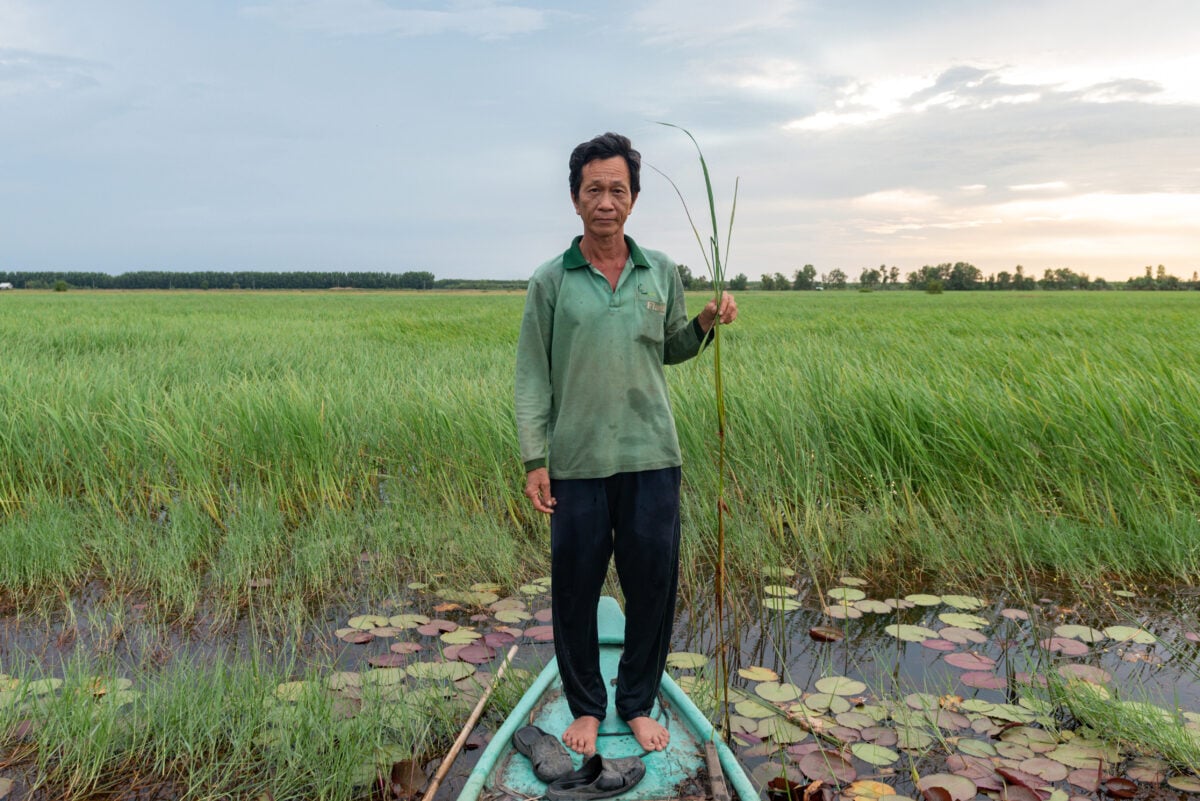
Farmer Bui Bich Tien, 52, holds a floating rice plant that grows taller than himself in his fields during the floating season in Vinh An hamlet, An Giang province, Vietnam. PHOTO: Thanh Hue
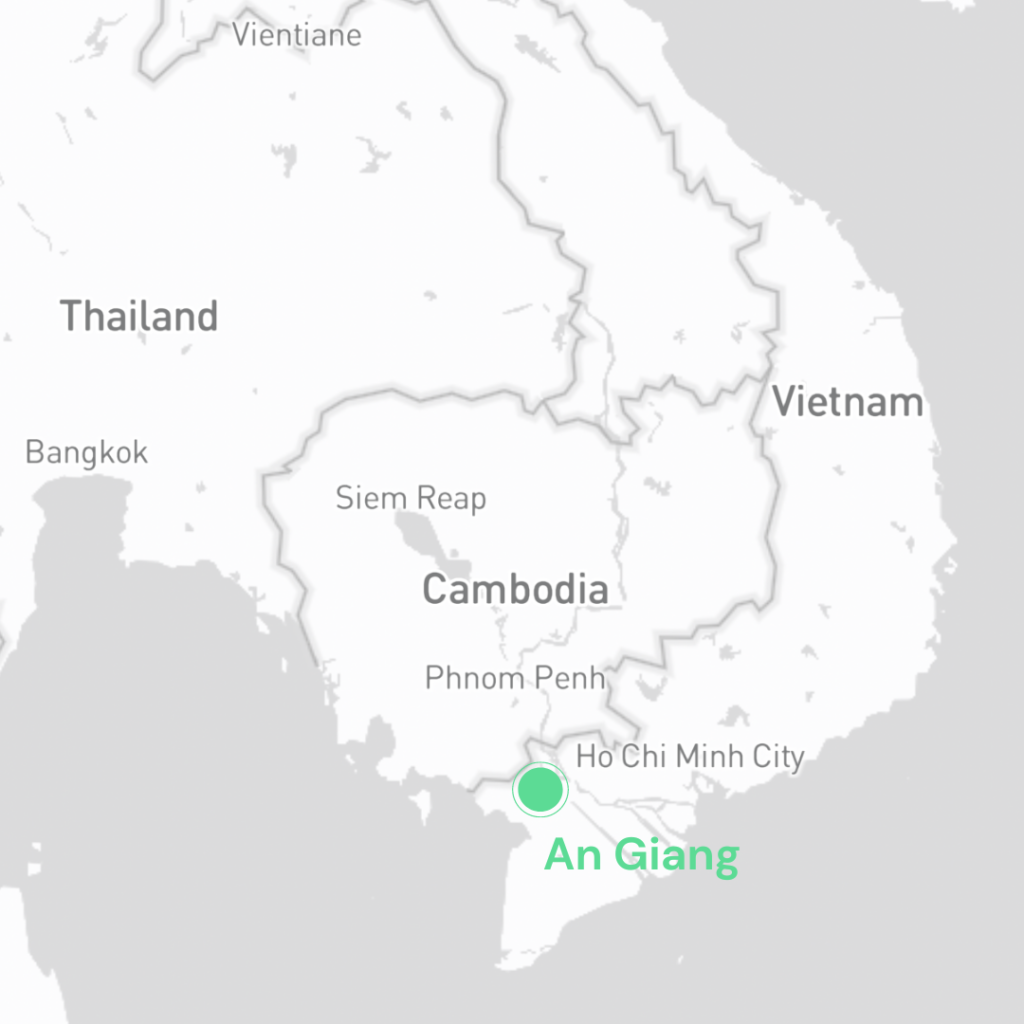
AN GIANG, VIETNAM – Before the first August rain of the flood season in Vietnam’s Mekong Delta, Bui Bich Tien started planting rice seedlings. Over the next six months, as the annual floods from upstream inundated his farmland in Vinh An hamlet, Tri Ton district in An Giang province, the rice grew with and above the rising water level.
This is no ordinary rice variety. Known as floating or deep-water rice, as the water level rises, the rice plants outgrow it, reaching up to three meters tall. It was once a staple, feeding farmers across five Mekong countries.
Tien, 52, is one of the few farmers to continue this tradition. He has been growing this species since he inherited 1.5 hectares of land in 1999.
Tiếp tục đọc “As climate changes, Mekong farmers try floating rice”

 At the end of the Vietnam War, agriculture in Vietnam employed around 75 per cent of the total workforce and produced roughly 10 million tons of rice, the country’s staple. The majority of Vietnam’s population of 50 million was significantly undernourished. Agricultural recovery was slow, blocked by the government’s collectivisation policies. Formal reform efforts through Directive 100 in 1981 partially freed up agricultural markets. They accelerated with doi moi (renovation) in 1986 and the Law on Land in 1988. The latter granted land use rights to households and stimulated a dramatic response from farmers.
 CVD
CVD 