
The mystery of COVID’s origins has reignited a contentious debate about potentially risky studies and the fuzzy terminology that describes them.
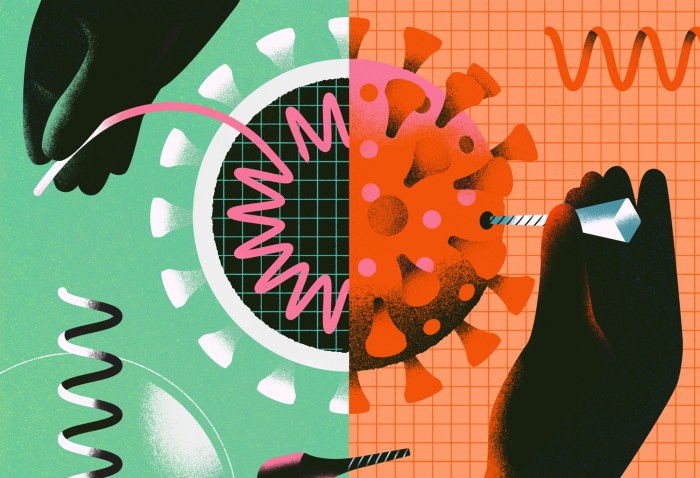
In Greek mythology, the Chimaera was a fire-breathing monster, a horrifying mishmash of lion, goat and snake that laid waste to the countryside. In 2015, virologists led by Ralph Baric at the University of North Carolina in Chapel Hill reported the creation of their own chimaera. They took a version of the coronavirus responsible for the deadly outbreak of severe acute respiratory syndrome (SARS) in the early 2000s — now known as SARS-CoV — and adorned it with surface proteins from a different coronavirus taken from Chinese horseshoe bats. In the laboratory, this particular mash-up was able to break into human cells and also make mice ill1. This chimaera came with a message: other coronaviruses have the potential to spark a human pandemic. In just a few years’ time, that warning would prove prescient, as a distant cousin of SARS-CoV has now killed more than 4.9 million people worldwide.
Tiếp tục đọc “The shifting sands of ‘gain-of-function’ research”


 CVD
CVD 