
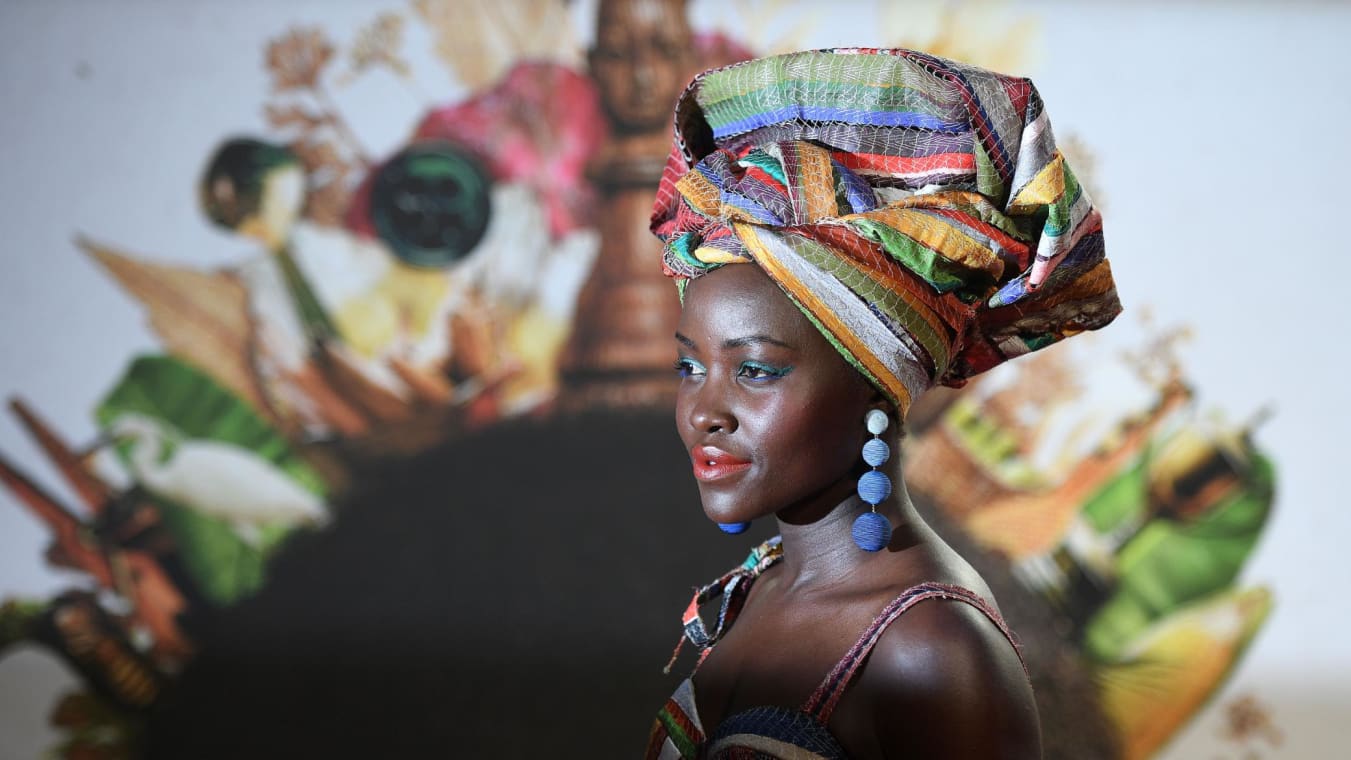
ew accessories have lived as complicated a life as the headscarf. The versatile fabric has been chosen by and impressed upon people for political, religious and practical purposes for centuries. It has been favored by revolutionaries and royalty alike. It can be either conservative or rebellious. Beyond its utilitarian origins as a source of protection from the elements, the headscarf remains at the center of contentious debate about women’s rights, identity, power and class.
In recent history, conversations about the headscarf have often centered on its use in Islam and the prejudice Muslim women have faced.
In 2013, Nazma Khan founded World Hijab Day — a day for both Muslim and non-Muslim women to experience wearing a headscarf. Celebrated on February 1, the initiative began in response to the bullying Khan, originally from Bangladesh, experienced growing up in the Bronx, New York. “In middle school, I was ‘Batman’ or ‘ninja.’ When I entered university after 9/11, I was called Osama bin laden or terrorist. It was awful,” reads a statement on the World Hijab Day’s website. “I figured the only way to end discrimination is if we ask our fellow sisters to experience hijab themselves.”
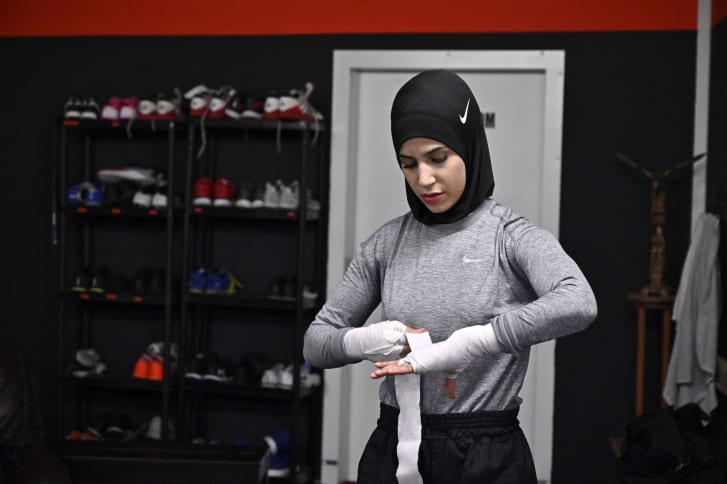
German boxer Zeina Nassar has fought to wear the hijab in the ring. Credit: Tobias Schwarz/AFP/Getty Images
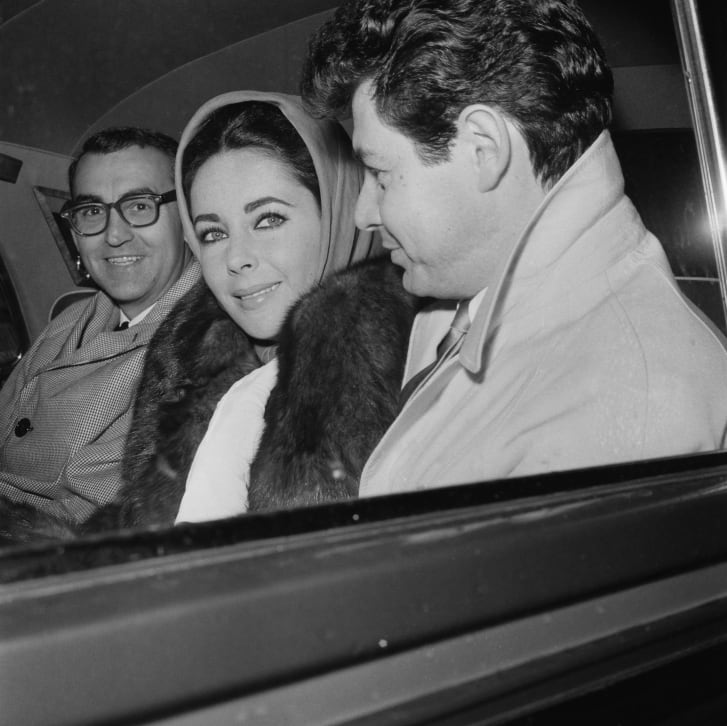
Throughout history, the headscarf has sat atop the heads of culture defining women — and men — from monarchs including Queen Victoria and Queen Elizabeth II to the daring flappers of the 1920s. Ranging from patterned prints to luxe fabrics to simple sheaths, the fashion item is wrapped in centuries of interpretation.
“There’s a reason why the (head)scarf has transcended time,” said Lynn Roberts, vice president of advertising and public relations at fashion outfitter Echo Design Group, over the phone from New York City. “When you’re wearing one, people pay attention.”
Tiếp tục đọc “Conservative, rebellious, culture-defining: A brief history of the headscarf”


 CVD
CVD 