The Lessons of Chernobyl May Be Different Than We Thought

By Ryan Faith

April 26, 2016 | 7:45 pm
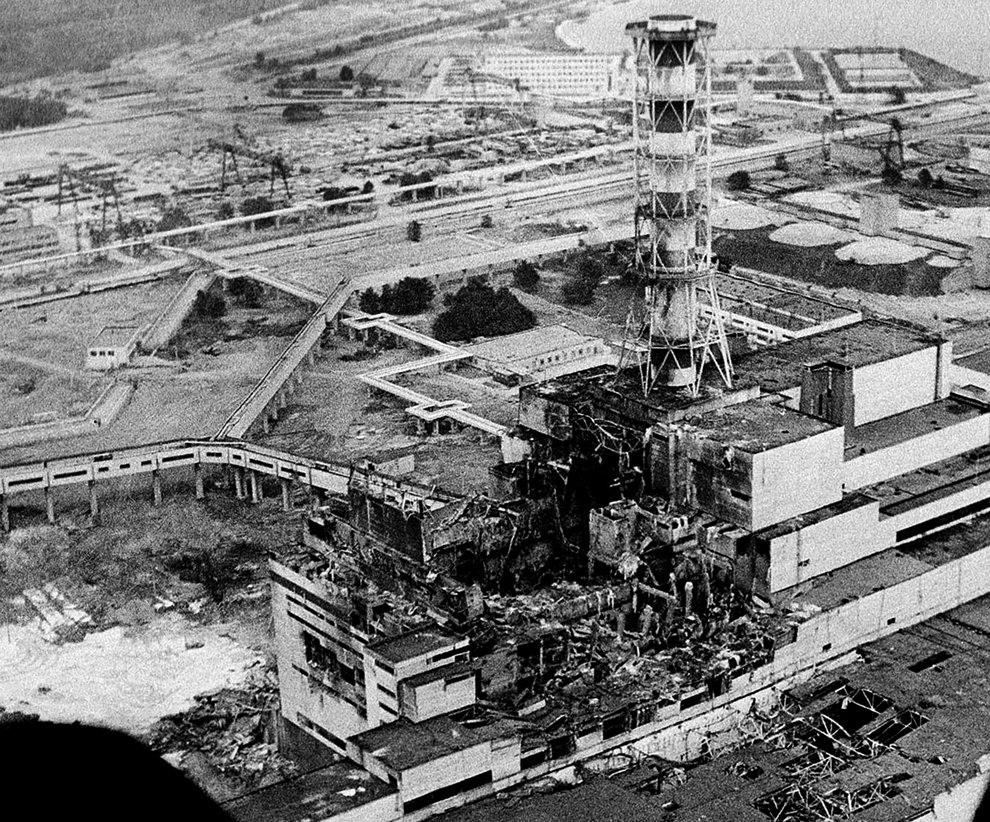
news.vice.com – Thirty years ago today, the Number 4 reactor at Chernobyl blew itself to smithereens, resulting in the worst nuclear disaster in history. A radiation cloud drifted over Europe, contaminating food sources that to this day continue to be monitored. Fifty-thousand residents in the nearby city of Pripyat were permanently evacuated. Dozens of people lost their lives.

Yet about 20 years after the disaster, an extensive two-year study led by seven UN agencies and involving the governments of Ukraine, Russia, and Belarus found that the biggest health threat from Chernobyl wasn’t the result of radiation — it was fatalism. People assumed they were going to die early due to radiation exposure, and so failed to take care of themselves as years passed. Tiếp tục đọc “The Lessons of Chernobyl May Be Different Than We Thought”

Cyber Security at Civil Nuclear Facilities: Understanding the Risks

Caroline Baylon Research Associate, Science, Technology, and Cyber Security, International Security Department
David Livingstone MBE DSC Associate Fellow, International Security
Author: Roger Brunt, Nuclear Security Consultant

Please note that Caroline Baylon is lead author on this publication.

Chathamhouse: The risk of a serious cyber attack on civil nuclear infrastructure is growing, as facilities become ever more reliant on digital systems and make increasing use of commercial ‘off-the-shelf’ software, according to a new Chatham House report.

Workers of Korea Hydro and Nuclear Power Co participate in an anti-cyber attack exercise at the Wolsong nuclear power plant in Gyeongju, South Korea. Photo by Korea Hydro and Nuclear Power Co via Getty Images.Workers at the Wolsong nuclear power plant participate in an anti-cyber attack exercise, Gyeongju, South Korea. Photo: Getty Images.

Tiếp tục đọc “Cyber Security at Civil Nuclear Facilities: Understanding the Risks”