Two sand-mining boats with dredgers extract sand from the Tra On River, only 100 meters away from the shore, in Vinh Long Province, Vietnam, February 23, 2021. Photo: Chi Hanh / Tuoi Tre
Despite facing furious opposition from local residents, a big barge equipped with dredgers is publicly extracting sand off the Tra On River in Vinh Long Province, located in Vietnam’s Mekong Delta.
The barge has mined sand on the river for a few days, residents of My An Village in the province’s Binh Minh Town, said in a report to Tuoi Tre (Youth) newspaper on Tuesday.
As witnessed by Tuoi Tre, a massive boat numbered LA-07135 appeared at the junction of the Hau River and the Tra On River.
It was accompanied by another boat with registration number BTr-7402, with a perceived load capacity of hundreds of cubic meters of sand.
With the Red River turning a surprisingly clear blue-green shade in its upstream sections, experts have blamed it on dams and polluting factories.
The Red River flowing through Lao Cai Province in February 2021 is clear and not murky. Photo by VnExpress/Pham Ngoc Trien.
For a week now, the Red River section that flows through Lao Cai Province has become so clear that there are some shallow areas towards the banks where the river bed can be seen at a depth of one meter.
The Red River, over 1,100 km long, originates in China and flows through Lao Cai, Yen Bai, Phu Tho, Vinh Phuc and Hanoi. The river section that flows through Vietnam is about 510 km long.
Nguyen Thi Lan, a resident of Lao Cai, said the water of the Red River in her town was normally a thick brown color, and if seen from afar, it looked like a pinkish strip.
“It is really strange now that the river has such a clear green shade,” she said.
Locals people swim in the Red River in 2017. Photo by VnExpress/Ngoc Thanh.
Vu Dinh Thuy, deputy director of Lao Cai’s Natural Resources and Environment Department, said this is not the first time the Red River has changed into such a color and this phenomenon has happened around this time of year for the past five years.
“Maybe the reason is that the natural alluvium that has always flowed down naturally from further upstream has been absent; and also northern Vietnam has had no rainfall this season (to muddy the waters).”
Dao Trong Tu, chairman of the Vietnam Rivers Network, also set out two possible reasons for the changes seen in the Red River.
He said a series of hydropower plants and reservoirs operated by China further upstream could have held back alluvium.
The other reason, he said, could be the pollution caused by factories operating in upstream areas and along the banks of the river.
Tu added that theory of pollution would require specific monitoring and study of the water samples to arrive at a final conclusion.Related News:
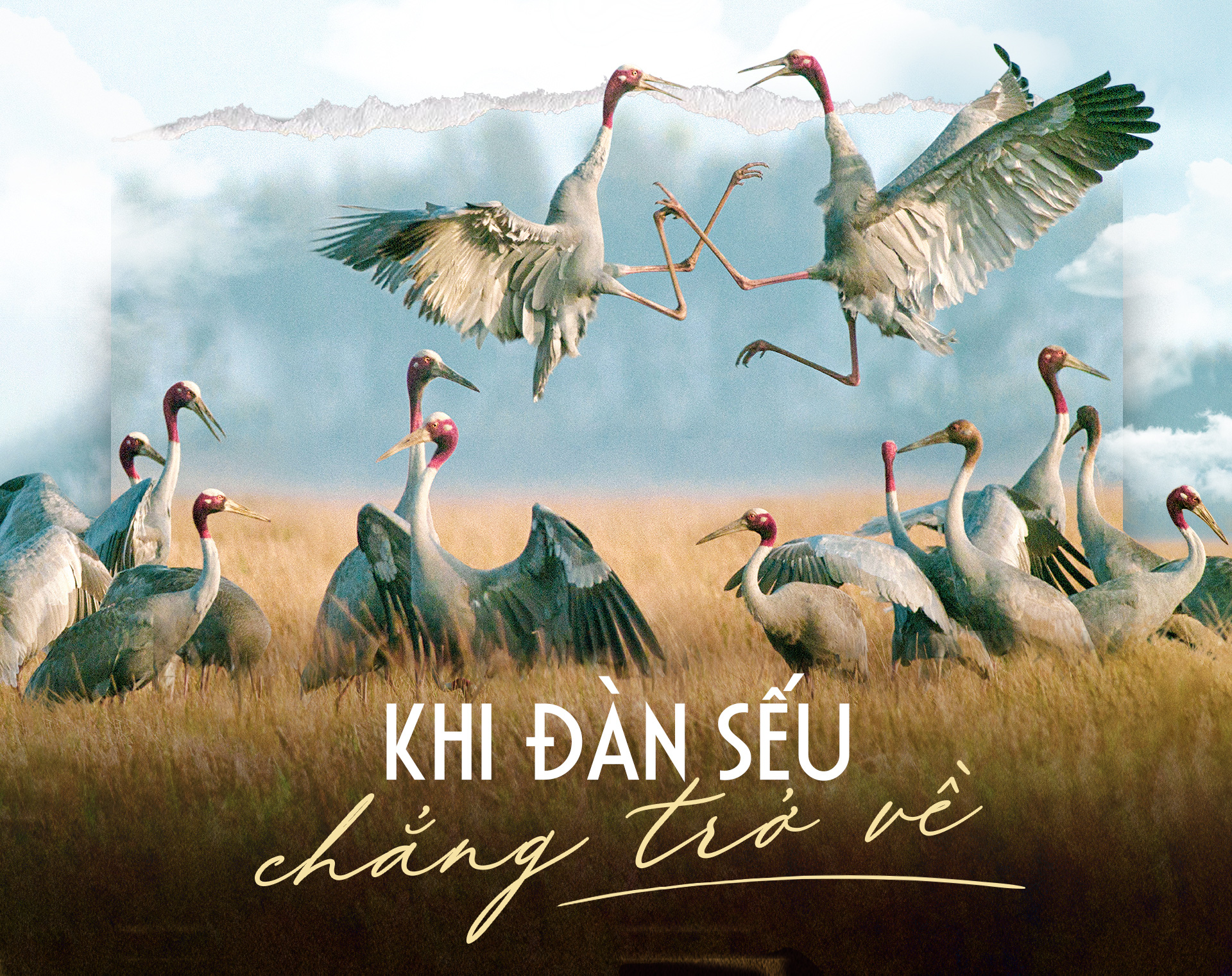
TTO – Năm 2020, lần đầu tiên Việt Nam không thấy sếu đầu đỏ bay về, trú lại tìm thức ăn. Giới khoa học quan sát và cho biết chỉ có 7 con bay qua khu vực Phú Mỹ (Kiên Giang) mà không hề đậu lại. Lý do là vì không còn chút đất lành nào cho đàn sếu trở về.
“ Buồn lắm, vẫn không thấy chúng đâu” – ông Trần Hào Hiệp, phó giám đốc Trung tâm bảo tồn và hợp tác quốc tế thuộc Vườn quốc gia (VQG) Tràm Chim, nói với tôi qua cuộc điện thoại ngày 14-12-2020, dẫu “tháng 12 là tháng chúng có thể về sớm”. Tiếp tục đọc “Khi đàn sếu chẳng trở về…”→
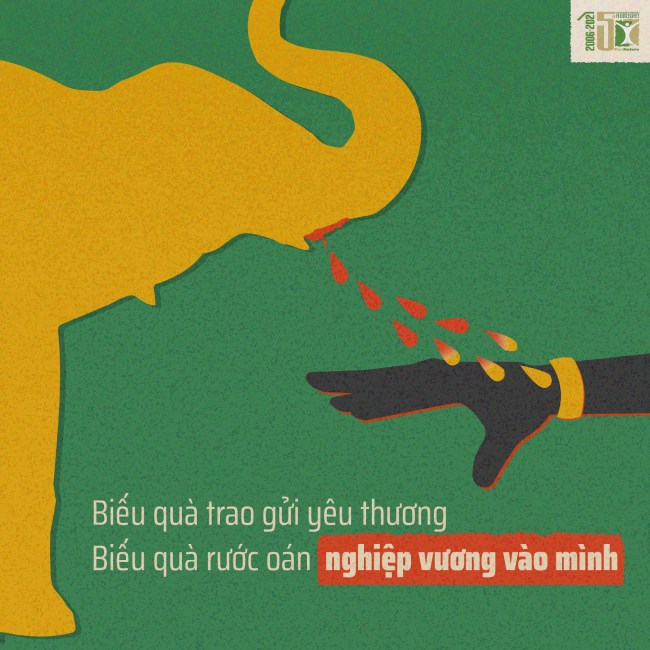
Đại dịch Covid-19, cơn ác mộng được cho là có nguồn gốc từ động vật hoang dã vẫn tiếp tục diễn biến phức tạp và chưa có dấu hiệu dừng lại. Những ngày cận kề Tết Nguyên đán, Việt Nam ghi nhận thêm nhiều ca lây nhiễm trong cộng đồng tại nhiều tỉnh, thành trên cả nước. Để bảo vệ bản thân và xã hội trước nguy cơ bùng phát dịch bệnh trên diện rộng, mỗi chúng ta hãy nêu cao cảnh giác phòng ngừa, đặc biệt là nói “KHÔNG” với những sản phẩm có nguồn gốc từ động vật hoang dã như cao hổ cốt, sừng tê giác, ngà voi, vảy tê tê, mật gấu… Dưới đây là một vài khẩu hiệu dễ nhớ, dễ áp dụng để bạn có một Năm mới đoàn viên, ấm áp và góp phần không nhỏ vào cuộc chiến bảo vệ động vật hoang dã.
Between the pandemic, rising food insecurity and poverty, and catastrophic disasters like wildfires, storms and droughts, 2020 was a year of challenges that prompted widespread calls for systemic change in how we interact with one another, with other species, and with the environment. Bringing about such changes will require transforming how we produce food and energy, how we move from one place to another, and how we define economic growth.
But it’s a lot easier to talk about transforming systems than to actually do it. Because real change is hard, we’re more likely to slip back into old habits and return to business as usual than embrace paradigm shifts.
Recognizing this limitation, World Resources Institute (WRI), a Washington, D.C.-based organization that operates in 60 countries, works across sectors by creating tools that increase transparency, create a common understanding, and provide data and analysis that enable action.
WRI’s development of these platforms and tools has grown by leaps and bounds since the early 2010s when Andrew Steer joined the organization as president and CEO from the World Bank. Steer spoke with Mongabay during a December 2020 interview.
Between the pandemic, rising food insecurity and poverty, and catastrophic disasters like wildfires, storms and droughts, 2020 was a year of challenges that prompted widespread calls for systemic change in how we interact with one another, with other species, and with the environment. Bringing about such changes will require transforming how we produce food and energy, how we move from one place to another, and how we define economic growth. But it’s a lot easier to talk about transforming systems than to actually do it. Because real change is hard, we’re more likely to slip back into old habits and return to business as usual than embrace paradigm shifts. Tiếp tục đọc “How to transform systems: The World Resources Institute Q&A with Andrew Steer”→
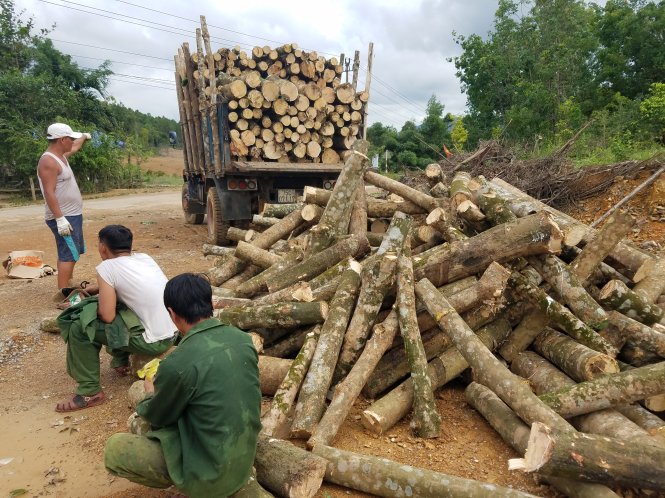
Một thời khắp các tỉnh miền Trung và Tây Nguyên ầm ầm chặt rừng để trồng cao su. Loài cây cho ra những hạt mủ từng được ví là “vàng trắng” này giúp nhiều địa phương đổi thay bộ mặt, nhưng cái giá phải trả cũng không hề nhỏ.
Thương lái thu mua cây cao su gãy đổ sau bão số 5. Ảnh: Nguyễn Đắc Thành
Phá bỏ cao su ồ ạt
Sau những trận bão, giấc mơ vàng trắng từ cây cao su tại Quảng Bình đã dần tắt. Chỉ trong 7 năm, tổng diện tích trồng cao su của tỉnh này đã giảm từ hơn 18.000ha xuống gần một nửa, chuyển qua những cây trồng khác mang lại hiệu quả kinh tế cao hơn. Câu chuyện y hệt cũng diễn ra tại tỉnh Quảng Nam. Tiếp tục đọc “Bài học cao su”→
Các chuyên gia khí tượng cho biết miền Trung mưa triền miên trong những ngày qua dẫn tới lũ lịch sử là do tác động của nhiều hình thái thời tiết nguy hiểm. Tuy nhiên, có nhiều phân tích cho rằng thiên tai tại Việt Nam hiên nay và những năm gần đây với tình hình ngày càng trầm trọng là do phá rừng và làm thủy điện.
Muốn biết rừng nguyên sinh phòng hộ bị tàn phá thế nào, chư vị cứ gõ: “Nạn phá rừng” thì Goole đáp ứng ngay. Bài viết nầy tôi có dụng ý góp phần tranh luận về cây tạo nên “Rừng phòng hộ” và “Cây công nghiệp”.
Bài viết của Giáo sư, Tiến sĩ Trần Hồng Quân cựu Bộ trưởng Bộ Đại học, Trung học chuyên nghiệp và Dạy nghề, cựu Bộ trưởng Bộ Giáo dục và Đào tạo.
RỪNG (1)
Năm 1984 tôi đi thăm khu rừng mà Đắc lắc cho trường Đại học Tây nguyên làm cơ sở nghiên cứu và thực tập cho ngành Lâm nghiệp. Đi bằng xe Jeep quân dụng. Cây rừng dầy đặc kín khung trời, toàn cây to vài người ôm không xuể. Đến một con suối, chúng tôi xuống thưởng ngoạn. Dấu chân voi rừng to đến ngạc nhiên. Tôi gang tay đo thử. Đồng chí bảo vệ người dân tộc bất ngờ ra lệnh phải lên xe. Anh lên đạn khẩu tiểu liên cầm theo. Có mùi khét của hổ. Con suối là nơi nhiều thú rừng đến uống nước. Kể cũng hơi sợ nhưng thấy rừng mà mê.
Climate change is one of the biggest challenges that the world faces. A United Nations report has cautioned that greenhouse gas emissions due to human activity are at a record high, “with no signs of slowing down.” Many nations are recording weather extremes, higher average temperatures and rising seas. Meanwhile, the first wave of increasing numbers of climate refugees points to how a changing environment will reshape human life.
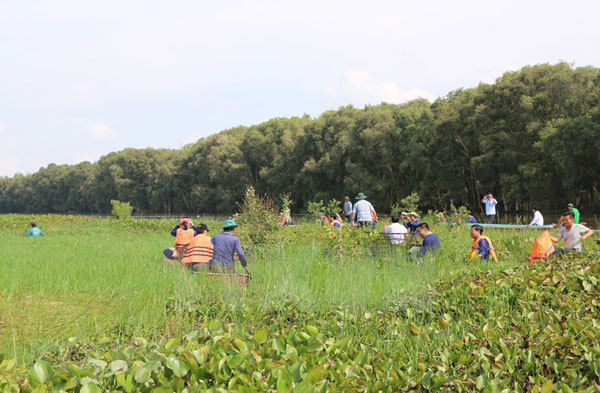
Besides contemplating the beauty of nature in Tram Chim National Park in Dong Thap Province, visitors to the park can also experience a day in life of farmers in the west of Vietnam.
Tourists visiting Tram Chim National Park in Dong Thap Province experience fishermen’s life. Photos: VNA
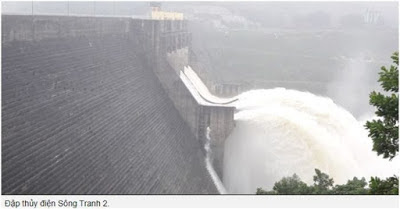
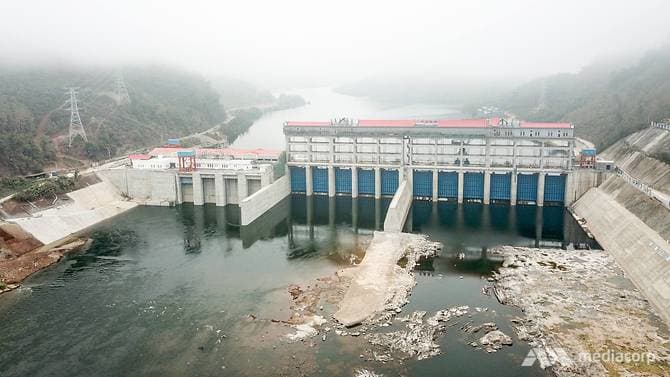
If there were no hydroelectric dams, floods would still occur, even at a higher level. In many cases, without hydropower reservoirs, floods would be more serious.
VietNamNet introduces an article by Assoc. Prof. Dr. Vu Thanh Ca, lecturer at the Hanoi University of Natural Resources and Environment, and former Director of the Institute for Marine and Island Studies under the Vietnam Administration of Sea and Islands.
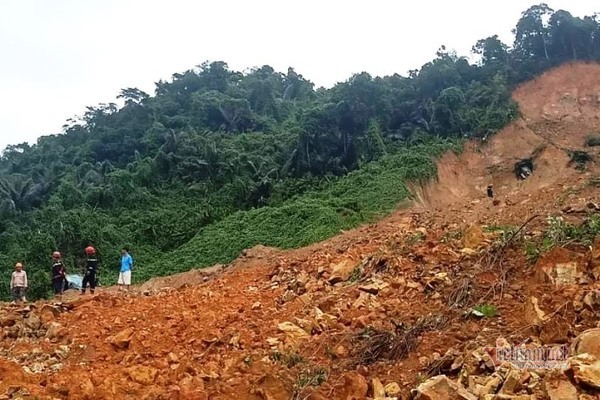
Half of a landslide hill buries the operating office of Rao Trang 3 hydropower plant in the central province of Thua Thien – Hue.
I taught river environmental engineering at Saitama University in Japan for six years. In 1995, Mr. Phan Van Khai (Deputy Prime Minister at that time) visited Japan and he was impressed by anti-landslide works in Japan.
TheLEADER – Trong bức tranh nhiều màu sáng tối của quy hoạch TP. HCM, có thể nói công trình cải tạo kênh Nhiêu Lộc – Thị Nghè là điểm sáng lớn nhất đáng ghi nhận.
Ông Phan Xuân Anh (bên phải) và ông Nguyễn Văn Mỹ (Chủ tịch Lửa Việt Tours) cùng đoàn khách du lịch trong một tour trên kênh Nhiêu Lộc – Thị Nghè. Ảnh Việt Linh
Nhà tôi ngay cạnh dòng kênh Nhiêu Lộc, mỗi ngày đi qua dòng nước mát lành trong vời vợi, cảm giác như trở lại ngày xưa, thèm biết bao được trốn học đi chơi.
Dòng kênh chứng kiến bao cuộc đổi đời của từng phận người, từng vùng đất ấy dường như mình đã thuộc nằm lòng từng mảng cỏ xanh, từng quán cóc bên đường mỗi chiều thả bước dạo chơi.





%20v%C3%A0%20%C3%B4ng%20Nguy%E1%BB%85n%20V%C4%83n%20M%E1%BB%B9%20ch%E1%BB%A7%20t%E1%BB%8Bch%20L%E1%BB%ADa%20Vi%E1%BB%87t%20%C4%91ang%20k%E1%BB%83%20c%C3%A2u%20chuy%E1%BB%87n%20v%E1%BB%81%20m%E1%BB%99t%20d%C3%B2ng%20k%C3%AAnh.jpg)
 CVD
CVD