Climate migrants are earning more. Why are their kids dropping out?

mekongeye.com By Võ Kiều Bảo Uyên 18 August 2025 at 16:13

Childcare, red tape and separation from parents stand in the way of school for children of millions of Mekong Delta migrants

HO CHI MINH CITY, VIET NAM – In a 12-square-meter rented apartment lined with pink Hello Kitty wallpaper, Thúy Hằng, 37, continually ponders whether to bring her six-year-old daughter from the rural Mekong Delta to the city.

Hằng works at an Adidas supplier factory and her husband at a wood processing factory. The couple left their two daughters with the grandparents in Đồng Tháp province, when the girls were only infants.

Source: Mapbox

For years, Hằng has dreamed of reuniting with her children. She decorated the room, inquired about schools and had the funds ready, but could not figure out childcare. The couple work until 7-8pm, and public schools close at 4:30pm.

In the past decade, more than one million people have left the Mekong Delta for industrial zones in Ho Chi Minh City – as the region faces mounting environmental stress.

Once considered Viet Nam’s rice bowl, the delta now grapples with sediment loss, saltwater intrusion and soil erosion – the results of upstream dams, rampant sand mining and climate change.

Tiếp tục đọc “Climate migrants are earning more. Why are their kids dropping out?”

Is Cambodia serious about ending organized cyberscams?

DW.com

Cambodia’s central bank has reportedly revoked the banking license of a conglomerate accused of illicit online activities. But doubts abound about Phnom Penh’s commitment to taking action against cyberfraud networks.

A symbolic image of cybercrime, a person typing on a keyboard
Southeast Asia’s vast cyber scam industry exploded during the COVID-19 pandemic when many of the region’s illegal casino operators turned to online fraudImage: allOver-MEV/IMAGO

The banking arm of a Cambodia-based conglomerate accused of running the world’s “largest ever illicit online marketplace” has had its banking license revoked by the Cambodia’s central bank, Radio Free Asia reported last week.  

Huione Guarantee, the Telegram marketplace of Huione Group, has reportedly processed up to €22 billion ($24 billion) in illicit transactions since 2021, making it by far the world’s largest illegal online marketplace, cryptocurrency compliance firm Elliptic reported last year.

Huione Pay, the group’s banking arm, had its license withdrawn because of noncompliance with “existing regulations and recommendations that may have been made by the regulators,” a National Bank of Cambodia spokesperson told Radio Free Asia, a US Congress-funded media outlet.

Hub for cyberscams

Tiếp tục đọc “Is Cambodia serious about ending organized cyberscams?”

China and Cambodia ink deal for massive canal project that has raised environmental concerns

thestar.com

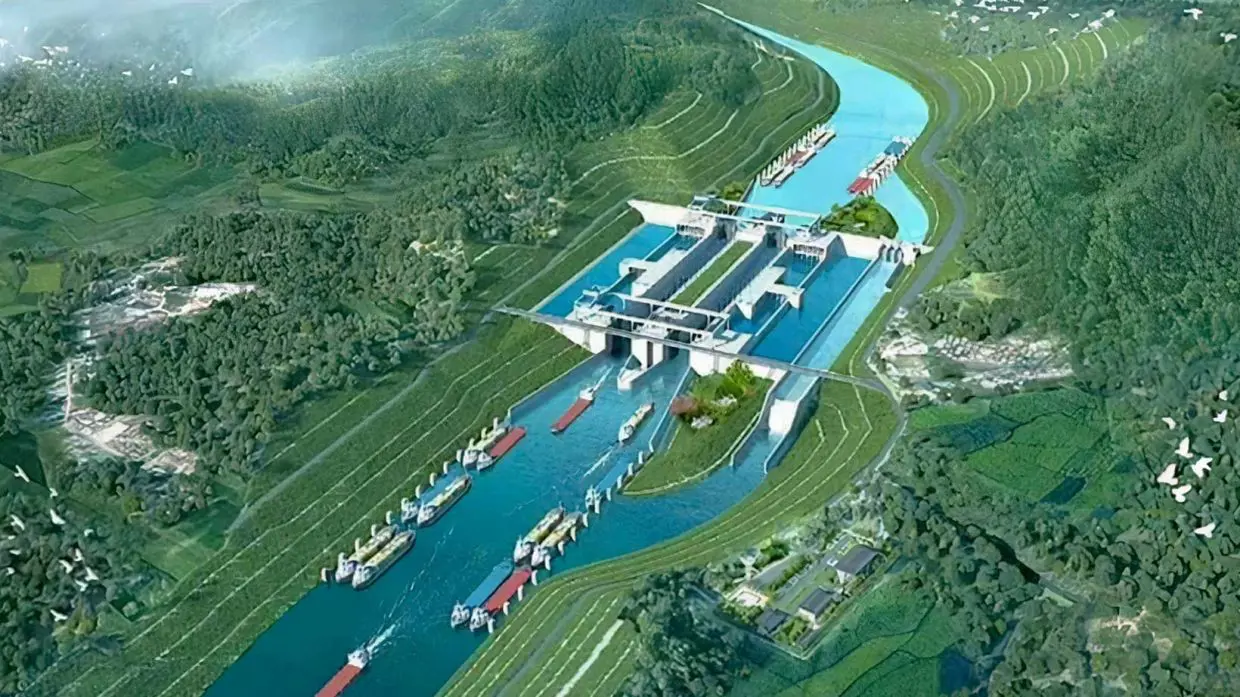
PHNOM PENH, Cambodia (AP): Cambodia and China have signed a US$1.2 billion deal to finance an ambitious canal project that aims to boost trade efficiency by linking a branch of the Mekong River near Phnom Penh to a port on the Gulf of Thailand, the Cambodian government agency heading the project has announced,

The deal to fund the Funan Techo Canal was signed Thursday during the state visit to Cambodia of Chinese President Xi Jinping, the agency said in a news release. Xi returned home Friday after a three-nation Southeast Asian tour that also included Vietnam and Malaysia.

Tiếp tục đọc “China and Cambodia ink deal for massive canal project that has raised environmental concerns”

Plastic is choking the Mekong River

themekongeye.com By Anton L. Delgado 20 January 2025 at 10:54

Plastic is now ubiquitous in the Mekong, Asia’s Mother of Rivers, and experts and local people are struggling to contain the risks to human health, biodiversity and livelihoods

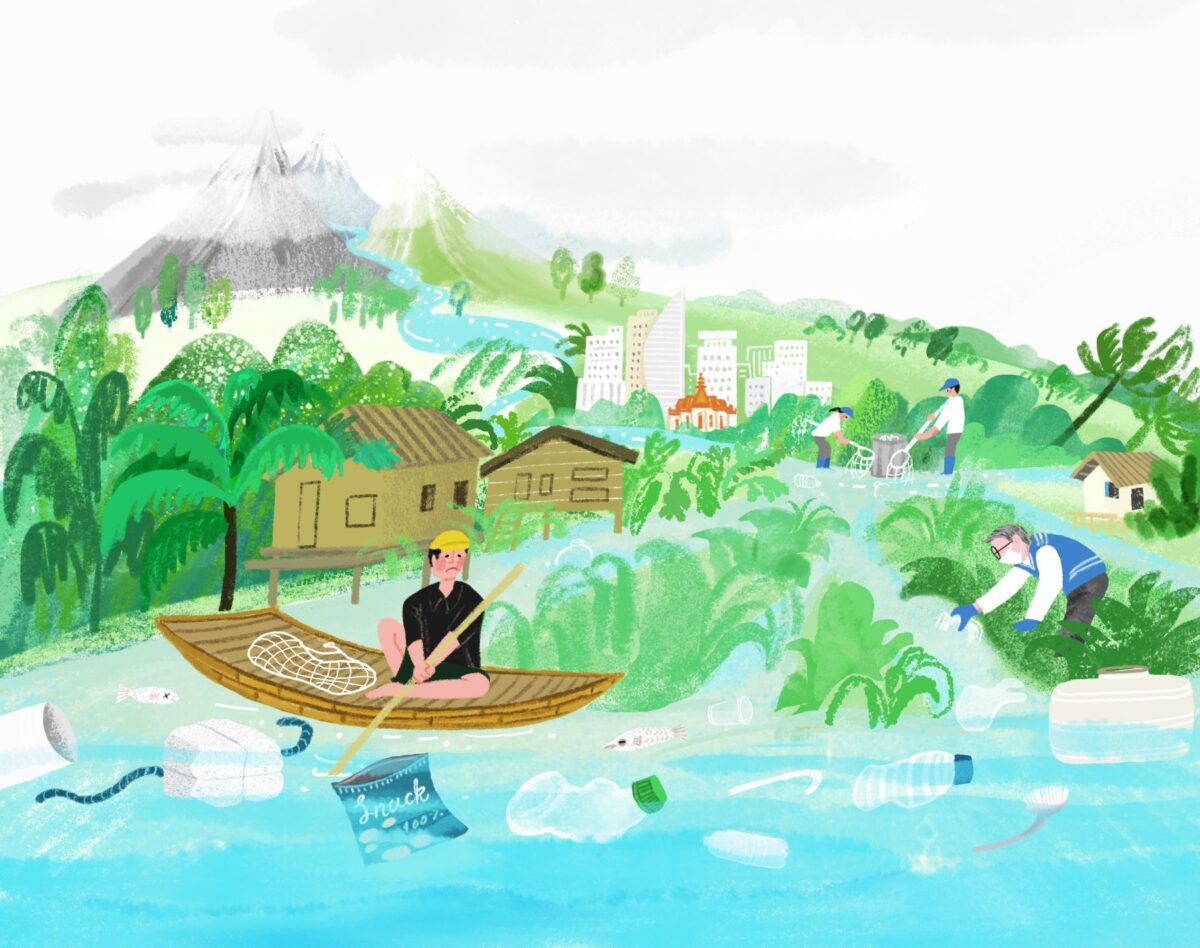
ILLUSTRATION: Sunhee Park / Dialogue Earth

On Sơn Island in Viet Nam’s Mekong Delta, Le Trung Tin scatters fish feed into his ponds, where dozens of snakehead fish leap through the surface in synchronized bursts. “I taught them how to do that,” he says proudly, tossing another handful of feed at his fish.

The scene looks idyllic, but Le’s fish farm is a reluctant response to an escalating crisis. For decades, he made his living fishing the Hậu River, a distributary of the Mekong. But in recent years, plastic waste clogged his nets and strangled the fish. “I had no choice but to stop,” he says. “Everything was tangled – trash, nets, even the fish themselves. It was hopeless.”

Now, Le relies on enclosed ponds using filtered water to keep his fish alive. “I built this ecological environment free of plastic waste, chemical spills and [protected it from] extreme weather,” he says.

https://player.vimeo.com/video/1037846174?dnt=1&app_id=122963VIDEO: Anton L. Delgado/Dialogue Earth

Le’s experience reflects the wider challenges facing the Mekong. Stretching over 4,300 kilometres from the Tibetan Plateau to the South China Sea, the river supports nearly 70 million people and some of the world’s most biodiverse ecosystems. Yet, it is one of the most plastic-polluted rivers in the world and among the 10 rivers in Asia that carry the vast majority of plastic to the sea. The Mekong dumps – by some estimates – tens of thousands of tonnes each year into the ocean, with plastic waste accumulating along its banks, tributaries and lakes.

Plastic enters the Mekong in myriad ways – agricultural runoff, unregulated dumping and a flood of single-use packaging from upstream countries like China and Myanmar. It accumulates in hotspots like Tonle Sap Lake in Cambodia and the wetlands of Vietnam’s Mekong Delta, where this plastic waste threatens biodiversity, food security and human health.

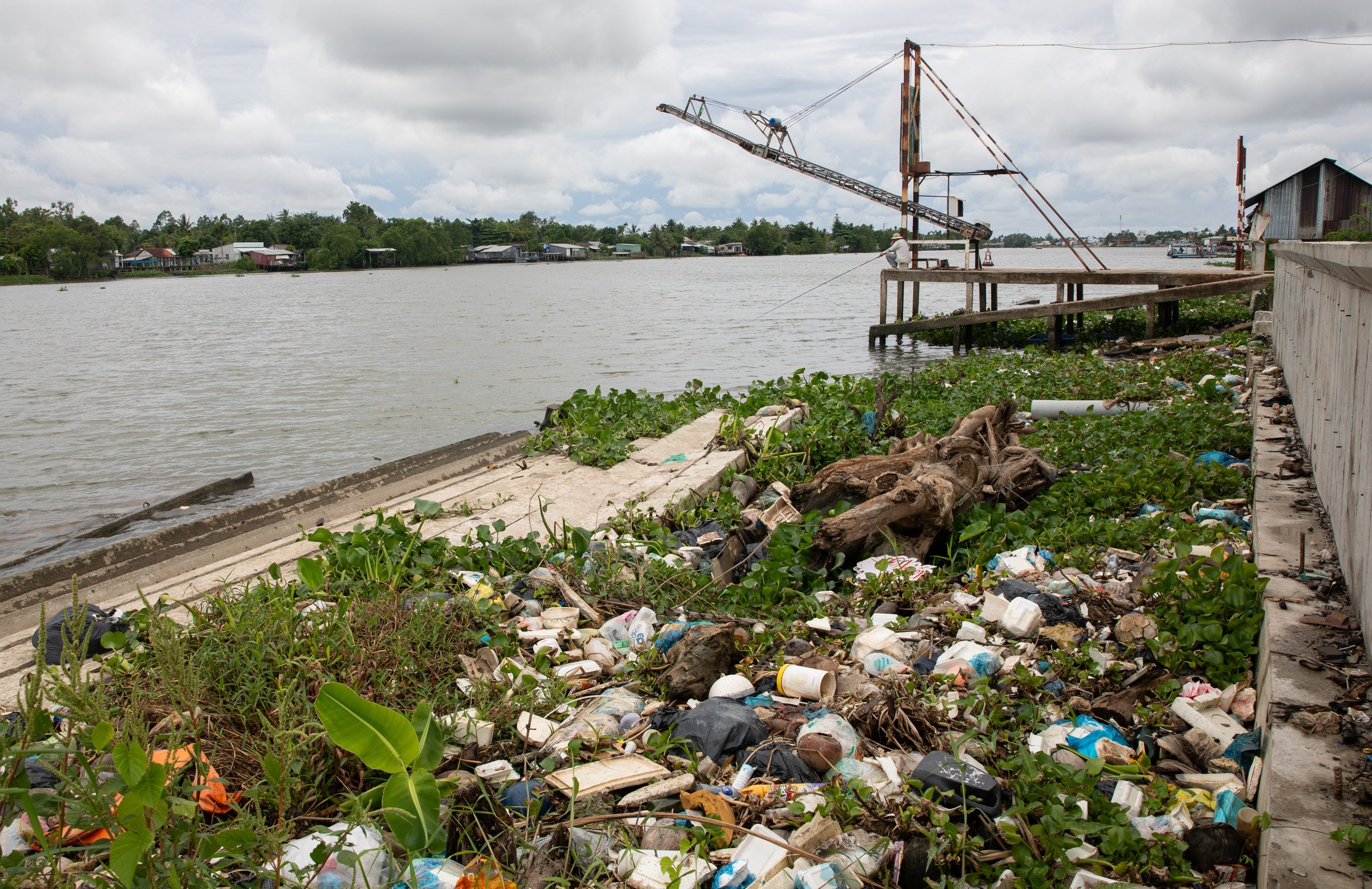
Plastics and other waste scattered along the riverbank
Plastics and other waste accumulate along the riverbank near the city of Can Tho in Vietnam’s Mekong Delta region. PHOTO: Anton L. Delgado / Dialogue Earth

Tiếp tục đọc “Plastic is choking the Mekong River”

Watergrabbing A Story of Water

Al Jazeera

Historically the source of many conflicts, water grabbing is the control and theft of water resources by the powerful, often at the expense of local populations and ecosystems. It can result in dispossession, displacement and ecological destruction.

In an age of dwindling resources and climate change, water is increasingly being privatised.

It is now 24 years since the United Nations designated March 22 as World Water Day.

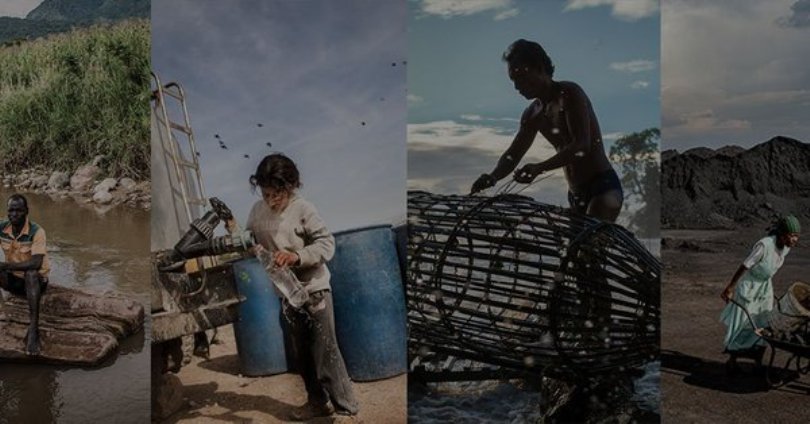
Al Jazeera looks at water grabbing in four parts of the globe, including large-scale damming in the Omo Valley in Ethiopia, the mining industry in South Africa, inequitable water practices in Palestine/Israel and the impact of dams on people living along the Mekong River in southeast Asia.

Tiếp tục đọc “Watergrabbing A Story of Water”

MÔI TRƯỜNG VÀ CON NGƯỜI Ở MIỀN SÔNG TIỀN, SÔNG HẬU – GS. THÁI CÔNG TỤNG

Friday, December 9, 2016 Mekong-Cuu Long

  1. Nhập đề

Ngày nay, với thế kỷ 21, nhiều vấn đề môi sinh được đặt ra, vì dân số tăng, vì ô nhiễm, vì tài nguyên thiên nhiên thì có hạn mà sự tiêu thụ thì vô hạn; mãi đến những năm cuối cùng của thế kỷ 20, vào năm 1992, nhiều xứ họp tại  Rio ký bản thoả ước về bảo vệ tài nguyên trên trái đất, rồi đến hiệp ước Kyoto về giới hạn các sự phát thải các khí  trên bầu trời … Dĩ nhiên các đề tài  của những năm cuối thế kỷ 20 sẽ là tiền đề cho các cuộc thảo luận và thực thi để bảo vệ ngôi nhà chung của thế giới tránh khỏi các phá hủy môi sinh như phá rừng, nạn nhân mãn, thiên tai, sự liên hệ môi sinh và sức khoẻ, sự trở về thiên nhiên nối tâm linh vào khoa học.  Tiếp tục đọc “MÔI TRƯỜNG VÀ CON NGƯỜI Ở MIỀN SÔNG TIỀN, SÔNG HẬU – GS. THÁI CÔNG TỤNG”

Cửu Long có phải là 9 Rồng?

Mekong-Cuu Long Dec. 9, 2016

“BÁO VĂN HÓA-CALIFORNIA” THỨ  TƯ 02 MAR  2016

Sông Cửu Long ( người Âu Mỹ gọi là Mê Kông ) là một trong những con sông lớn nhất trên thế giới. Xuất phát từ vùng núi cao tỉnh Thanh Hải ( Trung Quốc), băng qua Tây Tạng theo suốt chiều dài tỉnh Vân Nam, qua các nước Myanma,Thái Lan, Lào, Campuchia trước khi đổ vào miền Nam Việt Nam. Tiếp tục đọc “Cửu Long có phải là 9 Rồng?”

A Nation, Building

by JOHN S. ROSENBERG

MAY-JUNE 2014

Hanoi’s streets (in 2007, above) are now full of motorcycles and scooters, and shop shelves are no longer bare.

Hanoi’s streets (in 2007, above) are now full of motorcycles and scooters, and shop shelves are no longer bare. Photograph by Chau Doan/Getty Images

harvardmagazine A RECENT Monday morning, during a class on global trade, the professor reviewed the effects of nations’ limits on such commerce: tariffs, quotas, and the “voluntary” restraints exporting countries impose on their shipments to eager customers (lest protected interests in the importing area wilt). His students, arrayed in a teaching amphitheater laid out like the classrooms at Harvard Business School (HBS)—complete with laminated placards bearing each Tiếp tục đọc “A Nation, Building”