As the name suggests, liquefied natural gas (LNG) involves turning gas into liquid form — a process known as liquefaction. Liquefaction does not alter the chemical makeup of gas, which is comprised of mostly methane plus varying amounts of different impurities, but it does make it denser. This enables ships and other carriers to move more gas over oceans between locations that lack direct pipeline connectivity.
Trong bối cảnh thế giới đang nỗ lực giảm phát thải khí nhà kính và chuyển dịch sang nền kinh tế carbon thấp, khí thiên nhiên hóa lỏng (LNG) thường được nhắc đến như một “nhiên liệu chuyển tiếp sạch”, thay thế cho than đá và dầu mỏ trong sản xuất điện. Tuy nhiên, mức độ “sạch” của LNG vẫn là một câu hỏi gây tranh cãi, không chỉ vì những con số phát thải CO₂ thấp hơn khi đốt, mà còn bởi các tác động khí hậu tiềm ẩn từ toàn bộ chuỗi cung ứng – đặc biệt là rò rỉ khí metan. Bài viết này sẽ phân tích toàn diện các khía cạnh phát thải của LNG so với các nhiên liệu hóa thạch khác, dựa trên đánh giá vòng đời khí thải (LCA), nhằm đưa ra góc nhìn cân bằng và thận trọng về vai trò thực sự của LNG trong quá trình chuyển đổi năng lượng.
1. Phát thải khí nhà kính: LNG so với than đá và dầu mỏ
Các nhà máy điện tuabin khí sử dụng LNG thải ra khí nhà kính (chủ yếu là CO₂) ít hơn đáng kể so với các nhà máy điện than và dầu, nếu xét trên mỗi kWh điện sản xuất. Theo ước tính trung bình của IPCC, một nhà máy điện chạy khí thiên nhiên phát thải khoảng 490 g CO₂ tương đương mỗi kWh, trong khi con số này với than đá khoảng 820 g CO₂e/kWh và dầu nhiên liệu khoảng 600 g CO₂e/kWh. Sự khác biệt này chủ yếu do khí tự nhiên có tỷ lệ hydro/carbon cao hơn, cho hiệu suất đốt cao và sinh ít CO₂ hơn so với than và dầu cho cùng một lượng nhiệt năng.
In the early 2010s, the coal industry attracted a large wave of investment, banking on surging coal imports from China and India.
When this growth didn’t materialise, coal oversupply and depressed prices sent major companies bankrupt with significant value destruction for shareholders.
The LNG industry risks repeating the coal industry’s mistakes, as investment levels outstrip future demand, with potentially more severe consequences for the capital-intensive industry.
Peddling a ‘supercycle’ for coal in the 2010s
In the early 2010s, the coal industry was on the rise. Global trade had tripled between 1990 and 2011, with the 2000s experiencing “the largest growth in coal demand in history – greater than the previous four decades combined”. This growth was expected to accelerate after China and India entered the global coal import market (Figure 1). Between 2011 and 2012, global coal imports increased by 13% and coal prices doubled (Figure 2).
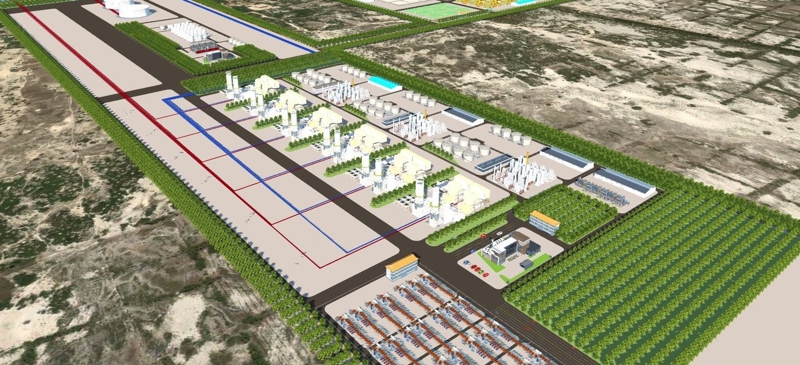
Không có nhà đầu tư nào nộp hồ sơ dự thầu cho Dự án Nhà máy Nhiệt điện LNG Nghi Sơn tính đến thời điểm đóng thầu ngày 19/6/2025, Ban Quản lý Khu kinh tế Nghi Sơn và các Khu công nghiệp tỉnh Thanh Hóa đã quyết định gia hạn thời gian lựa chọn nhà đầu tư theo quy định mới của Chính phủ.
Ảnh minh hoạ
Theo ông Nguyễn Anh Tuấn, Phó Trưởng ban Quản lý Khu kinh tế Nghi Sơn và các khu công nghiệp tỉnh Thanh Hóa, thời điểm đóng thầu lựa chọn nhà đầu tư Dự án Nhà máy Nhiệt điện LNG Nghi Sơn là ngày 19/6/2025 nhưng không có nhà đầu tư nào nộp hồ sơ dự thầu. Ngay sau đó, bên mời thầu đã thực hiện gia hạn thời điểm đóng/mở thầu theo đúng quy định tại Nghị định số 115/2024/NĐ-CP của Chính phủ.
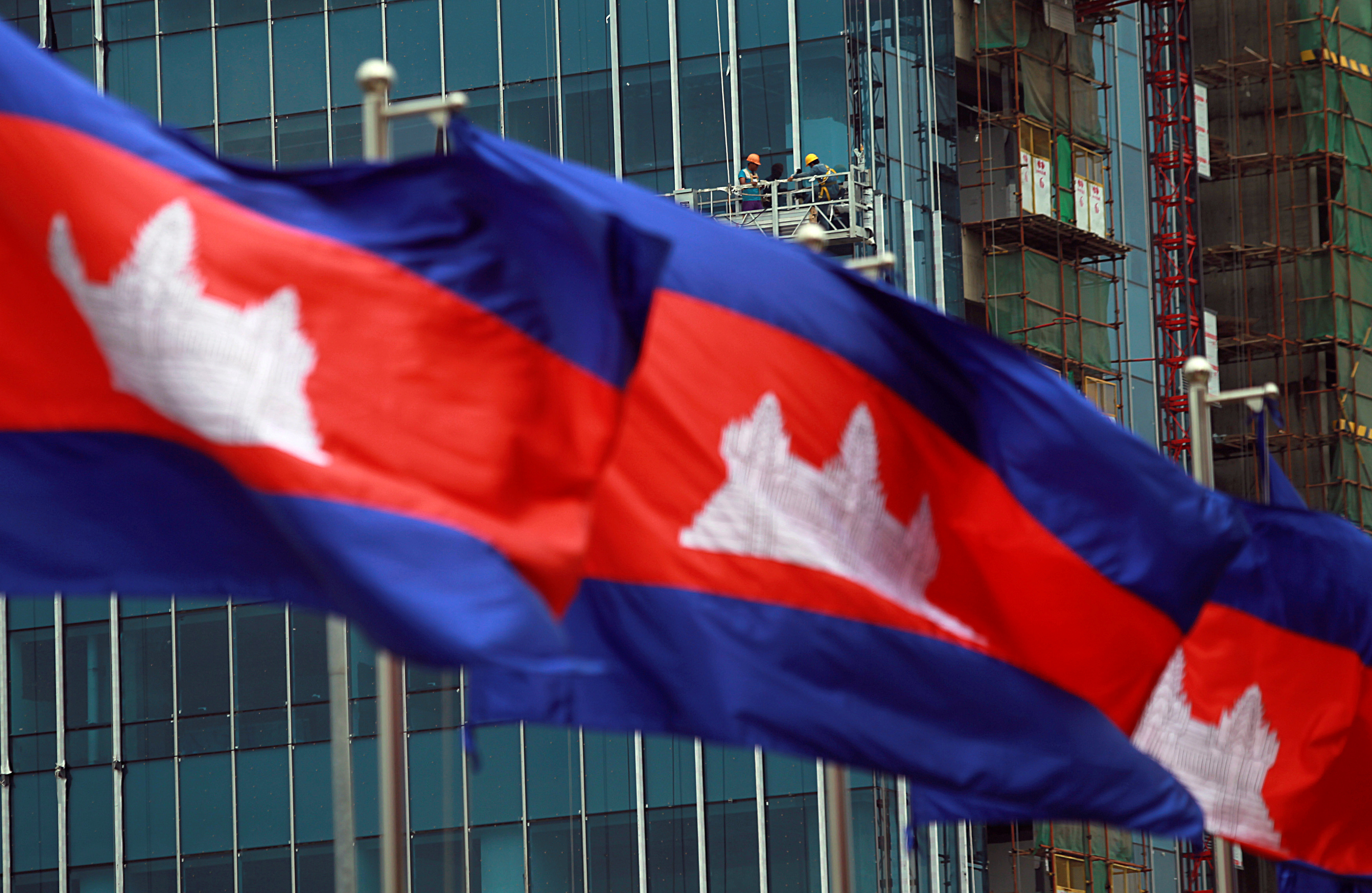
SINGAPORE, Nov 29 (Reuters) – Cambodia has abandoned plans to build a $1.5 billion 700 megawatt (MW) coal-fired power project in a protected reserve along the southwestern coast and will build an 800 MW natural-gas fired plant instead, its energy minister told Reuters.
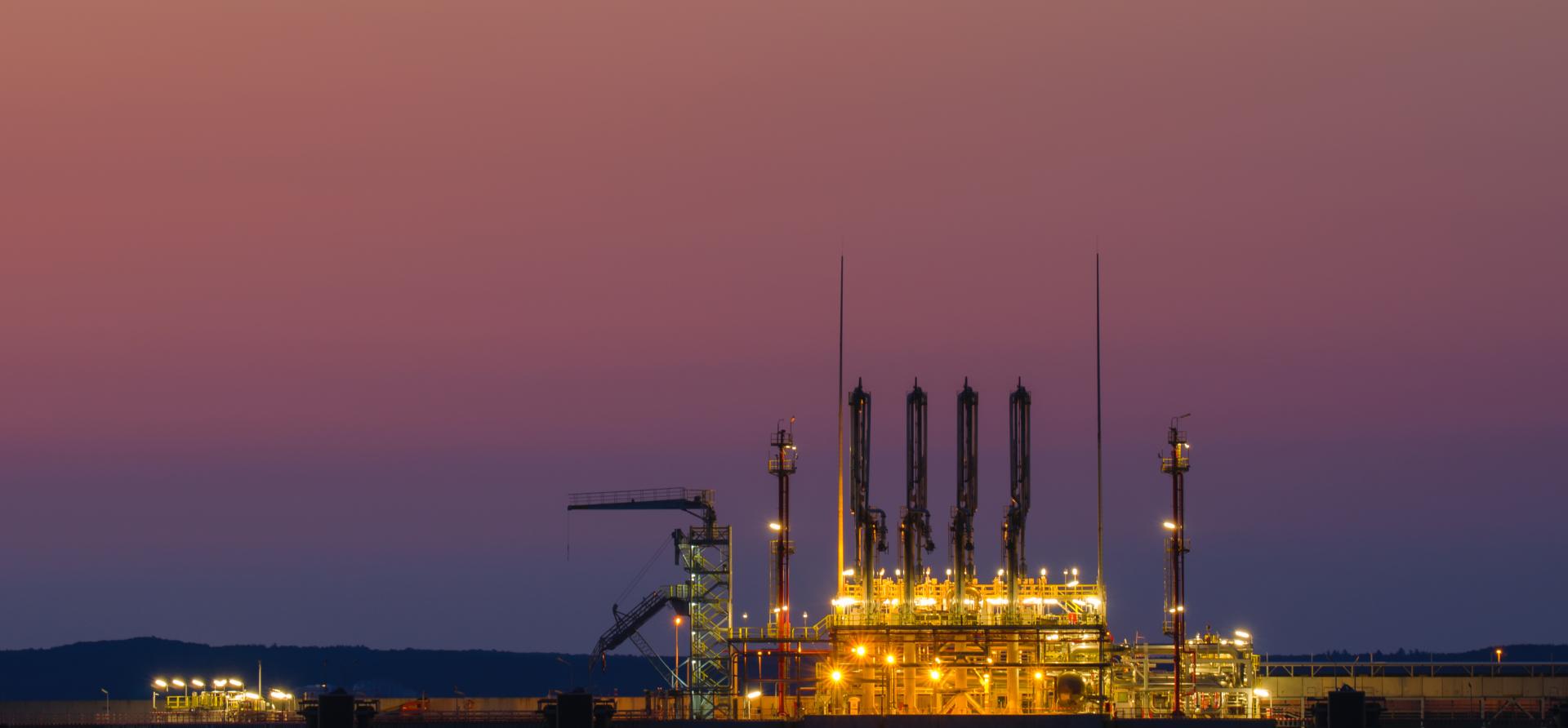
As part of the project, Cambodia is exploring construction of a liquefied natural gas (LNG) terminal to import the super-chilled fuel and re-gasify it for use in the power plant, Energy Minister Keo Rottanak told Reuters.
The planned LNG terminal, likely to be a fixed land-based facility, would be Cambodia’s first and would make it a new import market in Southeast Asia. Vietnam and the Philippines took their first shipments this year.
“The Cambodian Prime Minister Hun Manet will announce on Nov. 30 the cancellation of the 700 MW coal power plant project in Koh Kong and the plan to replace it with an 800 MW LNG to be commissioned after 2030,” Rottanak told Reuters.
In just over half a century, the liquefied natural gas (LNG) industry has radically transformed from its nascent stages into a globally traded energy source. LNG trade has quadrupled over the past two decades and is poised to double again in the next 20 years.
While LNG trade is becoming more liquid and inclusive, it remains disproportionately concentrated in production and consumption. Three countries – Japan, China, and South Korea – accounted for half of the world’s total LNG imports in 2022. Meanwhile, another three – Qatar, Australia, and the United States – commanded a staggering 65% of global exports. Despite this stark concentration, the sector is interdependent, and supply disruptions in one corner of the globe can send shockwaves across the entire market.
The Philippines spent nearly US$90 million on its first two shipments of liquefied natural gas (LNG). The price tag for just two cargoes should be a warning sign for the exorbitant LNG import bills to come.
The Department of Energy’s draft circular aiming to make the country “a major player” in Asia “through the development and operation of LNG facilities” could increase the country’s dependence on one of the most expensive fuels available.
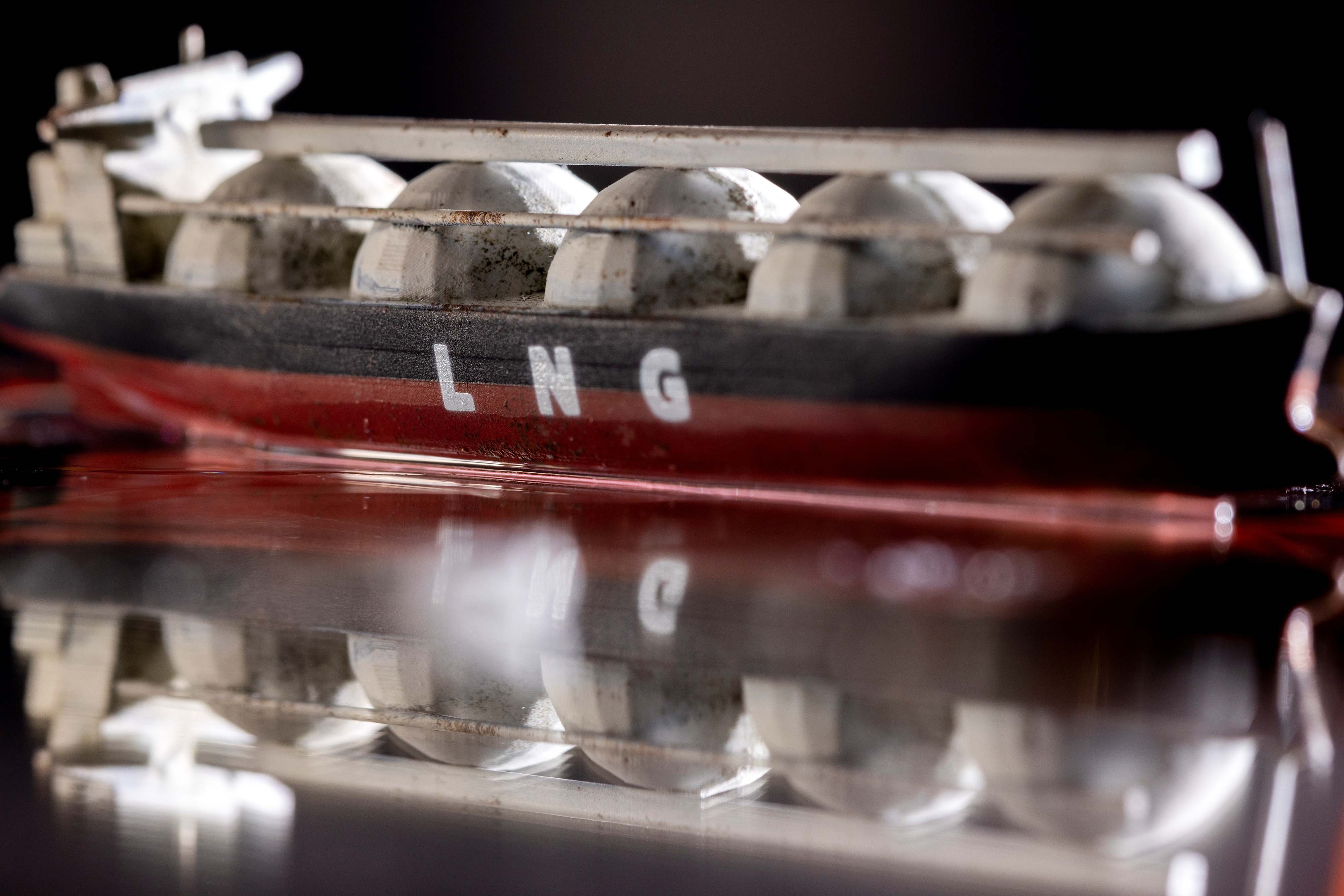
Model of LNG tanker is seen in this illustration taken May 19, 2022. REUTERS/Dado Ruvic/Illustration/File Photo
Electricity-hungry Vietnam looks to become LNG importer
First plant fuelled from imported gas unlikely pre-2026
Investors, Hanoi at odds over volumes, price of power sales
Bold plans exposed to volatile LNG prices as demand grows
HANOI, July 17 (Reuters) – Vietnam received its first shipment of liquefied natural gas this month, a milestone for the energy-hungry country, but various hurdles mean it could take years for imported gas to ease the country’s long-running power shortages.
Disagreement over pricing, plant construction delays and lack of supply contracts are dogging the Southeast Asian manufacturing hub’s adoption of LNG, hampering its ambitions to make imported gas a major fuel, industry insiders say.
Vietnam’s urgent need to boost electricity supply, laid bare by recent rolling blackouts, has raised concerns among foreign investors about whether Vietnam can remain a reliable option to diversify manufacturing away from China.
Half the businesses in a June poll by the European Chamber of Commerce in Vietnam said the power crisis had hurt investment plans. Some were considering alternatives or pausing spending on factories.
One of the major investors in Australian LNG, INPEX, has recently suggested that the country is quietly
quitting the LNG business. This is in the context of increasing government regulation, including the
possibility of gas intended for LNG projects being diverted into the domestic market. The federal
government has responded by reassuring major buyers that Australia will continue to be a reliable LNG
supplier.
However, there are a number of fundamental challenges for the government in living up to its promise.
First, Australian gas reserves are not being replaced, with some important legacy gas fields reaching
the end of their lives. This includes both LNG and domestic gas fields. This leads to the possibility that
shortfalls in the domestic market will have to be met by diversions from LNG projects that also face gas
supply challenges. Second, the LNG projects are significant CO2 emitters and many Australian gas
fields, including those with the potential to backfill LNG, contain significant volumes of CO2. The new
federal government has adopted more ambitious emissions reduction targets. Third, coal-fired
generation is being closed faster than it can be replaced with renewables, increasing demand for gas
in key periods such as winter and pushing up gas prices.
Russia’s invasion of Ukraine upended global LNG markets last year—spurring Europe to buy record amounts of LNG, and pushing prices to their highest level ever
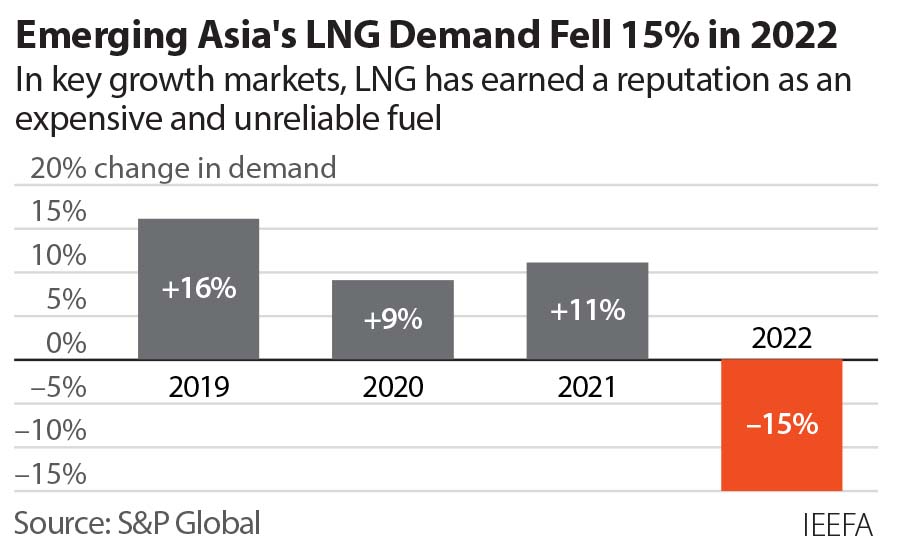
In Asia, LNG has earned a reputation as an expensive and unreliable fuel source, clouding future demand
The EU is taking aggressive steps to trim gas consumption, which could render new LNG import capacity unneeded
Although LNG markets may remain tight for several years, the global LNG market will see a wave of new projects coming online in 2025-27—potentially leading to a supply-demand mismatch and financial risks for LNG suppliers and traders
Prices expected to continue to be high, but LNG may be pricing itself out of global markets
May 20, 2022 (IEEFA)—The fallout from the Russian invasion of Ukraine has disrupted the world’s liquefied natural gas (LNG) market, driving prices to record levels while likely positioning the industry for a significant downturn as emerging Asian markets are priced out of the market, according to a panel of IEEFA experts.
IEEFA’s analysts find that the disruption in the LNG markets has been truly global. Russia, which faces a series of international sanctions, is the world’s second-largest natural gas producer, its third-largest oil producer, and its sixth-largest coal producer. In addition, Russia provides Europe with more than one-third of its gas supply.
Do phụ thuộc vào quy hoạch nguồn điện, hệ thống lưới điện truyền tải cần bảo đảm sự liên kết các hệ thống điện miền và khu vực. Ảnh: Ngọc Hương
LTS – Bộ Công thương vừa trình Chính phủ dự thảo Quy hoạch phát triển điện lực quốc gia thời kỳ 2021-2030, tầm nhìn đến năm 2045 (Quy hoạch điện VIII).
Ðược xây dựng trong hoàn cảnh hết sức đặc biệt của đất nước nói chung và ngành điện nói riêng, liệu bản Quy hoạch đang được trông đợi này, có giúp hệ thống điện tránh khỏi áp lực nặng nề từ sự bùng nổ thái quá của năng lượng tái tạo gây nhiều hệ lụy như đã từng, cũng như tạo được sự minh bạch trong phát triển để thu hút được các nhà đầu tư?
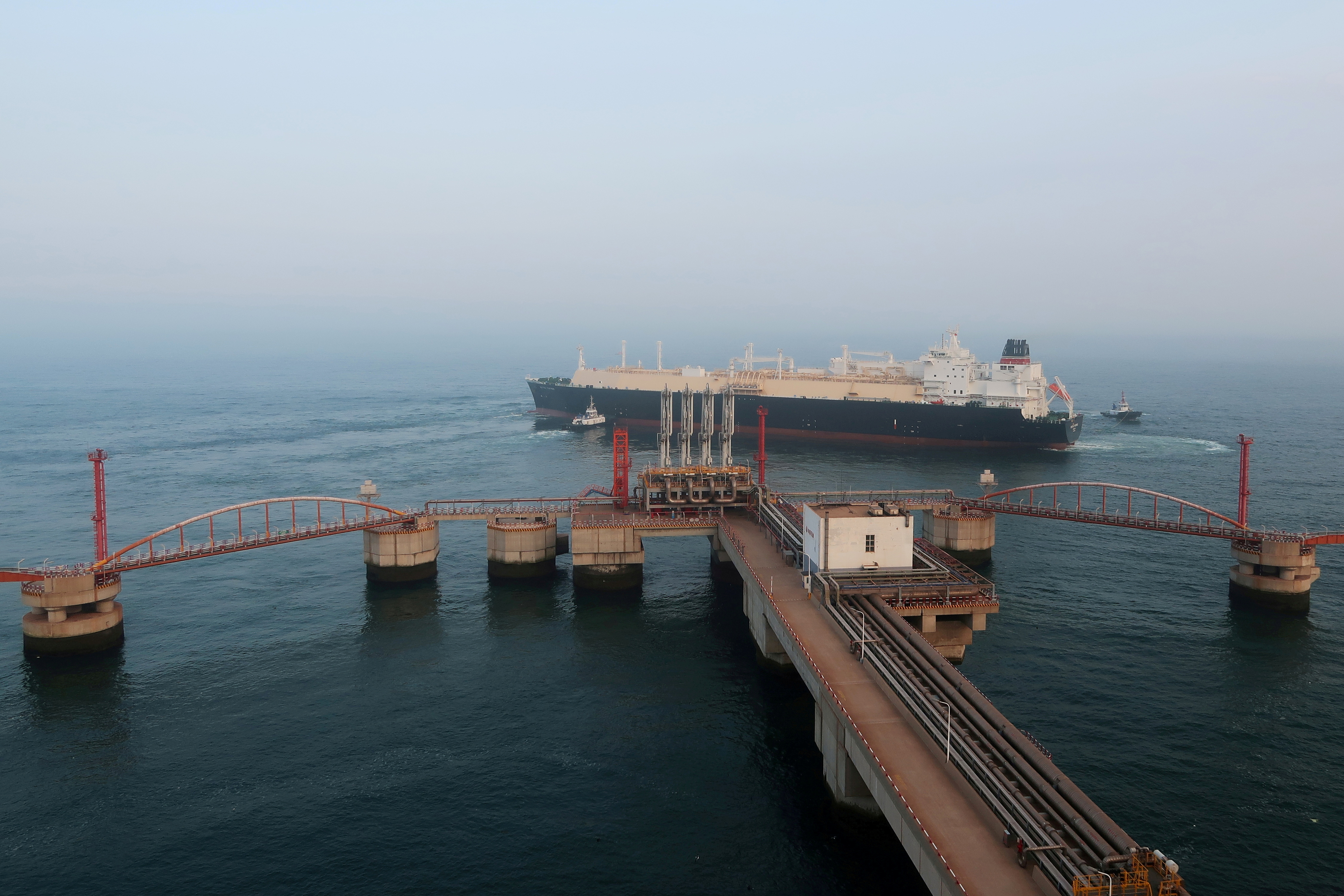
A liquified natural gas (LNG) tanker leaves the dock after discharge at PetroChina’s receiving terminal in Dalian, Liaoning province, China July 16, 2018. REUTERS/Chen Aizhu//File Photo
SINGAPORE/NEW YORK, Oct 15 (Reuters) – Major Chinese energy companies are in advanced talks with U.S. exporters to secure long-term liquefied natural gas (LNG)supplies, as soaring gas prices and domestic power shortages heighten concerns about the country’s fuel security, several sources said.
5 May 2021 (IEEFA Philippines): The race to develop liquified natural gas (LNG) facilities in the Philippines has gone from a marathon to a sprint but potential LNG investors must proceed at their own risk, according to a new report from the Institute for Energy Economics and Financial Analysis (IEEFA).
“Officials in the Philippines have endorsed a rapid buildout of LNG import infrastructure due to the anticipated depletion of the Malampaya deepwater development, the country’s only domestic source of natural gas, and high GDP growth expected over the next decade,” says the report’s author IEEFA Energy Finance Analyst, Sam Reynolds.
Exporting countries and industry players have pushed the narrative that natural gas, a fossil fuel alternative to coal, represents a viable transition fuel from coal to renewables. The United States, in particular, has encouraged legal and regulatory reforms to stimulate LNG demand creation.
LNG importers will bear climate-related risks of exporting countries, threatening energy security and electricity costs
The Texas energy crisis has become world news.
During last week’s extreme winter weather, surging electricity demand collided with falling generation, forcing the state’s grid operator to implement rolling blackouts. In many cases, blackouts lasted for over 24 hours, causing fuel and electricity supply shortages and disruptions throughout the gas supply chain. At least 4.5 million Texans were at one point without electricity and more than 30 deaths have been attributed to power losses, though the final toll could be much larger.
News of the Texas power crisis has spread throughout Asia, where energy growth markets such as Vietnam, the Philippines, and Bangladesh are considering U.S. liquified natural gas (LNG) imports as an alternative to coal-fired electricity generation. But the events in Texas have highlighted the risks inherent in LNG imports for both the energy transition and climate change adaptation.
Below are five lessons from the crisis for emerging markets in Asia.
Lesson 1. Gas/LNG volatility is here to stay.
It has been a tumultuous year in global LNG markets. The COVID-19 outbreak sent global LNG demand plummeting and Asian prices hit an all-time low of $1.85/MMBtu last May. U.S. LNG export facilities remained idle for much of the summer, oil and gas drilling fell by 40% internationally, and bankruptcies in the North American oil and gas sector soared to their highest level since 2016. Starting in the fall, a combination of production shut-ins, shipping delays, and cold weather caused Asian LNG prices to spike to a record high of $32.50/MMBtu.
The Texas energy crisis is another sign that volatility in global gas markets is likely to continue. High electricity demand combined with supply chain disruptions sent wholesale natural gas prices skyrocketing. At Texas’s Waha Hub, for example, prices jumped from $2.77 to $219, while spot prices in Oklahoma’s Oneok hub jumped to over $1,000/MMBtu. For gas producers able to keep wells operating, the Texas freeze was “like hitting the jackpot,” but for LNG exporters, power outages disrupted liquefaction trains and feedgas pipelines. Several LNG export terminals scaled back production, while Corpus Christi LNG and Cameron LNG went offline completely. Overall, 10 cargoes amounting to 1 billion cubic meters of gas were likely delayed from the already-volatile global LNG market.
Volatility in global gas markets is likely to continue
Lesson 2. Volatile prices can cause LNG-fired power plants in Asia and associated infrastructure to go under-utilised.
Volatile LNG prices create an increasingly challenging environment for price-sensitive emerging markets. High prices and difficulties sourcing gas can cause gas-fired power plants in importing countries to go underutilized. In turn, all the associated infrastructure – ports, regasification facilities, pipelines – are also at risk of being stranded. IEEFA recently estimated that volatile LNG prices put over $50 billion of natural gas projects at risk of cancellation in Vietnam, Bangladesh, and Pakistan.
Since the value of associated infrastructure is dominated by fixed costs, per unit natural gas prices depend largely on total gas demand. This means that to realize any economic benefits from imported gas, costs must be spread over a wider consumer base than currently exists in many south and southeast Asian countries. The decision to import LNG is therefore not an incremental one. Rather, it will lead to new sources of financial vulnerability resulting from long-term, large-scale fossil gas lock-in. Without major storage capacity, volatile LNG prices will be a constant threat to the affordability of gas and gas-powered electricity in import markets.
Lesson 3. LNG imports come at the cost of domestic energy security.
By importing greater volumes of LNG, Asian countries become more vulnerable to supply disruptions in global gas markets and geopolitical dynamics beyond their control. With increasingly severe and frequent weather events caused by climate change, Asian importers are not just assuming the risks of climate-related disruptions in their own country, they are also assuming risks of climate-related weather events in exporting countries. In Texas, generators were not required to invest in cold weather safeguards, leaving them vulnerable to unpredictable weather events.
LNG import infrastructure in Asia is highly vulnerable to extreme weather
LNG import infrastructure in Asia is also highly vulnerable to extreme weather. While numerous countries rely on floating storage and regasification units (FSRUs) as cheaper alternatives to land-based import terminals, FSRUs are difficult to operate in poor weather conditions. In 2018, Bangladesh announced it would cancel plans to build additional FSRUs because they were unreliable during the monsoon season. In Malta, the inoperability of FSRUs during storms has caused the complete shut-down of the country’s gas-fired power plants.
Lesson 4. Grid expansion and modernization must take centre stage.
Some commentators have suggested the solution to climate-related blackouts is to build more generation capacity, but all power sources are susceptible to outages when weather events occur. In Texas, 30,000MW of thermal capacity was forced offline – including 40% of natural gas capacity and a nuclear reactor – as well as 17,000MW of wind capacity. As a result, wholesale electricity prices skyrocketed to the state’s $9,000 per MWh cap, up from their average of $30.
Along with generation capacity, grid reliability depends largely on transmission infrastructure and interconnections to other areas. The Texas grid is highly isolated from surrounding power systems, limiting power imports from nearby markets. In small portions of the state connected to other grids, cities experienced brief blackouts compared to the rest of the state.
A greater emphasis on system-level planning in emerging Asian markets, rather than a myopic focus on generation, could improve the efficiency of existing generators, enable the installation of greater capacities of domestic renewable energy, and lower wholesale electricity prices during times of short supply.
Lesson 5. The energy transition is a humanitarian issue.
The COVID-19 pandemic and the Texas energy crisis have exacerbated the risks inherent in LNG imports and revealed the flaws of centralized generation capacity buildouts. In Texas, blackouts disproportionately affected low-income communities, while electricity bills for some households that maintained power spiked into the tens of thousands of dollars. The total cost of electricity sold in Texas from February 15-19 was $50.6 billion, up from $4.2 billion in the prior week. For Asian countries already grappling with high electricity prices, the risks of LNG imports and associated infrastructure lock-in are simply too high. Instead, reliability and resilience are key to keeping costs down and the lights on.




 CVD
CVD 