ConocoPhillips & Perenco vs. Vietnam: Making profits but refusing to pay taxes

facebook sharing button
twitter sharing button
whatsapp sharing button
linkedin sharing button
Photo: CEO, TNI, FOEI: CC BY 2.0

ISDS Platform

  • Amount demanded: Data not available
  • Outcome: pending
  • Treaty invoked: United Kingdom – Vietnam BIT (2002)
  • Sector: energy
  • Issue: tax avoidance

by CEO, FOE & TNI

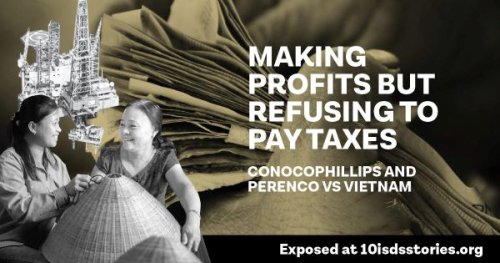
Effectively and fairly collecting taxes is essential for all states, and especially for developing countries that wish to sustainably develop. Tax collection also offers a means to guarantee quality public services for all and to collectively face the challenges of climate change. However, in Vietnam and in other countries, big corporations challenge governments that try to impose taxes on their massive profits. Investor-state dispute settlement (ISDS) is one of their main avenues to try to avoid paying taxes and to receive millions in compensation instead.

Tiếp tục đọc “ConocoPhillips & Perenco vs. Vietnam: Making profits but refusing to pay taxes”
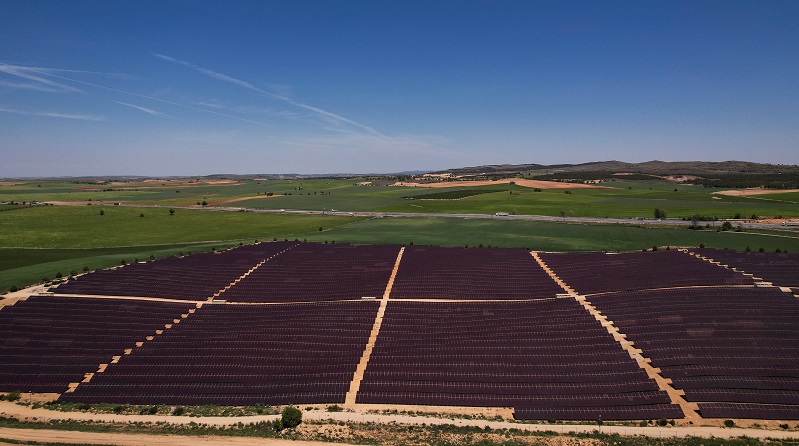
Court says renewable firms can seize Spain’s property after subsidy cuts

Climate Change News | 4 August 2023

A Spanish solar plant in 2022 (REUTERS/Guillermo Martínez)

London’s High Court has ruled that two investors in Spanish solar energy plants are entitled to seize a Spanish property in London to enforce a judgment in a long-running dispute over renewable energy incentives.

The court’s interim charging order – meaning it is not yet final and can be objected to by the debtor – was issued on Wednesday but made public on Friday.

->

Mining is growing rapidly – so are investor-state disputes

mining.com

As the mining industry grows, so do disputes, litigation

Stock image.

recent study by Charles River Associates (CRA) outlines some worrying trends for global mining as the industry continues to expand and push into new markets.   

The Toronto-based consultants, specialising in economic litigation found disputes between governments and investors involving mineral assets are growing rapidly – with 60% of all arbitrations over the last fifty years filed in the last decade. 

Tiếp tục đọc “Mining is growing rapidly – so are investor-state disputes”

Energy transition calls for faster investment treaty reforms

UNCTAD.org 30 August 2023

UNCTAD presents a new toolbox to make international investment agreements actively support the shift from fossil fuels to renewable energy sources.

News

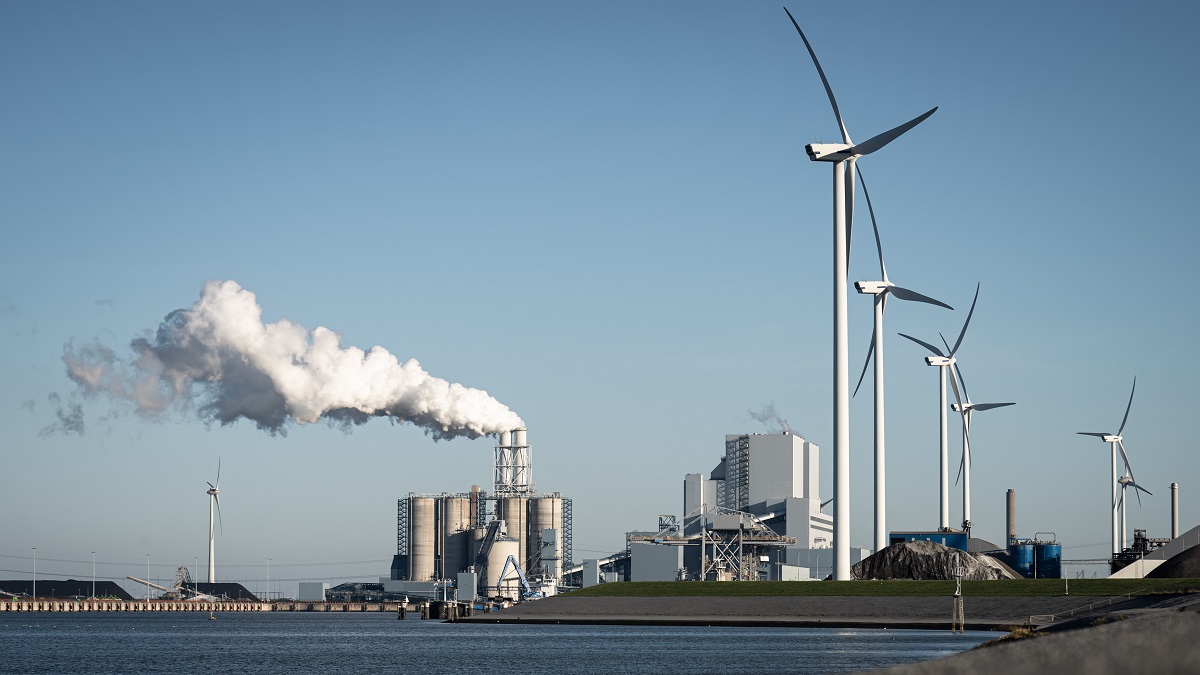
© Shutterstock/Sander van der Werf | Wind turbines and a coal power plant in Eemshaven port in the Netherlands.

Sweltering heatwaves each year underline the need for a faster energy transition and speedier reform of international investment agreements (IIAs) to support the shift away from fossil fuels.

To reach net zero emissions by 2050, annual clean energy investment worldwide needs to more than triple to $4 trillion by 2030.

But many investment treaties, especially older ones, can hinder the transition. As countries try to cut ties with fossil fuels, oil and gas firms might use these treaties to challenge policy changes. An example is a coal phase-out claim against the Netherlands.

Tiếp tục đọc “Energy transition calls for faster investment treaty reforms”

Investor-State Dispute Settlement: Obstructing a Just Energy Transition

FAQ: What is Investor-State Dispute Settlement and What Does it Mean for Climate Action?

Boston University Global Development Policy Center

Photo by Zachary Theodore via Unsplash.

A controversial legal process known as investor-state dispute settlements (ISDS) is making it difficult for governments to mobilize finance for ambitious climate action.

When assets are protected by international investment treaties, like the Energy Charter Treaty, legal claims can be brought against countries by investors who feel they are negatively impacted by government policies. For example, Italy was recently ordered to pay UK-based oil/gas company Rockhopper more than €190 million for the Italian government’s refusal to grant an offshore oil concession. A May 2022 study in Science found potential ISDS claims globally could total as much as $340 billion.

Tiếp tục đọc “Investor-State Dispute Settlement: Obstructing a Just Energy Transition”

Energy charter treaty makes climate action nearly illegal in 52 countries – so how can we leave it?

theconversation.com

Published: July 6, 2022 6.28pm BST

Five young people whose resolve was hardened by floods and wildfires recently took their governments to the European Court of Human Rights (ECHR). Their claim concerns each country’s membership of an obscure treaty they argue makes climate action impossible by protecting fossil fuel investors.

The energy charter treaty has 52 signatory countries which are mostly EU states but include the UK and Japan. The claimants are suing 12 of them including France, Germany and the UK – all countries in which energy companies are using the treaty to sue governments over policies that interfere with fossil fuel extraction. For example, the German company RWE is suing the Netherlands for €1.4 billion (£1.2 billion) because it plans to phase out coal.

The claimants aim to force their countries to exit the treaty and are supported by the Global Legal Action Network, a campaign group with an ongoing case against 33 European countries they accuse of delaying action on climate change. The prospects for the current application going to a hearing at the ECHR look good. But how simple is it to prise countries from the influence of this treaty?

Tiếp tục đọc “Energy charter treaty makes climate action nearly illegal in 52 countries – so how can we leave it?”

The Guide to Investment Treaty Protection and Enforcement – First Edition

Global Arrbitraion Review

Chapters

Get more from GAR
Sign up to our daily email alert

Sign up

Statement on ISDS and climate

ISDS.bilaterals.org

facebook sharing button
twitter sharing button
whatsapp sharing button

All the versions of this article: [English] [Español] [français]

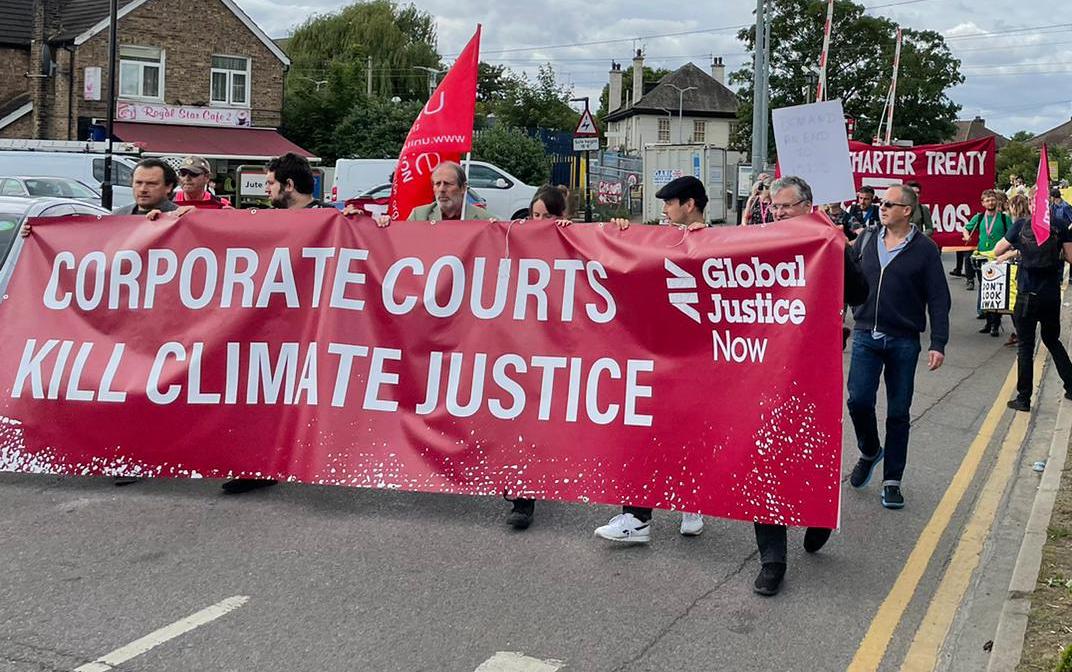
Photo: Global Justice Now

14 November 2022

Statement on ISDS and climate

Civil society organisations are calling on governments to remove the threat that ISDS (investor state dispute settlement) poses to the climate. The following statement outlines our primary concerns and demands. We seek to put pressure on our governments as they meet at COP 27 in November 2022.

Please read it and consider signing on using the form at the bottom

Tiếp tục đọc “Statement on ISDS and climate”

ISDS case map

facebook sharing button
twitter sharing button
whatsapp sharing button
linkedin sharing button

Click here for map >>

Click on the dots on the map to explore ISDS cases or look at the list below


Additional resources:

ISDS cases displayed on this map

AfricaAsiaEurope
Ampal-American vs. Egypt
Unión Fenosa vs. Egypt
Veolia vs. Egypt
Al-Kharafi vs. Libya
Carlyle vs. Morocco
Foresti vs. South Africa
Agro EcoEnergy vs. Tanzania
Total vs. Uganda
Border Timbers & Von Pezold vs. Zimbabwe
Bechtel, Enron and seven European banks vs. India
Vodafone vs. India
Churchill Mining vs. Indonesia
Newmont Mining vs. Indonesia
Khan Resources Inc. vs. Mongolia
Tethyan Copper vs. Pakistan
Fraport vs. Philippines
Hanocal & IPIC International vs. South Korea
Kingsgate vs. Thailand
ConocoPhillips & Perenco vs. Vietnam
Razvoj Golf & Elitech vs. Croatia
CME & Lauder vs. Czech Republic
Saluka vs. Czech Republic
Vermilion vs. France
Vattenfall vs. Germany I
Vattenfall vs. Germany II
Rockhopper vs. Italy
RWE vs. Netherlands
Eureko vs. Poland
Gabriel Resources vs. Romania
Micula vs.. Romania
Yukos vs. Russia
Achmea vs. Slovakia
Ascent Resources vs. Slovenia
NextEra vs. Spain
Latin AmericaNorth AmericaPacific
Abaclat vs. Argentina
Azurix vs. Argentina
CMS Gas vs. Argentina
Aguas del Tunari vs. Bolivia
Eco Oro vs. Colombia
Novartis vs. Colombia
Infinito Gold vs. Costa Rica
TCW vs. Dominican Republic
Chevron vs. Ecuador
Copper Mesa vs. Ecuador
Occidental Petroleum vs. Ecuador
Pac Rim vs. El Salvador
Kappes, Cassidy & Associates vs. Guatemala
RDC vs. Guatemala
Abengoa vs. Mexico
Cargill vs. Mexico
Metalclad vs. Mexico
Renco vs. Peru
Philip Morris vs. Uruguay
ConocoPhilips vs. Venezuela
Crystallex vs. Venezuela
Eli Lilly vs. Canada
Ethyl vs. Canada
ExxonMobil and Murphy Oil vs. Canada
Lone Pine vs. Canada
TC Energy vs. United States
Philip Morris vs. Australia
Barrick Gold vs. Papua New Guinea

Key ISDS facts

  • Amount of ISDS cases: 1104 (2020)
  • Total claimed amount: $US 570 billion (2018)
  • Average amount claimed by investors: US$ 1.5 billion
  • Average amount awarded by tribunals: US$ 438 million
  • Largest award: US$ 50 billion (Yukos vs. Russia)
  • Results of decisions (on the merits): 61% in favour of investors (2019)
  • Most invoked treaty in ISDS arbitrations: Energy Charter Treaty (135 cases)
  • Investor legal costs on average: US$ 6.4 million
  • States legal costs on average: US$ 4.7 million
  • ISDS proceedings average length: 4 years and a half

(Source: UNCTADBIICLSOMO)

keywords: investor-state disputes | ISDS

source:

How treaties protecting fossil fuel investors could jeopardize global efforts to save the climate – and cost countries billions

theconversation.com

Fossil fuel companies have access to an obscure legal tool that could jeopardize worldwide efforts to protect the climate, and they’re starting to use it. The result could cost countries that press ahead with those efforts billions of dollars.

Over the past 50 years, countries have signed thousands of treaties that protect foreign investors from government actions. These treaties are like contracts between national governments, meant to entice investors to bring in projects with the promise of local jobs and access to new technologies.

Tiếp tục đọc “How treaties protecting fossil fuel investors could jeopardize global efforts to save the climate – and cost countries billions”

Climate change expert report warns that ISDS can block climate action

Photo: StopISDS / Twitter

AFTINET | 6 April 2022

Climate change expert report warns that ISDS can block climate action

April 6, 2022: For the first time, the Intergovernmental Panel on Climate Change (IPCC) has warned that climate action is being jeopardised by trade agreements which give global corporations the right to sue governments through clauses known as ‘Investor State Dispute Settlement’ mechanisms, or ISDS.

In its Sixth Assessment Report on the impacts of climate change, the IPCC warned that ISDS can “be used by fossil-fuel companies to block national legislation aimed at phasing out the use of their assets.”

The report indicates that the problem is not isolated to one specific agreement or institution, but that a network of bilateral trade and investment treaties function to protect fossil fuel interests:

“A large number of bilateral and multilateral agreements, including the 1994 Energy Charter Treaty, include provisions for using a system of investor-state dispute settlement (ISDS) designed to protect the interests of investors in energy projects from national policies that could lead their assets to be stranded.”

Tiếp tục đọc “Climate change expert report warns that ISDS can block climate action”

Investor–state disputes in the fossil fuel industry

Photo: haglundc / CC BY-NC 2.0

isds.bilaterals.org

IISD | 31 December 2021

Investor–state disputes in the fossil fuel industry

By Lea Di Salvatore

Executive Summary

The fossil fuel industry is the most significant contributor to climate change. As the consequences of burning fossil fuels become increasingly evident, policy-makers across the globe are stepping up their efforts to curb emissions.These actions inevitably aim at curtailing fossil fuel activities. However, under current international investment law (IIL), foreign investments in fossil fuel projects are granted special protection and access to investor–state dispute settlement (ISDS). Through this system, investors can bring claims to international tribunals regarding regulatory measures adopted by a host state that they allege breach their investment privileges under IIL.

This report analyses the trends in investor–state disputes initiated by investors in the fossil fuel industry to understand the extent to which this industry relies on ISDS to protect its investments.The emerging picture is that the fossil fuel industry has been a pioneer of the ISDS system and has been using it extensively to protect its investments. This protection can hinder the development and implementation of measures to tackle climate change and can present a major obstacle for countries seeking to phase out fossil fuels.

Tiếp tục đọc “Investor–state disputes in the fossil fuel industry”

‘Either we kill it, or it will kill us’: The fight to dismantle a shadow court system threatening climate goals

facebook sharing button
twitter sharing button
whatsapp sharing button
linkedin sharing button

CNBC | 24 November 2021

by Sam Meredith

LONDON — The Energy Charter Treaty is not widely known, yet it’s feared the influence of this international agreement could be enough by itself to derail hopes of capping global heating to 1.5 degrees Celsius.

The ECT contains a highly contentious legal mechanism that allows foreign energy companies to sue governments over climate action that could hurt future profits.

These “corporate court” cases, sometimes referred to as investor-state dispute settlements, are highly secretive, take place outside of the national legal system and can often lead to far larger financial awards than companies might otherwise expect.

Tiếp tục đọc “‘Either we kill it, or it will kill us’: The fight to dismantle a shadow court system threatening climate goals”

Will ‘Investor-State Arbitration’ Survive the COVID-19 Crisis?

07.05.20 | 0 Comments

opinionjuris.org

[Somesh Dutta specializes in international dispute resolution. He is currently working with the Max Planck Institute Luxembourg for International, European & Regulatory Procedural Law as a Research Fellow and is a member of the International Max Planck Research School for Successful Dispute Resolution (IMPRS-SDR).]

In particular, developing economies with a large consumer base may have a crucial role in shaping the future of international investment adjudication, and thus an influence on the future flow of capital for global economic growth.

Tiếp tục đọc “Will ‘Investor-State Arbitration’ Survive the COVID-19 Crisis?”