
By Khang A Tủa and Alex Nguyễn 29 January 2024 at 18:36 (Updated on 30 January 2024 at 10:29)
After decades of pursuing development goals, Hmong people in northern Viet Nam face a battle to preserve disappearing indigenous corn
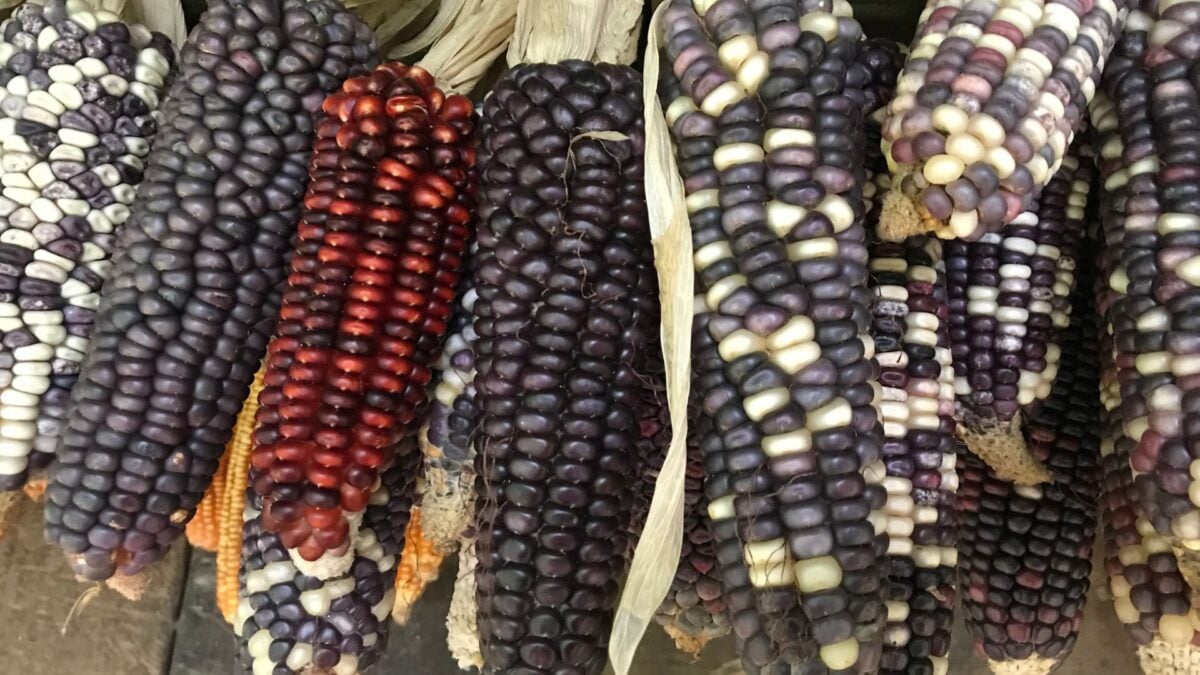
Cúa bua (in Vietnamese), or quav npua (in Hmong) , an indigenous corn variety in Chế Cu Nha, Mù Cang Chải district, Yên Bái province.
YÊN BÁI & SƠN LA, VIET NAM – Early one winter morning, Khang Chờ Dê of Chế Cu Nha hamlet in Yên Bái province was woken by loud knocking on his door. Sào, his relative, needed some red corn kernels, an indigenous crop used by Hmong people in northern Viet Nam for spiritual offerings to ward off bad luck.
The son of a shaman, Dê understood the importance of red corn in ritual practices. He quickly took some kernels from his kitchen, wrapped them up neatly and handed them to his relative.
Back in bed, the 46-year-old farmer pondered the scarcity of the indigenous cúa bua (in Vietnamese), or quav npua (in Hmong)corn seeds in Chế Cu Nha, his family’s ancestral home. For generations, indigenous corn crops have been essential to Hmong spiritual and cultural traditions, as well as helping to strengthening their autonomy in agricultural cultivation.

 CVD
CVD 