
The production of steel, cement, and ammonia emit about one-fifth of all human-caused CO2. Technologies are emerging to decarbonize these problem industries, but analysts warn that big challenges remain.
This story was originally published by Yale Environment 360 and is reproduced here as part of the Climate Desk collaboration.
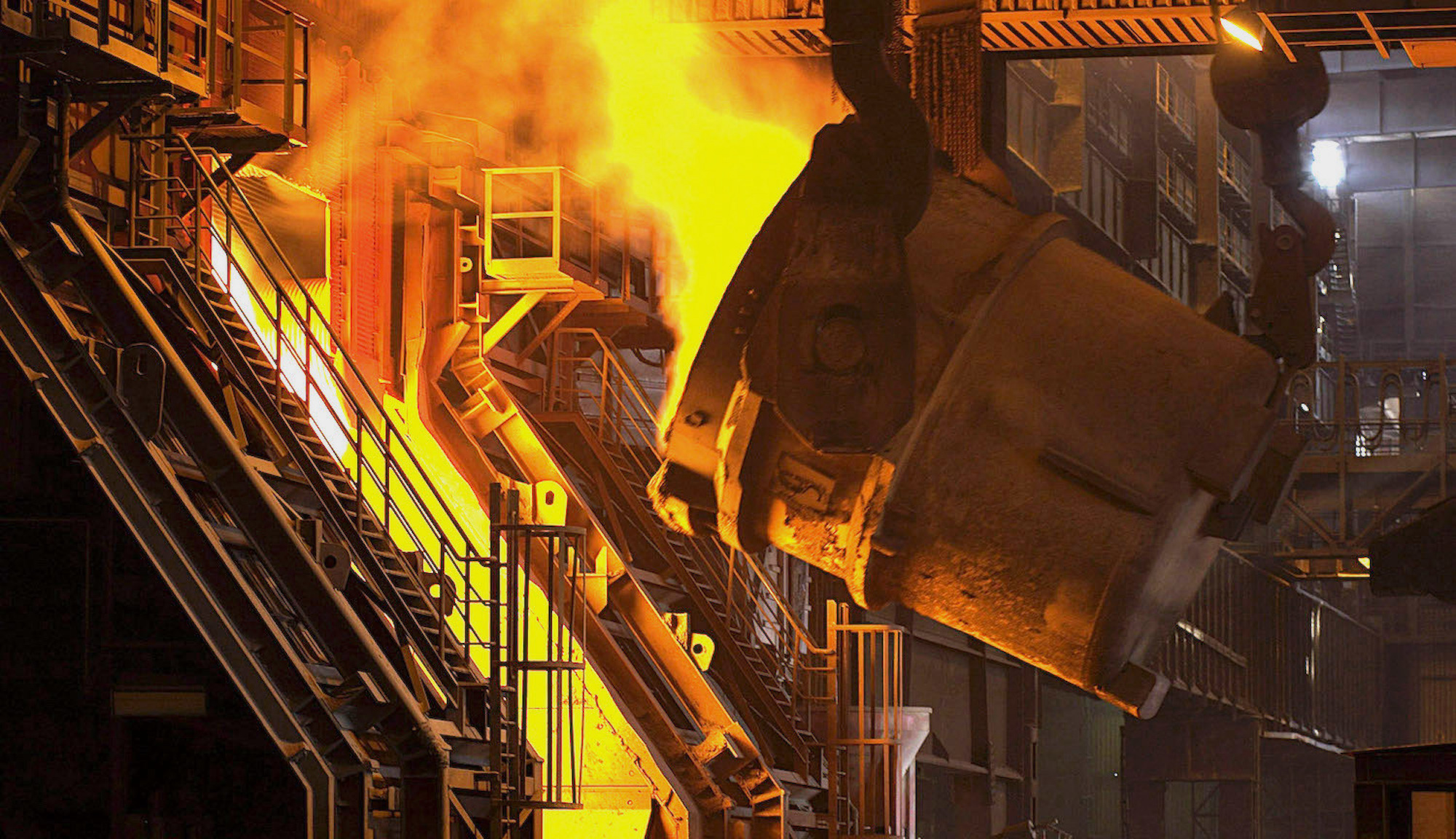
We know how to decarbonize energy production with renewable fuels and land transportation with electric vehicles. Blueprints for greening shipping and aircraft are being drawn up. But what about the big industrial processes? They look set to become decarbonization holdouts — the last and hardest CO2 emissions that we must eliminate if we are to achieve net-zero emissions by mid-century. In particular, how are we to green the three biggest globally-vital heavy industries: steel, cement, and ammonia, which together emit around a fifth of anthropogenic CO2?
Our modern urban environments are largely constructed from concrete — which is made from cement — and steel. Most of our food is grown through the application of fertilizer made from ammonia. These most ubiquitous industrial materials are produced at huge expense of energy and carbon dioxide emissions.
Tiếp tục đọc “Can the world’s most polluting heavy industries decarbonize?”
 CVD
CVD 