Over 23 million Vietnamese suffer non-communicable diseases

vietnamnet.vn

“Non-communicable diseases are diseases that are not spread through infection or through other people, but are typically caused by unhealthy behaviours. They are the leading cause of death worldwide and present a huge threat to health and development, particularly in low- and middle-income countries.”Four types of non-communicable diseases account for over two thirds of deaths globally: Cardiovascular diseases, Cancers, Diabetes, Chronic respiratory disease” IFRC.org

Roughly 23 million Vietnamese people are suffering from non-communicable diseases (NCDs) that are the leading cause of death in the country, revealed Prof. Nguyen Lan Viet, vice president of the Vietnam National Heart Association.
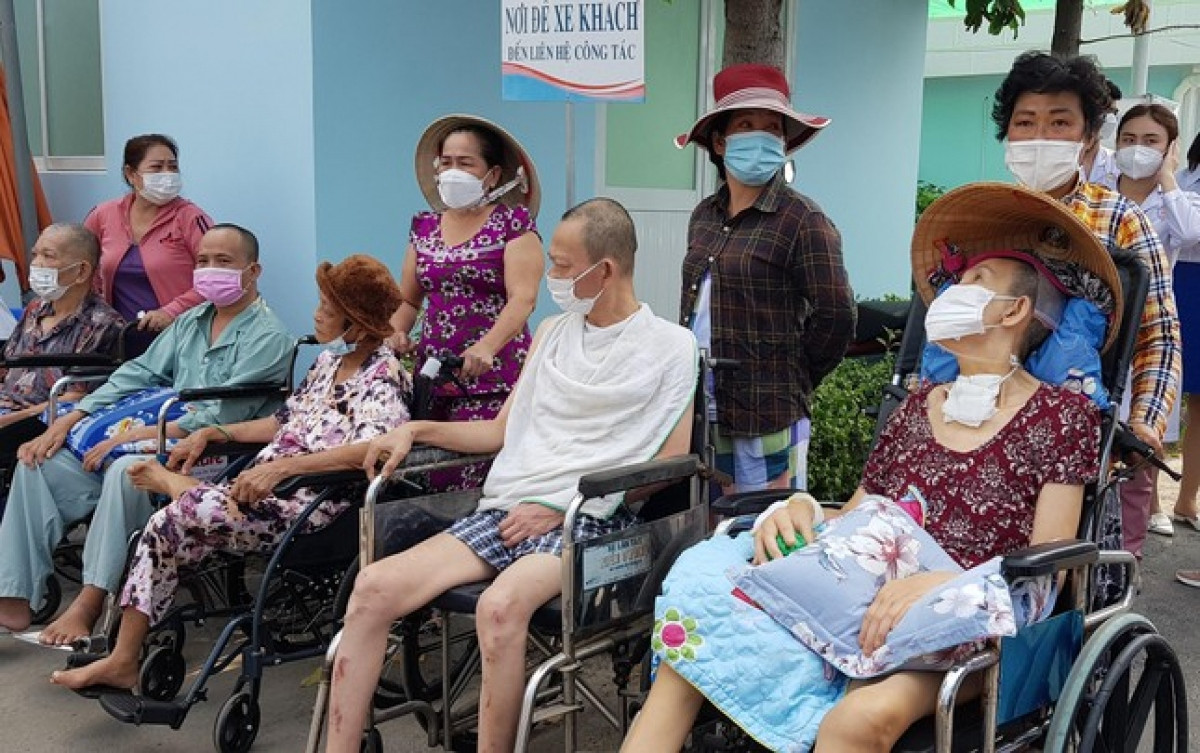
over 23 million vietnamese suffer non-communicable diseases picture 1
23 million people in Vietnam are suffering non-communicable diseases (Photo: Tien Phong)

Viet quoted statistics compiled by the Ministry of Health in 2021 and Globocan, an online database providing global cancer statistics, saying 17 million local people were suffering from high blood pressure, 4.6 million having diabetes, 1.5 million having chronic obstructive pulmonary disease, 354,000 living with cancer.

He said NCDs typically cause 80% of deaths annually, with 41% dying before the age of 70, and account for 74% of financial burden for disease treatment.

The professional pointed out that one of the main causes for the increase in cases is people’s poor awareness of cigarette smoking and alcohol drinking prevention. In addition, people have imbalanced diets, leading to an increasing number of overweight people.

In order to avoid these NCDs, Prof. Viet urged people to follow a healthy lifestyle, eat a proper diet, maintain their weight, stop smoking, and drinking alcohol products. One of the steps encouraged by the professional is doing physical activities every day.

Việt Nam dự kiến đón công dân thứ 100 triệu vào năm 2023

vietnamnet.vn

Dân số Việt Nam hiện ở mức hơn 99 triệu, lãnh đạo Tổng cục Dân số Bộ Y tế cho biết theo dự báo, nước ta sẽ đón chào công dân thứ 100 triệu vào năm 2023.

Thông tin do TS Phạm Vũ Hoàng, Phó Tổng cục trưởng Tổng cục Dân số, cho biết tại lễ ký kết biên bản ghi nhớ hợp tác lĩnh vực kế hoạch hóa gia đình (KHHGĐ) tại Việt Nam diễn ra ngày 28/11. Với quy mô hơn 99 triệu người, Việt Nam có tổng số dân đứng thứ 15 thế giới, thứ 8 châu Á và thứ 3 cộng đồng ASEAN. “Quy mô dân số lớn mang đến nhiều lợi thế nhưng cũng nhiều thách thức cho sự phát triển kinh tế xã hội”, ông nhận định.

Công dân thứ 90 triệu của Việt Nam chào đời ngày 1/11/2013. Từ đó đến nay, mỗi năm dân số nước ta tăng lên trung bình một triệu người.

Trong hơn một thập kỷ qua, nước ta đã duy trì mức sinh thay thế, trung bình mỗi bà mẹ có khoảng 2 con. Hiện số phụ nữ trong độ tuổi sinh đẻ 15-49 của nước ta là gần 25 triệu, tiếp tục tăng lên 26 triệu người vào năm 2030. 

Tiếp tục đọc “Việt Nam dự kiến đón công dân thứ 100 triệu vào năm 2023”

Inside a Vaccination Point in Vietnam Nearly 100 Years Ago

Wednesday, 23 February 2022. Written by Saigoneer.

Saigoneer.com

A century ago, the colonial government was active in inoculating Vietnamese citizens against a variety of diseases.

While Vietnam’s recent massive COVID-19 vaccine efforts have proven a great success in reducing deaths and returning the country to some semblance of normalcy, it is hardly the first time a government here has stepped in to inoculate the population against dangerous contagions. About 100 years ago, the French managed a vigorous campaign to inoculate indigenous Vietnamese against a variety of diseases such as smallpox, cholera and tuberculosis as part of larger health and sanitation initiatives. 

Tiếp tục đọc Inside a Vaccination Point in Vietnam Nearly 100 Years Ago

Doctor assaulted while treating child patient at Hanoi hospital, Vietnam

https://www.youtube.com/watch?v=CpiiNY0DsZo

For Vietnamese doctors, a punch in the face leaves emotional scars that can’t be healed

e.vnexpress.net

By Tran Van Phuc   April 18, 2018 | 04:44 pm GMT+7

For Vietnamese doctors, a punch in the face leaves emotional scars that can't be healed

A doctor is seen protecting himself from a violent man at Saint Pall Hospital in Hanoi on April 13 in this still image from a camera footage.

Dr Tran Van Phuc was attacked by a patient’s relative 17 years ago, and the recent assault of a colleague has reopened the wound.

Tiếp tục đọc “Doctor assaulted while treating child patient at Hanoi hospital, Vietnam”

Health care in Vietnam Limping along

Ordinary folk are sick and tired of their public hospitals

Full to overflowing

economist – WAS the tumour malignant? Nguyen Thi Hoat’s doctors could not tell because their public hospital lacks brain-scanners. Ms Hoat’s only option was to travel 130km (80 miles), on the back of her sister’s motorbike, from her village to a crowded public hospital in the capital. Yet her state insurance policy covers just 30% of any medical expenses incurred outside her home province. The $150 that Ms Hoat, a rice farmer, put towards blood tests and a brain scan is equal, for her, to a month’s earnings.

It is the job of the authorities to look after health care. The Communist Party of Vietnam first pledged health-sector reform as early as the 1920s, well before it declared the country independent in 1945. It developed a publicly financed health-care system even as it was fighting wars against France and then America. The provision of health care is supposed to be one of the pillars on which the party’s legitimacy is based.
Tiếp tục đọc “Health care in Vietnam Limping along”