Are Dire Wolves Really Back? Nope.

Have researchers really ‘de-extincted’ the dire wolf? No, but behind the hype was a genuine breakthrough

theguardian.com

Helen Pilcher

Helen Pilcher

The pups are cute – and great for PR – but they’re modified grey wolves. The real work is being done with their red cousinsThu 10 Apr 2025 15.50 BSTShare109

I’ve been waiting for this. Ever since researchers almost brought a wild goat species back from extinction in 2003, it was only a matter of time until someone came forward and said they had successfully “de-extincted” a species. Now, it has happened.

This week, American biotech company Colossal Biosciences announced it had resurrected the dire wolf, an animal that went extinct at the end of the last ice age. Colossal released a video that invited viewers to “experience the first dire wolf howls heard in over 10,000 years”.

But these are not dire wolf howls, and these are not dire wolves. To make the pups, scientists edited the DNA inside grey wolf cells to make it more dire wolf-like. Twenty changes were made to 14 different genes involved in coat colour, body size and skull shape. Then the cells were used for cloning.

Tiếp tục đọc “Are Dire Wolves Really Back? Nope.”

Chàm Islands build unique brand from coral restoration

VNN – January 28, 2024 – 10:12

More than 40 coral nurseries and two restoration areas of a total 8,000sq.m have been planted to fill in the damaged coral reefs off Chàm Islands, achieving a survival ratio of 80 per cent.

ALL SMILES: A visitor prepares a coral branch to be replanted at a coral restoration site in the water off Chàm Islands. VNS Photo Công Thành

By Bùi Hoài Nam

Tiếp tục đọc “Chàm Islands build unique brand from coral restoration”

Vietnam destroys 10 tons of smuggled wild animal parts

VNE – By Ngoc Truong   December 29, 2023 | 08:00 pm GMT+7

Ivory seized from a smuggler is destroyed in Da Nang City, Dec. 28, 2023. Photo by VnExpress/Ha Hoai

Nearly 10 tons of endangered animal parts from Africa, including ivory and rhino horns that were seized from a smuggler in Da Nang City, have been incinerated.

A court in the central city ruled Thursday to burn 456.9 kg of elephant tusks, 140 kg of rhino horns, 6.2 tons of pangolin scales, and 3.1 tons of lion bones.

The animal parts, which would cost an estimated VND300 billion (US$12.36 million) on the black market, were seized from Nguyen Duc Tai, 33, a Da Nang resident.

Tiếp tục đọc “Vietnam destroys 10 tons of smuggled wild animal parts”

Saving Pangolins from poachers in Cat Tien, Vietnam | The Last Defenders

Saving Pangolins From Poachers In Cat Tien, Vietnam | The Last Defenders | Full Episode

CNA Insider – 15-9-2023

Cat Tien is one of Vietnam’s most biologically diverse and largest national parks. It is home to 40 species of critically endangered wildlife, including the vulnerable pangolin population.

Lam and Julong are anti-poaching officers from Save Vietnam’s Wildlife. Together with the government’s forest rangers, they form a forest protection team to fight against the threats posed by poaching to wildlife. They face the risk of possible violent confrontation with armed poachers and the danger of the unpredictable elements of the forest.

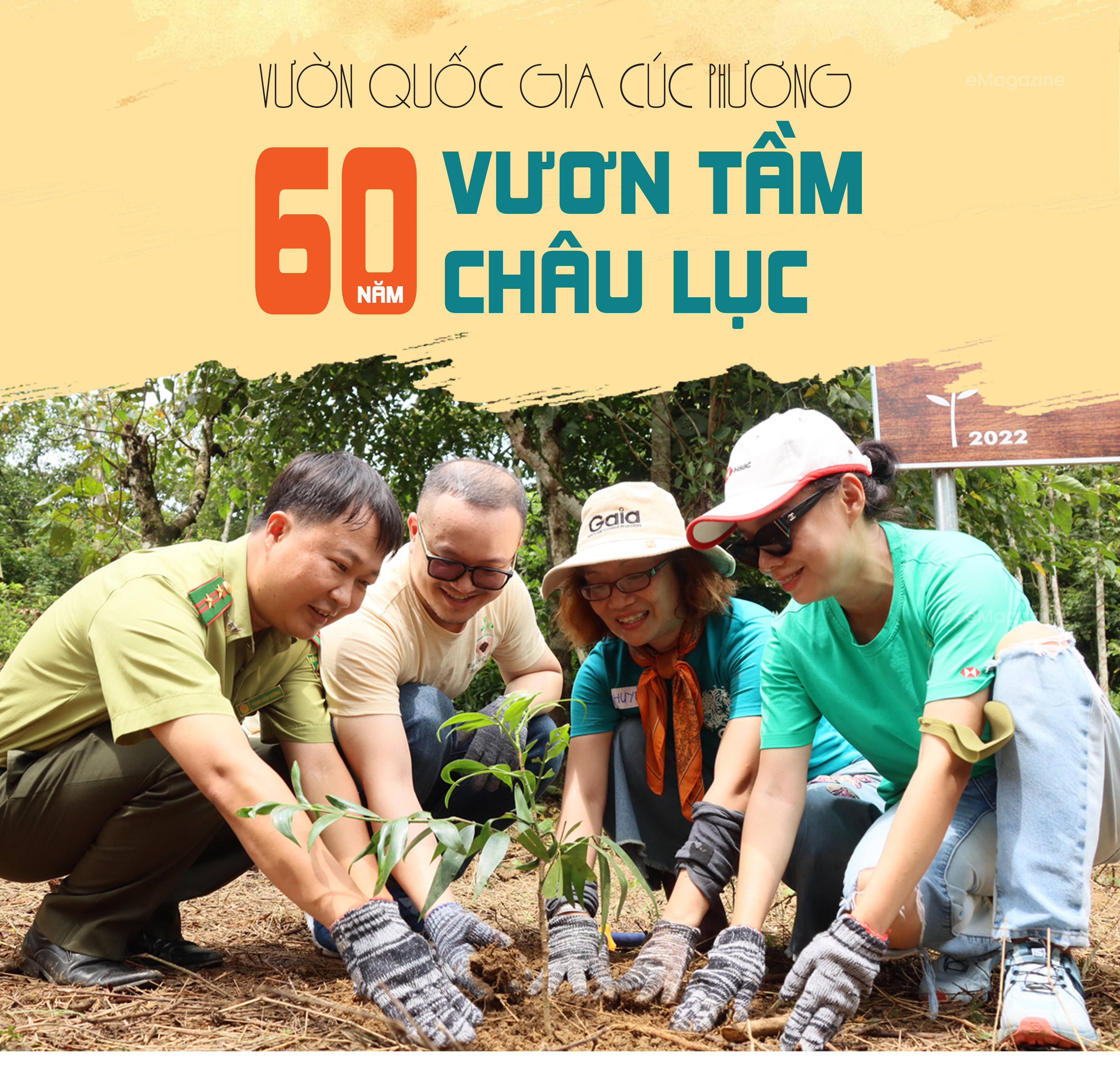
Vườn Quốc gia Cúc Phương: 60 năm vươn tầm châu lục

NNSau 60 năm hình thành và phát triển, Vườn Quốc gia Cúc Phương đã có những chương trình cứu hộ, bảo tồn, giáo dục về môi trường vươn đến tầm châu lục, thế giới.

Là vườn quốc gia đầu tiên của Việt Nam, ra đời vào năm 1962, đến nay Cúc Phương vẫn là vườn quốc gia đứng đầu cả nước về công tác bảo tồn đa dạng sinh học. Với hệ giá trị đặc biệt, từ địa chất địa mạo, cổ sinh học, lâm sinh, cảnh quan và văn hóa bản địa, Cúc Phương được so sánh ngang hàng với những khu rừng nhiệt đới hàng đầu thế giới.

Tiếp tục đọc “Vườn Quốc gia Cúc Phương: 60 năm vươn tầm châu lục”

Vietnam loses sacred cranes after habitat change

In 2020 and 2022, no sarus cranes were spotted in Cham Trim National Park. PHOTO: Nguyen Van Hung

mekongeye – By Tran Nguyen

19 September 2022 at 8:05 (Updated on 22 September 2022 at 17:13)

A vulnerable bird that usually migrated to the wetlands of the Mekong Delta has become a rare visitor to the area

DONG THAP, VIETNAM – Twenty years ago, Nguyen Van Liet took scientists to the wetlands near his hometown of Tram Chim on Vietnam’s Mekong Delta to find sarus cranes, a vulnerable bird species according to the IUCN Red List, native to Southeast Asia, South Asia and Australia.

“We had to go very early so the cranes wouldn’t know it,” Liet said of the expedition, which aimed to study the crane’s movements using a navigation device. “After sedating them, attaching tracking devices to their legs, the crew found shelter to wait for them to wake up and leave safely.”

Memories of those trips will forever be a source of pride for the 58-year-old. His efforts, no matter how humble, have contributed to helping Tram Chim become known worldwide as a place to preserve this rare crane species, which are world’s tallest flying birds.

Tiếp tục đọc “Vietnam loses sacred cranes after habitat change”

When South-east Asia’s forests fall silent

straitstimes.com

For decades, people across South-east Asia have been hunting wild animals for food. But commercial pressures and cheaper snaring methods are causing the region’s forests to be emptied faster than they can be replenished — with repercussions for human and forest health.

BY AUDREY TAN, ANTON L. DELGADO AND MARK CHEONG | PUBLISHED: OCT 22, 2022

They were taken to the wildlife rescue centre not in cages but in fine mesh bags, as though they were already fresh meat being sold by the gram.

But the four ferret badgers were still alive and kicking.

The mammals had been literally rescued from the jaws of death.

VIETNAM AND CAMBODIA – Local policemen had seized them from a restaurant and taken them to Save Vietnam’s Wildlife’s facility located within Cuc Phuong National Park, about a two-hour drive from Hanoi.

“The restaurant bought them from people who caught them from the forest,” said Mr Tran Van Truong, who as captive coordinator is in charge of the facility’s operations. “They are a bit stressed now, but they seem okay otherwise. We can probably release them back into the wild after a few days.”

Not all of man’s wild quarry are as lucky.

Demand for bushmeat and exotic pets from city dwellers is contributing to the emptying of South-east Asia’s forests. ST PHOTO: MARK CHEONG

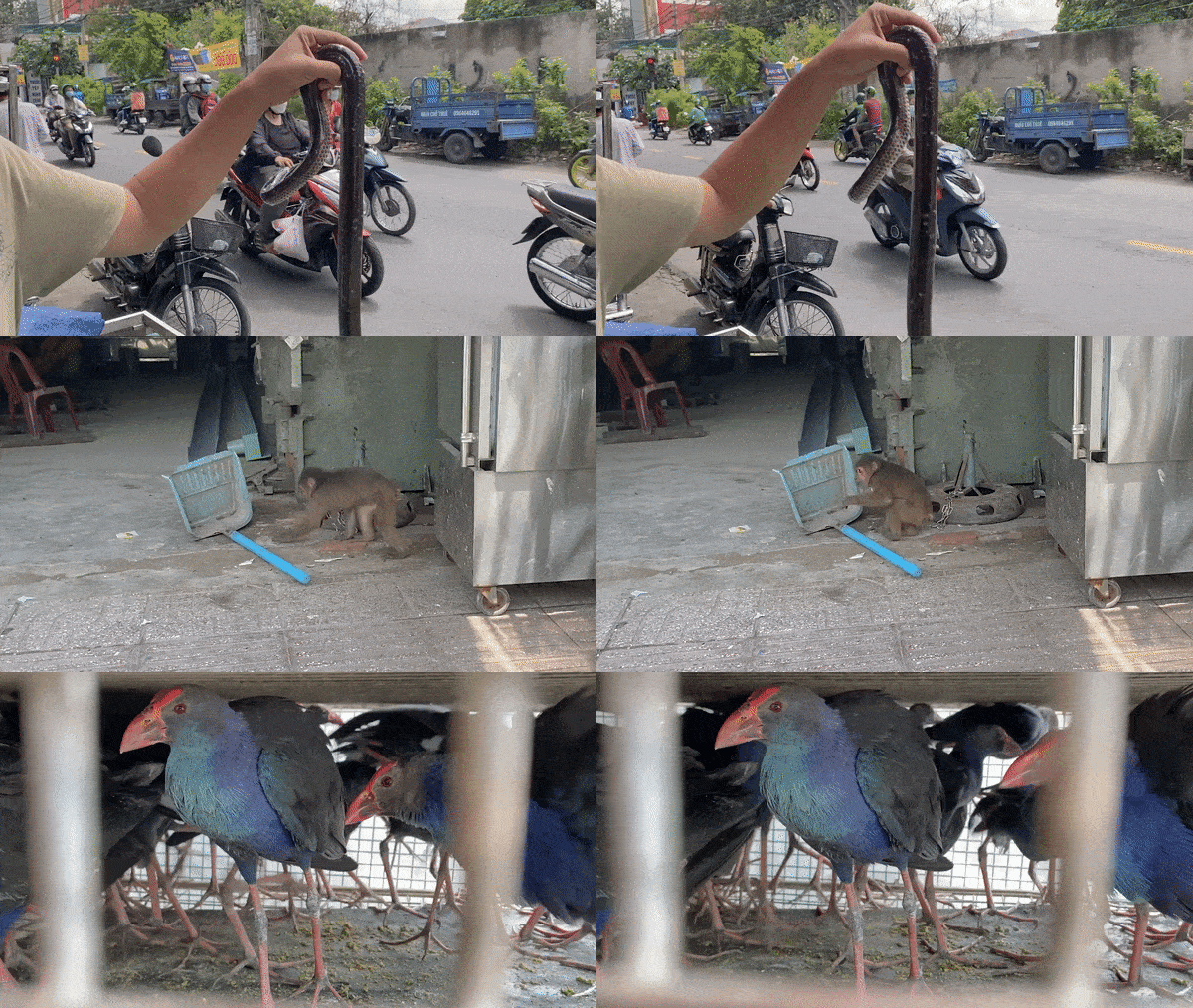
Trapping wild animals for bushmeat may be illegal in Vietnam, but the practice is still widespread in the country. In other parts of South-east Asia too, the Covid-19 pandemic and its likely origins in the wildlife trade has had nary an impact on the region’s appetite for wild meat.

Wild animals are still being taken from the forests in large numbers, to be eaten or kept as pets, and we discovered how voracious appetites for them were still during visits to Vietnam and Cambodia in September.

Wild animals sold at a market in Ho Chi Minh City. VIDEO: ANTON L. DELGADO

Tiếp tục đọc “When South-east Asia’s forests fall silent”

Unwanted tigers face uncertain future after years of captivity

vnexpress.net

By Le Hoang   February 17, 2022 | 02:02 pm GMT+7

Financial problems and complicated procedures have created a situation in which 11 tigers raised in captivity for 15 years remain unwanted in north-central Vietnam.

In 2007, Nguyen Mau Chien, a local in Thanh Hoa Province, bought 10 tiger cubs weighing around seven kilos each from an unidentified seller and brought them from Laos to Vietnam to raise near his home in Xuan Tin Commune of Tho Xuan District.

While his intent in making the purchase was not stated, demand for tiger parts for medicinal purposes has been high in Vietnam and China for a long time.

Chien was fined VND30 million ($1,300) for animal trafficking and tasked with raising the cubs.

In 2008, Chien bought another five tiger cubs from Laos and was fined the same amount. Once again, he was asked to raise the cubs with support from local authorities and the ranger force.

Tiếp tục đọc “Unwanted tigers face uncertain future after years of captivity”

Voi không ngà: Lời đáp trả của tiến hóa

LÊ MY 13/11/2021 6:10 GMT+7

TTCTTrải qua hàng chục triệu năm, chọn lọc tự nhiên hẳn chẳng để lại cho dòng họ nhà voi bộ phận nào dư thừa kể cả cặp ngà to lớn. Nhưng nạn săn trộm tàn bạo của con người lại là động lực, đúng hơn là áp lực, cho một sự thích nghi mới: một số quần thể voi châu Phi đang có xu hướng không mọc ngà, để thoát khỏi lưỡi cưa tàn ác.

 Một con voi cái không có ngà ở Vườn quốc gia Gorongosa (Mozambique). Ảnh Joyce Poole

Trước khi con người biết bước đi trên mặt đất, tổ tiên của loài voi đã luôn tiến hóa cùng với những chiếc ngà vĩ đại – mà thực ra là một cặp răng cửa khổng lồ, giống như răng cửa của chúng ta và phần lớn động vật có vú khác. Và rồi loài người có mặt, biến ngà voi thành một loại của cải mà họ nắm quyền định đoạt. Đằng sau mỗi mảnh ngà voi – dù là ngà nguyên chiếc hay những món đồ chế tác – đều là một con voi đã chết.

Tiếp tục đọc “Voi không ngà: Lời đáp trả của tiến hóa”

Việt Nam là nước tiêu thụ sừng tê giác nhiều nhất thế giới

NN – Thứ Sáu 25/09/2020 , 17:53

Từ ngày 25–27/9, chương trình hội thảo báo chí ‘Toàn cảnh cuộc khủng hoảng hoang dã’ được tổ chức tại Vườn Quốc gia Bidoup – Núi Bà, tỉnh Lâm Đồng.

Bà Hoàng Thị Minh Hồng, Giám đốc Trung tâm CHANGE thông tin Việt Nam là nước tiêu thu sừng tê giác lớn nhất thế giới. Ảnh: Toán Nguyễn.
Bà Hoàng Thị Minh Hồng, Giám đốc Trung tâm CHANGE thông tin Việt Nam là nước tiêu thu sừng tê giác lớn nhất thế giới. Ảnh: Toán Nguyễn.

Đây là chương trình do Trung tâm Hành động và Liên kết vì Môi trường và Phát triển (CHANGE) chủ trì (một tổ chức hoạt động về lĩnh vực bảo vệ động vật hoang dã và môi trường tại Việt Nam). Sự kiện này tập trung thông tin liên quan tới việc buôn bán, săn bắn trái phép động vật và mối nguy cơ bị tuyệt chủng của một số loài vật hiện nay.

Bà Hoàng Thị Minh Hồng, Giám đốc Trung tâm CHANGE thông tin: Việt Nam, cùng với Trung Quốc, Thái Lan là 3 nước tiêu thụ động vật hoạt dã trái phép là cao nhất thế giới. Thậm chí đứng đầu thế giới về việc buôn bán sừng tê giác, ngà voi, tê tê,…

Tiếp tục đọc “Việt Nam là nước tiêu thụ sừng tê giác nhiều nhất thế giới”

The young Vietnamese helping tackle the illegal wildlife trade

Alzajeera.com

Trang Nguyen is a rarity in Vietnam where civil society is viewed with scepticism and most young people want more lucrative careers.

Trang has won international recognition for her work including the Future for Nature Award [Theo Krus/Courtesy of Trang Nguyen]

By Sen Nguyen10 Sep 2021

Standing on top of a four-wheel drive looking out at a central Kenyan wildlife reserve wearing a bucket hat and walking boots, Trang Nguyen stands apart from most Vietnamese who prefer European charm and East Asian wonders for their holidays and photographic memories.

But Trang is no ordinary traveller.

The 31-year-old founder and executive director of WildAct, a Vietnamese conservation NGO, travels the world as a wildlife conservation scientist.

Tiếp tục đọc “The young Vietnamese helping tackle the illegal wildlife trade”

Con sông quan trọng nhất Đông Nam Á đang đi vào vùng nước lạ

mekong-cuulong.blogspot.com

Southeast Asia’s most critical river is entering uncharted waters
Stefan Lovren – Bình Yên Đông lược dịch

National Geographic – January 31, 2020

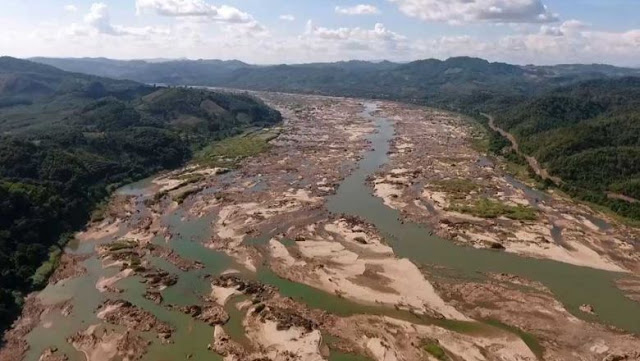
Không ảnh, chụp ngày 28 tháng 10 năm 2019, cho thấy khúc sông Mekong dài 185 miles từ đập Xayaburi ở Lào.   Đáy sông khô cạn ở hạ lưu đập đã khuấy động sự phản đối  của các nhà bảo tồn và dân làng dựa vào hệ sinh thái đa dạng để sinh sống.

Dòng sông nầy đã nuôi dưỡng nhiều nền văn minh hàng ngàn năm.  Ngày nay, nó đang khô cạn, bị tấn công bởi việc xây đập, đánh bắt bừa bãi, và khai thác cát.

PHNOM PENH, CAMBODIA – Nhiều tháng trước, một con cá heo Irrawaddy hiếm hoi bị vướng vào lưới và mất phương hướng ở rất xa nơi cư trú thông thường ở đông bắc Cambodia trên sông Mekong đang vùng vẫy ở Đông Nam Á (ĐNA).  Các nhà bảo tồn đang tranh đua để đưa ra một kế hoạch giúp cho loài cá sắp tuyệt chủng trước khi quá trễ, nhưng thời gian không còn bao lâu. Tiếp tục đọc “Con sông quan trọng nhất Đông Nam Á đang đi vào vùng nước lạ”

Mê Kông cạn cá

BVR&MT – Tbong ngồi trong bóng râm của căn chòi tạm bợ trên bờ hồ Tonlé Sap, quanh anh là mấy đứa trẻ tò mò.

“Cá quả, cá trê, cá tai tượng… Trước đây, cách đây rất lâu, hồ có rất nhiều cá”, anh vừa nói vừa nheo mắt vì nắng.

Cá ở Tonlé Sap, hồ nước ngọt lớn nhất Đông Nam Á là nguồn chất đạm chính cho người Campuchia. (Ảnh: Getty)

Nhưng mọi thứ thay đổi chóng vánh. Các loài cá suy giảm, thực vật đang chết dần và toàn bộ hệ thống sông Mê Công tan rã. Đối với những đứa trẻ tụ tập quanh Tbong, một Tonlé Sap trù phú chỉ còn trong chuyện kể.

Nằm ở trung tâm lưu vực hạ nguồn sông Mê Công, Tonlé Sap là hồ nước ngọt lớn nhất Đông Nam Á. Hồ và vùng ngập lũ xung quanh được UNESCO công nhận là khu dự trữ sinh quyển vào năm 1997, là nơi sinh sản, cung cấp nguồn thức ăn và là nơi thu hoạch hàng trăm loài cá và các sản phẩm thủy sản khác. Tiếp tục đọc “Mê Kông cạn cá”

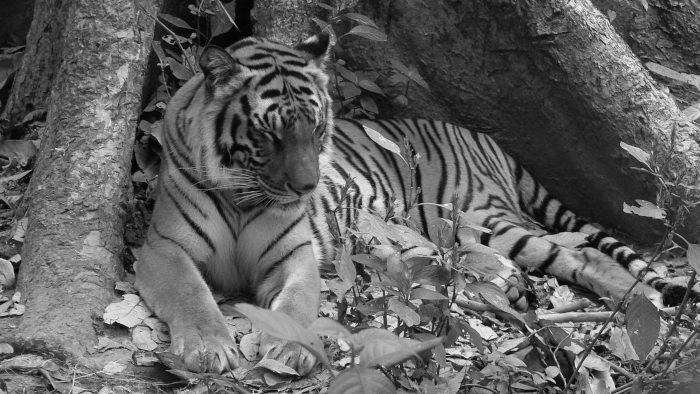
Hổ tuyệt chủng ở Lào

BVR&MT – Đó là kết luận của một nghiên cứu mới không tìm thấy bằng chứng hổ hoang dã còn tồn tại ở nước này.

Sau năm năm khảo sát bằng bẫy ảnh ở Khu bảo tồn Nam Et-Phou Louey giàu đa dạng sinh học, nhóm nghiên cứu không tìm thấy bất cứ bằng chứng nào về hổ ngoài cơ man những cái bẫy chết người.

Ảnh: Bill Robichaud/Global Wildlife Conservation

Dường như những cá thể hổ phải trả giá đắt nhất cho cuộc khủng hoảng bẫy thú đang hoành hành ở Lào và các nước khác tại Đông Nam Á. Tiếp tục đọc “Hổ tuyệt chủng ở Lào”