Massive glacial bursts are becoming more frequent and more dangerous due to the climate crisis, experts tell Mukesh Pokhrel, warning: ‘They are not going to stop anytime soon’
Wednesday 16 July 2025 12:25 BST
Up until a disastrous day earlier this month, more than 150 trucks crossed daily over a border bridge between Nepal and China. Known by locals as the Miteri Pul (Friendship Bridge), the Rasuwagadhi crossing served as the main trade route between the two countries, with over $50m of goods passing over it last year alone.
But on the 8 July, floodwaters tore through northern Nepal’s Rasuwa district, sweeping away parts of this critical border highway. According to the National Disaster Risk Reduction & Management Authority, seven people lost their lives, and 20 were missing, including six Chinese nationals.
The Chinese nationals were working on a 200 megawatt hydro project in the Tirsuli River, which was also damaged by the floods. Initial estimates suggest Nepal has sustained losses of over $100m in the incident as a whole.
A U.S. Army CH-47 Chinook helicopter assigned to the 25th Infantry Division delivers essential medical supplies and logistical equipment for the Lahaina National Guard Role I facility, supporting Maui County authorities to provide immediate security, safety, and well-being to those affected by the wildfires to ensure unwavering support for the community of Maui and first responders. (U.S. Army photo by Spc. Abreanna Goodrich)
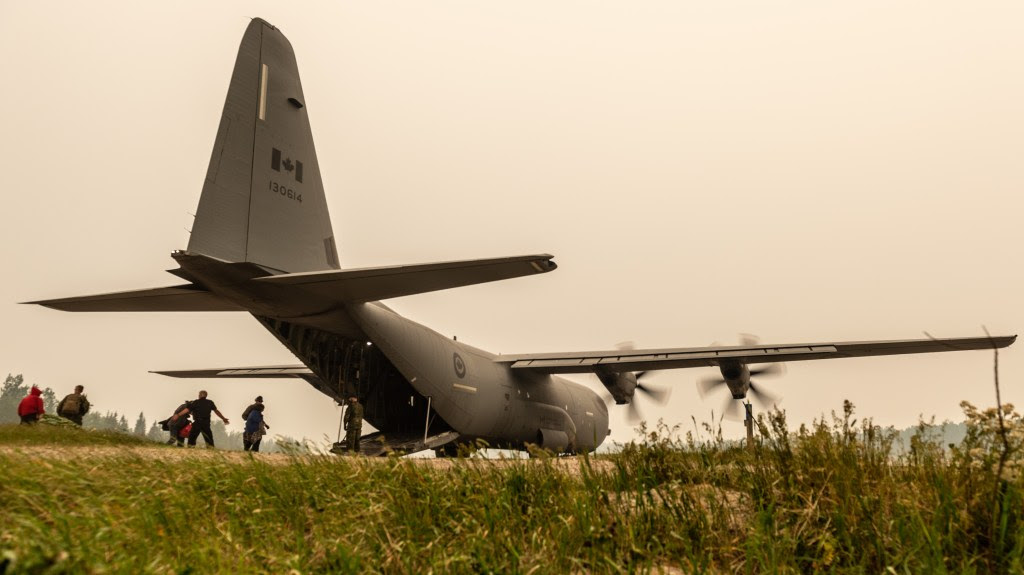
Since June 2022, MiRCH has identified military deployments for floods, storms, droughts, heat, wildfires, and other hazards on every continent, involving the armed services of 68 countries. With the growing severity and frequency of climate hazards, the scale of some MiRCH incidents have been immense, placing enormous pressure on defense forces to provide assistance. For instance, wildfires in Canada burned through a record high of more than 45 million acres in 2023 requiring the Canadian Armed Forces to engage in firefighting for over 100 days. Meanwhile, extreme precipitation and flooding in Libya, East Africa, and elsewhere have displaced millions of people, resulting in the deployment of thousands of military personnel.
The pace and breadth of climate hazards present additional challenges to militaries worldwide. MiRCH has recorded 10 countries where their armed services responded to more than one climate hazard in the same month. In December 2023, India’s southern state of Tamil Nadu was still recovering from the damage caused by Cyclone Michaung when intense rainfall later in the month led to severe flooding in the region again, prompting the Indian Armed Forces to amplify their recovery efforts. Additionally, although defense forces continue to widely perform more traditional disaster relief duties, such as providing logistical support, conducting search and rescue operations, evacuating affected areas, and delivering critical aid and supplies, they are also being deployed for missions beyond these roles. For example, the Swiss army has airlifted water to thousands of livestock during water shortages, the West Virginia National Guard conducted aerial firefighting for the first time, and Indonesia ordered the military to assist farmers in planting rice since drought has reduced production of the staple crop.
Record high temperatures, combined with a strong El Niño event, contributed to unprecedented extreme weather events that required military responses in 2023, from the first Category-5 storm in recorded history to make landfall in the Mexican Pacific to Canada’s historic fire season. As global temperatures continue to rise, climate hazards are projected to further intensify, placing an even greater demand on armed services to provide relief in the future. In the near term, extreme weather events in the next few months could be particularly severe as the current El Niño is expected to continue at least until April.
High Demand Poses Readiness Questions for Militaries



 CVD
CVD 