Global warming is heating up the Arctic, and global powers like the United States, Russia and China are manoeuvring to stake a claim to the resources under its melting ice. Some experts say the region, once known as an exception – an island of international cooperation in the midst of geopolitical struggles – is becoming the site of a second cold war.
The Arctic may seem like a frozen and desolate environment where nothing ever changes. But the climate of this unique and remote region can be both an early indicator of the climate of the rest of the Earth and a driver for weather patterns across the globe. William Chapman explains why scientists often describe the Arctic as the “canary in the coal mine” when it comes to climate change
Last year, Pakistan faced the most devastating floods in the history of the country, which is notable because the country lies on a geographical floodplain. The Indus is an ancient and powerful river. The floodplain of the river covers nearly half of Pakistan, where most of the country’s population resides. When the Indus breathes, as rivers do, the lives and livelihoods on the floodplains are quietly absorbed by the water.
I. Is climate change a security risk? II. Will climate change cause wars? III. Where is climate change the biggest threat to security? IV. Why do militaries care about climate change? V. How does climate change compare to other security risks? VI. What does climate security mean for diplomacy and development? VII. How can address the security risks of climate change? VIII. Are only poor nations at risk? IX. Is climate change only a long-term risk? X. What’s more important for security: climate change adaptation or mitigation? XI. What role does technology play in addressing the security risks of climate change? XII. Should we be worried about “black swan” events? XIII. Is there a list of relevant government and nongovernmental documents onclimate and security? XIV. Is there a list of relevant government and nongovernmental documents on climate and security? By year of publication?
Climate security refers to the impacts of the climate crisis on peace and security, particularly in fragile and conflict-affected settings.
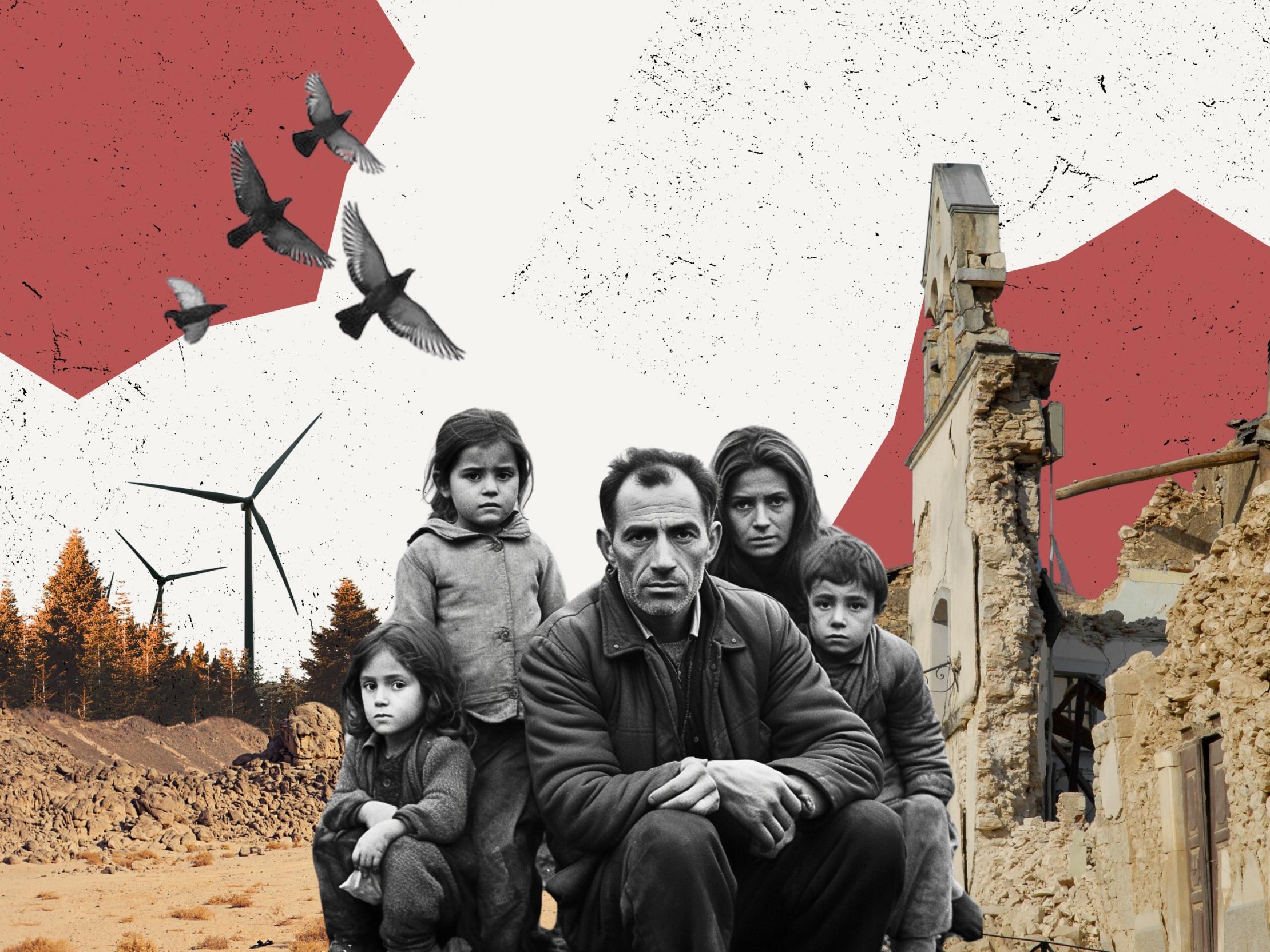
Climate change impacts can trigger competition over natural resources, insecure livelihoods, and mass displacement, increasing the risk of social tensions and instability.
Investing in climate action can be an opportunity to strengthen cooperation, rebuild trust, and mend the social fabric in fragile and conflict-affected settings.
UNDP supports countries in fragile settings align responses to climate change with conflict prevention and peacebuilding actions.
What is climate security?
Climate security refers to the impacts of the climate crisis on peace and security, particularly in fragile and conflict-affected settings.
Climate change can exacerbate food, water, and livelihood insecurity, with cascading effects such as increased competition over natural resources, social disruptions, and displacement. This can lead to increased tensions, conflict, and instability in a country or region.
In settings where conflict already exists, the impacts of climate change can aggravate or prolong it, making it more difficult to reach and sustain peace. Conflict can in turn disrupt or impede climate action, either through the active destruction of energy, water, and agricultural assets, or by delaying or blocking mitigation and adaptation interventions.
Why does climate security matter?
By 2030, climate change could push up to 130 million more people into poverty, not only exacerbating existing vulnerabilities, including food and water insecurity, but also socio-economic fragility, and political grievances. Within already fragile settings, these impacts can escalate security challenges and worsen instability. Furthermore, climate-related security risks often affect women at disproportionate levels.

 CVD
CVD 