
By Vuong Thi Hao Linh 3 July 2023 at 10:53
The 1% of Vietnamese households without electricity rely on decentralized, micro renewable systems for power supply. Are such innovations sustainable?
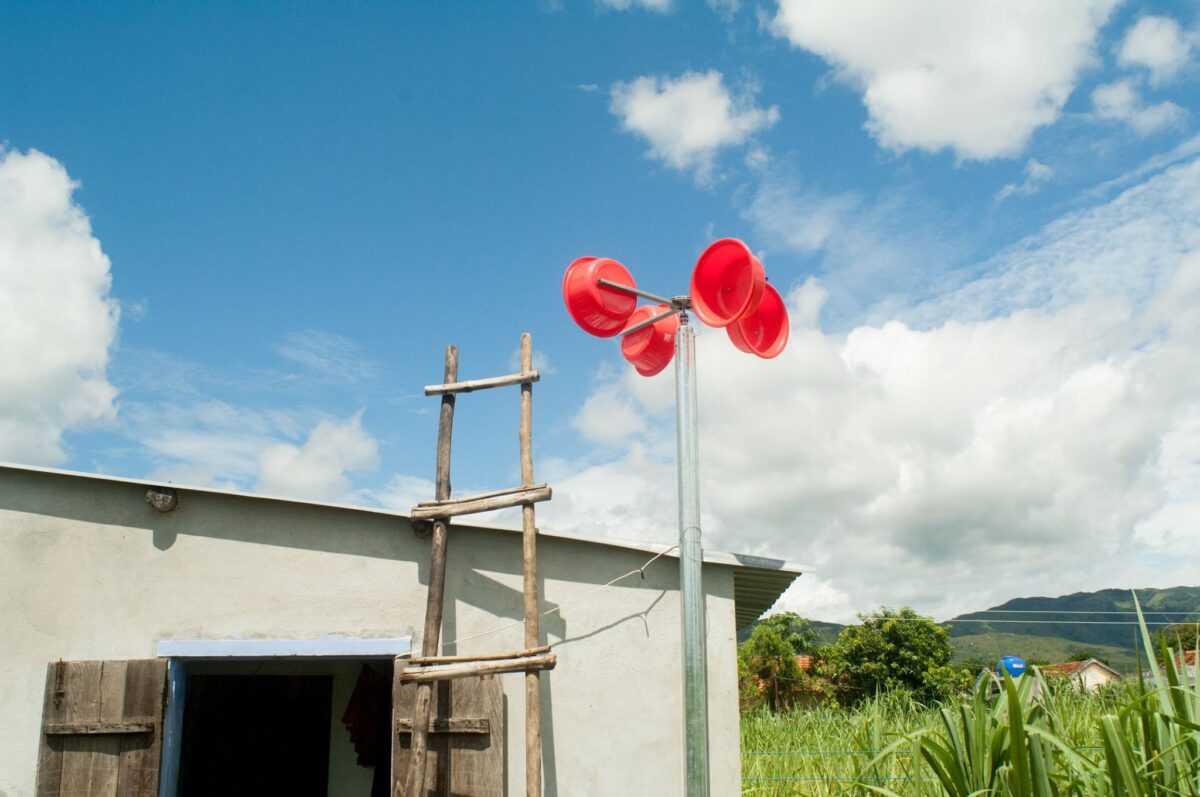
A mini wind turbine set up in the countryside of Vietnam. PHOTO: 1516 energy
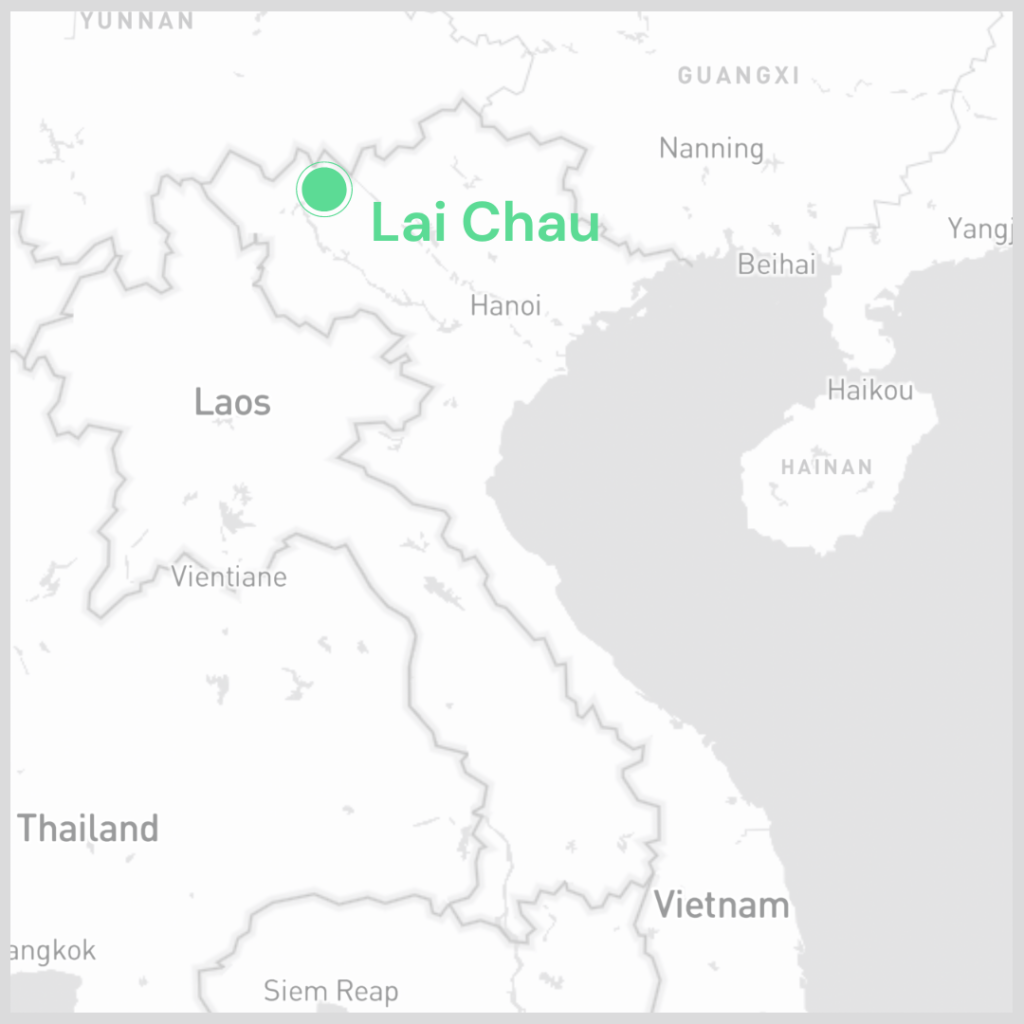
LAI CHAU, VIETNAM – In November 2019, teachers and students at the Pa U elementary boarding school in Muong Te district in Vietnam’s Lai Chau province had electricity for the first time.
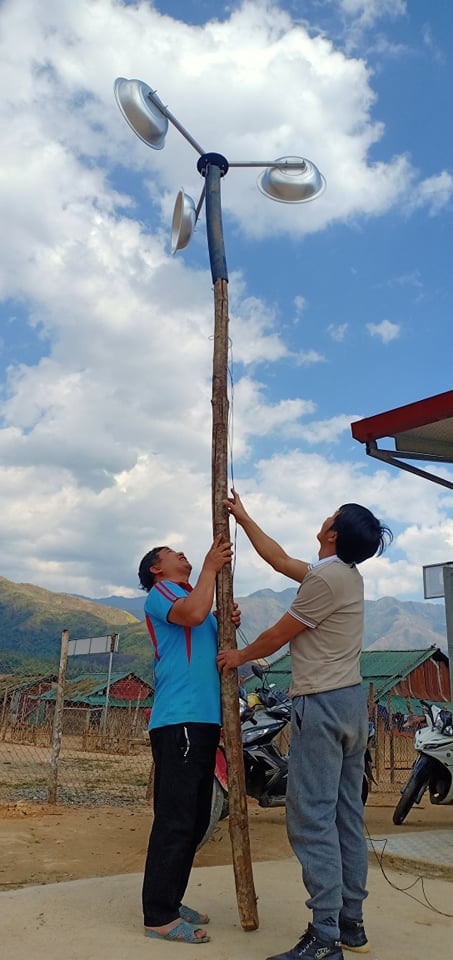
The power came from a rudimentary micro wind turbine system, which was sold and delivered to the school by a local startup named 1516 and assembled by the teachers.
The setup was simple: aluminum tubs affixed to a sturdy wooden rod, linked to a sun box that contains a charge controller, a solar battery and an inverter to generate electricity.
“The children were so excited to see those turbines in action,” recalled teacher Bui Thi Minh Khuyen. Despite a limited output that can only sustain the school’s energy needs until 10pm, the new power supply has made a vast difference.
Previously, the school only had light bulbs powered by cheap solar panels imported from China. Fans, radios, TVs, phones and laptops were luxuries the school could not power.
Tiếp tục đọc “In Vietnam, IKEA-style wind turbines are powering off-grid communities”

 CVD
CVD 