Global warming is heating up the Arctic, and global powers like the United States, Russia and China are manoeuvring to stake a claim to the resources under its melting ice. Some experts say the region, once known as an exception – an island of international cooperation in the midst of geopolitical struggles – is becoming the site of a second cold war.
The Arctic may seem like a frozen and desolate environment where nothing ever changes. But the climate of this unique and remote region can be both an early indicator of the climate of the rest of the Earth and a driver for weather patterns across the globe. William Chapman explains why scientists often describe the Arctic as the “canary in the coal mine” when it comes to climate change
Almost exactly 10 years ago, a remarkable thing happened in a conference hall on the outskirts of Paris: After years of bitter negotiations, the leaders of nearly every country agreed to try to slow down global warming in an effort to head off its most devastating effects.
The core idea was that countries would set their own targets to reduce their climate pollution in ways that made sense for them. Rich, industrialized nations were expected to go fastest and to help lower-income countries pay for the changes they needed to cope with climate hazards.
So, has anything changed over those 10 years? Actually, yes. Quite a bit, for the better and the worse. For one thing, every country remains committed to the Paris Agreement, except one. That’s the United States.
This ARSET training covers general approaches to apply satellite remote sensing data when studying or forecasting climate-sensitive infectious diseases.
Description
Climate-sensitive vector-borne diseases such as malaria impact millions of people each year, causing more than 700,000 deaths annually, according to the World Health Organization (WHO). Satellite remote sensing data can provide valuable insights for monitoring conditions which support disease vectors. In this training, participants will learn the basic principles of how satellite remote sensing data can be applied to track climate-sensitive vector-borne disease outbreaks and provide early warnings for potential outbreaks. Participants will learn about general approaches to apply satellite remote sensing data when studying or forecasting climate-sensitive infectious diseases. These will be illustrated with a case study example in the forecasting of malaria. Participants will also become familiar with some of the common, freely available NASA remote sensing datasets used in these applications, as well as where and how to access them and how to decide which datasets are fit for their purpose.
Part 1: How Remote Sensing Can be Used to Study Climate-Sensitive Infectious Diseases
Identify environmental variables and conditions that can be observed from space which are relevant to climate-sensitive infectious disease outbreaks.
Identify how satellite observations can improve the assessment and forecasting of climate-sensitive infectious disease outbreaks.
List the steps of a conceptual framework for incorporating remote sensing data into the study of climate-sensitive infectious diseases.
Recognize several remote sensing datasets commonly used to study and forecast climate sensitive infectious diseases, along with their key attributes such as resolution, coverage, latency, and uncertainty.
Select appropriate remote sensing datasets for studying climate-sensitive infectious diseases based on the disease characteristics, region of interest, and relevant environmental parameters.
Examine common benefits and challenges of using remote sensing data for studying climate-sensitive infectious diseases.
Part 2: Case Study in the Use of Remote Sensing to Study Climate-Sensitive Infectious Diseases
Identify environmental variables and conditions relevant to malaria that can be observed from space.
Recognize why the remote sensing datasets used in this case study were chosen, based on their key attributes.
Recognize the steps taken for accessing and preparing remote sensing data for use in this case study.
Identify the steps used by the EPIDEMIA system for integrating remote sensing data.
Examine the benefits and challenges of using remote sensing data for tracking and forecasting malaria in Ethiopia, and how these were addressed through the case study.
Examine the primary outcomes of the case study and ways its approach might be expanded in the future.
Aproject of the Center for Climate and Security (CCS). Please read important information on this project’s scope, methodology, limitations, and citation guidelines below.
This map is based on a dataset regularly updated by CCS staff, based on publicly available information, tracking the date, location, actors, and circumstances of military deployments to climate-related hazards.
Researchers, journalists, academics, government officials, or members of the public are encouraged to contribute to this effort by entering information and sourcing on such incidents here, which CCS uses to supplement its own tracking in updating this map.
The dataset starts in June 2022 and was last updated 30 September, 2025.
Scope and Definitions
This project tracks the deployment of military and paramilitary personnel and equipment in response to natural hazards exacerbated by climate change, worldwide.
This includes all hazard types that climate change is known to make more likely or intense–such as heatwaves, flooding, drought, extreme precipitation, and storms and hurricanes—even if a scientific study has not yet quantified the role of climate change in a particular incident. Natural disasters largely unrelated to climate change, such as earthquakes or volcanoes, are excluded. Entries include direct deployment of military forces, the use of other armed paramilitaries, and the lending of military personnel or equipment to civil authorities, but does not include purely civilian disaster response.
Similarly, military deployments in response to challenges indirectly contributed to by climate change (such as migration or civil unrest) are not included, nor are deployments related to energy security or the energy transition.
Limitations
Users should be aware of limitations in this project, especially in comprehensiveness and precision. Because of the project’s scope, data access issues, and English-language focus, this page probably misses some incidents that fit the project’s criteria, especially in locations under-covered in English-language media and/or with opaque militaries. CCS logs incidents based on approximate start date and displays incidents by month, and logs incidents by the most precise location feasible based on available information and the geographic scope of the hazard. Finally, this project does not distinguish military deployments or hazards by magnitude – users should click through to underlying sources to learn more about the size of a given incident.
Citation
This data may be freely cited by academics, researchers, or journalists, crediting The Center for Climate and Security.
Childcare, red tape and separation from parents stand in the way of school for children of millions of Mekong Delta migrants
HO CHI MINH CITY, VIET NAM – In a 12-square-meter rented apartment lined with pink Hello Kitty wallpaper, Thúy Hằng, 37, continually ponders whether to bring her six-year-old daughter from the rural Mekong Delta to the city.
Hằng works at an Adidas supplier factory and her husband at a wood processing factory. The couple left their two daughters with the grandparents in Đồng Tháp province, when the girls were only infants.
Source: Mapbox
For years, Hằng has dreamed of reuniting with her children. She decorated the room, inquired about schools and had the funds ready, but could not figure out childcare. The couple work until 7-8pm, and public schools close at 4:30pm.
In the past decade, more thanone million people have left the Mekong Delta for industrial zones in Ho Chi Minh City – as the region faces mounting environmental stress.
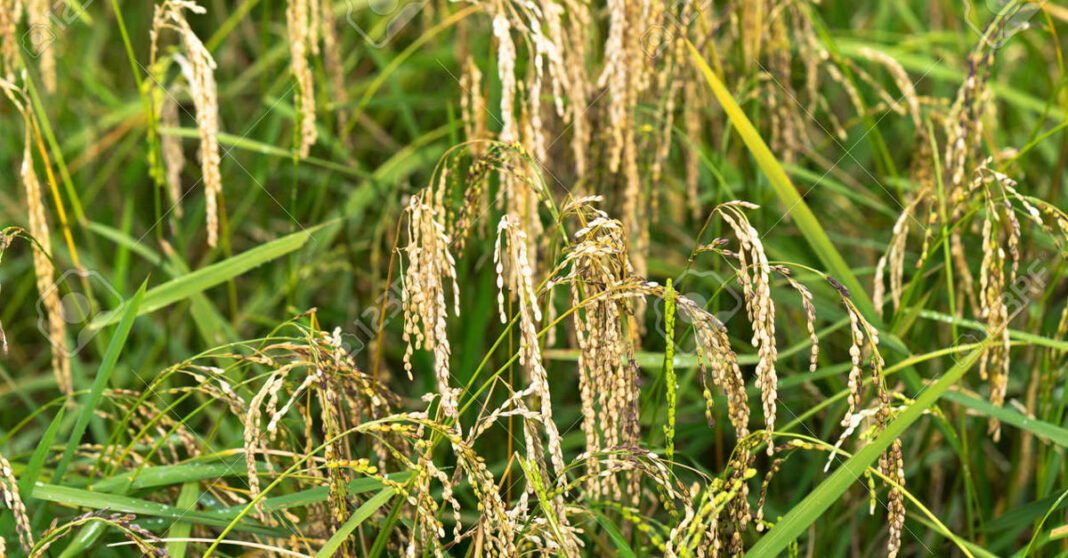
Once considered Viet Nam’s rice bowl, the delta now grapples with sediment loss, saltwater intrusion and soil erosion – the results of upstream dams, rampant sand mining and climate change.
Columbia Climate School identifies 65 ‘Red Zone’ nations across four separate climate scenarios.
43 nations in Sub-Saharan Africa, eight in Latin America and the Caribbean, six in Asia-Pacific, six in the Middle East, and two in Europe are most at-risk.
With support from The Rockefeller Foundation, the “Climate Finance Vulnerability Index” aims to help close the gap between risk assessments and funding allocations.
Massive glacial bursts are becoming more frequent and more dangerous due to the climate crisis, experts tell Mukesh Pokhrel, warning: ‘They are not going to stop anytime soon’
Wednesday 16 July 2025 12:25 BST
Up until a disastrous day earlier this month, more than 150 trucks crossed daily over a border bridge between Nepal and China. Known by locals as the Miteri Pul (Friendship Bridge), the Rasuwagadhi crossing served as the main trade route between the two countries, with over $50m of goods passing over it last year alone.
But on the 8 July, floodwaters tore through northern Nepal’s Rasuwa district, sweeping away parts of this critical border highway. According to the National Disaster Risk Reduction & Management Authority, seven people lost their lives, and 20 were missing, including six Chinese nationals.
The Chinese nationals were working on a 200 megawatt hydro project in the Tirsuli River, which was also damaged by the floods. Initial estimates suggest Nepal has sustained losses of over $100m in the incident as a whole.
The climate crisis is the single greatest global public health threat of this century, health professionals say. Human rights experts warn it poses an unprecedented risk to human rights. For the world’s poor and most vulnerable people and communities on the frontlines of climate impacts like rising seas, it is an existential crisis threatening their very survival.
Yet the global response to what scientists say is undoubtedly a global emergency has fallen woefully short, through a United Nations governance framework that essentially rests upon voluntary pledges that nations of the world submit – called Nationally Determined Contributions – to reduce their greenhouse gas emissions. Last year, leading climate experts wrote to top UN officials calling for reform of the international climate negotiations, arguing that the “current structure simply cannot deliver the change at exponential speed and scale, which is essential to ensure a safe climate landing for humanity.”
– 2024 had the most tropical primary forest loss since our records began two decades ago — disappearing at a rate of 18 football (soccer) fields per minute, nearly double that of 2023. – Almost half of this loss was due to fires, around 5 times more than a typical year in the tropics. Latin America was particularly hard hit with major fires across Brazil, Bolivia and numerous other countries. – Fires also continued to drive tree cover loss outside of the tropics, with high levels of loss once again in Russia and Canada. Overall, the world lost an area of forests nearly the size of Panama.
This data must be a wake-up call for global policies and finance that incentivize keeping forests standing. Read our analysisfor more findings from the University of Maryland GLAD Lab’s annual data
AAANguyễn Văn Quại, 63, walked slowly on the muddy dirt path in his yard, his hands clasped behind his back. He stopped beside a tree split in half, its branches dipping into the stagnant water of a narrow moat, and gestured towards the rest of his leafless crop — their trunks yellow, their bark cracked and brittle.
This story was supported by the Pulitzer Center.
Nguyễn Văn Quại points to his durian trees in Ngũ Hiệp.
For decades, Quại has called Ngũ Hiệp home. The small island on the Mekong River in Tiền Giang Province is less than two hours inland from the sea. His family first farmed rice but turned to durian, a more lucrative crop, in the early 1990s. Now, more than 200 trees stand in his yard, their thorny fruit bringing in hundreds of millions of VND.
Southern China is facing a surge in agricultural pests migrating from neighboring Southeast Asian countries, including Laos, Myanmar, and Cambodia. This pest migration, driven by climate-related factors, poses a growing threat to regional food security.
A recent study highlights the role of extreme weather in this phenomenon. Researchers found that the ongoing El Niño event, marked by unusually warm ocean temperatures in the Equatorial Pacific, is contributing to hotter and more humid conditions, which are ideal for pest breeding.
In addition to favorable breeding conditions, strong seasonal winds are carrying these pests into Southern China, facilitating their rapid spread and increasing the risk of crop damage.
While wind is a major factor in their movement, scientists note that insect migration is also influenced by environmental stressors such as extreme heat, drought, and the presence of predators.
Insects migrate in response to immediate environmental cues, the study explains. They may move to escape harsh conditions, find food, avoid overcrowding, or locate new habitats suitable for reproduction.
The problem isn’t confined to China. In Laos, climate change is also taking a toll. The country has experienced record-breaking heatwaves, reaching 43.2 degrees Celsius in 2024, along with persistent water shortages and weakened agricultural infrastructure.
These factors have led to crop failures, livestock losses, and growing food insecurity. An estimated 82 percent of households lack access to safe water, compounding the crisis for rural communities.
Globally, climate change is expected to worsen food insecurity. Rising temperatures and shifting rainfall patterns are already making it more difficult to grow crops in traditional farming regions.
By 2100, nearly 30 percent of the world’s food crops may be exposed to climate conditions they have never encountered before. While much of the focus is on staple crops like rice and wheat, many other plants grown in equatorial regions could also suffer under the changing climate.
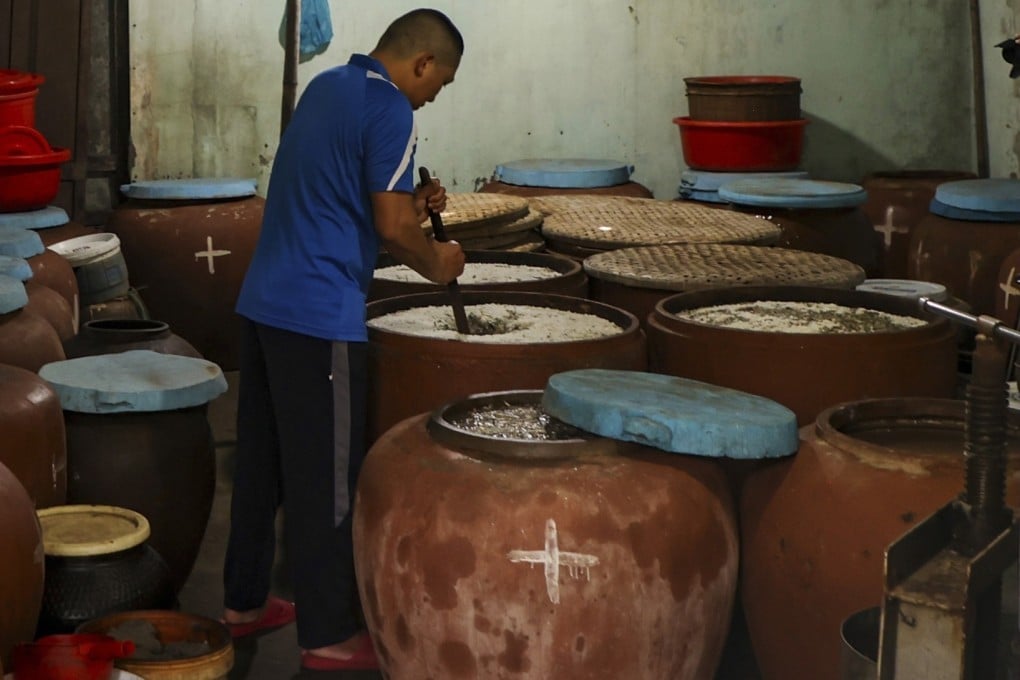
Bui Van Phong faced a choice when the Vietnam war ended 50 years ago: stay in his small village and help his parents carry on the family’s centuries-old tradition of making fish sauce, or join the hundreds of thousands of people fleeing his country for a better life.
Phong chose to stay behind and nurtured a business making the beloved condiment, known as nuoc mam in Vietnam, that is now in its fourth generation with his son, Bui Van Phu, 41, at the helm.
This short film pays tribute to professor Saleemul Huq, an environmental and climate change giant who died on 28 October 2023.
Professor Saleemul Huq OBE (1952-2023)
Following the passing of Professor Saleemul Huq, senior fellow of IIED. This book of remembrance is open to all who wish to share their memories of Saleem.
Article, 29 October 2023
Professor Saleemul Huq was an environmental and climate change giant and senior fellow and dear friend of IIED and many IIED colleagues past and present.
The honour was awarded in recognition of his work to build climate expertise in Bangladesh, the UK and across the world.
Saleem was an expert on the links between climate change and sustainable development, particularly from the perspective of vulnerable developing countries. A constant voice for climate action and justice for the global South, he was the lead author of chapters in the third, fourth and fifth assessment reports of the Intergovernmental Panel on Climate Change. Huq’s work with the IPCC spanned 1997 to 2014 and he contributed to reports that led to the panel being awarded the Nobel Peace Prize in 2007.
He set up the climate change research group at IIED in 2000 and was its initial director – continuing as a senior fellow until 2021 – and worked across the institute to ensure climate was at the heart of all that IIED did.
IIED executive director Tom Mitchell said: “I would like to offer my deepest sympathy and condolences to Saleem’s family and loved ones on behalf of IIED. There was no one quite like Saleem and I will remember his unique combination of warmth, generosity of spirit, academic prowess and enormous standing in climate science.
In this free resource, explore seven ways countries are responding to a changing environment, from cap and trade policies to clean energy standards.
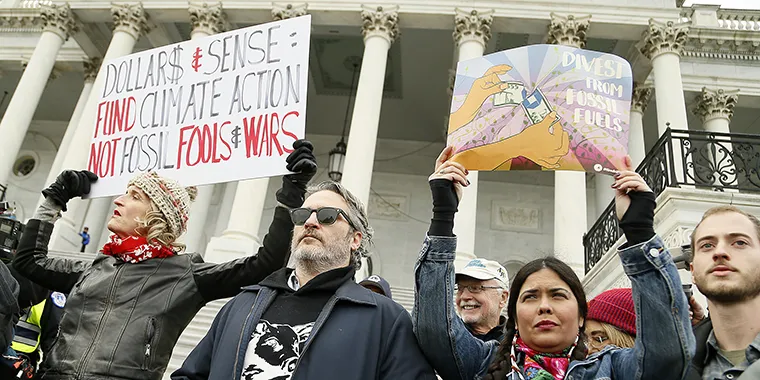
Actor Joaquin Phoenix (center) stands with protestors waiting to be arrested on the steps of the U.S. Capitol Building during a climate change protest and rally on Capitol Hill on January 10, 2020 in Washington, D.C.
Have you ever brought a reusable tote bag to the grocery store? Or refilled a water bottle rather than buying a disposable one? Do you separate your recycling from your trash?
If you answered yes to any of those questions, you’re not alone. In the United States, more than half of all adults claim to have taken some action to protect the environment. But will individual actions be enough to address the massive, transnational challenge of climate change? Unfortunately, no.




 CVD
CVD 