
— Central authorities deem the 2020-2022 period a “crucial stage” for SOE reform. Making the state-owned economy more competitive, innovative and resistant to risks is among the major goals they have in mind.
— The transition into modern enterprises is imperative as China continues to level the playing field, creating a fairer competition environment. Key industries, such as energy, railway, automobile, telecommunications and public utilities, have been gradually opened for private and foreign investment.
— Regulators are giving SOE executives more autonomy in making corporate decisions, including drafting annual investment schemes, arranging mixed-ownership reform of subsidiaries, and issuing short-term bonds.
by Xinhua writers Wang Xiuqiong, Zhao Yang, Wang Xi
BEIJING, Jan. 29 (Xinhua) — As a three-year action plan kicks reform into high gear, changes are gathering steam to remold China’s state-owned enterprises (SOEs) — the country’s economic backbone.
The 2020-2022 action plan, part of the decades-long efforts to transform SOEs into competitive, modern enterprises, is expected to leave a strong mark on the world’s second-largest economy.
Tiếp tục đọc “How will China’s SOE reform fare with three-year action?”
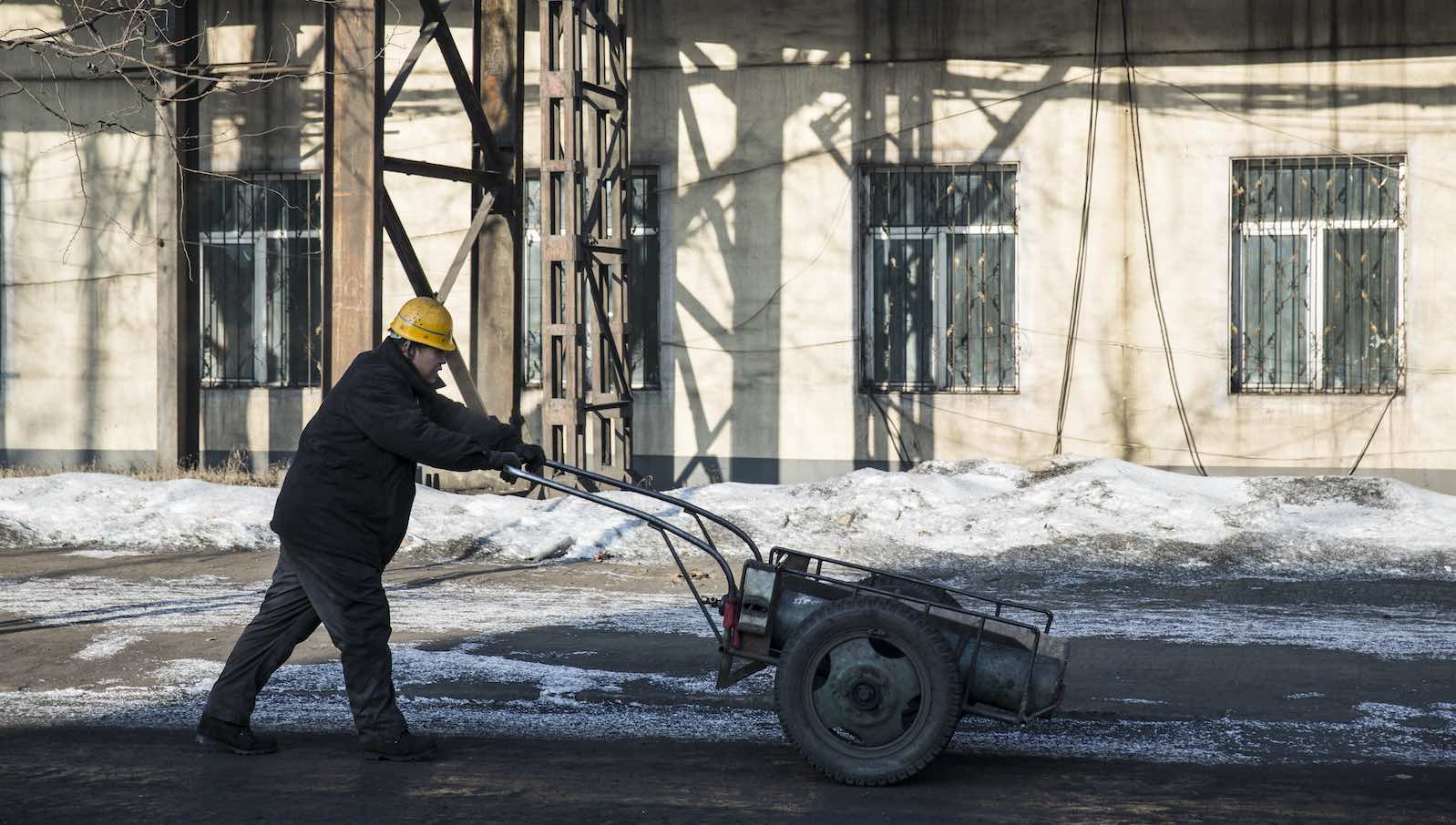 The Tonghua Iron and Steel Mill in Tonghua, Jilin province, China, in 2016, one of many state-run steel mills that struggled to modernise (Qilai Shen/In Pictures via Getty Images Images)Published 15 Apr 2021 10:00

 CVD
CVD 