The building scheme is part of an effort to become a “transportation power”
Sep 15th 2022Share
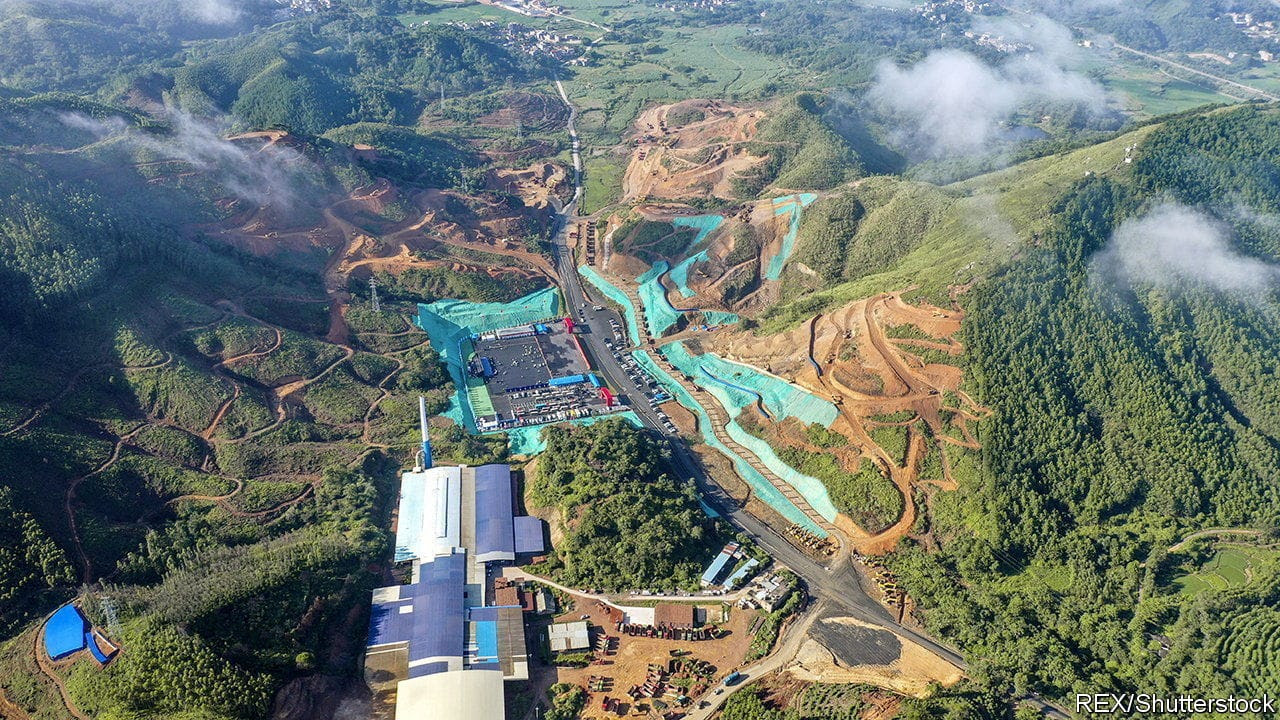
These are good times for local officials who want to build expensive infrastructure. To revive a flagging economy, battered by draconian pandemic-control measures, the central government is giving them freer rein. The southern province of Guangxi has a project that fits the bill: a canal costing $10.5bn that will link its main river system to the sea. It will involve a spree of demolition, digging, dredging and building over the next four and a half years. Mulled over for more than a century, the project began last month.
As the Regional Comprehensive Economic Partnership (RCEP) machine whirrs into life and trade flows within the bloc increase, could its paucity of explicit ESG provisions lead to a lowering of sustainability ambitions for trade? Eleanor Wragg reports.
Just over a year has passed since RCEP, the world’s largest trade agreement, came into force. Covering a third of the world’s population and linking together least developed countries (LDCs) such as Laos, Cambodia and Myanmar to wealthier nations like Australia, China, South Korea and Japan, the deal promises to inject new impetus into regional integration and cement the position of ‘Factory Asia’ at the centre of the world’s supply chains.
The well-documented linkages between trade liberalisation and increased productivity, wages and employment could help some of RCEP’s poorest countries inch closer to achieving United Nations Sustainable Development Goals (SDGs) 1 – no poverty, and 8 – decent work and economic growth.
However, unlike most recent preferential trade pacts, RCEP does not contain provisions on topics such as the environment or labour rights, raising questions about the extent to which it balances economic interest with social and environmental protections.
A shot in the arm for Asian trade
Thrashed out over eight long years of painstaking negotiations between the 10 Asean member states, Australia, China, Japan, New Zealand, South Korea as well as India – which walked away from talks before they were finalised – RCEP streamlines the tangled web of bilateral trade agreements among its signatories into a bumper megadeal that spans 510 pages of agreement text and thousands upon thousands of pages of associated schedules.
The New Silk Road is China’s grand trillion-dollar strategy to link up 65 countries and 4.4 billion people. How will these developments in Indochina impact the rest of ASEAN?
In this episode, we look at massive cross-border economic zones in Myanmar and Yunnan, ASEAN industrial parks in Guangxi, and an ambitious plan for an information Silk Road which will transform the infocomm sectors of several ASEAN countries.
Quan hệ tam giác Trung Quốc – ASEAN – Nhật Bản có vai trò quan trọng trong việc thiết lập cục diện quan hệ quốc tế ở khu vực Đông Á. Trong mức độ nhất định, cấu trúc quan hệ này đang trực tiếp thúc đẩy và quyết định chiều hướng vận động của tiến trình hợp tác phát triển khu vực. Bài viết vận dụng phương pháp phân tích quan hệ “Tam giác chiến lược” để tìm hiểu quan hệ tương hỗ giữa Trung Quốc, ASEAN và Nhật Bản, qua đó đưa ra những khả năng và triển vọng về mô hình nhất thể hóa Đông Á trong tương lai. Tiếp tục đọc “Biến đổi trong quan hệ tam giác Trung Quốc – ASEAN – Nhật Bản với triển vọng nhất thể hóa Đông Á”→



 CVD
CVD 