Tham nhũng trong mối quan hệ với buôn bán trái phép động vật hoang dã ở Việt Nam

Viện Kiểm Sát Nhân Dân 20/09/2024 – 15:45 | Trao đổi pháp luật

Tham nhũng và buôn bán trái phép động vật hoang dã đang trở thành vấn đề nóng trên diễn đàn quốc tế khi nói đến tội phạm mới hiện nay. Vậy tham nhũng có mối liên hệ như thế nào với buôn bán động vật hoang dã, có những hình thức tham nhũng nào và biện pháp nào để ngăn ngừa tham nhũng trong buôn bán động vật hoang dã? Đây là những vấn đề được đề cập, phân tích trong bài viết.

Việt Nam là quốc gia nằm trong vùng đa dạng sinh học Đông Dương – Myanma của Đông Nam Á. Đây cũng được xem là trung tâm buôn bán động vật hoang dã (ĐVHD) trên toàn cầu. Các hành vi buôn bán trái pháp luật ĐVHD ngày càng đáng báo động, đe dọa đến đa dạng sinh học và sự bảo tồn giống loài. Bên cạnh đó, vấn nạn tham nhũng cũng đã phát sinh trong quá trình thực thi các biện pháp phòng, chống vi phạm pháp luật về bảo vệ ĐVHD, trong đó có buôn bán trái pháp luật ĐVHD, gây hệ lụy không nhỏ đến kinh tế. Vậy, tham nhũng có mối liên hệ như thế nào với buôn bán ĐVHD, có những hình thức nào và làm cách nào để ngăn ngừa tham nhũng trong buôn bán ĐVHD đang dần trở nên phổ biến hiện nay? Đó là những vấn đề đặt ra cần phải giải quyết, nhất là trong bối cảnh Đảng và Nhà nước quyết tâm thực hiện và nâng cao hiệu quả của hoạt động phòng chống tham nhũng đáp ứng nhu cầu cải cách tư pháp theo tinh thần Nghị quyết Đại hội XIII của Đảng.

1. Các hình thức tham nhũng trong buôn bán trái phép động vật hoang dã

Tiếp tục đọc “Tham nhũng trong mối quan hệ với buôn bán trái phép động vật hoang dã ở Việt Nam”

The challenges of campaigning against wildlife trafficking in Vietnam

Mongabay

by  on 1 August 2019

Part of anti-trafficking campaign in Ho Chi Minh City, Vietnam. Photo by Michael Tatarski for Mongabay.

  • “Be Their Bodhisattva,” a striking anti-wildlife trafficking campaign, was organized in Vietnam from Jan. 25 to March 25 this year.
  • The campaign caught the attention of both the public and prominent national media outlets.
  • However, record-breaking seizures of wildlife parts destined for Vietnam in the months since demonstrate the breadth and depth of the problem.

HO CHI MINH CITY, Vietnam — In late January, WildAid and the Ho Chi Minh City-based Center of Hands-on Actions and Networking for Growth and Environment (CHANGE) launched a graphic anti-wildlife trafficking campaign focused on three animals: pangolins, elephants and rhinos. Tiếp tục đọc “The challenges of campaigning against wildlife trafficking in Vietnam”

Using artificial intelligence to investigate illegal wildlife trade on social media

Sciencedaily.com

Date:March 12, 2018 Source:University of Helsinki

FULL STORY

These are Southern white rhinoceros (Ceratotherium simum simum) in an undisclosed protected area in South Africa.
Credit: Enrico Di Minin

Illegal wildlife trade is one of the biggest threats to biodiversity conservation and is currently expanding to social media. This is a worrisome trend, given the ease of access and popularity of social media. Efficient monitoring of illegal wildlife trade on social media is therefore crucial for conserving biodiversity.

In a new article published in the journal Conservation Biology, scientists from the University of Helsinki, Digital Geography Lab, argue that methods from artificial intelligence can be used to help monitor the illegal wildlife trade on social media. Tiếp tục đọc “Using artificial intelligence to investigate illegal wildlife trade on social media”

More than 6,000 South Africa lion skeletons exported to Southeast Asia

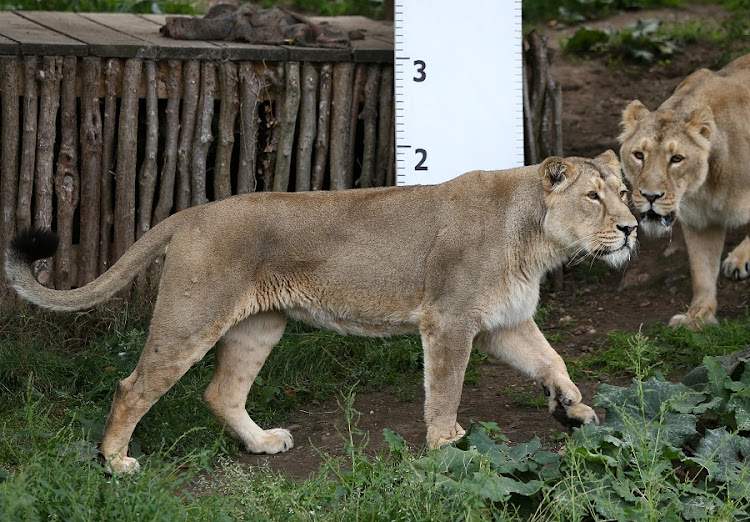
Lions stand by a large ruler during photo-call for the annual weigh-in at London Zoo. File picture: REUTERS/NEIL HALL

businesslive.co.za_Lions stand by a large ruler during photo-call for the annual weigh-in at London Zoo. File picture: REUTERS/NEIL HALL

More than 6‚000 lion skeletons have been exported from SA to Southeast Asia in the last decade. The bones come mainly from lions killed in canned hunting — animals bred in captivity and shot by paying hunters — according to research led by a University of the Witwatersrand (Wits) academic.

More than half the lion skeletons‚ skulls‚ claws and teeth exported by SA go to Laos‚ with the rest going to Vietnam and Thailand‚ says Vivienne Williams of Wits.
Tiếp tục đọc “More than 6,000 South Africa lion skeletons exported to Southeast Asia”