China and Russia challenge the Arctic order

But understanding how means looking beyond their partnership

DIIS.dk DIIS Policy Brief 9 July 2025

Sino-Russian Arctic cooperation is real but limited – and should not distract from the broader strategic challenges each country poses individually. While the partnership merits attention, some aspects are more symbolic than substantive, with Russia ultimately controlling the pace and direction.

Media narratives often highlight the growing alignment between China and Russia in the Arctic and the potential threat this poses to other states. Yet the partnership remains constrained by diverging priorities, Russia’s wariness of Chinese influence, and China’s reluctance to expose itself to sanctions or engage in risky ventures.

At the same time Russia’s increasing dependence on China since its full-scale invasion of Ukraine in 2022 has given Beijing opportunities to pursue deeper access to the Russian Arctic on its own terms and in areas that align with its long-term objectives. Rather than engaging broadly, China is selective in how and where it invests or participates – a dynamic that could intensify underlying frictions between the two even as global geopolitical shifts continue to draw them closer in the region.
Tiếp tục đọc “China and Russia challenge the Arctic order”

Russia’s war has chilling effect on climate science as Arctic temperatures soar

And yet, just when the climate scientists and governments across the eight Arctic states should be working together to understand and address the climate crisis, Russia’s war on Ukraine has forced the Arctic Council, an intergovernmental group of Arctic states and Arctic Indigenous Peoples, to suspend their joint activities in protest of Russia’s unprovoked aggression.

thebulletin.org

By Jessica McKenzie | March 29, 2022

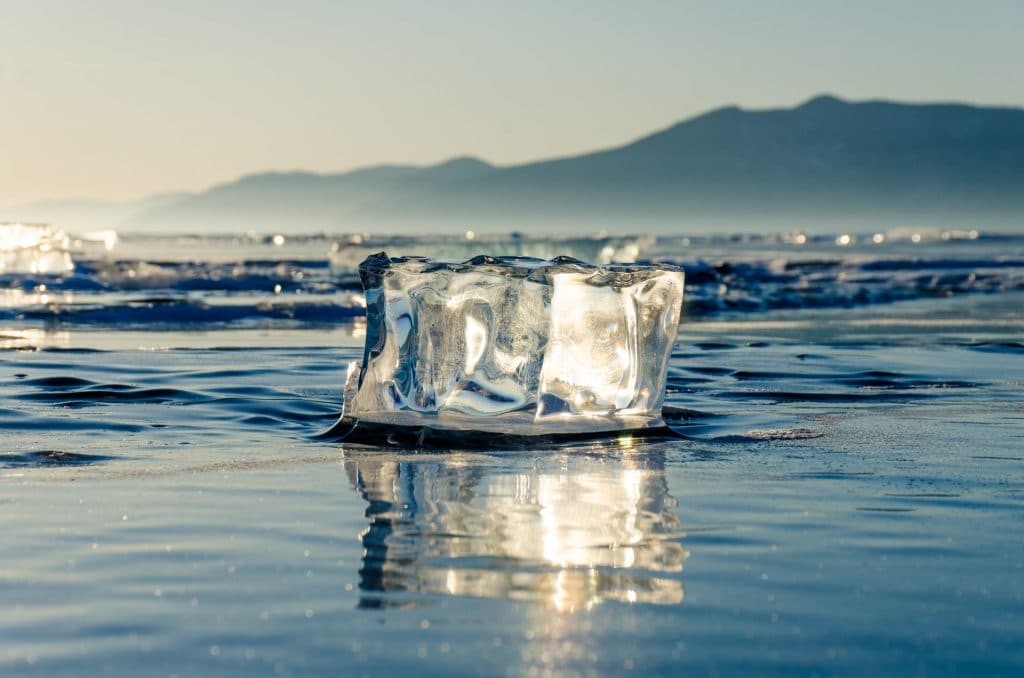
ice melting on a siberian lake Lake Baikal, Siberia, Russia (Photo by Daniel Born on Unsplash)

Earlier in March, temperatures around the North Pole approached the melting point, right around the time of year that Arctic sea ice is usually most extensive. In some places, the Arctic was more than 50 degrees Fahrenheit warmer than average. It’s part of an alarming trend; over the past 30 years the region has warmed four times faster than the rest of the globe. The shift is transforming the Arctic land- and seascape, causing sea ice to melt, glaciers and ice sheets to retreat, and permafrost to thaw. And while the Arctic is particularly vulnerable to climate change, it also has an outsized potential to contribute to global warming, as melting permafrost releases carbon dioxide and methane into the atmosphere.

Tiếp tục đọc “Russia’s war has chilling effect on climate science as Arctic temperatures soar”