THANH HÓA Trên chiếc bè như thời cổ đại, ông Lương Viết Lợi và đoàn thám hiểm vượt 5.500 dặm, đối diện nhiều cạm bẫy, hiểm nguy giữa đại dương mênh mông.
Mùa hè năm 1993, ông Lợi được nhà thám hiểm Tim Severin (1940-2020, người Ireland) lựa chọn để thực hiện hải trình dự kiến dài khoảng 6.400 dặm, tương đương 10.000 km vượt Thái Bình Dương từ Hong Kong đến Mỹ. Mục đích của chuyến đi là muốn kiểm nghiệm lý thuyết cách đây khoảng 2.000 năm những người châu Á đã tới châu Mỹ trên chiếc bè mảng đơn sơ.
Chiếc mảng Từ Phúc trên biển Thái Bình Dương. Ảnh: Tư liệu
Ngày 17/5/1993, sau ba tuần chuẩn bị và chạy thử ở ven biển Hong Kong, đoàn thám hiểm xuất phát từ cảng Aberdeen, gần đảo Po Ti (hay Bồ Đài) ở phía nam Hong Kong. “Trừ Lợi, tất cả chúng tôi đều cảm thấy như dân tập sự khi nhổ neo, giương buồm và bắt đầu ra khơi…”, Tim kể trong cuốn The China Voyage (Chuyến du hành Trung Hoa).
Within 300 kilometers of Ho Chi Minh City, these five getaways present an opportunity to escape the Tet crowds, offering a retreat to the beach, camping, or mountain trekking.
From Ho Chi Minh City, numerous natural attractions await, from national parks and streams to waterfalls. Nguyen Quang, owner of a campsite, notes that the cost of these trips is just under VND3 million ($122) per person, spanning a three-day schedule, offering relaxation from the hustle and bustle of the city.
Here are 5 budget-friendly destinations that Quang recommended for nature travelers looking to steer clear of the crowds at the start of the year.
1. Bu Gia Map National Park in Binh Phuoc Province
Bu Gia Map National Park, spanning over 25,000 hectares in Phu Nghia Commune, Bu Gia Map District, Binh Phuoc Province is just 190 kilometers and a 4-5 hour drive from Ho Chi Minh City.
Bu Gia Map national park is filled with tall trees and meandering streams. Photo by VnExpress/Vo Thi Hong
Châu Âu chìm trong khủng hoảng năng lượng. Các công ty châu Âu đang dần chuyển hướng sang Mỹ. Người Mỹ thì lợi dụng điều này để bán khí thiên nhiên hóa lỏng (LNG) cho châu Âu với giá cao.
Không còn lựa chọn nào khác, châu Âu đang bắt đầu xây dựng các bến cảng lớn để tiếp nhận hàng từ Mỹ. Thế nhưng, sau đó, Mỹ tuyên bố đình chỉ các dự án LNG và sẽ không cung cấp cho châu Âu trong những năm tới.
Tổng thống Mỹ Joe Biden ngày 26/1 công bố lệnh tạm dừng xây dựng các kho cảng xuất khẩu LNG mới. Theo dữ liệu do tổ chức quốc tế Cedigaz công bố, trong năm 2023, Mỹ là nước xuất khẩu LNG hàng đầu thế giới. Theo Nhà Trắng, khoảng một nửa lượng xuất khẩu LNG vào năm 2023 được xuất khẩu sang châu Âu, do lục địa này đã chấm dứt việc nhập khẩu khí đốt của Nga kể từ khi nổ ra cuộc xung đột tại Ukraine.
Tòa án Công lý quốc tế (ICJ) vừa đưa ra một quyết định liên quan vụ kiện của Nam Phi đối với Israel về tội “diệt chủng” khi tiến hành hoạt động quân sự chống lực lượng Hamas ở Dải Gaza, gây ra cái chết cho hàng chục ngàn thường dân Palestine vô tội.
Các thẩm phán Tòa ICJ đưa ra phán quyết.
Tuy nhiên, ICJ cũng mở cho Israel một lối thoát “cửa hậu” bằng cách không đáp ứng hoàn toàn yêu cầu của Nam Phi là buộc Israel ngừng bắn ngay lập tức mà chỉ yêu cầu Israel “đảm bảo rằng hành động quân sự tại Gaza là không diệt chủng”.
The US lifting the embargo on Việt Nam was considered to mark a new chapter in the diplomatic history of the two countries.
From right: US President Bill Clinton, Chairman of Joint Chiefs John Shalikashvili, and Secretary of Defense Leslie Aspin, Jr at a press conference on dropping the 19-year ban on US trade with Việt Nam on February 3,1994. — AFP/VNA Photo
HÀ NỘI — US Ambassador to Việt Nam Marc Knapper affirmed that the lifting of the trade embargo by US President Bill Clinton 30 years ago paved the way for terrific advances in bilateral trade and economic relations between Việt Nam and the US.
He made the statement on the occasion of the 30th anniversary of the US lifting the embargo on Việt Nam (1994-2024). The event was considered to mark a new chapter in the diplomatic history of the two countries.
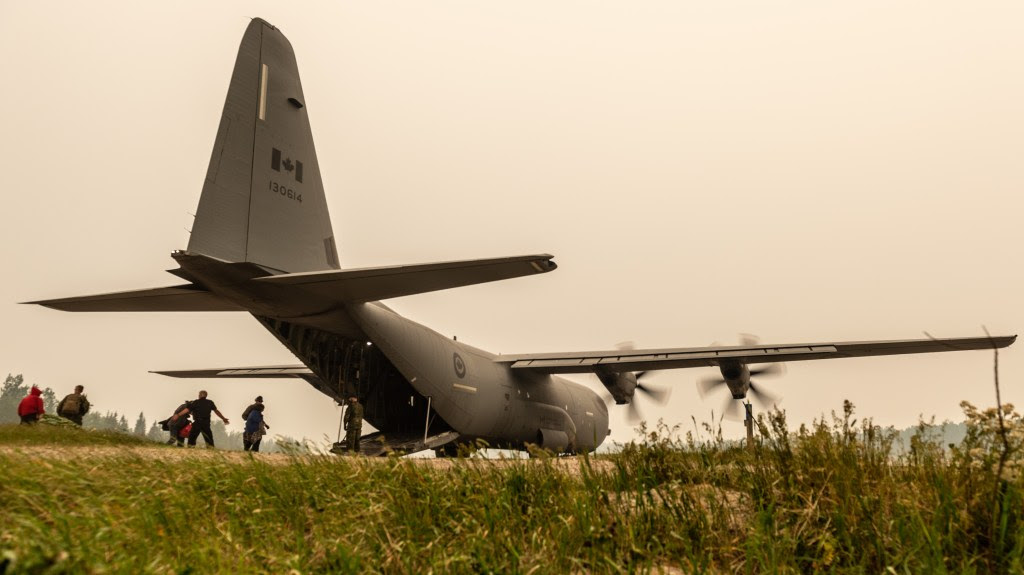
A U.S. Army CH-47 Chinook helicopter assigned to the 25th Infantry Division delivers essential medical supplies and logistical equipment for the Lahaina National Guard Role I facility, supporting Maui County authorities to provide immediate security, safety, and well-being to those affected by the wildfires to ensure unwavering support for the community of Maui and first responders. (U.S. Army photo by Spc. Abreanna Goodrich)
Since June 2022, MiRCH has identified military deployments for floods, storms, droughts, heat, wildfires, and other hazards on every continent, involving the armed services of 68 countries. With the growing severity and frequency of climate hazards, the scale of some MiRCH incidents have been immense, placing enormous pressure on defense forces to provide assistance. For instance, wildfires in Canada burned through a record high of more than 45 million acres in 2023 requiring the Canadian Armed Forces to engage in firefighting for over 100 days. Meanwhile, extreme precipitation and flooding in Libya, East Africa, and elsewhere have displaced millions of people, resulting in the deployment of thousands of military personnel.
The pace and breadth of climate hazards present additional challenges to militaries worldwide. MiRCH has recorded 10 countries where their armed services responded to more than one climate hazard in the same month. In December 2023, India’s southern state of Tamil Nadu was still recovering from the damage caused by Cyclone Michaung when intense rainfall later in the month led to severe flooding in the region again, prompting the Indian Armed Forces to amplify their recovery efforts. Additionally, although defense forces continue to widely perform more traditional disaster relief duties, such as providing logistical support, conducting search and rescue operations, evacuating affected areas, and delivering critical aid and supplies, they are also being deployed for missions beyond these roles. For example, the Swiss army has airlifted water to thousands of livestock during water shortages, the West Virginia National Guard conducted aerial firefighting for the first time, and Indonesia ordered the military to assist farmers in planting rice since drought has reduced production of the staple crop.
Record high temperatures, combined with a strong El Niño event, contributed to unprecedented extreme weather events that required military responses in 2023, from the first Category-5 storm in recorded history to make landfall in the Mexican Pacific to Canada’s historic fire season. As global temperatures continue to rise, climate hazards are projected to further intensify, placing an even greater demand on armed services to provide relief in the future. In the near term, extreme weather events in the next few months could be particularly severe as the current El Niño is expected to continue at least until April.
High Demand Poses Readiness Questions for Militaries
The Shinkansen high-speed train in Japan. Photo by VnExpress/Anh DuyThe proposed north-south high-speed railway project would require around 13,880 people to operate by its scheduled opening date of 2040, according to the Vietnam Railways Corporation.
VNE – By Tat Dat February 4, 2024 | 09:00 pm GMT+7
Employees work in Garmex Saigon’s factory in Ba Ria – Vung Tau, southern Vietnam. Photo courtesy of the company
Garment company Garmex Saigon cut 1,947 jobs last year and closed the year with 35 employees during one of the hardest times for the garment sector.
This followed a 1,828-job layoff in 2022, bringing the total number of employees laid off in the last two years to 3,775, according to its financial reports.
Garmex Saigon, which has been operating for two decades, saw revenues plunge 35-fold to VND8.6 billion ($353,183) last year due to a drop in orders. It recorded no order in the last six months of the year.
The WH has set its sights on Israel’s settlers, a controversial movement that has grown in power over the years & is seen by the outside world as a major impediment to peace between Israel & the Palestinians.
Former Australian diplomat John Lander returns to CITIZENS INSIGHT in the wake of the Israel-Gaza war to discuss the broader global geopolitical ramifications.
Interview with John Lander, Former Deputy Ambassador to China (1974-76), Former Ambassador to Iran (1985–87) Hosted by Robert Barwick, Research Director of the Australian Citizens Party
From Israel-Hamas War of Genocide to China-Taiwan issue, analysis to see the “rule-based order” of the US and Its allies, in which the “rules” keep changing to serve US’ and ít allies’ interests and no one really knows what the rules are.
After the Youtube clip is the computer-generated transcrip of the talk.
Hue, Vung Tau, and Quy Nhon have been awarded the ASEAN Clean Tourist City Awards 2024, recognized for their commitment to cleanliness, managing waste, and promoting environmental awareness.
The award ceremony is part of the ASEAN Tourism Forum 2024, held in the Laos capital Vientiane, from Jan. 22 – 27.
These three destinations have been honored with the ASEAN Clean Tourism City award before. Quy Nhon earned the award in 2020, while Vung Tau and Hue have each claimed the award three times previously.
An aerial view of the Hue Citadel in central Vietnam. Photo by VnExpress/Nguyen Trung Thanh
TTCT – 2 triệu tỉ đồng: nghe chóng mặt không hình dung nổi có bao nhiêu con số không, nhưng với các gói kích thích kinh tế hay chính sách tài khóa, thì cũng là… bình thường.
Chênh lệch tăng trưởng cung tiền M2 so với M1 ở Trung Quốc cho thấy phần lớn lượng cung tiền M2 tăng lên được người dân bỏ vào trong ngân hàng dù lãi suất tiền gửi chỉ còn 1,25-1,5%. Ảnh: Ngân hàng Nhân dân Trung Quốc, Bloomberg
Đầu năm 2024, truyền thông Việt Nam đồng loạt đăng thông điệp khoảng 2 triệu tỉ đồng sẽ được bơm vào nền kinh tế. Nghe thì có vẻ ghê gớm, nhưng thực hư câu chuyện này như thế nào?
Kinh tế Sài Gòn Online – Việt Nam đang bước vào thị trường cảng trung chuyển container quốc tế trong khu vực châu Á, thị trường có tính cạnh tranh được đánh giá là rất khốc liệt.
Bộ Giao thông Vận tải điều chỉnh quy hoạch ưu tiên phát triển cảng trung chuyển quốc tế Cần Giờ, đồng thời đề xuất điều chỉnh bổ sung cảng biển TPHCM quy hoạch tiềm năng thành cảng biển đặc biệt. Ảnh: H.P
Trong tháng 12-2023, Bộ Giao thông Vận tải (GTVT) đã trình Thủ tướng Chính phủ phê duyệt điều chỉnh Quy hoạch tổng thể phát triển hệ thống cảng biển Việt Nam thời kỳ 2021-2030, tầm nhìn đến năm 2050. Trong đó, Bộ GTVT điều chỉnh quy hoạch ưu tiên phát triển cảng trung chuyển quốc tế Cần Giờ (TPHCM) theo Nghị quyết 81/2023 của Quốc hội đồng thời đề xuất điều chỉnh bổ sung cảng biển TPHCM quy hoạch tiềm năng thành cảng biển đặc biệt. Tổng công suất hàng hóa thông qua dự kiến đạt 4,8 triệu TEU cho giai đoạn 1 (dự kiến năm 2027) và 16,9 triệu TEU khi hoàn thiện (dự kiến năm 2040).
Apartment buildings, land plots and townhouses in HCMC’s eastern area. Photo by VnExpress/Quynh Tran
Amendments to the Land Law that will take effect next year are set to make it easier for overseas Vietnamese to buy properties in the country.
Overseas Vietnamese, or Viet Kieu, who do not have citizenship will get exactly the same rights as Vietnamese citizens when the changes take effect in 2025.
The revised law will allow overseas Vietnamese to buy and rent houses that come with land, obtain land-use rights at housing projects and inherit residential and other types of lands adjoining houses.






 CVD
CVD 