
“I wonder if any member of this Council has ever met a five-year-old child who no longer wants to live.”
American trauma surgeon Feroze Sidhwa, addressing the UN Security Council on Wednesday, recounted cases he encountered in Gaza, stating that many of his patients were children.
Việt Nam trong top điểm đến có nhiều review du lịch ‘ảo’
VNE – Thứ tư, 28/5/2025, 10:14 (GMT+7)
Indonesia là quốc gia dẫn đầu về tỷ lệ trả tiền để có đánh giá du lịch – một dạng đánh giá giả mạo – và Việt Nam xếp thứ hai, theo báo cáo của Tripadvisor.
 Khách quốc tế đạp xe tham quan làng rau Trà Quế, Hội An tháng 11, địa điểm được xếp hạng 4,9/5 sao trên Tripadvisor. Ảnh: Đắc Thành
Theo “Báo cáo minh bạch 2025” Tripadvisor công bố tháng 5, khoảng 8% trong hơn 31 triệu đánh giá trên nền tảng du lịch trực tuyến này năm 2024 là giả mạo, tăng hơn 100% so với năm 2022. Nền tảng đã áp dụng quy trình kiểm duyệt đánh giá của người dùng, gồm phát hiện tự động, kiểm duyệt bởi con người và phản hồi từ cộng đồng.
Tiếp tục đọc “Việt Nam trong top điểm đến có nhiều review du lịch ‘ảo’”Emergency reserves, high prices, rationing. How did Japan’s rice crisis get this far?
Japan’s agriculture minister has resigned because of political fallout over his comment that he “never had to buy rice” because he got it from supporters as gifts.Read More
Japan’s agriculture minister has resigned because of political fallout over his comment that he “never had to buy rice” because he got it from supporters as gifts. (Produced by Elaine Carroll)Read More
Tiếp tục đọc “Emergency reserves, high prices, rationing. How did Japan’s rice crisis get this far?”
I see Gaza
I See Gaza | EP 1: From Oslo’s Streets to Gaza
See Gaza’s first episode takes us to Oslo, where artists, students, and citizens fill the streets in support of Gaza. Though far from Palestine, their voices echo beyond Norway’s borders. Watch the first episode to see how they demand justice, resist violence, and call for accountability. Tiếp tục đọc “I see Gaza”
Gaza hunger crisis: Desperate crowds storm US aid distribution site in Rafah as operation collapses
May 27, 2025 #Palestine #Israel #Gaza
Chaotic scenes unfolded in Rafah, southern Gaza, as Palestinians rushed a US aid distribution site in Tal as-Sultan, prompting American security personnel to fire warning shots. Israeli forces reportedly intervened remotely to disperse crowds. Israeli Army radio cited security sources distancing Israel from the incident while confirming US contractors regained control. The aid was distributed by the Gaza Humanitarian Foundation, a controversial organisation established after Israel blocked UN access in March. Footage shows desperate civilians amid strict aid restrictions. The foundation’s private contractor-led operations have drawn criticism for lacking UN neutrality protocols. This incident highlights escalating tensions over aid delivery in the besieged enclave.
Al Jazeera’s correspondents are tracking developments across key locations, including Hind Khoudary and Hani Mahmoud in Gaza, and Kristen Saloomey at the United Nations in New York. We’re also joined by analysts and experts: Tamer Qarmout, Associate Professor of Public Policy at the Doha Institute for Graduate Studies, speaking from Doha; Ahmed Bayram, Middle East Spokesperson for the Norwegian Refugee Council, joining us from Amman; and Chris Gunness, former Chief Spokesperson for the United Nations Relief and Works Agency for Palestine Refugees, speaking from London.
Cambodia: Was the killing of ex-MP Lim Kimya a political assassination?
Al Jazeera English – 24-5-2025
Critics say the Cambodian government’s attacks on opposition members and activists have gone global.
On January 7, 2025, former Cambodian opposition politician, Lim Kimya, was gunned down outside a busy bus station in central Bangkok.
A former Thai marine confessed to carrying out the hit as a gun for hire, but two Cambodians with ties to their country’s governing party are on the run, suspected of organising the murder.
While Lim Kimya’s family and friends are seeking justice, Cambodia’s prime minister, Hun Manet, denies his government had any involvement.
101 East investigates the brazen killing and Cambodia’s increasingly repressive government.
Palestinians in Gaza are facing a death sentence
Doctors Without Borders / MSF-USA
We are running out of time to save lives. The humanitarian situation in Gaza is catastrophic, as a result of the ongoing Israeli-imposed siege that has lasted for over two months. We call on the Israeli authorities and their supporters to abide by International Humanitarian Law and follow the principles which allow for unhindered humanitarian aid for people trapped inside the Strip. Tiếp tục đọc “Palestinians in Gaza are facing a death sentence”
Vietnam’s diaspora is shaping the country their parents fled
The Economist Asia | Meet the Viet Kieu
As well as sending remittances, many are returning to their homeland

May 22nd 2025|HO CHI MINH CITYShareListen to this story
Fifty years ago Thinh Nguyen left his homeland aboard an American navy ship. Some of his compatriots escaped in helicopters. Tens of thousands fled in makeshift boats. Many more, including Mr Nguyen’s father and brother, were left behind as troops from North Vietnam stormed into Saigon, then the capital of American-backed South Vietnam. The chaotic evacuation marked the end of the Vietnam war, badly damaged American credibility and left Vietnam in Communist hands. It also helped create one of the world’s biggest diasporas.
Tiếp tục đọc “Vietnam’s diaspora is shaping the country their parents fled”
Crimes Associated with Critical Minerals in Southeast Asia
UNICRI – United Nations Interregional Crime and Justice Research Institute
NEW UNICRI Report: Crimes Associated with Critical Minerals in Southeast Asia
As Southeast Asia’s role in global critical mineral supply chains grows, so does its exposure to criminal threats like environmental crimes, corruption, and illicit financial flows.
UNICRI’s latest publication analyzes how various actors exploit legal and enforcement gaps across the mineral value chain. It includes case studies on unlawful extraction, smuggling, and corruption-linked offenses.
 Key criminal patterns identified:
- Illegal mining operations
- Corruption in licensing and environmental compliance
- Smuggling and laundering of proceeds
- Lack of supply chain transparency
 Recommendations to strengthen regional responses:
- Enhance financial investigation and AML cooperation
- Develop traceability tools and leverage complementary technologies such as satellite monitoring
- Build enforcement capacity on mining-related crime
- Promote inter-agency coordination
- Empower Indigenous and local communities through strengthened FPIC implementation
- Advance research on criminal methodologies in mineral supply chains
UNICRI supports collaboration among Member States and relevant stakeholders to promote secure, transparent, and sustainable mineral supply chains.
 Read the report: https://bit.ly/4lHUBf3

Curse Of Crystal Meth: Addiction, Trafficking & Dangerous Production Exposed | Addicted – Ep 1/3
May 24, 2025 #Meth#CNAInsider#DrugAddiction
An estimated 39.5 million people globally suffer from drug-use disorders — with a growing number hooked on synthetic drugs that are cheaper, more accessible, and far more lethal. We investigate the impacts of this synthetic curse, beginning in Karachi, where millions of young Pakistanis are caught in a deadly spiral of addiction and crime.
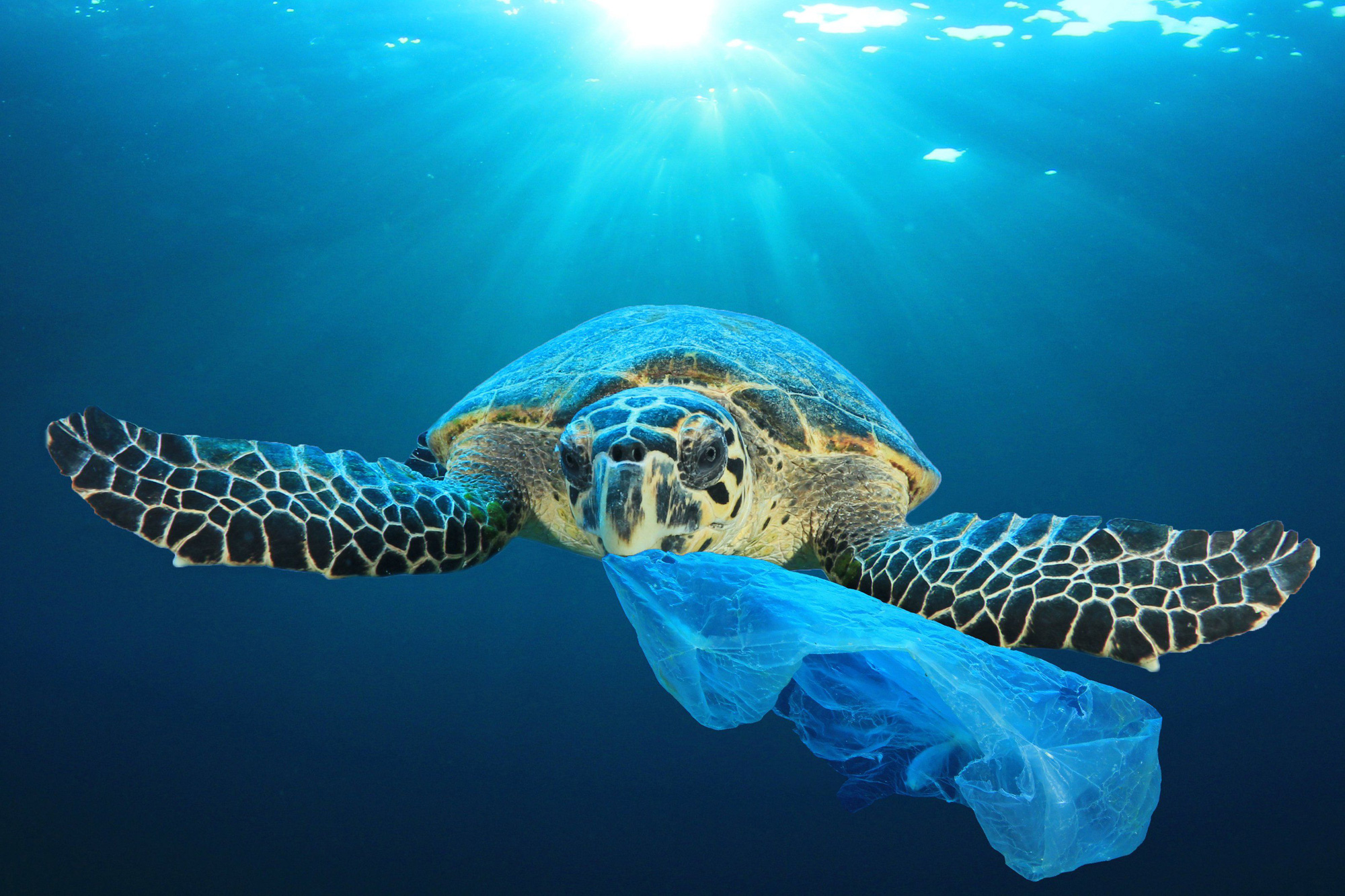
Vì sao sinh vật biển hay nuốt nhầm rác nhựa?
HOÀNG THI TTO – Các nhà khoa học cho biết không phải ngẫu nhiên mà sinh vật biển, đặc biệt là rùa, lại ăn rác thải nhựa…
What the blackout in Spain, Portugal says about renewables
DW.com Holly Young 05/20/2025May 20, 2025
The recent power outage in Spain and Portugal has raised questions about the stability of solar and wind power. It also reignited the debate around the phasing out of nuclear energy.
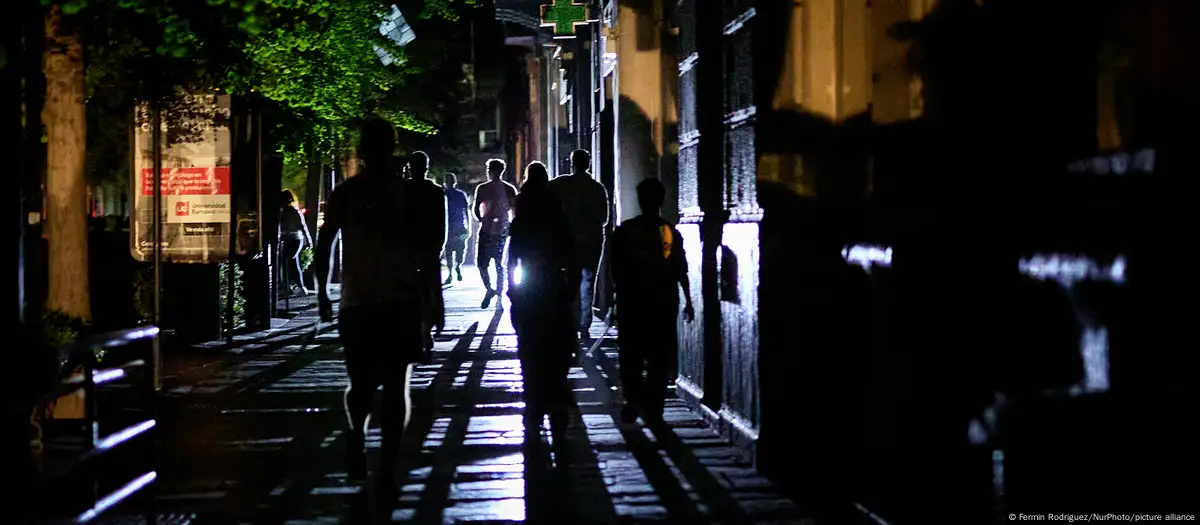
At 12:33 p.m. on April 28, swathes of Spain and parts of Portugal were plunged into darkness: trains were stranded, phone and internet coverage faltered, and ATMs stopped working.
The electricity blackout across the Iberian Peninsula is believed to be one of the worst in Europe’s history.
While most power was restored by the next morning, weeks later the investigation into the blackout is ongoing.
Last week, Spain’s energy minister Sara Aagesen said so far it was clear an abrupt loss of power at a substation in Granada, followed by failures in Badajoz and Seville, led to a loss of 2.2 gigawatts of electricity, but that the precise cause was unknown.
In the wait for answers, some have pointed the finger at Spain’s high reliance on renewables and reignited debates over plans to phase out nuclear power by 2035.
Are renewables to blame for the blackout?
Tiếp tục đọc “What the blackout in Spain, Portugal says about renewables”
TP Hồ Chí Minh: Nhiều nhà chờ xe buýt xuống cấp, bảng thông tin hư hỏng nặng
baotintuc.vn Thứ Ba, 13/05/2025 13:10 |
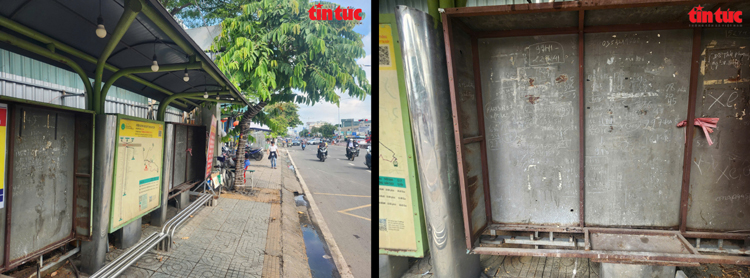
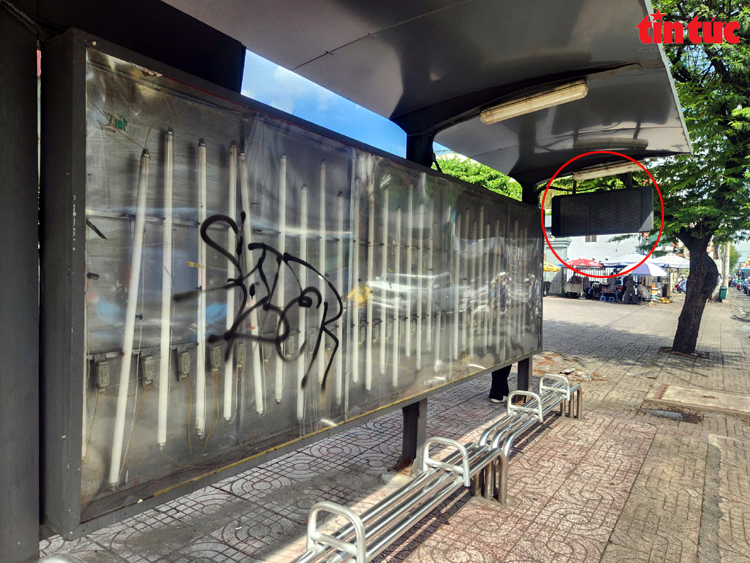
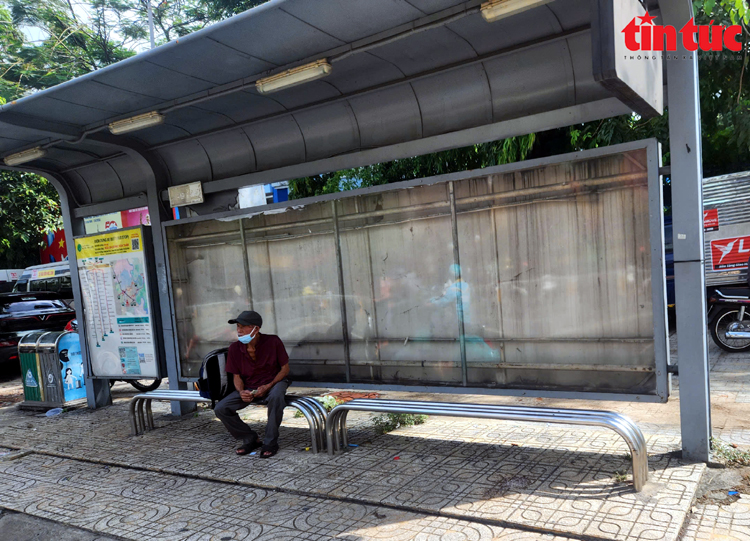
TP Hồ Chí Minh từng đầu tư đồng bộ nhiều nhà chờ xe buýt hiện đại với mái che, bảng thông tin điện tử, camera… nhằm nâng cao trải nghiệm cho người dân khi sử dụng phương tiện giao thông công cộng. Tuy nhiên, hiện nay nhiều nhà chờ và bảng thông tin điện tử đã rơi vào tình trạng xuống cấp, hư hỏng, gây bất tiện cho hành khách.
Theo ghi nhận của phóng viên báo Tin tức và Dân tộc, tại nhiều tuyến đường như Lê Lợi, Nguyễn Thị Minh Khai (Quận 1); Hồng Bàng, Thuận Kiều (Quận 5); Nguyễn Hữu Thọ (Quận 7); Trường Chinh (Quận Tân Bình); Lê Trọng Tấn (Quận Tân Phú) và khu vực huyện Nhà Bè… nhiều bảng đèn nhà chờ xe buýt hư hỏng, rỉ sét, bị vẽ bậy và bảng thông tin điện tử không còn hoạt động. Tình trạng này đặc biệt phổ biến trước các trường học, bệnh viện – nơi có lượng lớn người dân cần di chuyển bằng xe buýt.
Tiếp tục đọc “TP Hồ Chí Minh: Nhiều nhà chờ xe buýt xuống cấp, bảng thông tin hư hỏng nặng”
Book excerpt: “Freedom: Memoirs 1954-2021” by Angela Merkel
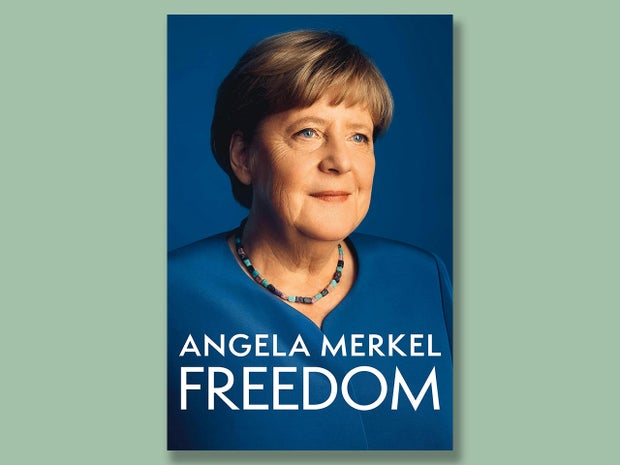
In “Freedom: Memoirs 1954-2021” (published by St. Martin’s Press), former German Chancellor Angela Merkel writes about two lives: her early years growing up under a Communist-controlled police state in East Germany, and her years as leader of a nation reunited following the fall of the Berlin Wall.
Read an excerpt below
Prologue
This book tells a story that will not happen again, because the state I lived in for thirty-five years ceased to exist in 1990. If it had been offered to a publishing house as a work of fiction, it would have been turned down, someone said to me early in 2022, a few weeks after I stepped down from the office of federal chancellor. He was familiar with such issues, and was glad that I had decided to write this book, precisely because of its story. A story that is as unlikely as it is real. It became clear to me: telling this story, drawing out its lines, finding the thread running through it, identifying leitmotifs, could also be important for the future.
For a long time I couldn’t imagine writing such a book. That first changed in 2015, at least a little. Back then, in the night between September 4 and 5, I had decided not to turn away the refugees coming from Hungary at the German-Austrian border. I experienced that decision, and above all its consequences, as a caesura in my chancellorship. There was a before and an after. That was when I undertook to describe, one day when I was no longer chancellor, the sequence of events, the reasons for my decision, my understanding of Europe and globalization bound up with it, in a form that only a book would make possible. I didn’t want to leave the further description and interpretation just to other people.
Tiếp tục đọc “Book excerpt: “Freedom: Memoirs 1954-2021” by Angela Merkel”
 CVD
CVD 