[Vietnam voted “Yes”]

Conversations on Vietnam Development

In Japanese folklore there are both toilet gods and toilet demons. The toilet gods are household deities, the toilet demons are water demons. Let’s look at the gods first, then the demons.
There is only very limited livestock on Japan farms. Human waste has traditionally been collected in cesspits and used as fertilizer. This meant that there was a risk of falling into a cesspit and possibly drowning. Protection was needed against this dreadful fate. Also, since the collected waste was used for fertilizer, the toilet was connected with fertility in general.
The kawaya no-kami or toilet god was asked for help. Special rituals at the new year asked for the kawaya no-kami to bring a good harvest. Keeping the toilet clean was thought to lead to more attractive children.
The specific name and rituals associated with the toilet god vary with location. The name is Takagamisama around Nagano, Setchinsan in Hiroshima, Kamu-taka on Ishigaki Island, Sechinbisan in Ōita, and Usshimasama in Ehime. In some places the family sit in front of the toilet on a straw mat and eat a rice cake, in other places they would put an offering of food into the toilet.
In far northern Japan the Ainu people believed that their toilet god, the Rukar Kamuy, would be the first deity to provide help in times of danger. The Rukar Kamuy is one of many Kamuy or household gods. There is Apasamn Kamuy the husband and wife god and goddess who keep evil spirits out of the house entrance. Cisepannokianpa Kamuy and Cisepennokianpa Kamuy, the husband and wife god and goddess of the eaves of the roof, protect the house from earthquakes and typhoons. Cisekor Kamuy, a male god, sits in the east corner of the house and watches over everything. He is the husband of Apehuci Kamuy, the goddess of fire. Colpep Kamuy is the god of containers, thanks are given to this god when containers are retired.
Để các dự án năng lượng tái tạo được sớm phát lên lưới, trách nhiệm không chỉ nằm ở EVN mà còn của Bộ Công Thương, UBND các tỉnh và nhất là các chủ đầu tư.
Được mở đường, nhà đầu tư vẫn lừng khừng
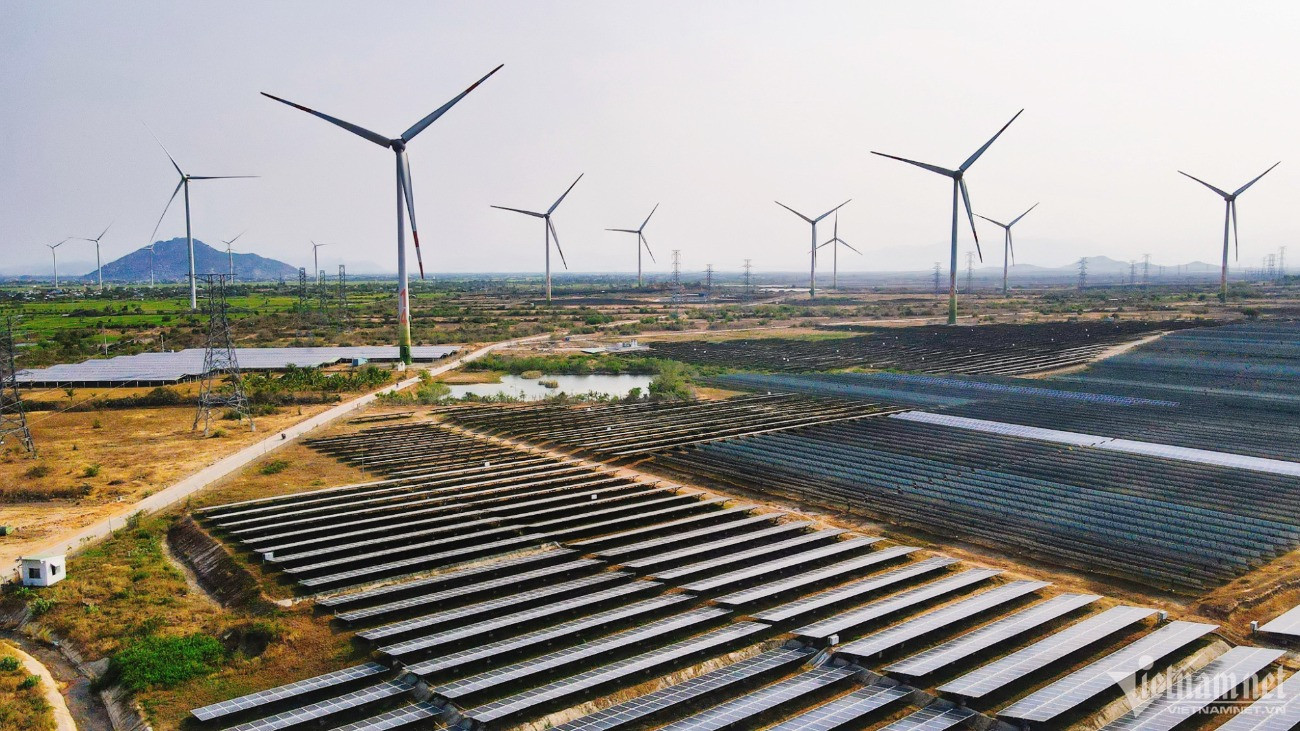
Đến nay có 85 dự án điện tái tạo (gồm 8 dự án điện mặt trời và 77 dự án điện gió), với tổng công suất hơn 4.700MW đã và đang đầu tư, xây dựng và lỡ hẹn giá ưu đãi vì giá FiT cho điện gió kết thúc vào tháng 31/10/2021 và điện mặt trời kết thúc vào tháng 12/2020.
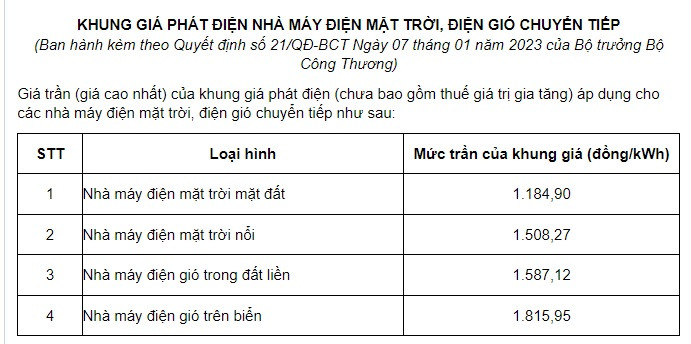
Mãi đến ngày 7/1/2023, Bộ trưởng Công Thương mới ban hành quyết định về khung giá phát điện nhà máy điện mặt trời, điện gió chuyển tiếp. Sự chậm trễ này rõ ràng có phần trách nhiệm của Bộ Công Thương.
Nhưng từ đó đến giữa tháng 5/2023, rất ít chủ đầu tư gửi hồ sơ đàm phán đến Công ty mua bán điện thuộc EVN (EPTC) vì nhà đầu tư “chê” mức giá đó là quá thấp.
UNDP.org May 31, 2023
Summary
The Paris Agreement changed the face of climate action.
The legally binding international treaty, which was adopted in 2015 by all 196 Parties to the UN Climate Convention in Paris, established universal global goals endorsed by all countries. Primarily, this includes ensuring global average temperature rise is held well below 2°C above pre-industrial levels and pursuing efforts to limit the increase to 1.5°C. It also includes an aim to increase the ability to adapt to climate impacts, and make finance flows consistent with country needs to achieve these goals.
Source: Defense.gov
Well, good morning, everyone.
It is indeed great to be back here for another Shangri-La Dialogue.
Let me thank John and everyone at IISS for their efforts to deepen our dialogue on the Indo-Pacific. You know, this is my third time speaking in Singapore at an IISS event. And so this is starting to be—it’s becoming a habit there, John.
I also want to thank our national host, Singapore, for your tremendous hospitality.
And it’s great to see Senior Minister Teo, and Minister Ng, and other distinguished guests from our host here today.
And I’m glad that we’re joined by so many defense ministers and leaders from around the Indo-Pacific and around the world.
One minister of defense made a special effort to be here today: my good friend Oleksii Reznikov of Ukraine. Oleksii’s seat is currently empty. I’m sure he’s working the room somewhere around here, but Oleskii, if you can hear me, I’d remind you that, I’d just tell you that your presence here reminds us that we can never take our peace and security for granted.
I’m also delighted to be here with Director Haines and many of our U.S. military leaders.
So thanks to everyone for being here today.
This dialogue is always a great opportunity to exchange views. And the only thing more wide-ranging than the conference agenda is the breakfast buffet.
[Laughter]
Tiếp tục đọc “‘A Shared Vision for the Indo-Pacific’: Remarks by Secretary of Defense Lloyd J. Austin III at the Shangri-La Dialogue (As Delivered)”Impact investing is a major topic on investors’ radar screens, boasting huge growth, and widespread acceptance among those seeking to align their portfolios with their values. But impact investing has always been more than a fad.
:max_bytes(150000):strip_icc():format(webp)/dotdash-history-impact-investing-Final-5ce8444275794c3c99868ddbc11b1011.jpg)
Impact investing is also referred to as socially responsible investing (SRI). The practice has a rich history. In Biblical times, ethical investing was mandated by Jewish law. Tzedek (which means justice and equality), comprises rules to correct the imbalances that humans cause. Tzedek is referred to in the first five books of the Bible—collectively called the Pentateuch—thought to have been written by Moses from 1,500 to 1,300 B.C.E.12 According to Jewish tradition, these rules apply to all aspects of life, including the government and the economy. Ownership carries rights and responsibilities, one of which is to prevent immediate and potential harm.3
Investing is no longer just about the returns. A growing number of investors also want their money to fund companies as committed to a better world as they are to their bottom line.
Socially responsible investing and one of its subsets, impact investing, have attracted more than one-third of the assets under professional management in the U.S., according to a 2020 survey by the U.S. Forum for Sustainable and Responsible Investment. That amounted to more $17 trillion in assets under management based on socially responsible criteria, an increase of 42% from 2018.1
The growing demand has fueled a proliferation of funds and strategies that integrate ethical considerations into the investment process. Environmental, social, and governance (ESG), socially responsible investing (SRI), and impact investing are industry terms often used interchangeably by clients and professionals alike, under the assumption that they all describe the same approach. However, these terms have subtle differences of meaning.
vov.vn Thứ Tư, 09:50, 03/05/2023
VOV.VN – Mặt hàng động vật hoang dã là ngà voi, sừng tê giác có chiều hưởng chuyển dịch từ các cảng biển thuộc khu vực miền Nam, miền Trung ra các tỉnh phía Bắc như Hải Phòng, Quảng Ninh…
Theo Tổng cục Hải quan, tháng 4, hoạt động buôn lậu, vận chuyển trái phép hàng hóa qua tuyến biên giới Việt Nam – Lào, Việt Nam – Campuchia vẫn diễn biến hết sức phức tạp. Đặc biệt là hoạt động buôn lậu, vận chuyển trái phép ma túy, pháo nổ, vàng, thuốc lá điếu, ngoại tệ, thực phẩm… qua biên giới các tỉnh Bình Phước, Tây Ninh, Long An, Đồng Tháp, An Giang, Kiên Giang; Hoạt động vận chuyển hàng hóa gửi kho ngoại quan (Hải Phòng, TPHCM, Bà Rịa – Vũng Tàu, Bình Dương, Đồng Nai) quá cảnh đi Trung Quốc, Campuchia tiếp tục tiềm ẩn rủi ro trong việc xảy ra các tình trạng đánh tráo, rút ruột thẩm lậu vào nội địa.
Trên tuyến đường biển, các đối tượng buôn lậu, vận chuyển trái phép qua biên giới tập trung vào mặt hàng có lợi nhuận cao như xăng dầu, than, khoáng sản, hàng điện tử, điện lạnh đã qua sử dụng, phế liệu, hàng đông lạnh, gia cầm…, sử dụng nhiều thủ đoạn tinh vi, các chiêu thức mới, hoạt động có tổ chức như ngụy trang tàu chở hàng lậu thành khai thác thủy sản, gia cố các bồn bể trên các phương tiện xuất nhập cảnh để che đậy việc mua bán, vận chuyển trái phép hàng lậu…

Đặc biệt, mặt hàng động vật hoang dã là ngà voi, sừng tê giác có chiều hưởng chuyển dịch từ các cảng biển thuộc khu vực miền Nam, miền Trung ra các tỉnh phía Bắc như Hải Phòng, Quảng Ninh…
Ngoài ra, tình hình tội phạm ma túy vẫn diễn biến phức tạp, nhất là tuyến hàng không và các khu vực biên giới ở Tây Bắc, miền Trung, Tây Nam bộ…
Trong tháng 4, ngành Hải quan đã phát hiện, bắt giữ, xử lý gần 1.466 vụ vi phạm pháp luật về hải quan, tổng trị giá hàng vi phạm ước tính 455 tỷ đồng, cơ quan Hải quan đã khởi tố 5 vụ, kiến nghị cơ quan chức năng khởi tố 20 vụ, số tiền thu nộp ngân sách gần 90 tỷ đồng.
Ông Nguyễn Văn Cẩn, Tổng cục trưởng Tổng cục Hải quan cho biết: “Đầu năm rộ lên có những đối tượng, doanh nghiệp với doanh số, kim ngạch xuất khẩu bất thường và từ đó chúng tôi lần theo đối với các hành vi xuất khống, hành vi giả mạo hồ sơ, lợi dụng hoàn thuế giá trị gia tăng và chúng tôi đã khởi tố một số vụ án, chuyển cho cơ quan điều tra chuyên trách để tiến hành xử lý. Và hiện nay đang phối hợp với lực lượng chức năng của Bộ Công an để điều tra sâu và mở rộng các đối tượng khác”./.
Hoàng Minh – Thứ Tư, 5/04/2023
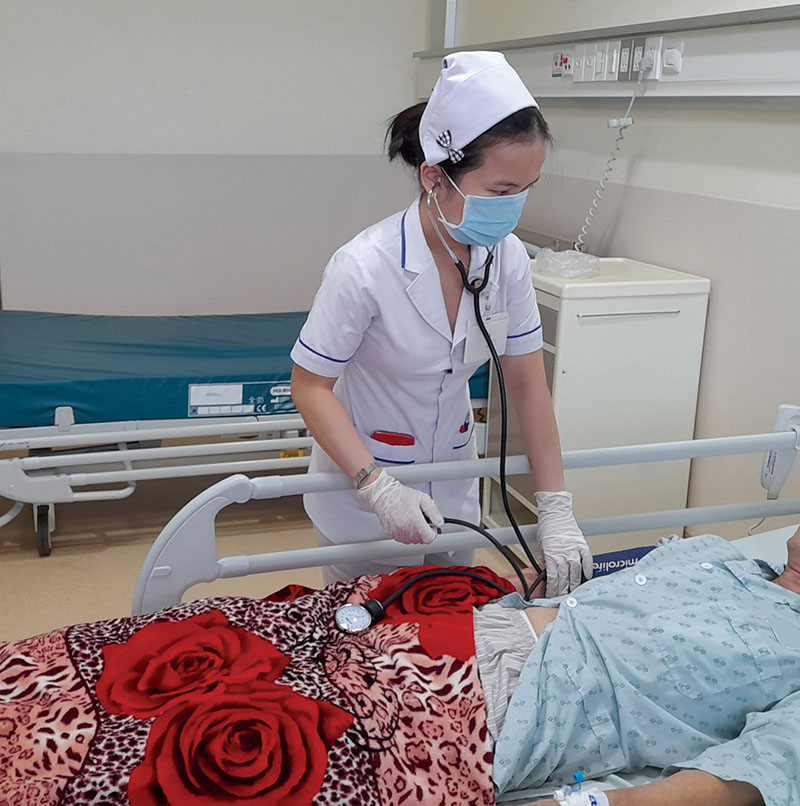
(KTSG) – Việt Nam đang tiến gần hơn đến thời kỳ già hóa dân số từ năm 2036. Hơn 23 triệu người đang ở độ tuổi trung niên (30-44) sẽ thành người già trong khi sự chuẩn bị cho tuổi già của nhóm người này, đặc biệt là ý thức và sự tích lũy tài chính, còn mờ nhạt chưa kể đến hệ thống an sinh xã hội chưa phát triển. Hệ thống chăm sóc y tế, điều trị bệnh cho người cao tuổi đối mặt với nhiều thách thức.
Thứ Bảy, 10:42, 27/05/2023
Ban Biên tập báo Tiền Phong vừa có công văn gửi tới Hội Nhà báo Việt Nam, Hội Nhà báo, Công an, Sở TT&TT tỉnh Đắk Lắk và các đơn vị liên quan đề nghị vào cuộc xác minh, xử lý các đối tượng dọa giết nhà báo Nguyễn Văn Tuấn (bút danh Tuấn Nguyễn), phụ trách Văn phòng đại diện báo Tiền Phong khu vực Tây Nguyên. Đồng thời, có biện pháp bảo vệ phóng viên tác nghiệp trên địa bàn.
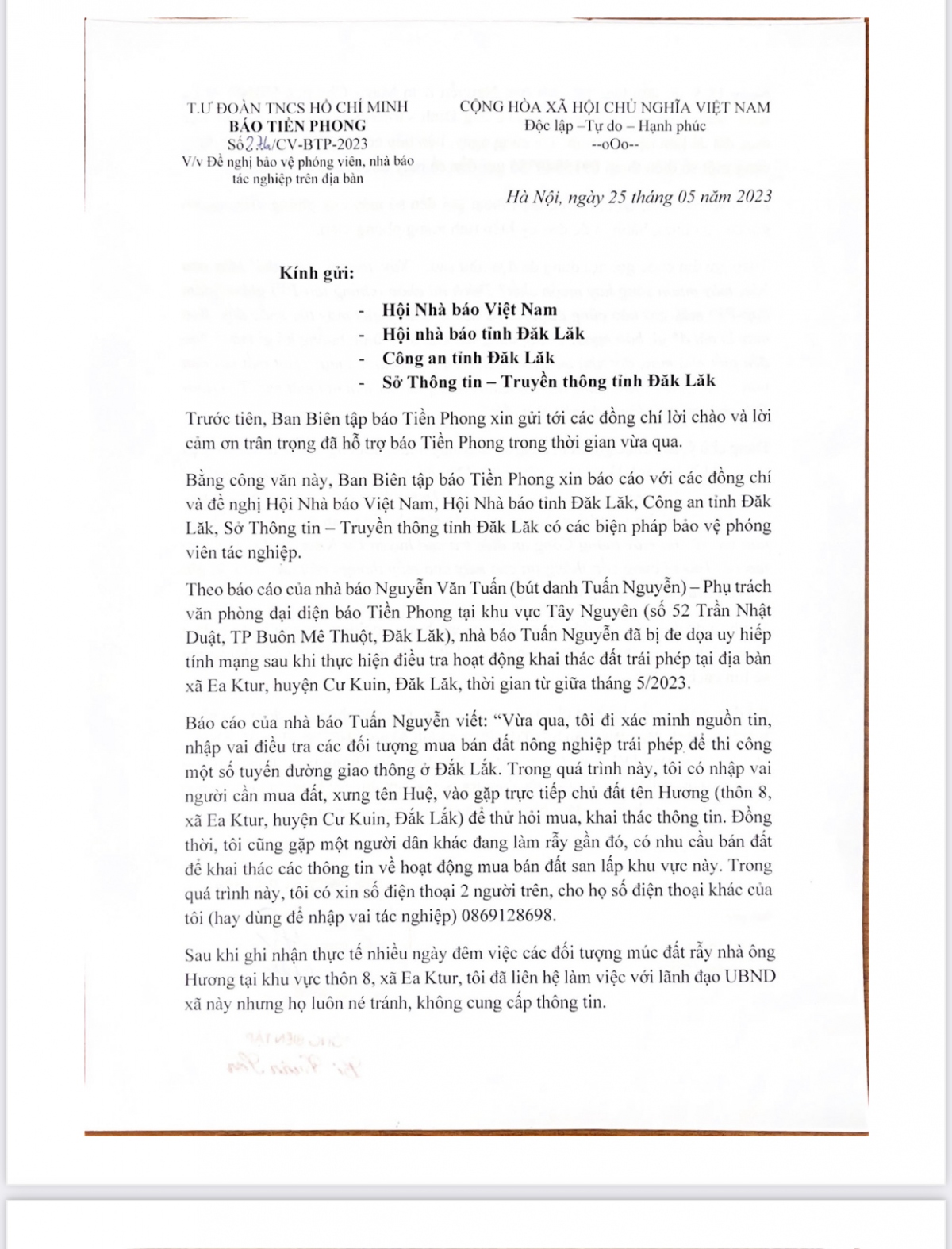
Theo nhà báo Nguyễn Văn Tuấn, cuối tháng 4 đến giữa tháng 5/2023, anh có đi xác minh nguồn tin, điều tra các đối tượng mua bán đất nông nghiệp trái phép, vận chuyển thi công đường giao thông tại Đắk Lắk.
Trong quá trình này, nhà báo Tuấn nhập vai người mua đất, vào gặp trực tiếp chủ đất tên Nguyễn Công Hương (thôn 8, xã Ea Ktur, huyện Cư Kuin) để khai thác thông tin, xác minh viết bài. Đồng thời, anh Tuấn cũng gặp một người dân làm rẫy gần đó, có nhu cầu bán đất để hỏi thêm thông tin. Lúc này, nhà báo Tuấn có xin số điện thoại 2 người trên và cho họ số điện thoại.
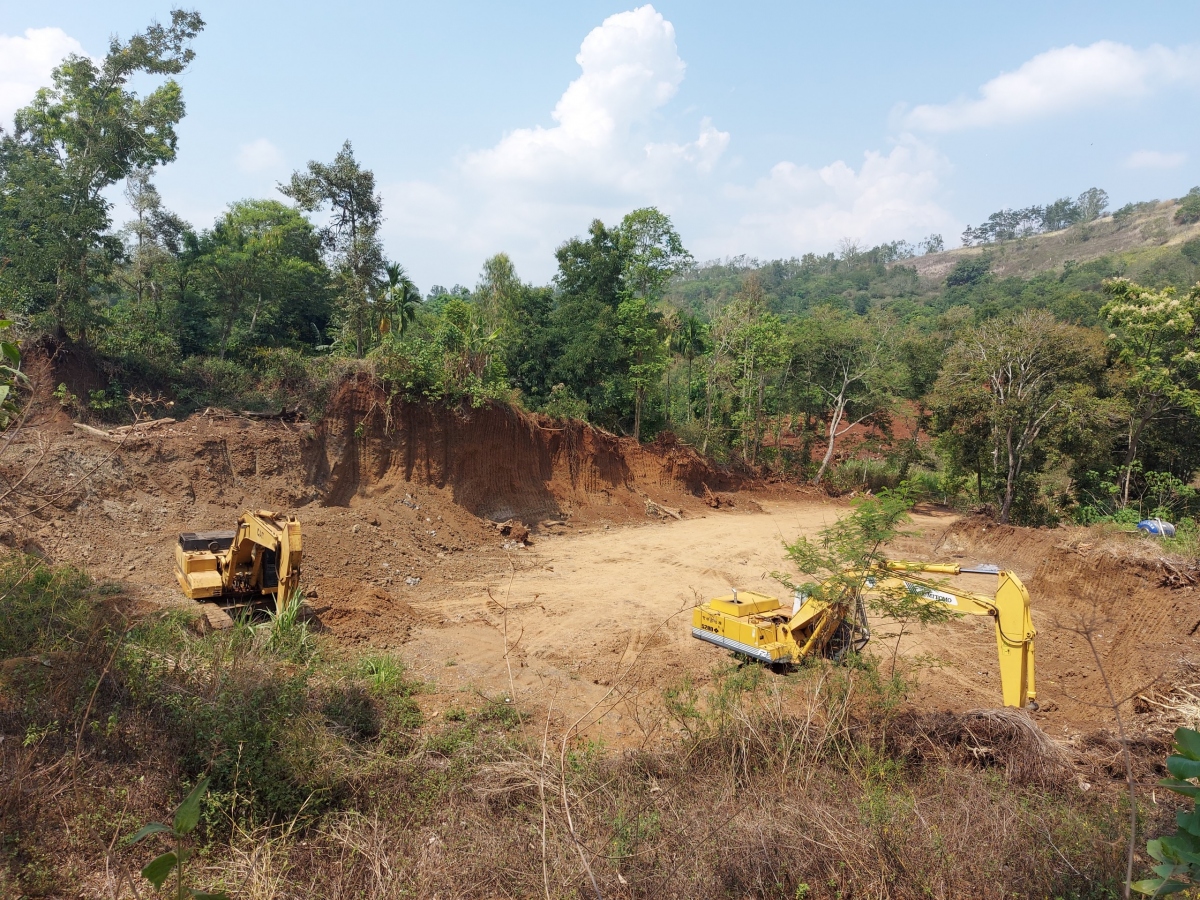
Quá trình ghi nhận thực tế, các đối tượng múc trộm đất từ nhà ông Hương (thôn 8, xã Ea Ktur), nhà báo Tuấn đã liên hệ làm việc với lãnh đạo UBND xã này nhưng họ luôn né tránh, không cung cấp thông tin.
Đến sáng 18/5, Báo Tiền Phong đã đăng tải bài viết của nhà báo Tuấn, phản ánh về vấn nạn “đất tặc” trên địa bàn thôn 8 (xã Ea Ktur, huyện Cư Kuin). Bài báo phản ánh hoạt động khai thác đất trái phép tự xã Ea Ktur rồi chở đến đổ tại khu vực đang triển khai thi công Dự án đầu tư xây dựng đường Hồ Chí Minh đoạn tránh phía Đông TP Buôn Ma Thuột.
Ngay trong tối 18/5, liên tiếp có 2 người đàn ông sử dụng cùng một số điện thoại 0915840755 gọi đến số máy của nhà báo Tuấn có những lời lẽ đe dọa, uy hiếp đến tính mạng.

Tiếp tục đọc “Điều tra đất tặc, phóng viên Báo Tiền phong tại Đắk Lắk bị doạ giết cả nhà”
***
Bạn tôi ơi, đừng nản lòng. Chúng ta được tạo ra cho thời điểm này. Gần đây tôi nghe từ rất nhiều người rằng họ đã hoang mang tận cùng thế nào. Họ lo ngại về tình trạng của mọi thứ trong thế giới của chúng ta ngày nay. Mỗi ngày, những thứ quan trọng nhất của con người văn minh trở nên tệ hơn và mang đến đầy sự kinh ngạc và tức giận.
Tuy nhiên, tôi kêu gọi bạn, nhắc nhở bạn, khuyên nhủ bạn, đừng tiêu tốn cạn kiệt tinh thần của mình bằng cách than van về thời điểm khó khăn này. Đặc biệt, đừng mất đi hy vọng. Và quan trọng hơn, chúng ta được sinh ra cho thời đại này. Đúng vậy. Trong suốt nhiều năm qua, chúng ta đã học, thực hành, được đào tạo và chỉ chờ đợi để đối mặt với cuộc chạm trán này.
Hãy nhìn ra phía trước, có hàng triệu con tàu linh hồn công chính trên biển cùng bạn. Ngay cả khi lớp vỏ tàu của bạn rung lắc vì từng con sóng trong trận bão này, tôi cam đoan rằng những thanh gỗ dài làm nên mũi tàu và đuôi lái của bạn đến từ một khu rừng vĩ đại. Loại gỗ có lõi sợi dài đó đã được biết đến để chịu đựng bão táp, để giữ vững, tự bảo vệ và tiến lên, bất chấp mọi thử thách.
Trong những thời điểm u tối, có xu hướng nghiêng về sự chán nản vì thế giới này đang sai lạc hoặc chưa được sửa chữa. Đừng tập trung vào đó. Cũng có xu hướng yếu lòng khi đắm chìm vào những điều nằm ngoài tầm với của bạn, những điều vẫn chưa thể xảy ra. Đừng tập trung vào đó. Đừng lãng phí những cơn gió lớn mà lại không giúp cánh buồm giương cao.
Nhiệm vụ của chúng ta không phải là giải quyết mọi vấn đề của thế giới trong một lần, mà là vươn dài tay ra để sửa chữa phần của thế giới mà chúng ta có thể tiếp cận. Bất kỳ điều nhỏ bé, bình lặng nào mà một linh hồn có thể làm để giúp linh hồn khác, để hỗ trợ một phần của thế giới đau khổ khốn khó này, đều hết sức có ích. Chúng ta không biết rằng những hành động nào hoặc do ai, sẽ làm cho sự thay đổi đạt được khối lượng tới hạn để chuyển dịch theo chiều hướng tốt đẹp bền vững.
Điều cần thiết để thay đổi mạnh mẽ là một sự tích lũy của những hành động, thêm vào, tiếp tục thêm nữa. Chúng ta biết rằng không cần tất cả mọi người trên Trái Đất để mang lại công lý và hòa bình, mà chỉ cần một nhóm nhỏ, quyết tâm không bỏ cuộc trong cơn bão đầu tiên, thứ hai hoặc thứ một trăm.
Một trong những hành động yên bình và mạnh mẽ nhất mà bạn có thể làm để can thiệp vào thế giới đầy bão táp là đứng lên và tỏ bày linh hồn của bạn. Linh hồn đang tỏa sáng giống như vàng trong những thời điểm tăm tối. Ánh sáng của linh hồn gửi ra những chớp sáng, đánh lên những tia lửa, góp thành những ngọn lửa, và bùng cháy. Tỏ bày ngọn đèn của linh hồn trong những thời điểm đầy bóng tối như thế này – mạnh mẽ và có lòng từ bi đối với người khác; cả hai đều là những hành động của sự dũng cảm lớn lao và cần thiết nhất.
Tiếp tục đọc “We were Made for These Times – Chúng ta được sinh ra cho thời đại này.”
Sống trong di sản – Ngô trên xứ đá
Nông Nghiệp – Thứ Hai 29/05/2023
Có một ‘di sản’ khác nằm trong lòng cao nguyên đá và ruộng bậc thang Hà Giang, đó là những con người không chịu khuất phục khó khăn, mạnh mẽ, bền bỉ hơn đá…


Humans are taking colossal risks with the future of civilization and everything that lives on Earth, a new study published in the journal Nature shows. Developed by an international science commission engaging more than 40 researchers from across the globe, the scientists deliver the first quantification of safe and just Earth system boundaries on a global and local level for several biophysical processes and systems that regulate the state of the Earth system.

For the first time, safety and justice for humanity on Earth is assessed and quantified for the same control variables regulating life support and Earth stability. Justice, assessed based on avoiding significant harm to people across the world, tightens the Earth system boundaries, providing even less available space for humans on Earth. This is extremely challenging, as the Earth Commission concludes that numerous of the safe boundaries are already crossed today.
Convened by Future Earth, the Earth Commission is the scientific cornerstone of the Global Commons Alliance.
“We are in the Anthropocene, putting the stability and resilience of the entire planet at risk. This is why, for the first time, we present quantifiable numbers and a solid scientific foundation to assess the state of our planetary health not only in terms of Earth System stability and resilience but also in terms of human wellbeing and equity / justice.” said Prof. Johan Rockström, Earth Commission Co-Chair, lead author and Director of the Potsdam Institute for Climate Impact Research.
“Justice is a necessity for humanity to live within planetary limits. This is a conclusion seen across the scientific community in multiple heavyweight environmental assessments. It is not a political choice. Overwhelming evidence shows that a just and equitable approach is essential to planetary stability. We cannot have a biophysically safe planet without justice. This includes setting just targets to prevent significant harm and guarantee access to resources to people and for as well as just transformations to achieve those targets” said co-author Prof. Joyeeta Gupta, Co-Chair of the Earth Commission, Professor of Environment and Development in the Global South at the University of Amsterdam and Professor of Law and Policy in Water Resources and Environment at IHE Delft Institute for Water Education.
Published: , Earth Commission , nature.com
Nature (2023)Cite this article
The stability and resilience of the Earth system and human well-being are inseparably linked1,2,3, yet their interdependencies are generally under-recognized; consequently, they are often treated independently4,5. Here, we use modelling and literature assessment to quantify safe and just Earth system boundaries (ESBs) for climate, the biosphere, water and nutrient cycles, and aerosols at global and subglobal scales. We propose ESBs for maintaining the resilience and stability of the Earth system (safe ESBs) and minimizing exposure to significant harm to humans from Earth system change (a necessary but not sufficient condition for justice)4. The stricter of the safe or just boundaries sets the integrated safe and just ESB. Our findings show that justice considerations constrain the integrated ESBs more than safety considerations for climate and atmospheric aerosol loading. Seven of eight globally quantified safe and just ESBs and at least two regional safe and just ESBs in over half of global land area are already exceeded. We propose that our assessment provides a quantitative foundation for safeguarding the global commons for all people now and into the future.
Tiếp tục đọc “Earth Commission Releases First Major Study Quantifying Earth System Boundaries”By Thomas Döring, Birgit Aigner-Walder
The Limits to Growth was published 50 years ago. Ordered by the Club of Rome, the study was a milestone in the analysis of the economic, demographic, technical and ecological effects of the existing economic system. In industrialised Western countries in particular, the critical examination of the development model of continuous economic growth led to a broad discussion about the far-reaching implications of a global economy focusing on growth, on a planet with finite natural resources.
Criticism of the growth paradigm, dominant in both market-based and planned economic systems, has existed (almost) as long as economic growth itself. For example, Thomas Malthus (1798) reflected on the natural boundaries of economic and population growth very early on (Hussen, 2018). However, Meadows et al. (1972) carried out a notably broad system analysis. On the one hand, they examined existing ecological as well as socio-economic development trends and their global effects in detail. Secondly, the use of computer models to simulate different development scenarios of the world economy, based on the availability of data, was a methodological novelty at the time.
Tiếp tục đọc “The Limits to Growth – 50 Years Ago and Today”

Critical Questions by Aidan Arasasingham , Emily Benson , Matthew P. Goodman , and William Alan Reinsch
Published May 31, 2023 CSIS
Negotiators from 14 Indo-Pacific nations concluded negotiations in substance on a new Indo-Pacific Economic Framework for Prosperity (IPEF) Supply Chain Agreement. At a ministerial-level meeting on the margins of an Asia-Pacific Economic Cooperation (APEC) forum gathering in Detroit, Michigan, IPEF parties released a statement outlining major contours of the agreement. The first of four potential agreements that the United States aims to conclude under IPEF, the supply chains agreement represents a positive step toward further economic integration in the Indo-Pacific. However, questions remain about how binding or impactful the supply chains agreement will be and which additional agreements will come to fruition under the framework this year.
Q1: What did IPEF partners agree to under the new Supply Chains Agreement?
Tiếp tục đọc “Assessing IPEF’s New Supply Chains Agreement” CVD
CVD 