Phần này bổ túc cho bài Phương pháp giải quyết vấn đề và Tứ Diệu Đế (phần 1). Phần 2 đề nghị một cách tiếp cận mới dựa vào ngôn ngữ so sánh: nhất là khi tiếng Việt và Hán Việt (môi trường dịch kinh Phật Giáo truyền thống ở VN) đã có một quá trình giao lưu rất lâu đời.
Các chữ viết tắt là ppgq (phương pháp giải quyết vấn đề), tdđ (Tứ Diệu Đế), NCT (Nguyễn Cung Thông), PG (Phật Giáo), TVGT (Thuyết Văn Giải Tự/khoảng 100 SCN), NT (Ngọc Thiên/543), ĐV (Đường Vận/751), NKVT (Ngũ Kinh Văn Tự/776), LKTG (Long Kham Thủ Giám/997), QV (Quảng Vận/1008), TV (Tập Vận/1037/1067), TNAV (Trung Nguyên m Vận/1324), CV (Chính Vận/1375), TVi (Tự Vị/1615), VB (Vận Bổ/1100/1154), VH (Vận Hội/1297), LT (Loại Thiên/1039/1066), CTT (Chính Tự Thông/1670), TViB (Tự Vị Bổ/1666), TTTH (Tứ Thanh Thiên Hải), KH (Khang Hi/1716). Lý và kỳ có thể viết là lí và kì trong loạt bài này.
Phần 1 đã cho thấy tdđ là một phương pháp giải quyết vấn đề qua bốn giai đoạn dễ nhớ và đơn giản: mức độ đơn giản càng cao thì mức độ ứng dụng phổ quát (universality) càng cao. Ai cũng có thể áp dụng tdđ mà không cần phải học chuyên môn về ngành nào cả. Như đã bàn trong phần 1, tdđ còn tương ứng mật thiết với quá trình chữa bệnh trong y khoa: Khổ đế liệt kê hiện trạng bệnh tình (bệnh lý), Tập đế đi vào các nguyên nhân cốt lõi, Diệt đế cho phương án hay uống thuốc dứt bệnh và Đạo đế cho ta những hoạt động và kỹ thuật để không còn bệnh nữa (ngừa bệnh so với chữa bệnh). Tdđ là một thành phần cốt lõi của PG, một ppgq tổng quát. Những ai không là phật tử cũng có thể dùng ppgq này, và cũng có khi chính mình đã từng sử dụng nhưng không ý thức được.
Editor’s Note: Frida Ghitis, a former CNN producer and correspondent, is a world affairs columnist. She is a weekly opinion contributor to CNN, a contributing columnist to The Washington Post and a columnist for World Politics Review. The views expressed in this commentary are her own. View more opinion on CNN.CNN —
When an airplane owned by Russian warlord Yevgeny Prigozhin plummeted in a fiery crash northwest of Moscow last week, observers in Russia and around the world immediately recalled two indisputable facts. First, that Prigozhin had openly challenged Russian President Vladimir Putin, and second, that countless others who had defied Putin have met untimely, violent deaths.
Frida GhitisCNN
In the quest to understand what happened, one other fact was clear: The Kremlin was not the place to seek straightforward, credible answers. The Kremlin’s word is, shall we say, not a good source for independent, reliable truth.
TTCT – Cơn thịnh nộ của dân chúng châu Phi Sahel, thể hiện qua hàng loạt cuộc đảo chính gần đây, có nguồn cơn sâu xa của nó…
Ngày 26-7 tại quốc gia Tây Phi Niger, một hội đồng quân nhân lật đổ tổng tống đương nhiệm và dân cử Mohamed Bazoum. Đây là cuộc đảo chánh thứ 5 ở khu vực trong thời gian 3 năm qua. 4 cuộc đảo chánh trong đó bị Tây phương cực lực lên án: Guinea, Mali, Burkina Faso và Niger.
Cuộc đảo chánh thứ 5 tại Chad thì lại được Tây phương tán thành, nếu không nói là do họ ủng hộ và tổ chức để giúp thành phần thân Pháp giữ chính quyền bằng bạo lực quân sự. Theo Tổng thống Pháp Emmanuel Macron thì đảo chánh ở Chad cần thiết để duy trì ổn định!
Hình minh họa cuộc “thám hiểm” Voulet-Chanoine trong Thư khố hải ngoại của Pháp. Ảnh: afriquexxi.info
Trong thập niên 1960, vào thời các quốc gia tại lục địa đen độc lập, nước Pháp chỉ rời khu vực Tây Phi trên phương diện pháp lý. Pháp như một ông chồng đã ly dị trên giấy tờ nhưng tiếp tục giữ sổ gạo, sổ điện nước, sổ tiết kiệm ngân hàng và trai mới nào lảng vảng đến gần nhà vợ cũ thì ông tìm cách đập chết ngay.
Độc lập chỉ là hình thức?
14 nước Phi châu thuộc địa cũ vẫn phải nằm trong hệ thống tài chánh của đồng franc Pháp và ký thác cho mẫu quốc cũ 50% dự trữ tài chánh của các ngân hàng quốc gia.
Nói cách khác, họ không có ngân hàng quốc gia và Paris quyết định mọi chính sách về mặt này, in và phát tiền chung cho 14 nước. Kinh tế địa phương cũng nằm trong tay kiều dân Pháp. Tài nguyên do họ khai thác, quân đội do họ huấn luyện, lãnh đạo do họ chỉ định và độc lập là phần hình thức.
Những lãnh đạo Phi châu ngoan ngoãn thì được Pháp thắt cho cà vạt, khi cần thiết gửi quân đội Pháp sang can thiệp để “duy trì ổn định”, như đã nói ở trên. Tại Cộng hòa Trung Phi, tính từ độc lập vào năm 1960, Pháp can thiệp gửi quân sang 7 lần giúp ổn định. Ổn định này, có nơi cha truyền con nối đến giờ là 56 năm liên tục (Gabon) hay 33 năm (Chad), tức là khó có thể ổn định hơn.
Bối cảnh đó, tức là can thiệp trực tiếp hay gián tiếp vào nội bộ chính trị và kinh tế của các quốc gia châu Phi độc lập, gây ra bất mãn trầm trọng và kinh niên tại khu vực. Cái bất mãn không được giải tỏa đó ngày nay lại còn nằm trong ký ức của quần chúng và lịch sử của thời kỳ thuộc địa. Cuộc “thám hiểm” của sứ mạng quân sự Voulet-Chanoine năm 1899 là một thí dụ.
Phi châu được Tây phương “khám phá” từ thế kỷ 17 là các vùng ven biển, nơi họ lập cảng để trao đổi hàng hóa với miền trong và xuất nô lệ sang châu Mỹ. Miền trong này, cho đến cuối thế kỷ 19 vẫn là nơi huyền bí. Năm 1885, hội nghị tại Berlin giữa các nước Âu châu chia nhau lục địa Phi, nhưng lấy thước kẻ biên giới trên bản đồ mà vẫn không biết là kẻ lên những gì, dân tộc nào hay sông núi ra sao, và chuyện đó gây ra những vấn nạn của lục địa đến tận ngày nay.
Chỉ cần nhìn bản đồ chính trị châu Phi là thấy ngay sự phi lý cực kỳ của biên giới các quốc gia. Nó không thành hình bởi địa lý (thí dụ ven sông hay ven núi) hoặc do lịch sử để lại, mà là chén chú chén anh tại hội nghị Berlin.
Bởi vậy ngày nay biên giới giữa các nước Phi châu đây kia là những đường kẻ thẳng dài mấy trăm km. Nó không tôn trọng dân tộc hay văn hóa, tôn giáo, lịch sử địa phương, mà là kết quả ngang ngược của thực dân ăn cướp và thỏa thuận với nhau. Tao (Anh) lấy phần này gọi là Sudan, mày (Pháp) lấy phần kia gọi là Chad, còn để cho nó (Ý) phần gọi là Libya!
Sau khi chia cho nhau trên bản đồ rồi thì đến tìm hiểu trong hôn nhân ức hiếp, tức là lấy trước rồi tìm hiểu sau – còn được gọi là “thám hiểm”. Tranh chấp ảnh hưởng giữa các thế lực Anh, Pháp, Đức và cả Thổ Nhĩ Kỳ trong thời gian này là để ngăn chặn lẫn nhau.
Thời điểm 1887-1900, Pháp có 4 sứ mạng quân sự từ 4 hướng để kiểm soát vùng trung tâm lúc đó còn huyền bí của lục địa. Các sứ mạng này, quân sự và chính trị, nhằm khai thác và cai trị nhưng được truyền thông lúc đó (và cả ngày nay) tung hô là sứ mạng văn minh và khai hóa, một tay ôm trẻ em mồ côi một tay đánh cọp ăn thịt người vô cùng lãng mạn và tất nhiên là “gánh nặng lịch sử” của người da trắng.
Biếm họa về hội nghị Berlin giữa các cường quốc châu Âu nhằm phân chia châu Phi. Ảnh: PBS Learning Media
Trái tim bóng tối
Sứ mạng Voulet-Chanoine lên đường ngày 2-1-1899 do đại úy 32 tuổi Voulet (bộ binh hải quân) và đại úy 29 tuổi Chanoine, kỵ binh, chỉ huy. Voulet là gốc bình dân từng phục vụ 1883-1885 tại Bắc Kỳ (Việt Nam). Chanoine thì xuất thân võ bị St Cyr, con của một tướng lãnh có lúc làm bộ trưởng quốc phòng.
Thành phần da trắng có một bác sĩ thiếu tá, thêm 3 sĩ quan và 3 hạ sĩ quan khác, còn lại là quân thuộc địa da màu, gồm 600 bộ binh Sudan và 100 kỵ binh Senegal, cùng 2.000 người cu li khuân vác, phụ nữ chị nuôi đi theo đoàn.
Số cu li phục vụ này được coi là không đủ ngay từ đầu cho nên đi đến đâu họ bắt cu li đến đó. Thực phẩm họ cũng tự tiện thôi chứ sao mang theo đủ được. Nơi nào chống cự thì họ đốt làng và giết sạch cho biết văn minh là gì.
Đi đến đâu cướp giết đến đó, đoàn lính Pháp đốt sạch thị trấn 8.000 dân cư Birni N’konni (Niger), dùng lưỡi lê sát hại 1.000 người nam nữ để khỏi tốn đạn.
Hai viên đại úy bày thủ cấp khi dùng bữa khiến một sĩ quan Pháp dưới quyền khó nuốt trôi và viết thư cho người yêu thuật lại. Cô này tại mẫu quốc chuyển thư cho một đại biểu quốc hội. Thư lên đến thủ tướng và trung ương phải ra lệnh cho một trung tá đuổi theo đoàn để tìm hiểu thực hư và chỉnh đốn.
Năm 1899, quân đội Pháp đang gặp sự phê bình của dư luận trong vụ án đại úy Dreyfuss. Ông này gốc Do Thái và bị vu oan là gián điệp cho đế quốc Đức. Dư luận tại Pháp phân đôi gay gắt, kẻ chống người bênh, và nếu nảy thêm chuyện tàn sát Phi châu thì quân đội càng thêm xấu mặt.
Bộ Thuộc địa ra lệnh cho chỉ huy vùng Bắc và Đông Bắc Phi châu thuộc Pháp (Mali và Niger ngày nay) là trung tá Klobb nhiệm vụ kiểm tra đoàn Voulet-Chanoine. Klobb và trung úy Meynier mang theo một toán lính da đen và sau hành trình 2.000km mới bắt kịp họ vào trung tuần tháng 7-1899 tại Dankori.
Trên đường đuổi theo, trung tá Klobb ghi nhận là đoàn Voulet-Chanoine đi đến đâu cướp giết đến đấy, rồi bắt phụ nữ làm nô lệ trước khi đốt làng, khiến những nơi họ đi qua “không còn đến một con gà”.
Tại Birni N’konni, sau khi giết 1.000 mạng, đoàn Voulet-Chanoine bắt 700 phụ nữ đẹp nhất mang đi, gồm 4 cô vợ của chúa trấn. “Voulet đốt hết – chính xác là vậy”, khiến toán trung tá Klobb đuổi theo sau đến miếng ăn phải vơ vét nhặt nhạnh.
Xin chú ý là ở đây Klobb chỉ than vì dân chúng bị giết sạch cướp sạch nên không còn gì để nuôi toán đi sau. Ông không hề quan tâm đến chuyện chính dân địa phương không còn gì để ăn, mà chỉ cho biết là họ không còn gì để cho toán của ông ăn.
“6 tháng 7 – Tôi bị hỏng đồng hồ. Tibiri. Ngôi làng thật lớn với nhiều khoảng trống, bị thiêu rụi hoàn toàn. Các hào, từ dưới lên trên nóc tường, cao 4-5m. Phụ nữ bị treo cổ”. Trung tá Klobb ghi trong nhật ký.
Ngày 11-7, ông “đến một ngôi làng bị đốt cháy đầy xác chết. Hai em bé gái (bị treo cổ) đong đưa trên một cành cây. Mùi hôi. Các giếng không cung cấp đủ nước cho người. Động vật (lừa, ngựa của đoàn) cũng không uống được, nước bị thối rữa bởi xác người. Khởi hành vào buổi chiều. Trên đường đi, một ngôi làng nhỏ có giếng đầy xác chết. Mùi hôi”.
Đây là ngày chót Klobb ghi nhật ký. Chuyện sau đó là bản tường trình quân sự của những quân nhân thuộc toán Klobb còn sống sót thuật lại cho giới chức.
Ngày 12-7, Klobb bắt được tin đoàn Voulet và trao đổi được thư. Voulet trách là trung tá Klobb định cướp công thám hiểm của mình và Klobb bị quân của Voulet bắn chết vào ngày 14-7 khi họ chạm mặt.
Trung úy Meynier phụ tá của Klobb bị thương nặng tưởng chết. Sau đó đến lượt chính quân của Voulet nổi loạn. 2 ngày sau, Chanoine chết lúc hoa kiếm hô “Pháp quốc! Pháp quốc!”.
Voulet thì không oai hùng như vậy nên ôm nàng hầu da đen bỏ trốn tại một nhà dân, hẳn phải vùi tro lên mặt để không ai nhận ra. Sáng sớm hôm sau, khi ông mò về doanh trại thì bị lính canh bắn chết. Sứ mạng quân sự này tiếp tục với 2 trung úy chỉ huy mới được trung ương chỉ định.
Bộ chỉ huy và chính quyền Pháp bối rối nên nghĩ ra một căn bệnh gọi là “bệnh dại Sudan” để giải thích hành động của đoàn Voulet-Chanoine. Thì Phi châu đầy bệnh tật, khiến con người văn minh nào lây phải bèn mang trẻ em gái ra treo cổ trước làng!
Đến năm 1915-1916, còn có tin một người da trắng là Voulet làm chúa một bộ lạc Touareg trong sa mạc. Năm 1923, khi khui phần mộ của 2 ông này thì lại thấy trống rỗng không có xác!
Nhưng lỗi là ở 2 người này hay ở bệnh điên nhiệt đới, chứ không phải ở chính sách khai hóa của nhà nước thuộc địa Pháp. Tại nước uống Phi châu nhiều vi trùng! 2 vị đại úy lại vui vẻ chết ngay nên không có tòa án mặt trận, không xét xử, không báo chí đưa tin. Chuyện đến đó là hết.
Ngày nay, tại sao người Niger ra đường đốt cờ tam tài? Là vì họ khó quên cái thủa ban đầu đó, mà nếu có lỡ quên thì được tình trạng hiện thời trên đất nước của họ nhắc nhớ ngay.■
Chuyến đi của Voulet-Chanoine được gọi là “con đường giết chóc” và sau này được Joseph Conrad dựa vào để viết tiểu thuyết Trái tim bóng tối. Tiểu thuyết này sau đó được chuyển thể thành phim Apocalypse Now về chiến tranh Việt Nam.
The plaintiffs, who range in age from 5 to 22, successfully argued that the state’s refusal to consider climate change impacts before supporting fossil fuel development violated their right a clean environment under the Montana state constitution. Their lawsuit was the first to reach trial among several similar cases in the United States and is likely to bolster other actions seeking to use the legal system to force action on curbing emissions.
An armada of poorly regulated, scrapyard-ready tankers is hauling sanctioned oil through the region’s bustling shipping lanes. With that, they’re carrying an ever-present threat of environmental catastrophe
Smoke rises from the oil tanker Pablo after it suffered from multiple explosions on 1 May off the coast of Malaysia. The ship was registered to Gabon and was part of the so-called “ghost fleet” of little-regulated tankers. Photo courtesy of the Malaysian coast guard.
On the morning of 3 May, residents of Batam, Indonesia, the largest city of the country’s Riau Islands, woke up to beaches black with oil.
Abu Dhabi, United Arab Emirates, 29 August 2023 – The fossil fuel price crisis has accelerated the competitiveness of renewable power. Around 86 per cent (187 gigawatts) of all the newly commissioned renewable capacity in 2022 had lower costs than fossil fuel-fired electricity.
Renewable Power Generation Costs in 2022, published by the International Renewable Energy Agency (IRENA) today shows that the renewable power added in 2022 reduced the fuel bill of the electricity sector worldwide. New capacity added since 2000 reduced the electricity sector fuel bill in 2022 by at least USD 520 billion. In non-OECD countries, just the saving over the lifetime of new capacity additions in 2022 will reduce costs by up to USD 580 billion.
Despite the risk of social stigma and disapproval from their families, friends and peers, Vietnamese women and foreign men are turning to one of Singapore’s largest international matchmakers to find life partners. Mark Lin, originally from Taiwan, claims to have arranged more than 1,000 marriages between Vietnamese women and Singaporean men. Lin, who said he considers love a transaction like any other, offered a look at how he tries to help those willing to pay to find love in the modern world.
If Hanoi agrees to a comprehensive strategic partnership with the U.S., it would represent a remarkable breakthrough in bilateral ties. Still, such a partnership would not represent a significant shift in Hanoi’s foreign policy.
United States President Joe Biden recently announced that he would be visiting Vietnam “shortly”, likely on his return trip from the G20 Summit in India on 9-10 September. While the specifics of the trip have not been confirmed, international media have speculated that the visit may result in an upgrade of bilateral relations. Unofficial reports suggest that the two countries, which are currently in a “comprehensive partnership”, may skip the “strategic partnership” level to move directly to the “comprehensive strategic partnership” (CSP) level.
If true, this will represent a remarkable breakthrough in bilateral ties, as the CSP is the highest level of partnership in Vietnam’s diplomatic hierarchy. The country only forms such partnerships with those that it views as of great importance for its security, prosperity, and international standing. So far, Vietnam has only established CSPs with four countries: China, India, Russia and South Korea.
Unofficial figures point to a mental health crisis amid severe restrictions on Afghan women’s lives
Zahra Nader and Zan Times reportersMon 28 Aug 2023 10.00 BST
First, her dreams of becoming a doctor were dashed by the Taliban’s ban on education. Then her family set up a forced marriage to her cousin, a heroin addict. Latifa* felt her future had been snatched away.
“I had two options: to marry an addict and live a life of misery or take my own life,” said the 18-year-old in a phone interview from her home in central Ghor province. “I chose the latter.”
It was not an isolated act of desperation. Since the Taliban took control of Afghanistan in the summer of 2021, there has been a disturbing surge in the number of women taking their own lives or attempting to do so, data collected from public hospitals and mental health clinics across a third of Afghanistan’s provinces shows.
1 of 4 | A Japanese tourist smokes cannabis at a Dutch passion shop in Bangkok, Thailand, Tuesday, June 27, 2023. Thailand’s de facto legalization of marijuana last year has brought a wave of tourists from the region intrigued by the lure of the forbidden leaf.(AP Photo/Sakchai Lalit)
VHO- Có thể nói, hòn Trống Mái nằm ngay ở ví trí trung tâm của di sản thiên nhiên thế giới vịnh Hạ Long, là biểu tưởng du lịch nổi tiếng trong nước và quốc tế của vùng đất này, nhưng lại đang phải đối mặt với nhiều nguy cơ đổ, trượt nếu chính quyền, cơ quan chức năng sở tại không có ngay giải pháp bảo tồn cấp thiết.
Hòn Trống Mái được giới chuyên gia cảnh báo có nguy cơ cao bị gãy, trượt
Cuộc hội thảo góp ý cho Báo cáo tổng kết và các sản phẩm chính của nhiệm vụ khoa học công nghệ “Nghiên cứu đánh giá hiện trạng và các yếu tố ảnh hưởng làm cơ sở đề xuất các giải pháp bảo tồn hòn Trống Mái, vịnh Hạ Long” diễn ra từ hồi cuối tháng 7 vừa qua, tuy nhiên cho đến nay theo tìm hiểu của chúng tôi, các bên liên quan vẫn chưa có những động thái mạnh mẽ cho vấn đề “cấp cứu” biểu tượng có một không hai của di sản vịnh Hạ Long.
Còn nhớ vào cuối năm ngoái, chúng tôi cùng đoàn chuyên gia thuộc nhiều lĩnh vực khác nhau có chuyến tham quan vịnh Hạ Long, và một trong những điểm đến là hòn Trống Mái. Cơ duyên đưa đến địa điểm này không hề xuất phát từ sự tò mò hay chụp ảnh lưu niệm vì biểu tượng này đã nằm lòng trong sự yêu thích của biết bao du khách, mà trong đoàn có một chuyên gia về địa chất mong muốn mọi người có cái nhìn thực địa ở khoảng cách gần nhất có thể để nhận diện rõ hơn về sự ăn mòn đáng sợ đối với “hai chân” của hòn Trống Mái. Bằng con mắt chuyên môn, vị chuyên gia về địa chất đã cảnh báo rằng, với tốc độ xâm thực và bào mòn của sóng, gió và tác động của con người như hiện nay, chẳng bao lâu nữa độ kết cấu “hai chân” của hòn Trống Mái sẽ bị cưa đứt. Tại thời điểm đó có người nói đùa rằng, hòn Trống Mái đang đứng trên hai “que tăm” bởi trông nó rất chênh vênh, chung chiêng nhất là khi những đợt sóng cao ập vào. Vị chuyên gia còn nói thêm, cũng đã nhiều lần lên tiếng cảnh báo qua mối quan hệ công việc nhưng nhìn chung chưa mấy ai tin, hoặc nhận được câu trả lời đại loại như “trông thế thôi, nó còn vững chãi lắm”.
TTCT – Sau thời gian dài giằng co, chính trường Thái Lan cuối cùng cũng (tạm thời) ngã ngũ với một tân thủ tướng và sự trở về của một cựu thủ tướng bị lật đổ.
A year and a half into a historic interest-rate upcycle, Southeast Asia’s economic prospects continue to stand out in a world faced with high inflation and soft demand.
HSBC forecasts that the six largest economies in Southeast Asia — Indonesia, Thailand, Malaysia, the Philippines, Singapore and Vietnam — will grow 4.2% this year and 4.8% next year. This pace would far outstrip the 1.1% expansion expected in the developed world in 2023 or next year’s estimated 0.7%.
This acceleration is all the more remarkable given that inflows of Chinese tourism dollars have not returned to Southeast Asia as anticipated. For example, in Singapore and Thailand — both popular destinations for Chinese holidaymakers — tourist arrivals are running at only about one-third of pre-COVID levels.
A recovery in tourism would certainly be a welcome boon for Southeast Asia. But meanwhile, trade, the transition to net zero and digital transformation are set to power the region’s economic growth for decades to come and ensure that this dynamic region remains a global growth engine.
Southeast Asia has come a long way as a manufacturing dynamo. It now accounts for 8% of global exports and since 2020, has surpassed the European Union as China’s largest trading partner.
The region is benefiting from a restructuring of global supply chains as it sits at the crossroads of two of the world’s largest free trade agreements, the Regional Comprehensive Economic Partnership (RCEP) and the Comprehensive and Progressive Agreement for Trans-Pacific Partnership.
RCEP in particular, with its tariff reductions and business-friendly rules of origin, is increasing the appeal of Southeast Asia as a manufacturing base, a fact that more companies are recognizing. According to a recent HSBC survey, Asia-Pacific companies plan to base 24.4% of their supply chains in Southeast Asia over the next one to two years, up from 21.4% as of 2020.
Hết năm học năm học 2022-2023, cả nước ghi nhận thiếu tới 118.253 giáo viên, nhưng vẫn còn hơn 74.000 chỉ tiêu biên chế được giao cho các địa phương chưa tuyển dụng được. Vậy giải bài toán vừa thiếu vừa thừa giáo viên này như thế nào?
Việc không tuyển đủ giáo viên giảng dạy ảnh hưởng không nhỏ đối với việc thực hiện chương trình GDPT 2018. nhiều trường thiếu giáo viên dạy môn học chương trình GDPT 2018 như: âm nhạc, mỹ thuật, lịch sử và địa lý, khoa học tự nhiên, giáo dục địa phương, hoạt động trải nghiệm hướng nghiệp nhưng lại thừa giáo viên dạy đơn môn.
Nguyên nhân dẫn đến tình trạng thừa-thiếu giáo viên
Để giải quyết tận gốc vấn đề thừa, thiếu giáo viên cục bộ này, ngành giáo dục cần xác định nguyên nhân chủ quan và khách quan, từ đó mới có giải pháp phù hợp.
Tình trạng thiếu giáo viên chủ yếu là ở vùng miền núi, hải đảo vì điều kiện đời sống khó khăn, công tác xa nhà nhưng chế độ đãi ngộ chưa tương xứng đảm bảo nhu cầu cuộc sống nên nhiều giáo viên nghỉ việc đó là lý do chính.
Một số thầy cô lớn tuổi không theo kịp với sự đổi mới của chương trình, công nghệ, áp lực công việc về hồ sơ sổ sách, vô số phong trào cuộc thi đã chiếm nhiều thời gian giảng dạy của thầy cô nên không ít giáo viên đã xin nghỉ việc.
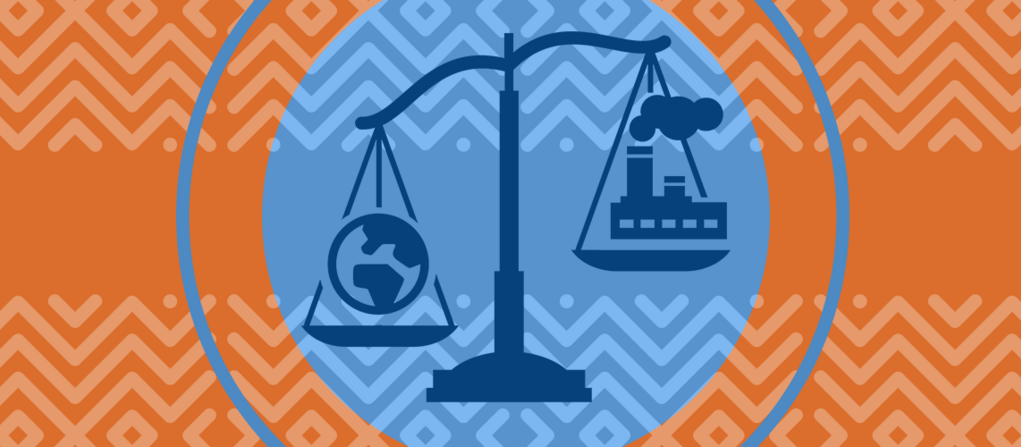
Subsidies are intended to protect consumers by keeping prices low, but they come at a substantial cost. Subsidies have sizable fiscal consequences (leading to higher taxes/borrowing or lower spending), promote inefficient allocation of an economy’s resources (hindering growth), encourage pollution (contributing to climate change and premature deaths from local air pollution), and are not well targeted at the poor (mostly benefiting higher income households). Removing subsidies and using the revenue gain for better targeted social spending, reductions in inefficient taxes, and productive investments can promote sustainable and equitable outcomes. Fossil fuel subsidy removal would also reduce energy security concerns related to volatile fossil fuel supplies.





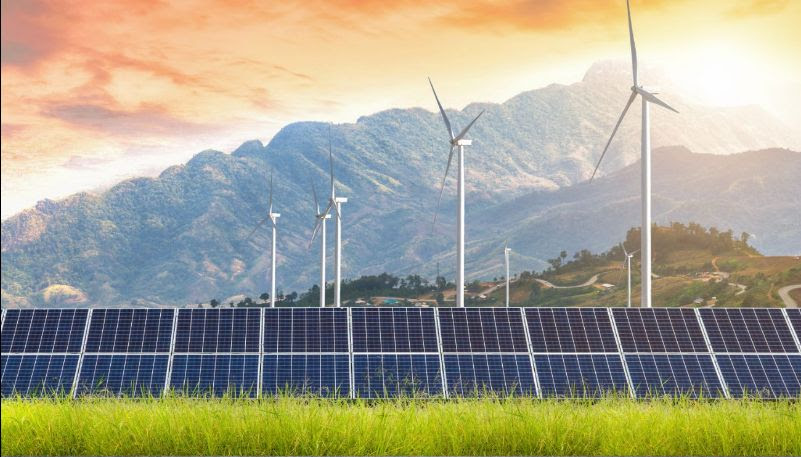 Abu Dhabi, United Arab Emirates, 29 August 2023 – The fossil fuel price crisis has accelerated the competitiveness of renewable power. Around 86 per cent (187 gigawatts) of all the newly commissioned renewable capacity in 2022 had lower costs than fossil fuel-fired electricity.


