Pandemics have killed millions of people throughout history. How many deaths were caused by different pandemics, and how have researchers estimated their death tolls?
COVID-19 has brought the reality of pandemics to the forefront of public consciousness. But pandemics have afflicted humanity for millennia. Time and again, people faced outbreaks of diseases – including influenza, cholera, bubonic plague, smallpox, and measles – that spread far and caused death and devastation.
Our ancestors were largely powerless against these diseases and unable to evaluate their true toll on the population. Without good record-keeping of the number of cases and deaths, the impact of outbreaks was underrecognized or even forgotten. The result is that we tend to underestimate the frequency and severity of pandemics in history.
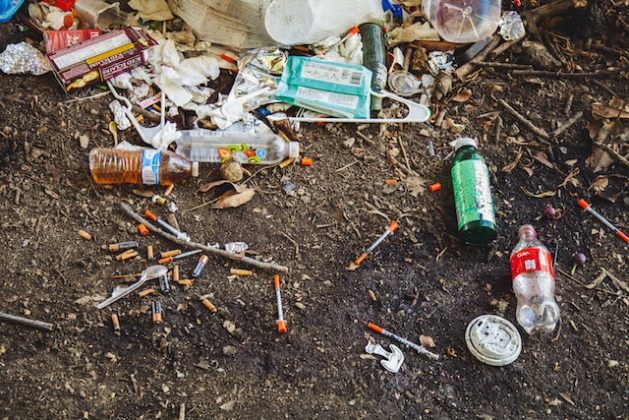
Global drug policies need an overhaul, new report says. Credit: Jonathan Gonzalez/Unsplash
BRATISLAVA, Dec 5 2023 (IPS) – A major advocacy group has demanded an overhaul of global drug policies as a landmark report is released showing how governments’ complacency has perpetuated a failed ‘war on drugs’ despite its devastating consequences for millions of people around the world.
Scientists expected a surge in respiratory disease, but what is happening in China is unusual.
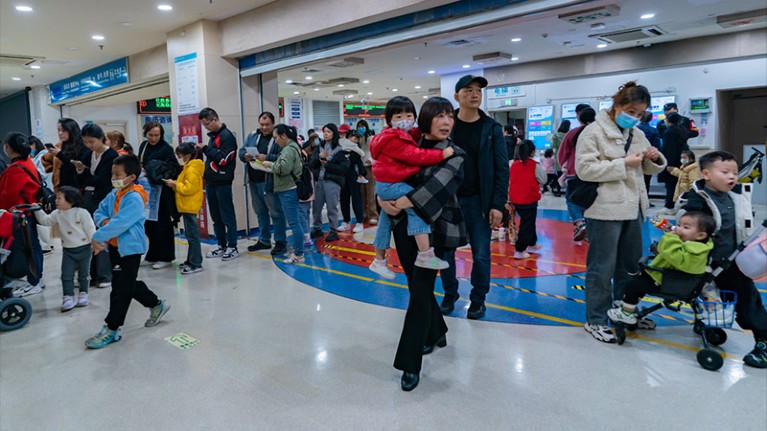
Parents wait for their children to be treated for respiratory disease in Chongqing, China.Credit: Costfoto/NurPhoto via Getty
China is grappling with a surge in respiratory illnesses, including pneumonia, in children. The World Health Organization (WHO) said last week that common winter infections — rather than any new pathogens — are behind the spike in hospitalizations. A surge of infections was expected in the country this winter, China’s first without COVID-19 restrictions since the pandemic began in 2020. What is unusual, say epidemiologists, is the high prevalence of pneumonia in China. When COVID-19 restrictions were eased in other countries, influenza and respiratory syncytial virus (RSV) drove most spikes in illness.
The WHO requested information, including laboratory results and data on recent trends in the spread of respiratory illnesses, from China’s health authorities last week. This followed reports from the media and the Program for Monitoring Emerging Diseases — a publicly available system run by the International Society for Infectious Diseases — about clusters of “undiagnosed pneumonia”.
In a 23 November statement, the WHO said that China’s health authorities have attributed the rise in hospitalizations since October to known pathogens, such as adenoviruses, influenza virus and RSV, which tends to cause only mild, cold-like symptoms. However, an increase in children being admitted to hospital since May, particularly in northern cities such as Beijing, is mainly due to Mycoplasma pneumoniae, a bacterium that infects the lungs. It is a common cause of ‘walking pneumonia’, a form of the disease that is usually relatively mild and doesn’t require bed rest or hospitalization, but that is hitting children hard this year.
Benjamin Cowling, an epidemiologist at the University of Hong Kong, is not surprised by the wave of illness. “This is a typical ‘winter surge’ in acute respiratory infections,” he says. “It is happening slightly earlier this year, perhaps because of increased population susceptibility to respiratory infections resulting from three years of COVID measures.”
Ten years ago, USAID unveiled the largest contract in its history, aimed at transforming health supply chains in lower-income countries. It has not gone according to plan.
Within its first two years of operation, the largest-ever project funded by the United States Agency for International Development was in crisis.
Money Matters
Funding insights, analysis, and news, including practical business adviceSubscribe now
The $9.5 billion initiative is led by U.S. contractor Chemonics International. Its aim was to transform global health supply chains — the sprawling system of procurement and transport that delivers lifesaving products including HIV/AIDS drugs, mosquito nets, and contraceptives to millions around the globe.
The supply chain project serves as the backbone for the U.S. government’s most celebrated global health programs, including the HIV/AIDS initiative credited with saving 25 million lives. But this project aimed to go one step further, by improving supply chains in lower-income countries to the point that they could be managed by the countries themselves.
If successful, said one USAID official, the agency would never have to fund another project like it again. But a decade later, that has not come to pass.
Theo Tổ chức Y tế thế giới, từ đầu năm đến nay Việt Nam đã có 61 trường hợp tử vong do bệnh dại ở 26 tỉnh, thành, cao hơn đáng kể so với cùng kỳ năm ngoái.
Chó dữ tấn công người – Ảnh: MXH
Người tử vong vì bệnh dại vẫn cao
Ngày Thế giới phòng chống bệnh dại năm nay (ngày 28-9) có chủ đề “Tất cả vì Một, Một Sức khỏe cho tất cả”. Với kế hoạch chiến lược toàn cầu “Zero by 30”, thế giới có một mục tiêu chung nhằm loại bỏ hoàn toàn các ca tử vong do bệnh dại ở người vào năm 2030.
Theo Tổ chức Y tế thế giới (WHO), mặc dù Việt Nam đã đạt được một số tiến bộ trong 10 năm qua, thế nhưng mỗi năm vẫn ghi nhận có từ 70 đến 100 trường hợp tử vong do bệnh dại.
Trong 8 tháng đầu năm, cả nước đã có 61 trường hợp tử vong ở 26 tỉnh thành, cao hơn đáng kể so với cùng kỳ năm ngoái. Mặc dù số ca tử vong do bệnh dại ở một số tỉnh đã giảm đáng kể, chỉ số này vẫn tăng ở 20 tỉnh trong giai đoạn 5 năm (2017-2021), so với giai đoạn 2011-2016.
Tiến sĩ Angela Pratt, trưởng đại diện WHO tại Việt Nam, nhấn mạnh sự cần thiết về một cam kết mạnh mẽ và hướng mục tiêu vào các lĩnh vực ưu tiên nhằm loại bỏ tử vong do bệnh dại vào năm 2030.
nhandan.vn – WHO cho biết, tỷ lệ mắc sốt xuất huyết ngày càng gia tăng trên phạm vi toàn cầu, với 4,2 triệu ca bệnh được ghi nhận trong năm 2022, cao hơn gấp 8 lần so với con số thống kê năm 2000.
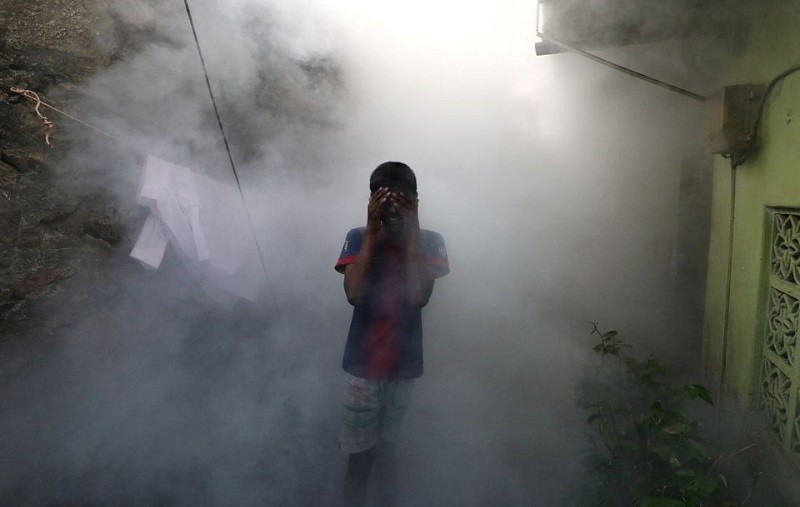
Một cậu bé che mặt để tránh khói khi khi nhân viên y tế hun khói đuổi muỗi phòng sốt xuất huyết tại một khu dân cư ở Colombo, Sri Lanka, ngày 12/7/2023. (Ảnh: Reuters)
Theo báo cáo của WHO hồi tháng 3, bệnh sốt xuất huyết đã lần đầu tiên xuất hiện tại thủ đô Khartoum của Sudan. Châu Âu gần đây ghi nhận số ca mắc tăng đột biến, trong khi Peru đã phải tuyên bố tình trạng khẩn cấp về dịch bệnh ở hầu hết các khu vực.
Đầu năm nay, WHO đã cảnh báo sốt xuất huyết là bệnh nhiệt đới lây lan nhanh nhất thế giới, và đồng thời là một “mối đe dọa đại dịch”.
Chia sẻ tại họp báo ở Geneva, Thụy Sĩ ngày 21/7, Tiến sĩ Raman Velayudhan, chuyên gia thuộc bộ phận kiểm soát các bệnh nhiệt đới bị lãng quên của WHO, cho biết khoảng một nửa dân số thế giới đang đối mặt với nguy cơ nhiễm bệnh sốt xuất huyết.
Năm 2019, số ca mắc sốt xuất huyết toàn cầu đạt mức cao nhất trong lịch sử với 5,2 triệu trường hợp được ghi nhận tại 129 quốc gia. Sau 4 năm, thế giới một lần nữa chứng kiến sự bùng phát mạnh mẽ của căn bệnh này khi số người nhiễm bệnh đang trên đà chạm mốc 4 triệu.
Tiến sĩ Velayudhan thông tin thêm, gần 3 triệu trường hợp mắc sốt xuất huyết đã được báo cáo ở châu Mỹ, đồng thời bày tỏ quan ngại về sự lây lan của dịch bệnh xuống khu vực phía nam sang các nước Bolivia, Paraguay và Peru.
“Tình hình sốt xuất huyết đang diễn biến khá tồi tệ ở khu vực châu Mỹ. Chúng tôi hy vọng khu vực châu Á có thể kiểm soát được dịch bệnh”, chuyên gia của WHO cho hay.
Theo WHO, các trường hợp mắc sốt xuất huyết được báo cáo cho đến nay chỉ chiếm một phần nhỏ trong tổng số ca nhiễm toàn cầu vì hầu hết đều không có triệu chứng, trong đó tỷ lệ số ca tử vong chưa đến 1%.
Khí hậu ấm hơn được cho là nguyên nhân giúp muỗi sinh sôi nhanh hơn và tạo điều kiện cho virus trong cơ thể chúng phát triển. Ngoài ra, nhu cầu vận chuyển hàng hóa và di chuyển của con người ngày càng cao, quá trình đô thị hóa và các vấn đề liên quan đến vệ sinh cũng là những yếu tố dẫn đến sự gia tăng số ca bệnh.
Trả lời câu hỏi về tình trạng nắng nóng hiện nay ở Bắc bán cầu ảnh hưởng thế nào đến sự lây lan của dịch sốt xuất huyết, Tiến sĩ Velayudhan cho biết còn quá sớm để nói về điều này.
Chuyên gia của WHO giải thích, về lý thuyết, ở nhiệt độ trên 45 độ C, số lượng muỗi bị tiêu diệt nhiều hơn số muỗi sinh ra. Tuy nhiên, muỗi là loài côn trùng rất thông minh, và nó có thể sinh sản trong các vật chứa nước nơi nhiệt độ không tăng đến mức như vậy.
“Non-communicable diseases are diseases that are not spread through infection or through other people, but are typically caused by unhealthy behaviours. They are the leading cause of death worldwide and present a huge threat to health and development, particularly in low- and middle-income countries.”Four types of non-communicable diseases account for over two thirds of deaths globally:Cardiovascular diseases, Cancers, Diabetes, Chronic respiratory disease” IFRC.org
Roughly 23 million Vietnamese people are suffering from non-communicable diseases (NCDs) that are the leading cause of death in the country, revealed Prof. Nguyen Lan Viet, vice president of the Vietnam National Heart Association.
23 million people in Vietnam are suffering non-communicable diseases (Photo: Tien Phong)
Viet quoted statistics compiled by the Ministry of Health in 2021 and Globocan, an online database providing global cancer statistics, saying 17 million local people were suffering from high blood pressure, 4.6 million having diabetes, 1.5 million having chronic obstructive pulmonary disease, 354,000 living with cancer.
He said NCDs typically cause 80% of deaths annually, with 41% dying before the age of 70, and account for 74% of financial burden for disease treatment.
The professional pointed out that one of the main causes for the increase in cases is people’s poor awareness of cigarette smoking and alcohol drinking prevention. In addition, people have imbalanced diets, leading to an increasing number of overweight people.
In order to avoid these NCDs, Prof. Viet urged people to follow a healthy lifestyle, eat a proper diet, maintain their weight, stop smoking, and drinking alcohol products. One of the steps encouraged by the professional is doing physical activities every day.
Thailand’s multibillion-dollar sex tourism trade is thriving again after its shutdown during the COVID-19 lockdowns.
With the country’s borders open again, tourists are flocking from around the world.
Despite prostitution being illegal, bar girls in the coastal city of Pattaya can earn triple the average wage, drawing workers from the country’s poor rural provinces.
But police say children are increasingly targeted in the city’s red-light district.
101 East investigates Thailand’s sex tourism trade and how it exploits vulnerable children.
The World Bank has said that water shortage is the biggest threat to Vietnam’s red hot economic growth. Hundreds of thousands of households in the Mekong Delta do not have access to clean water, relying on rivers and streams. But these waterways are contaminated by agricultural, household, and industrial waste. As a result, the Vietnamese government states that 80% of diseases in Vietnam are caused by polluted water.
Meanwhile, climate change and rising sea levels have caused saltwater intrusion near the coast, and floods in the cities. What is behind Vietnam’s water woes, and what can be done to fix it?
0:00 Intro 2:59 Water scarcity in Vietnam 5:37 Pollution in Vietnam’s water 11:37 Costs of water shortage on Vietnam economy 12:41 Upstream dams affect Vietnam’s water 15:01 Dangers of depleting groundwater 25:14 Ho Chi Minh City’s water demands 27:15 Land subsidence and flooding in Ho Chi Minh City 34:24 Vietnam government’s clean water plan 41:05 Combating saltwater intrusion with native plants
TTCT – Chục ngày qua, tòa xử đại án “chuyến bay giải cứu” hai năm trước. Nhưng tôi không muốn nhắc lại phiên tòa buồn bã ngày hôm nay, mà muốn nhắc về một quá khứ vẫn còn nóng hổi, của lòng trắc ẩn trong đại dịch…
Người di cư về tới đèo Lò Xo đầu tháng 10-2021. Ảnh: Calvin Tran
Một trong những sợi dây quan trọng giúp hình thành, cố kết, duy trì cộng đồng xuyên suốt trong chiều dài lịch sử và chiều ngang không gian của mọi cộng đồng là đạo đức, là nhân tính. Và một biểu hiện cụ thể của nó là không quay lưng bỏ rơi đồng loại trong những khúc nguy nan.
Hiện nay còn 22% hộ gia đình nông thôn chưa có nhà tiêu hợp vệ sinh, 31 triệu người dân nông thôn chưa được sử dụng nước sạch đạt chuẩn. Điều này không chỉ gây ô nhiễm môi trường mà còn ảnh hưởng nghiêm trọng đến sức khỏe của người dân, đặc biệt là phụ nữ và trẻ em.
Hiện nay còn 22% hộ gia đình nông thôn chưa có nhà tiêu hợp vệ sinh
Thông tin trên được đưa ra tại Hội thảo về giải pháp tiếp cận nước sạch và vệ sinh an toàn cho phụ nữ và trẻ em nông thôn do Trung ương Hội Liên hiệp Phụ nữ Việt Nam phối hợp Quỹ nhi đồng Liên hợp quốc (UNICEF) tổ chức ngày 30/3 tại Hà Nội.
Hàng năm, tại Việt Nam có khoảng 20 nghìn ca tử vong do điều kiện vệ sinh không đảm bảo, 9.000 người tử vong do nguồn nước bị ô nhiễm… Vệ sinh môi trường yếu kém sẽ ảnh hưởng lớn đến sự phát triển kinh tế xã hội của đất nước. Mỗi năm, Việt Nam thiệt hại khoảng gần 800 triệu USD do tình trạng vệ sinh kém gây nên.
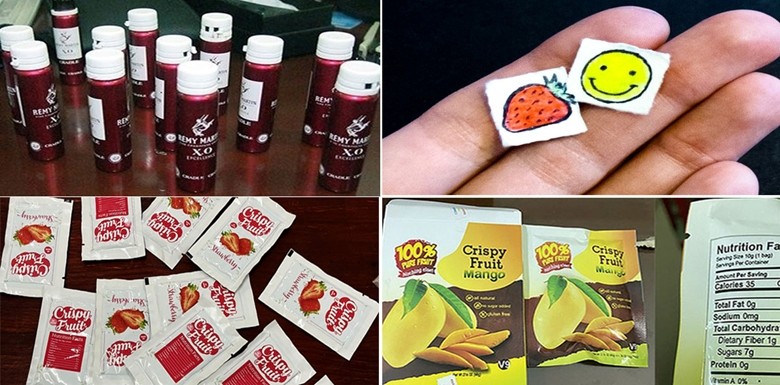
Một học sinh cấp 3 tại Hà Nội sau khi được một huấn luyện viên thể hình (PT) cho một chiếc “bánh lười” – loại bánh trộn cần sa đã mang về… chia cho các bạn cùng sử dụng. Hậu quả, một nhóm học sinh đã bị ngộ độc ngay sau đó.
Thứ sáu, ngày 07/04/2023
“Nước vui”, “bùa lưỡi”, “bột dâu”, “bột xoài” với hình thức bắt mắt dễ dàng qua mặt lực lượng chức năng. (Ảnh: Cơ quan chức năng cung cấp)
Đây chỉ là một trong những thí dụ không hề hiếm gặp cho thấy ma túy “thế hệ mới” đã và đang xâm nhập vào học đường hiện nay.
Nguy hiểm rình rập học đường
Theo thống kê của Bộ Công an vào tháng 6/2022, 60% số người sử dụng trái phép chất ma túy lần đầu ở độ tuổi từ 15-25 tuổi, trong đó nhiều người đang là học sinh, sinh viên. Người nghiện ma túy đang có xu hướng ngày càng trẻ hóa đặt ra không ít thách thức cho công tác phòng, chống ma túy cũng như cai nghiện.
Một điều tra viên lâu năm trong lĩnh vực phòng, chống tội phạm ma túy chia sẻ, bản thân anh đã từng chứng kiến nhiều vụ việc “dở khóc, dở cười”.
“Chúng tôi từng nhận được thông tin về việc một nữ học sinh cấp 3 được huấn luyện viên thể hình đưa cho một chiếc bánh lười (loại bánh tẩm cần sa-PV). Tuy nhiên, cô bé không sử dụng ngay mà mang về… chia cho các bạn cùng lớp ăn cùng. Kết quả, cả nhóm học sinh đều bị ngộ độc và phải đưa đi cấp cứu”, điều tra viên kể lại.
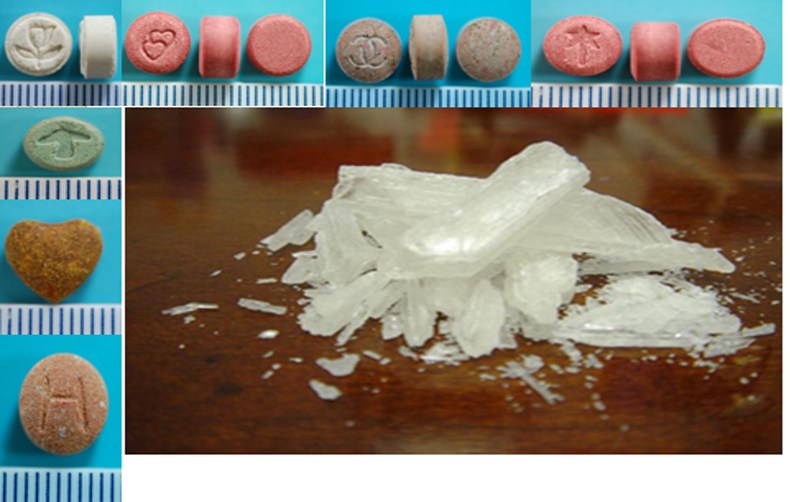
Ma túy tổng hợp cơ quan chức năng thu giữ. (Ảnh: Cơ quan công an cung cấp)
Các đối tượng tội phạm về ma túy thường lợi dụng tâm sinh lý của học sinh, sinh viên nói riêng; giới trẻ nói chung để lôi kéo, dụ dỗ.
Tăng cường tiếp cận bảo hiểm thai sản cho phụ nữ Việt Nam
Mặc dù chế độ thai sản ở Việt Nam được coi là một trong những chế độ tốt nhất trong khu vực, các khoản trợ cấp này vẫn nằm ngoài tầm với đối với nhiều phụ nữ Việt Nam. Việc tăng cường tiếp cận bảo hiểm thai sản sẽ không những đảm bảo lợi ích cho phụ nữ và gia đình của họ mà còn thúc đẩy sự phát triển của doanh nghiệp và xã hội.
Tổ chức Lao động Quốc tế (ILO) – Mới 6:30 sáng, Hương, 36 tuổi bắt đầu công việc hàng ngày của mình bằng việc vào kho lạnh -20 độ để lấy kem ra sắp xếp vào các thùng xốp rồi chồng cô dùng xe tải chở đi giao cho các đại lý. Hai vợ chồng Hương có một cửa hàng tạp hoá nhỏ bán các đồ tiện lợi, cùng với nghề chuyên giao kem sỉ cho các cửa hàng bán lẻ khác trên địa bàn tỉnh Thanh Hoá.
In Japanese folklore there are both toilet gods and toilet demons. The toilet gods are household deities, the toilet demons are water demons. Let’s look at the gods first, then the demons.
Toilet Gods
There is only very limited livestock on Japan farms. Human waste has traditionally been collected in cesspits and used as fertilizer. This meant that there was a risk of falling into a cesspit and possibly drowning. Protection was needed against this dreadful fate. Also, since the collected waste was used for fertilizer, the toilet was connected with fertility in general.
The kawaya no-kami or toilet god was asked for help. Special rituals at the new year asked for the kawaya no-kami to bring a good harvest. Keeping the toilet clean was thought to lead to more attractive children.
The specific name and rituals associated with the toilet god vary with location. The name is Takagamisama around Nagano, Setchinsan in Hiroshima, Kamu-taka on Ishigaki Island, Sechinbisan in Ōita, and Usshimasama in Ehime. In some places the family sit in front of the toilet on a straw mat and eat a rice cake, in other places they would put an offering of food into the toilet.
In far northern Japan the Ainu people believed that their toilet god, the Rukar Kamuy, would be the first deity to provide help in times of danger. The Rukar Kamuy is one of many Kamuy or household gods. There is Apasamn Kamuy the husband and wife god and goddess who keep evil spirits out of the house entrance. Cisepannokianpa Kamuy and Cisepennokianpa Kamuy, the husband and wife god and goddess of the eaves of the roof, protect the house from earthquakes and typhoons. Cisekor Kamuy, a male god, sits in the east corner of the house and watches over everything. He is the husband of Apehuci Kamuy, the goddess of fire. Colpep Kamuy is the god of containers, thanks are given to this god when containers are retired.
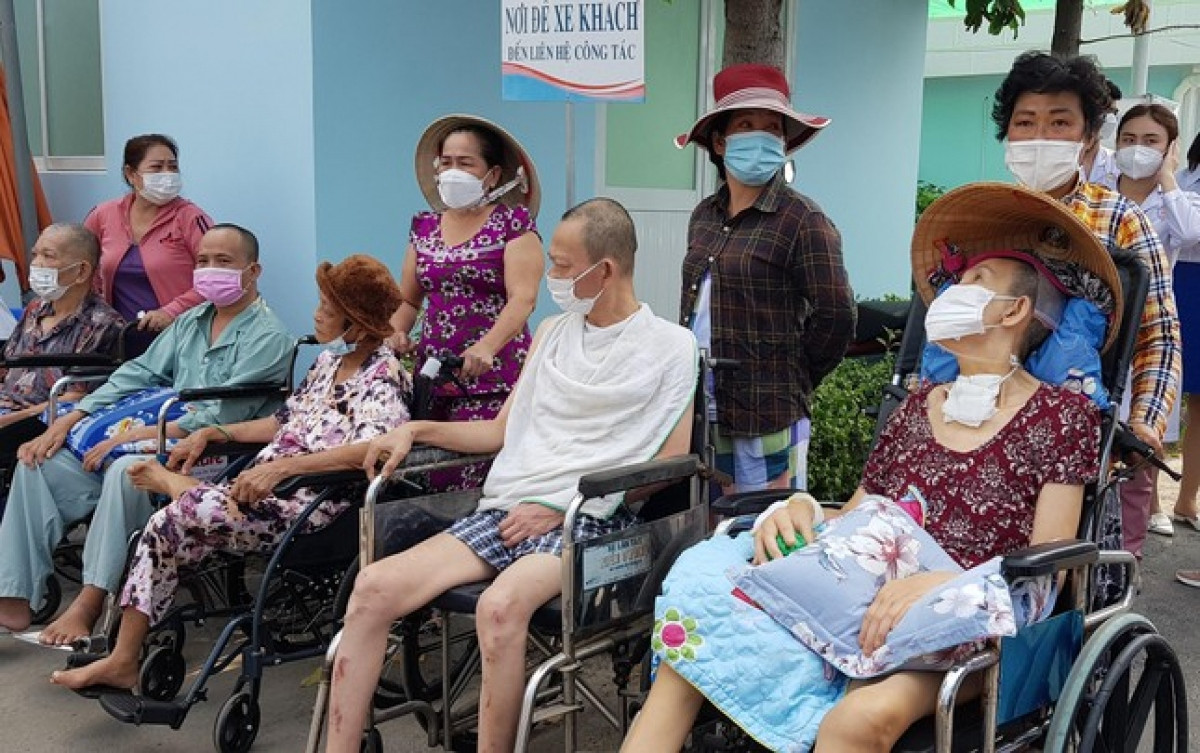
(KTSG) – Việt Nam đang tiến gần hơn đến thời kỳ già hóa dân số từ năm 2036. Hơn 23 triệu người đang ở độ tuổi trung niên (30-44) sẽ thành người già trong khi sự chuẩn bị cho tuổi già của nhóm người này, đặc biệt là ý thức và sự tích lũy tài chính, còn mờ nhạt chưa kể đến hệ thống an sinh xã hội chưa phát triển. Hệ thống chăm sóc y tế, điều trị bệnh cho người cao tuổi đối mặt với nhiều thách thức.
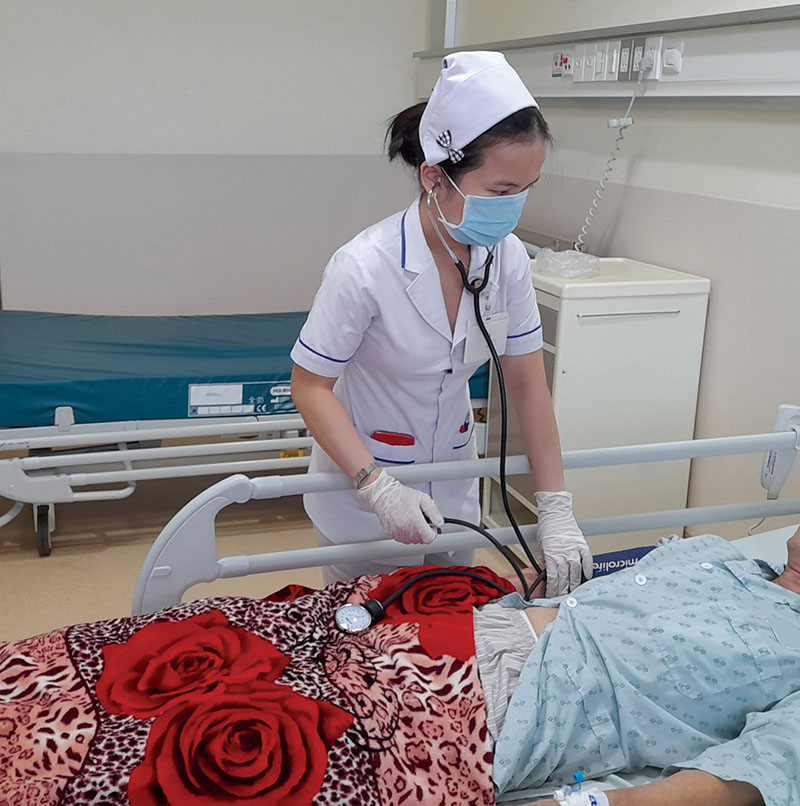
Điều dưỡng đang chăm sóc bệnh nhân tại một bệnh viện ở TPHCM. Ảnh: H.T






 CVD
CVD 