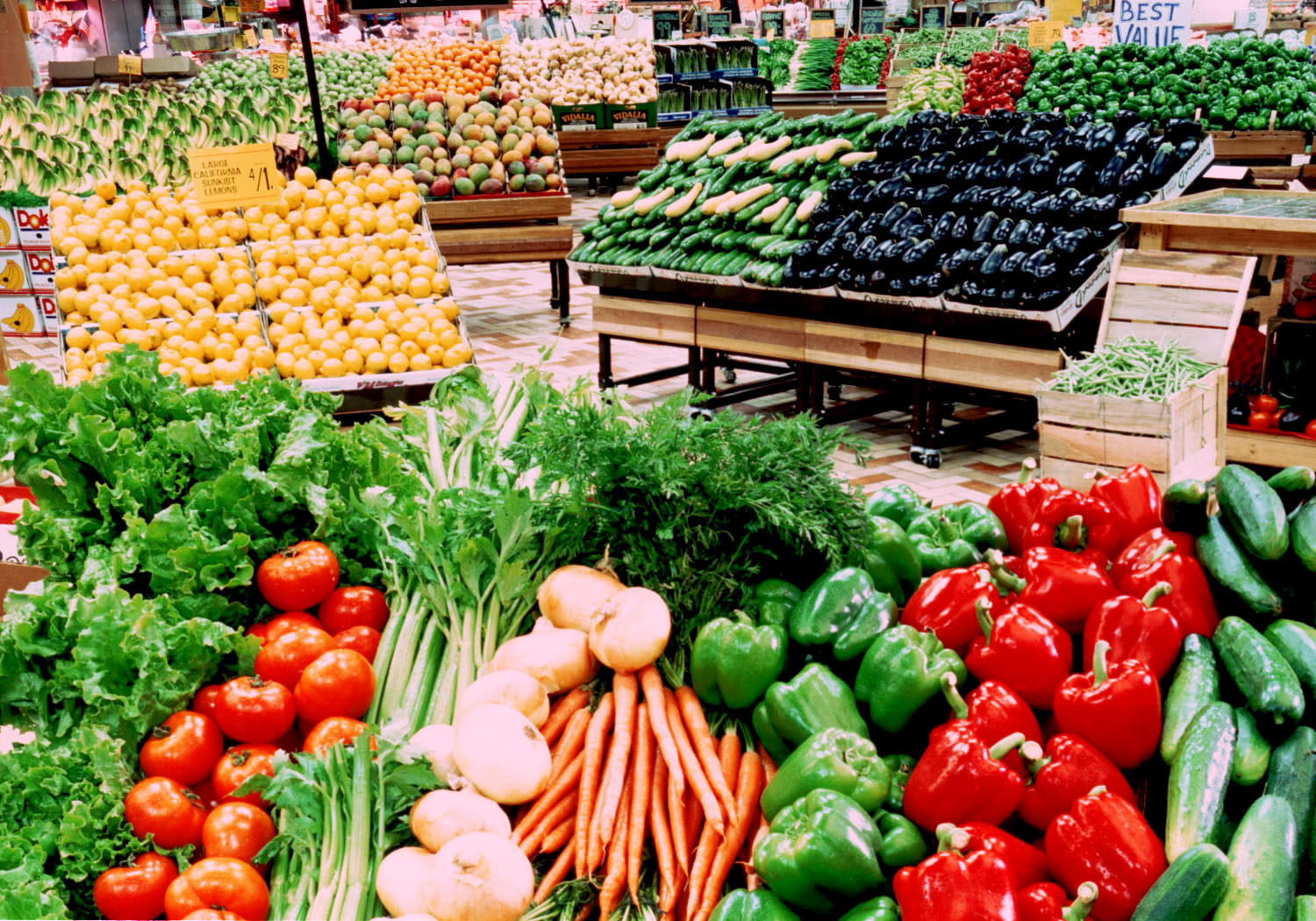
Thiếu minh bạch thông tin về thực phẩm biến đổi gen

Ban Thời sự 07/10/2023 06:07 GMT+7

VTV.vn – Vấn đề lớn nhất lúc này là phải thực hiện nghiêm những quy định về thực phẩm biến đổi gen để bảo vệ quyền lợi người tiêu dùng.

Ngô và đậu tương là hai loại thực phẩm có tỷ lệ giống biến đổi gen lớn nhất ở Việt Nam. Loại dùng để làm thức ăn chăn nuôi có tiêu chuẩn hoàn toàn khác với loại làm thực phẩm cho người. Dù đã có quy định về việc ghi nhãn đối với thực phẩm có chứa sinh vật biến đổi gen, sản phẩm của sinh vật biến đổi gen. Tuy nhiên, quy định này chưa được thực hiện nghiêm. Nên người tiêu dùng đang không được đảm bảo quyền minh bạch thông tin về những sản phẩm này.

Hơn 6,5 triệu tấn ngô và đậu tương, là khối lượng được nhập khẩu vào nước ta từ đầu năm đến nay để làm nguyên liệu chế biến thức ăn chăn nuôi. Trong đó, Brazil, Hoa Kỳ và Canada là 3 đối tác lớn cung cấp đậu tương cho Việt Nam. Đây cũng là các quốc gia hàng đầu thế giới về trồng ngô, đậu tương biến đổi gen. Điều đáng nói là khi những sản phẩm này được nhập khẩu về Việt Nam… thì việc hậu kiểm cũng như quản lý lại khá lỏng lẻo và thiếu minh bạch.

Tiếp tục đọc “Thiếu minh bạch thông tin về thực phẩm biến đổi gen”

“Spy” Virus Eavesdrops on Bacteria, Then Obliterates Them

scienctificamerican.com By Angus Chen on December 14, 2018

Viruses use bacteria’s chemical language to time their destruction; this might lead to new ways to fight infections 

"Spy" Virus Eavesdrops on Bacteria, Then Obliterates Them
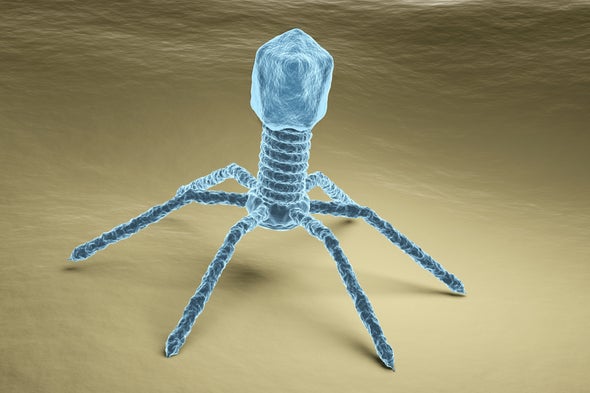
Bacteriophage virus electron microscopy image. Credit: Getty Images

In the early experiments it looked like the virus called VP882 was doing something that should be impossible for a thing that is not a bacterium, and not technically even alive: intercepting molecular messages exchanged by its host bacteria, and reading them to determine the best time to annihilate the whole bacterial colony. “As scientists, this is just unimaginable to us,” says Bonnie Bassler, a molecular biologist at Princeton University. “We were delighted and skeptical at the same time. It was almost too good to be true.”

Not only did it turn out to be true for VP882; Bassler learned there is a family of bacteria-infecting viruses (a subgroup of a kind called bacteriophages, or just “phages”) that eavesdrop on their hosts’ routine molecular communications with other bacteria. That means VP882’s kill trigger could be easily manipulated to target any bacteria, Bassler says—opening the possibility that the virus could be engineered into an ideal killing machine for dangerous pathogens.

Tiếp tục đọc ““Spy” Virus Eavesdrops on Bacteria, Then Obliterates Them”

The creator of the CRISPR babies has been released from a Chinese prison

He Jiankui created the first gene-edited children. The price was his career. And his freedom.

technologyreview.com

By Antonio Regaladoarchive page April 4, 2022

He Jiankui

MS TECH | AP PHOTO/KIN CHEUNG

The daring Chinese biophysicist who created the world’s first gene-edited children has been set free after three years in a Chinese prison.

He Jiankui created shock waves in 2018 with the stunning claim that he’d altered the genetic makeup of IVF embryos and implanted them into a woman’s uterus, leading to the birth of twin girls. A third child was born the following year.

Following international condemnation of the experiment, He was placed under home arrest and then detained. In December 2019, he was convicted by a Chinese court, which said the researcher had “deliberately violated” medical regulations and had “rashly applied gene editing technology to human assisted reproductive medicine.”

His release from prison was confirmed by people familiar with the situation and He answered his mobile phone when contacted early today. “It’s not convenient to talk right now,” he said before hanging up.

Tiếp tục đọc “The creator of the CRISPR babies has been released from a Chinese prison”

The shifting sands of ‘gain-of-function’ research

nature.com

The mystery of COVID’s origins has reignited a contentious debate about potentially risky studies and the fuzzy terminology that describes them.

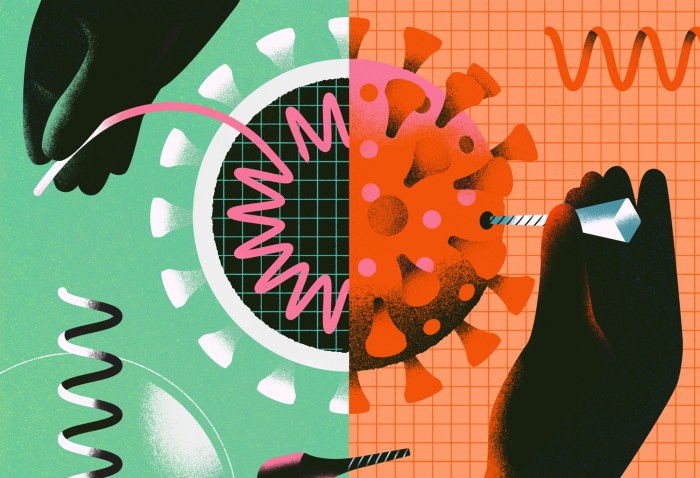
Conceptual illustration showing a virus being edited.
Illustration by Kasia Bojanowska

In Greek mythology, the Chimaera was a fire-breathing monster, a horrifying mishmash of lion, goat and snake that laid waste to the countryside. In 2015, virologists led by Ralph Baric at the University of North Carolina in Chapel Hill reported the creation of their own chimaera. They took a version of the coronavirus responsible for the deadly outbreak of severe acute respiratory syndrome (SARS) in the early 2000s — now known as SARS-CoV — and adorned it with surface proteins from a different coronavirus taken from Chinese horseshoe bats. In the laboratory, this particular mash-up was able to break into human cells and also make mice ill1. This chimaera came with a message: other coronaviruses have the potential to spark a human pandemic. In just a few years’ time, that warning would prove prescient, as a distant cousin of SARS-CoV has now killed more than 4.9 million people worldwide.

Tiếp tục đọc “The shifting sands of ‘gain-of-function’ research”

Scientists plan to drop the 14-day embryo rule, a key limit on stem cell research

technologyreview.com

As technology for manipulating embryonic life accelerates, researchers want to get rid of their biggest stop sign.

March 16, 2021
stem cell researchIn 2016, Magdalena Zernicka-Goetz grew human embryos in a lab dish for longer than anyone had before. Bathing the tiny spheres in a special broth inside an incubator, her team at the University of Cambridge watched the embryos develop, day after day, breaking all prior records. The embryos even attached to the dish as if it were a uterus, sprouting a few placental cells.

But on day 13, Zernicka-Goetz halted the experiment.

Zernicka-Goetz had hit up against an internationally recognized ethical limit called the “14-day rule.” Under this limit, scientists have agreed never to allow human embryos to develop beyond two weeks in their labs. That is the point at which a spherical embryo starts to form a body plan, deciding where its head will end up, and when cells begin taking on specialized missions.

For the last 40 years, the rule, which is law in some countries and a guideline in others, has served as an important stop sign for embryonic research. It has provided a clear signal to the public that scientists wouldn’t grow babies in labs. To researchers, it gave clarity about what research they could pursue.
Tiếp tục đọc “Scientists plan to drop the 14-day embryo rule, a key limit on stem cell research”

Việt Nam lần đầu tiên nhân bản vô tính heo

NLD – 15-03-2021 – 03:04 AM|

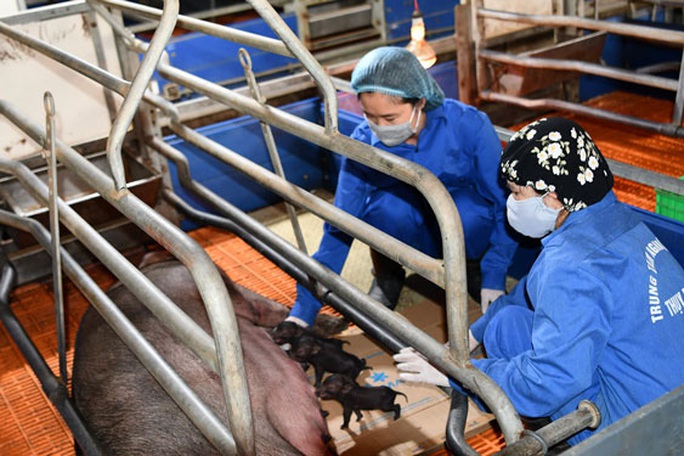
Ngày 14-3, Bộ Nông nghiệp và Phát triển nông thôn công bố các nhà khoa học của Viện Chăn nuôi trực thuộc bộ đã nghiên cứu thành công và làm chủ công nghệ nhân bản heo ỉ từ tế bào soma mô tai (trưởng thành).

Việt Nam lần đầu tiên nhân bản vô tính heo - Ảnh 1.

Những chú heo ỉ vô tính đầu tiên của Việt Nam ra đời khỏe mạnh, phát triển tốt. Ảnh: VĂN GIANG

Cụ thể, vào ngày 10-3 vừa qua, 4 chú heo con đã chào đời khỏe mạnh, phát triển tốt từ công nghệ này, khẳng định bước tiến vượt bậc về khoa học và công nghệ của Việt Nam trong lĩnh vực nhân bản động vật. Tiếp tục đọc “Việt Nam lần đầu tiên nhân bản vô tính heo”

Quảng Ngãi: Trồng chuối nuôi cấy mô – hướng sản xuất mới ở huyện Sơn Tịnh

khuyennongvn.gov.vn 26/06/2019 18:58

Xã Tịnh Hà, huyện Sơn Tịnh với lợi thế vùng đất nằm ven sông Trà phù hợp phát triển trồng loại giống chuối mới chất lượng cao, đồng thời từng bước đưa giống chuối mới thay thế giống chuối đang bị thoái hóa hiện nay đang trồng ở địa phương, trong giai đoạn 2018-2019, Trung tâm dịch vụ nông nghiệp huyện Sơn Tịnh đã triển khai thực hiện mô hình trồng chuối nuôi cấy mô ở xã Tịnh Hà.

Mô hình trồng chuối cấy mô tại Sơn Tịnh

Tiếp tục đọc “Quảng Ngãi: Trồng chuối nuôi cấy mô – hướng sản xuất mới ở huyện Sơn Tịnh”

Trồng cây nuôi cấy mô, không sợ thời tiết xấu

khoahocphattrien.vn Kiều Anh 09/06/2016 06:24

Mặc dù thời tiết có nhiều bất lợi so với những năm trước, nhưng vườn hoa nhà ông Trương Văn Nhung ở Củ Chi, TPHCM năm nay vẫn đạt năng suất cao. Ông Nhung cho biết, đó là nhờ sử dụng cây giống nuôi cấy mô.

Nuôi cấy mô là một trong những công nghệ cao trong sản xuất hoa và cây cảnh mà Trung tâm Công nghệ sinh học TPHCM đã nghiên cứu và ứng dụng thành công, mang lại hiệu quả kinh tế cao cho người nông dân.

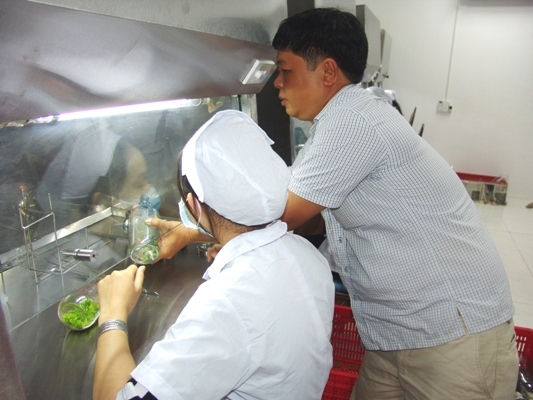
Các cán bộ Trung tâm Công nghệ sinh học TPHCM kiểm tra sự phát triển của cây nuôi cấy mô. Ảnh: Mạnh Linh

Tiếp tục đọc “Trồng cây nuôi cấy mô, không sợ thời tiết xấu”

Hai Lúa cả gan bỏ hơn 10 tỷ đấu lại ‘độc quyền’ của người Thái Lan

VNN – 25/09/2018    08:48 GMT+7

Tạo giống hoa lan từ cấy mô lâu nay được xem như vượt khỏi tầm tay nông dân Việt Nam, nhưng hiện có 2 anh “Hai Lúa” ở Long An đã cả gan dám bỏ 10 tỷ đồng để làm việc này.

Do chi phí nhập giống hoa lan từ Thái Lan khá cao, lại không chủ động được nguồn giống tốt nên hai anh nông dân “Hai Lúa” Phạm Huỳnh Nhật Tân và Nguyễn Thanh Thiện (xã Phước Đông, huyện Cần Đước, Long An) đã hợp tác đầu tư hơn 10 tỷ đồng xây dựng phòng cấy mô nhằm bảo đảm nguồn giống cho vườn nhà và cung cấp cây giống cho các vườn trồng lan chuyên canh.

Hai Lúa cả gan bỏ hơn 10 tỷ đấu lại 'độc quyền' của người Thái Lan
Trong phòng cấy mô hoa lan do 2 anh “Hái Lúa” đất Long An cả gan xây dựng.

Tiếp tục đọc “Hai Lúa cả gan bỏ hơn 10 tỷ đấu lại ‘độc quyền’ của người Thái Lan”

Innovative methods could transform Vietnam’s robusta farms into carbon sinks


Genetic innovation: ‘Nothing that we eat is natural’

A recent judgement from the European Court of Justice in the case of “CRISPR/Cas9 gene editing” is causing debate since July 2018. [igorstevanovic/ Shutterstock]

As Bayer’s Roundup Cancer Costs Accumulate, Questions Linger About the Wisdom of Its Monsanto Merger

By DAVID MEYER Fortune

4:00 AM EDT

Bayer has to pay out $81 million in damages to a man who claims the Roundup weedkiller caused his cancer, a jury ruled Wednesday. In a similar ruling last year, the sum was $289 million, reduced to $78 million on appeal. Since that first verdict, Bayer’s shares have lost 40% of their value—and there are still around 11,300 such cases waiting in the wings. Tiếp tục đọc “As Bayer’s Roundup Cancer Costs Accumulate, Questions Linger About the Wisdom of Its Monsanto Merger”

Innovative solutions to help famers replant ageing coffee trees

Update: March, 28/2019 – 09:00 vnn


Trần Văn Nhiên (first from left), a coffee farmer in Quảng Hiệp, Cư M’Gar, Đắc Lắc Province with his cofee farm applying drip protection solution in the pilot phase, bringing healthier and taller coffee trees in comparison with curent farmer practices. — VNS Photo
Viet Nam NewsĐẮK LẮK — Coffee trees in Việt Nam are ageing and innovative technical solutions are needed to help farmers successfully replant them, a seminar, “Making use of plant protection products through drip irrigation system”, heard in Đắc Lắc Province on Wednesday. Tiếp tục đọc “Innovative solutions to help famers replant ageing coffee trees”

US Food & Drug Administration allows import of GM salmon into the US for consumption


FDA Statement

Statement from FDA Commissioner Scott Gottlieb, M.D., on continued efforts to advance safe biotechnology innovations, and the deactivation of an import alert on genetically engineered salmon

For Immediate Release

March 8, 2019

Statement

Advancements in the dynamic field of biotechnology are bringing about the development of innovative, new food products. At the U.S. Food and Drug Administration, we’re committed to helping food developers bring biotechnology innovations to market while at the same time providing consumers with confidence that foods available for purchase in the U.S. – whether developed using traditional breeding techniques or biotechnology – meet the FDA’s high safety standards. Tiếp tục đọc “US Food & Drug Administration allows import of GM salmon into the US for consumption”

‘Sức khỏe’ giới khoa học nông nghiệp – 3 bài

11-44-15_dsc_3970
Đội ngũ nghiên cứu trẻ của Viện Cây lương thực

***

‘Sức khỏe’ giới khoa học nông nghiệp: Bài 1 – Thủ tục, giấy tờ cao hơn ông chủ nhiệm đề tài

12/03/2019, 11:17 (GMT+7)Nuôi sống một đất nước gần 100 triệu dân, xuất khẩu nông sản hơn 40 tỉ USD/năm, ước tính khoa học ngành nông đóng góp ít nhất 30% vào sự phát triển của nông nghiệp.

Nhưng đời sống và chất lượng nghiên cứu của giới khoa học hiện nay ra sao, cơ chế nào đang bó buộc họ?

NNVN đã tiến hành cuộc tổng kiểm tra “sức khỏe” của một số viện nghiên cứu để làm rõ vấn đề này… Tiếp tục đọc “‘Sức khỏe’ giới khoa học nông nghiệp – 3 bài”