Japan Struggles to Find a Site for Its High-Level Radioactive Waste

nippon.com Jan 15, 2025 Matsumoto Sōichi [Profile]

The Nuclear Waste Management Organization of Japan recently backed the further survey of two potential disposal sites for high-level radioactive waste in Hokkaidō. The government has struggled to convince municipalities to participate in review procedures, with a growing list of stakeholders calling for a new approach to the selection process.

A Three-Step Process

The Japanese government and nuclear power plant operators have long grappled with how to dispose of spent fuel and other high-level radioactive waste. Authorities finally settled on the approach of burying waste deep underground at facilities 300 or more meters below the surface. In 2002, NUMO, the Nuclear Waste Management Organization of Japan, began hunting for a storage location by inviting municipalities to put themselves forward as candidate sites. To date, this “volunteer” policy has netted only three participants, the towns of Suttsu and Kamoenai in Hokkaidō and Genkai in Saga.

Tiếp tục đọc “Japan Struggles to Find a Site for Its High-Level Radioactive Waste”
Kết luận của Tổng Bí thư tại buổi làm việc với Viện Năng lượng Nguyên tử Việt Nam

Nangluongvietnam.vn 10:08 | 17/09/2025

 – Văn phòng Ban Chấp hành Trung ương Đảng vừa có Thông báo số 321-TB/VPTW, ngày 13/9/2025, về Kết luận của Tổng Bí thư Tô Lâm tại buổi làm việc với Viện Năng lượng Nguyên tử Việt Nam (ngày 4/9/2025). Dưới đây là nguyên văn Thông báo Kết luận của Tổng Bí thư.

Ngày 4/9/2025, Tổng Bí thư Tô Lâm đã làm việc với Viện Năng lượng Nguyên tử Việt Nam (VINATOM) tại trụ sở của Viện.

Tham dự buổi làm việc có Thủ tướng Chính phủ Phạm Minh Chính; các Uỷ viên Bộ Chính trị: Nguyễn Duy Ngọc – Chủ nhiệm Uỷ ban Kiểm tra Trung ương, Phó Trưởng Ban Chỉ đạo Trung ương về phát triển khoa học, công nghệ, đổi mới sáng tạo và chuyển đổi số; Lương Tam Quang – Bộ trưởng Bộ Công an; Lê Minh Hoan – Uỷ viên Trung ương Đảng, Phó Chủ tịch Quốc hội.

Tiếp tục đọc “Kết luận của Tổng Bí thư tại buổi làm việc với Viện Năng lượng Nguyên tử Việt Nam”

The US is on the cusp of a nuclear renaissance. One problem: Americans are terrified of the waste

By Ella Nilsen and Bill Weir, CNN Published 6:00 AM EST, Mon November 25, 2024

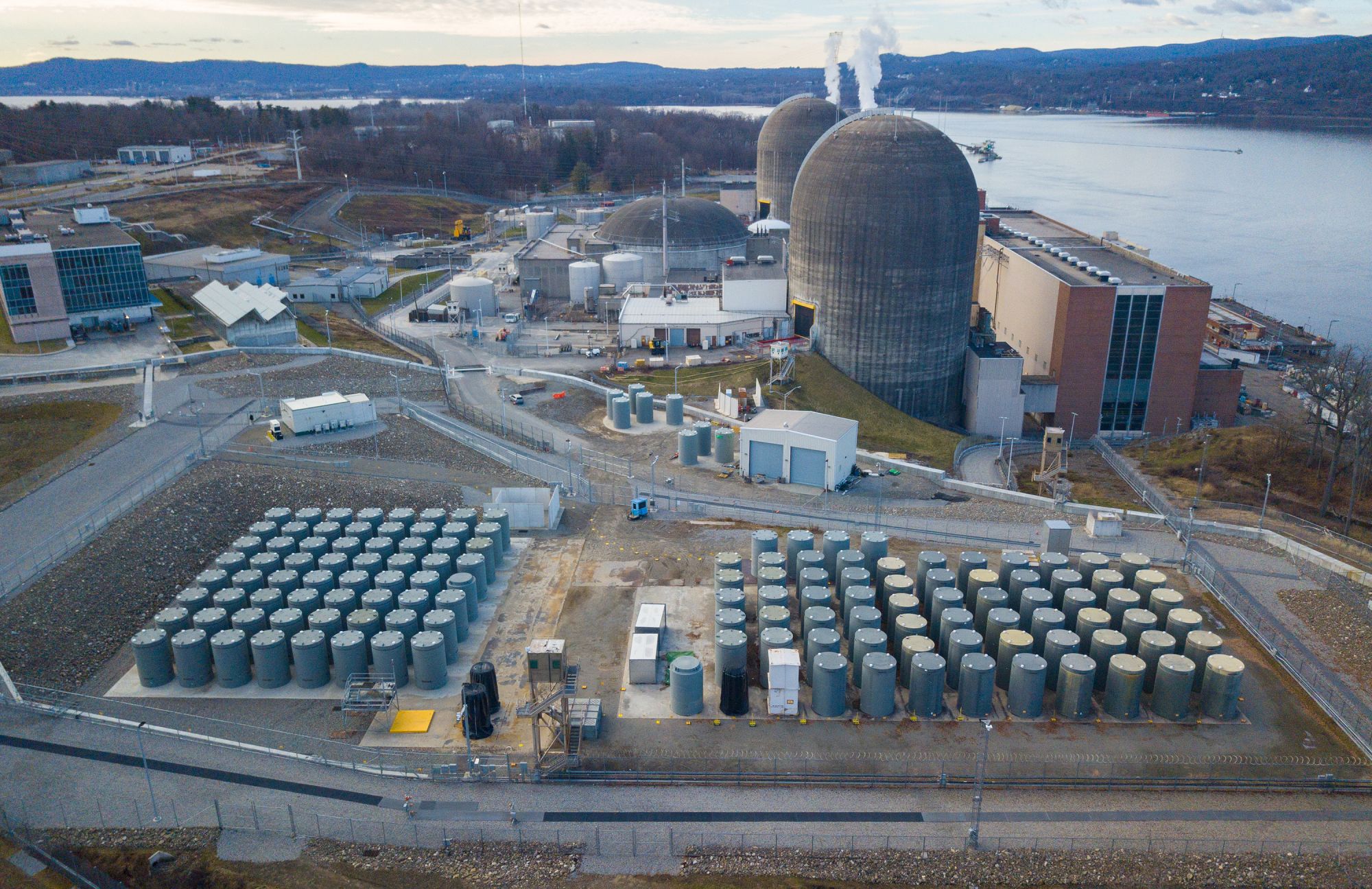
An array of containers storing nuclear waste sit at the decommissioned Indian Point nuclear power plant in Buchanan, New York.

An array of containers storing nuclear waste sit at the decommissioned Indian Point nuclear power plant in Buchanan, New York. Brian Vangor/HoltecBUCHANAN, New YorkCNN — 

The Indian Point nuclear power plant was an energy juggernaut for 50 years, generating a quarter of the electricity that powered New York City’s iconic, glowing skyline.

It is well into its decommissioning process after shutting down in 2021: The remaining waste of the radioactive fuel that once generated all of that power has been sealed inside more than 120 hulking metal and concrete canisters.

Tiếp tục đọc “The US is on the cusp of a nuclear renaissance. One problem: Americans are terrified of the waste”

Chuyển đổi xe xăng sang xe điện – Dục tốc bất đạt

  • Báo TTCT – Từ xe xăng sang xe điện: Thượng Hải cần tới 18 năm
  • Báo TTCT – Xe điện: Thí nghiệm, môi trường và thị trường
  • Báo VNE – Thách thức khi Hà Nội loại bỏ xe máy xăng

***

Từ xe xăng sang xe điện: Thượng Hải cần tới 18 năm

NGUYỄN THÀNH TRUNG – 27/07/2025 10:09 GMT+7

TTCTTrong kế hoạch chuyển đổi sang xe điện ở các đô thị lớn, nhìn ra thế giới, không ít bài học của các quốc gia đi trước có thể sẽ hữu ích cho Việt Nam.

Hiếm có nước nào chuyển đổi xe xăng sang xe điện nhanh và thành công như Trung Quốc. Ảnh: AFP

Theo kế hoạch từ ngày 1-7-2026, xe gắn máy chạy xăng dầu sẽ bị cấm lưu thông trong vành đai 1 ở thành phố Hà Nội. Từ ngày 1-1-2028, phạm vi hạn chế được mở rộng sang vành đai 2, bao gồm cấm xe máy và hạn chế xe ô tô cá nhân sử dụng nhiên liệu hóa thạch.

Nhìn ra thế giới, không ít bài học của các quốc gia đi trước có thể sẽ hữu ích cho Việt Nam.

Tiếp tục đọc “Chuyển đổi xe xăng sang xe điện – Dục tốc bất đạt”

The Nuclear Revival: How Nuclear Reactors Have Evolved

#CNAInsider We chart the evolution of nuclear power, from the first controlled chain reaction to today’s small, micro modular reactors and the pursuit of fusion. New designs are being tailored to meet the energy needs of remote communities, AI infrastructure, and climate-conscious cities.

The episode highlights how nuclear power is being adapted to local contexts, featuring China’s pebble-bed reactor, Finland’s underground district heating plant, and Indonesia’s floating nuclear concept. It also examines Westinghouse’s portable microreactor and the fusion research underway at ITER in France and KSTAR in South Korea. Engineers, scientists, and policy experts weigh in on how nuclear energy is being reimagined to deliver clean, reliable power in a rapidly changing world.

Indonesia’s Floating Nuclear Power Plant Plan To Power Thousands Of Its Islands

How Small Nuclear Reactors Are Transforming Power Grids In China & Finland

Điện sạch hậu cơn sốt: Hàng nghìn tỷ đồng kẹt giữa rào cản chính sách?

(Dân trí) – Từng được kỳ vọng là trụ cột năng lượng xanh, điện gió và mặt trời nay đối mặt không ít nút thắt. Giá điện sau nhiều năm vẫn chưa thống nhất, hàng loạt doanh nghiệp gặp khó về tài chính.

Cách đây gần một thập kỷ, nhắc đến Thuận Nam, Ninh Hải, Bác Ái, Thuận Bắc (Ninh Thuận cũ, nay là Khánh Hòa) hay Tuy Phong, Bắc Bình (Bình Thuận cũ, nay là Lâm Đồng) là nhắc đến những vùng đất khô hạn quanh năm, nơi đồng cỏ cháy vàng dưới cái nắng gay gắt, mặt đất lổn nhổn đá sỏi.

“Chó ăn đá, gà ăn sỏi” là câu nói được người địa phương ví với vùng đất khắc nghiệt mà họ vẫn bám trụ qua bao thế hệ. Nông nghiệp bấp bênh, sinh kế chủ yếu của người dân dựa vào chăn cừu, thả dê.

Rồi một ngày, từng đoàn xe tải hạng nặng nối đuôi nhau về vùng cát trắng, dựng trụ, lắp pin, kéo dây. Chỉ sau vài tháng, những cánh đồng nắng cháy ở Ninh Thuận, Bình Thuận cũ lần lượt được phủ kín bởi hàng triệu tấm pin mặt trời và những trụ tuabin gió trắng muốt.

Khó ai có thể hình dung rằng những vùng đất từng bị xem là “không thể canh tác” ấy lại trở thành điểm đến của hàng loạt nhà đầu tư năng lượng lớn bậc nhất cả nước. Nắng và gió từng là thách thức nay trở thành lợi thế, giúp hai địa phương này đóng góp hàng tỷ kWh điện sạch mỗi năm cho hệ thống điện quốc gia.

Tiếp tục đọc “Điện sạch hậu cơn sốt: Hàng nghìn tỷ đồng kẹt giữa rào cản chính sách?”

Who Buys the Most Iranian Oil?

visualcapitalist.com

As tensions escalate between Iran, Israel, and the U.S. amid fragile ceasefire negotiations, the Iranian oil market is facing heightened volatility.

Certain Asian economies that rely heavily on Iranian crude and stable passage through the Strait of Hormuz now face some of the greatest exposure.

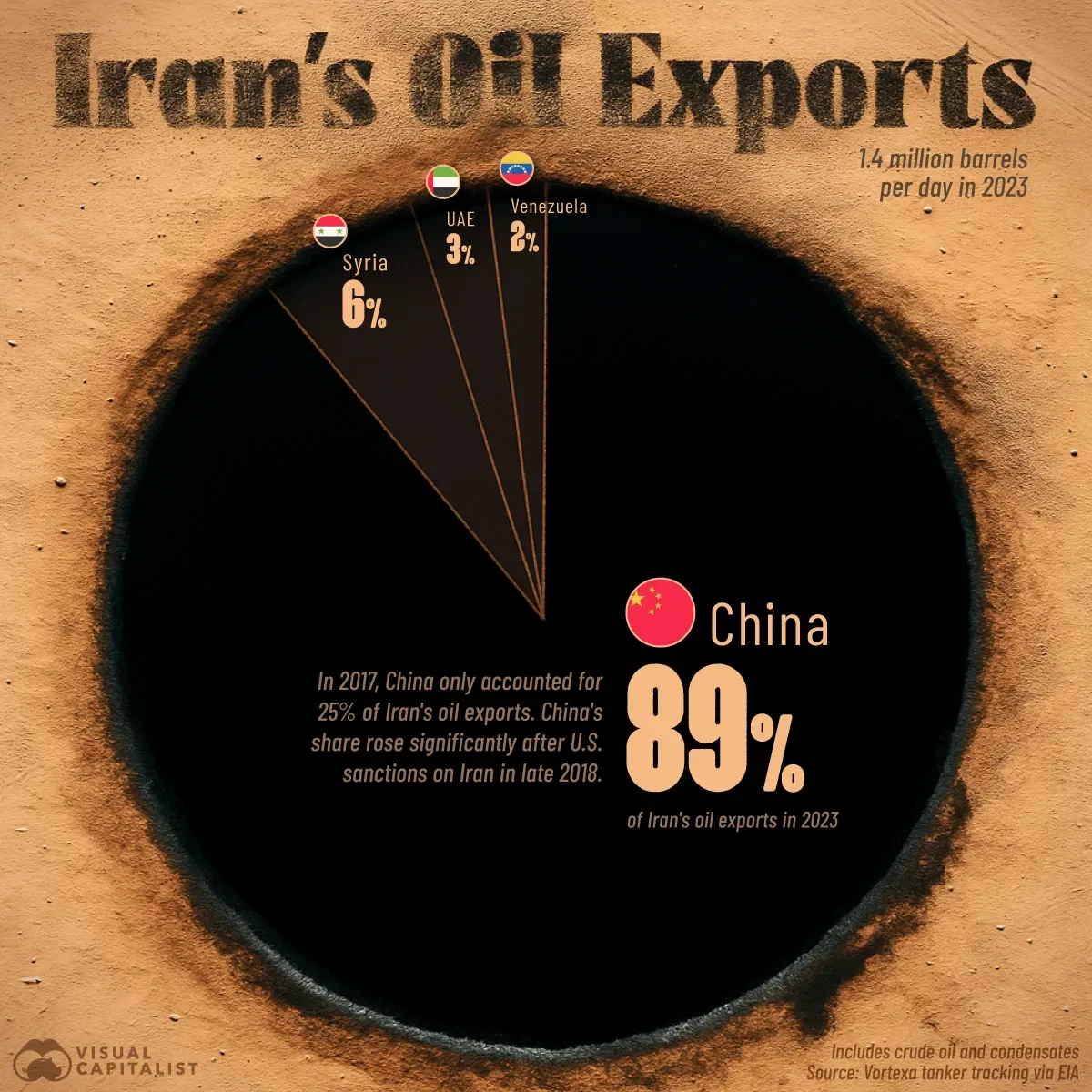
This chart visualizes the breakdown of Iran’s crude oil and condensate exports by destination in 2023.

Data comes from the U.S. Energy Information Administration.

China is the Top Buyer of Iranian Oil

Below, we show the share of Iran’s oil exports by destination.

CountryShare of Iran’s Crude Oil Exports
🇨🇳 China89%
🇸🇾 Syria6%
🇦🇪 United Arab Emirates3%
🇻🇪 Venezuela2%

In 2023, a staggering 89% of Iran’s oil exports went to China, a sharp rise from just 25% in 2017.

This surge followed renewed U.S. sanctions in 2018, which isolated Iran from most global oil buyers.

Iran is among the world’s largest oil producers, and in recent years, China has become its most critical customer both economically and geopolitically.

As hostilities in the region intensify–marked by U.S. attacks on Iranian nuclear infrastructure and Iranian missile strikes on American bases in Qatar and Iraq—China’s access to Iranian oil is increasingly at risk.

This is because the Strait of Hormuz, a critical route for China’s oil imports, could be disrupted by further conflict or Iranian retaliation.

While Iran supplies only about 13% of China’s total oil imports, the relationship is strategically important, offering China discounted crude and reinforcing its broader regional influence amid Western pressure.

Tại sao Iran?

SÁNG ÁNH – 07/07/2025 16:26 GMT+7

TTCT Hình ảnh Iran trong mắt phương Tây đã bị bóp méo rất nhiều, và cuộc chiến vừa diễn ra không chỉ có nguyên nhân địa chính trị…

Phụ nữ Iran ở Tehran. Ảnh: Reuters

Trong thập niên 1970, do phải tiêu pha cho chiến tranh Việt Nam và chiến tranh lạnh với Liên Xô, đồng thời với sự lớn mạnh kinh tế của Nhật Bản và Đức, Hoa Kỳ mất vị trí đứng đầu. 

Tổng thống Nixon, dưới áp lực của chính các đồng minh Đức, Anh, Pháp, phải ngưng việc hoán đổi USD sang vàng như ấn định bởi hiệp ước Bretton Woods sau Thế chiến II. 

Lý do nước Mỹ không đảm bảo được đồng USD bằng vàng nữa là vì họ đã in ra quá nhiều USD so với lượng vàng đang giữ. Mà vàng lại không phải của Hoa Kỳ, mà là ký thác của Anh, Pháp trong thời Thế chiến, giờ họ đòi về. Đồng USD đành thả nổi và sụt giá.

Tiếp tục đọc “Tại sao Iran?”

Green energy statecraft and Australia’s clean industry future

lowyinstitute.org Elizabeth Thurbon Oliver Yates

A new policy model that removes the risk in clean commodity innovation will put Australia ahead of the pack.

Australia will need to lead as global supply chains pivot towards low-emissions production (Getty Images)

Australia will need to lead as global supply chains pivot towards low-emissions production (Getty Images)

Published 9 Jul 2025  Australia Australian trade, investment & economy

As global supply chains pivot towards low-emissions production, Australia will need to lead, or risk being left behind. The country’s challenge is not a lack of technology, capital, or ambition. It’s a gap in policy architecture. Without bankable demand, Australia’s most promising clean commodity projects – green iron, sustainable aviation fuel, and clean ammonia – remain stuck at the starting line.

To meet that challenge, we propose a new demand-side policy model: the Clean Commodities Trading Initiative (CCTI) – a flagship example of green energy statecraft. At its heart is a new tool for national transformation: Clean Commodity Credits that reward innovation and emissions savings.

A market-friendly mechanism to kickstart large-scale clean production.

Green energy statecraft is a strategic approach to governance that uses the clean energy transition to simultaneously advance a nation’s economic, environmental, social, and geostrategic goals. Unlike conventional industry policy, which focuses on domestic market corrections, statecraft treats clean energy as key to national security and prosperity – used to build alliances, secure supply chains, boost productivity, and shape global rules.

The European Union, China, Japan, and South Korea are all pursuing variations of green energy statecraft. Australia must do the same – on its own terms, with tools suited to its advantages, institutions, and budget.

Tiếp tục đọc “Green energy statecraft and Australia’s clean industry future”

Không có hồ sơ tham gia, Thanh Hóa tiếp tục gia hạn gói thầu siêu dự án 57.000 tỷ

vneconomy.vn Nguyễn Thuấn

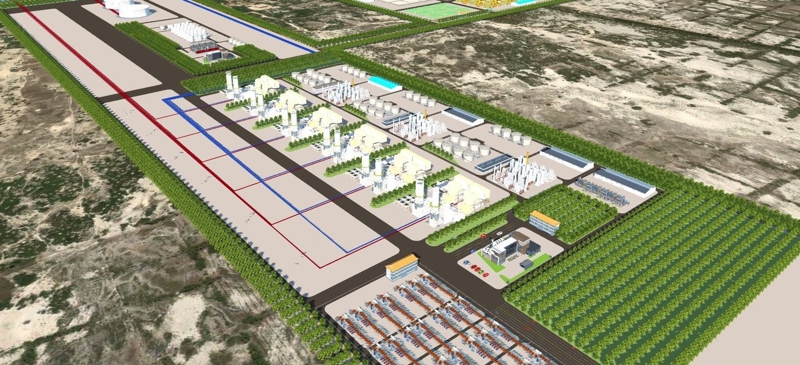
Không có nhà đầu tư nào nộp hồ sơ dự thầu cho Dự án Nhà máy Nhiệt điện LNG Nghi Sơn tính đến thời điểm đóng thầu ngày 19/6/2025, Ban Quản lý Khu kinh tế Nghi Sơn và các Khu công nghiệp tỉnh Thanh Hóa đã quyết định gia hạn thời gian lựa chọn nhà đầu tư theo quy định mới của Chính phủ.

Ảnh minh hoạ
Ảnh minh hoạ

Theo ông Nguyễn Anh Tuấn, Phó Trưởng ban Quản lý Khu kinh tế Nghi Sơn và các khu công nghiệp tỉnh Thanh Hóa, thời điểm đóng thầu lựa chọn nhà đầu tư Dự án Nhà máy Nhiệt điện LNG Nghi Sơn là ngày 19/6/2025 nhưng không có nhà đầu tư nào nộp hồ sơ dự thầu. Ngay sau đó, bên mời thầu đã thực hiện gia hạn thời điểm đóng/mở thầu theo đúng quy định tại Nghị định số 115/2024/NĐ-CP của Chính phủ.

Tiếp tục đọc “Không có hồ sơ tham gia, Thanh Hóa tiếp tục gia hạn gói thầu siêu dự án 57.000 tỷ”

Nước hồ thủy điện Hòa Bình liên tục xuống thấp đến mức kỷ lục

baotintuc.com Thứ Bảy, 07/06/2025 19:49 | 

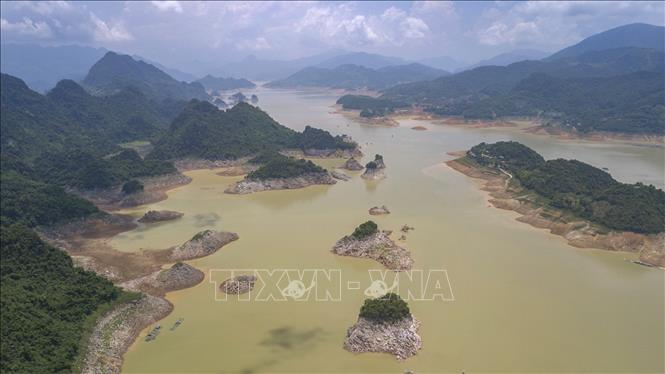
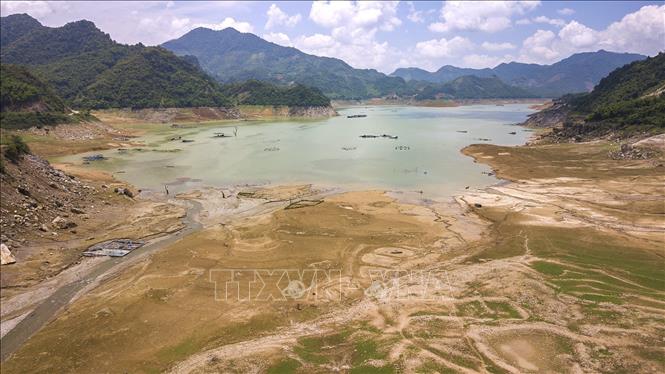
Từ tháng 3/2025, mực nước hồ thủy điện Hòa Bình liên tục xuống thấp đến mức kỷ lục, nhiều nơi trên lòng hồ cạn trơ đáy. Điều này đã ảnh hưởng nghiêm trọng đối với đời sống và sản xuất của người dân tại các xã ven hồ thuộc huyện Đà Bắc.

 Đặc biệt, các hộ nuôi cá lồng, các bến cảng, các điểm du lịch cộng đồng, du lịch nghỉ dưỡng ở các xã Vầy Nưa, Hiền Lương và Tiền Phong của huyện Đà Bắc đang bị ảnh hưởng nặng nề do môi trường nước thay đổi bất thường.

Chú thích ảnh
Hình ảnh lòng hồ Hòa Bình khi mực nước xuống thấp kỷ lục đã làm những dãy đảo đá trơ trọi xơ xác trên nền màu nước đục ngầu.
Chú thích ảnh
Nhiều năm qua, hồ Hòa Bình đang đối mặt với nguy cơ sụt giảm lượng nước nghiêm trọng vào mùa khô điều này đang gây ra nhiều tác động tiêu cực đến đời sống và sản xuất của người dân.

Tiếp tục đọc “Nước hồ thủy điện Hòa Bình liên tục xuống thấp đến mức kỷ lục”

China plans to build the world’s largest dam – but what does this mean for India and Bangladesh downstream?

theconversation.com

Published: April 8, 2025 5.33pm BST

Author Mehebub SahanaLeverhulme Early Career Fellow, Geography, University of Manchester

China recently approved the construction of the world’s largest hydropower dam, across the Yarlung Tsangpo river in Tibet. When fully up and running, it will be the world’s largest power plant – by some distance.

Yet many are worried the dam will displace local people and cause huge environmental disruption. This is particularly the case in the downstream nations of India and Bangladesh, where that same river is known as the Brahmaputra.

The proposed dam highlights some of the geopolitical issues raised by rivers that cross international borders. Who owns the river itself, and who has the right to use its water? Do countries have obligations not to pollute shared rivers, or to keep their shipping lanes open? And when a drop of rain falls on a mountain, do farmers in a different country thousands of miles downstream have a claim to use it? Ultimately, we still don’t know enough about these questions of river rights and ownership to settle disputes easily.

The Yarlung Tsangpo begins on the Tibetan Plateau, in a region sometimes referred to as the world’s third pole as its glaciers contain the largest stores of ice outside of the Arctic and Antarctica. A series of huge rivers tumble down from the plateau and spread across south and south-east Asia. Well over a billion people depend on them, from Pakistan to Vietnam.

Tiếp tục đọc “China plans to build the world’s largest dam – but what does this mean for India and Bangladesh downstream?”

What countries are the top producers and consumers of oil?

EIA.org

The top 10 oil1 producers and share of total world oil production2 in 20233

CountryMillion barrels per dayShare of world total
United States21.9122%
Saudi Arabia11.1311%
Russia10.75 11%
Canada  5.76  6%
China  5.26  5%
Iraq  4.42  4%
Brazil  4.28  4%
United Arab Emirates  4.16  4%
Iran  3.99  4%
Kuwait  2.91  3%
Total top 1074.59  73%
World total101.81

1 Oil includes crude oil, all other petroleum liquids, and biofuels.
2 Production includes domestic production of crude oil, all other petroleum liquids, and biofuels and refinery processing gain.
3 Data source: U.S. Energy Information Administration, International Energy Statistics, Total oil (petroleum and other liquids) production, as of April 11, 2024

The top 10 oil1 consumers and share of total world oil consumption in 20222

CountryMillion barrels per dayShare of world total
United States20.0120%
China15.1515%
India  5.05  5%
Russia  3.68  4%
Saudi Arabia  3.65  4%
Japan  3.38  3%
Brazil  3.03  3%
South Korea  2.55  3%
Canada  2.41  2%
Germany  2.18  2%
Total top 1061.0861%
World total99.95

1 Oil includes crude oil, all other petroleum liquids, and biofuels.
2 Data source: U.S. Energy Information Administration, International Energy Statistics, Total oil (petroleum and other liquids) consumption, as of April 11, 2024

Learn more:
Energy Explained: Where our oil comes from

Last updated: April 11, 2024. Note: Source data are subject to change since last update.

Giấc mơ trên đảo Muối

Hồng Lĩnh: Thứ bảy 29/03/2025, 09:26 (GMT+7)

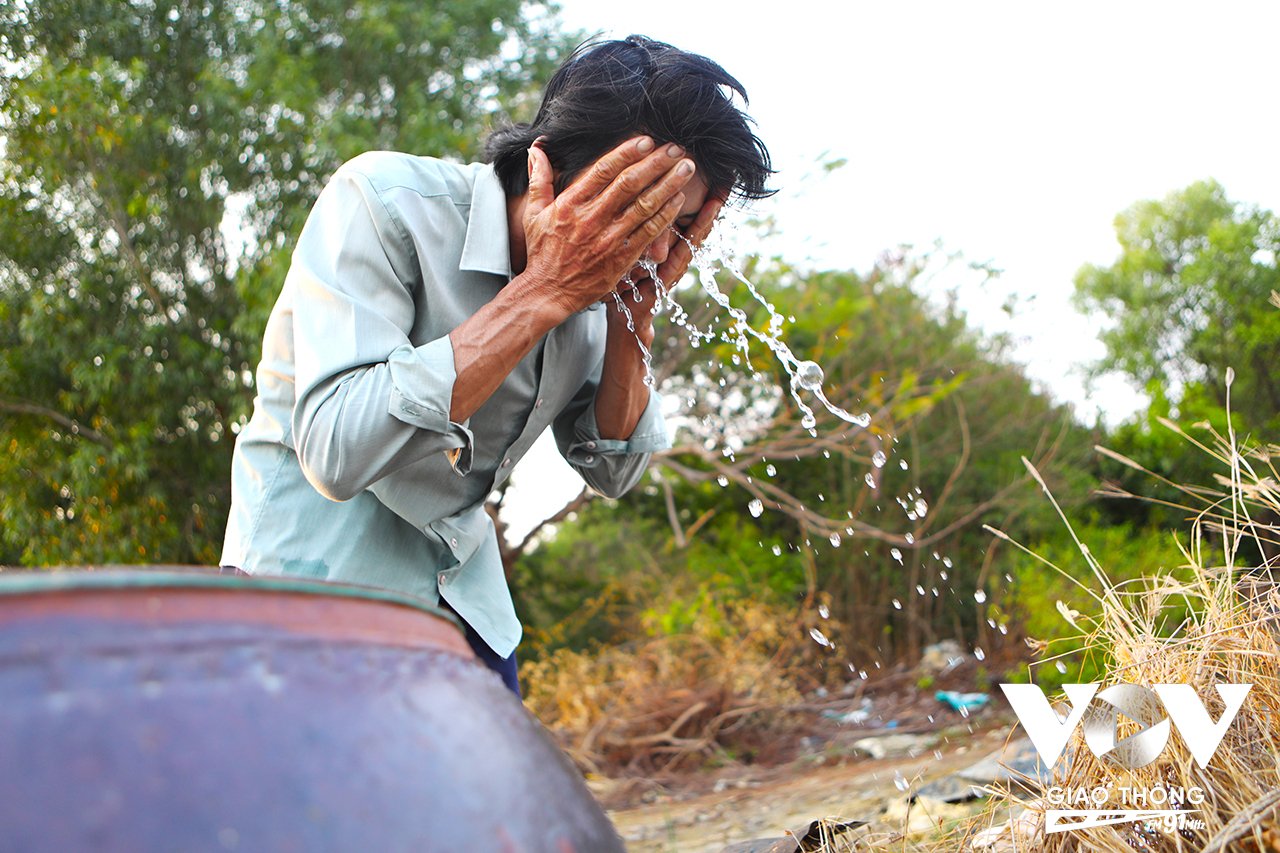
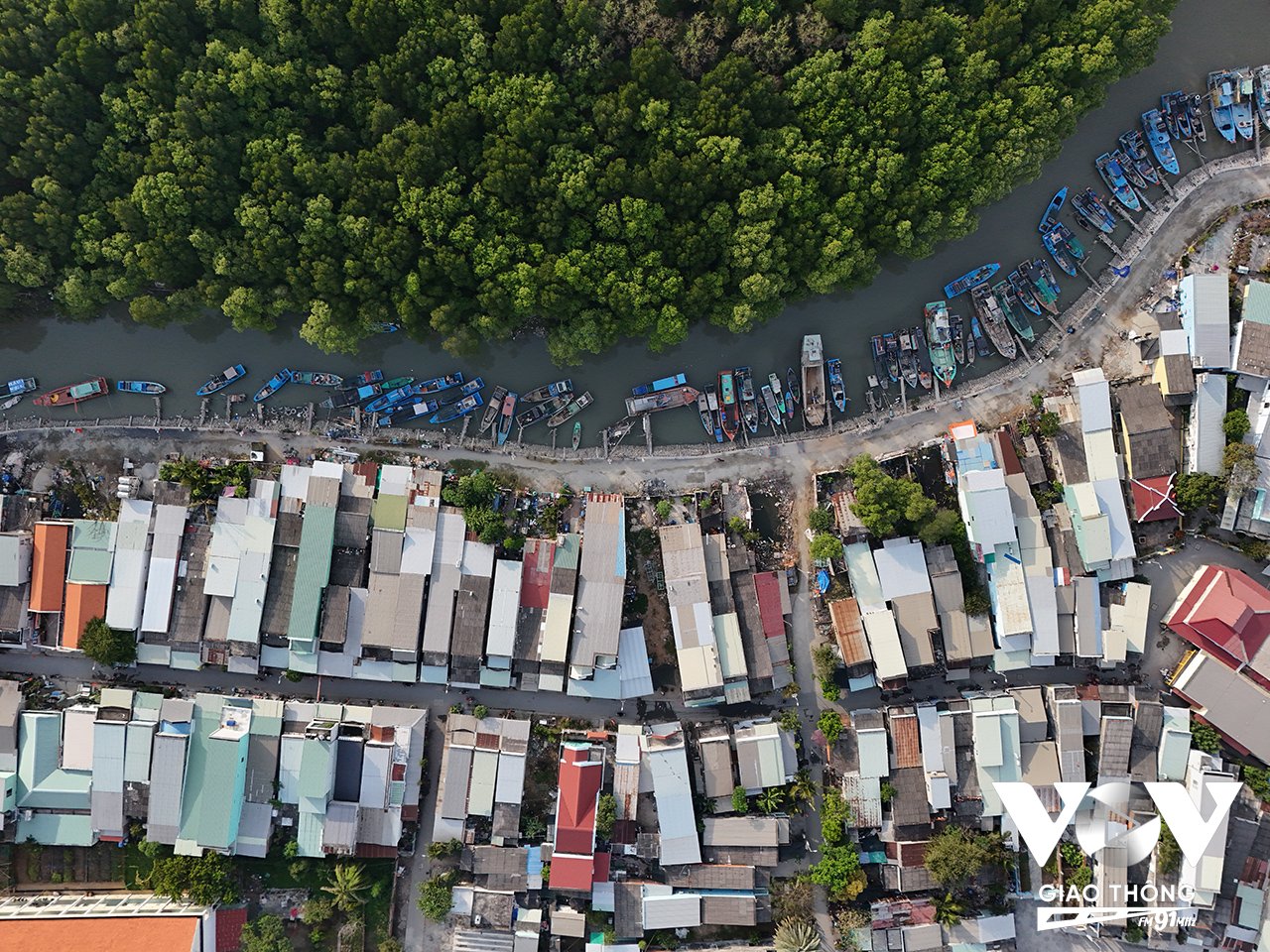
Nghề làm muối tại ấp đảo Thiềng Liềng, xã đảo Thạnh An, huyện Cần Giờ (TP Hồ Chí Minh) ra đời cùng với những cư dân đến đây khai hoang, bắt đầu vào khoảng năm 1973.

vovgiaothong.vn

Tại Thiềng Liềng, có khoảng 243 hộ dân với 152 hộ sản xuất muối trên diện tích gần 400 héc-ta. Người làm nghề muối còn được gọi là diêm dân.

——–
Ngày nắng làm, ngày mưa nghỉ, 6 tháng còn lại, diêm dân phải kiếm các công việc khác để mưu sinh. Họ làm việc trong điều kiện thời tiết nắng nóng khắc nghiệt với thu nhập ít ỏi. Hầu hết những diêm dân chỉ kiếm đủ sống.

Ước tính trung bình mùa vụ thu hoạch khoảng 20.000 tấn muối, giá bán tuỳ theo thời năm và thời điểm, thấp nhất 800 đồng/kg, cao nhất 3.000 đồng/kg. Nếu được giá, mỗi héc-ta thu được từ 80 – 100 triệu đồng/vụ.

Ấp đảo Thiềng Liềng, xã đảo Thạnh An, huyện Cần Giờ, TP.HCM

Tiếp tục đọc “Giấc mơ trên đảo Muối”

Swapping gas for batteries

USAID – Wednesday, December 18, 2024

Language

How USAID Supports Vietnam’s Journey to Net Zero

With over 70 million scooters and motorcycles on the roads in Vietnam, over 90% of households own one, two wheelers in Vietnam are ubiquitous. They form the backbone of the shipping sector, easily navigating the chaotic traffic and narrow back alleys to deliver goods. However, this contributes to air that is clouded with exhaust for Vietnamese citizens.

Emissions in Vietnam have multiplied fivefold in the last 20 years. As pollution worsened, the demand for electric vehicles (EV) skyrocketed. Vietnam is now home to the third largest two-wheeler EV market in the world—but the sector still lags far behind that of the gasoline-powered two wheelers. Improved government policies and a two wheel EV ecosystem are needed to support Vietnam’s EV shift, reduce emissions, and clean up its air.

Tiếp tục đọc “Swapping gas for batteries”