IEEFA/JMK Research: Round-the-clock tenders can help meet demand for firm renewable power

Tenders have evolved from “vanilla” solar or wind, to hybrid, to round-the-clock

IEEFA

24 November (IEEFA/JMK Research India): Electricity distribution companies (discoms) demand firm and uninterrupted renewable power. A new report by IEEFA and JMK Research highlights the important role that different mixes of generation sources and storage technologies can play in overcoming the intermittency challenge of variable renewable energy (VRE) and ensuring grid stability.

Renewable energy blended with either conventional thermal power sources that have low plant load factors (PLFs) or energy storage systems (ESS) can provide firm round-the-clock (RTC) power required by discoms, according to the report.

Tiếp tục đọc “IEEFA/JMK Research: Round-the-clock tenders can help meet demand for firm renewable power”

Creating the new hydrogen economy is a massive undertaking

It is also a delicate one


economist.com

Oct 9th 2021

NEW YORK

Today’s hydrogen business is, in global terms, reasonably small, very dirty and completely vital. Some 90m tonnes of the stuff are produced each year, providing revenues of over $150bn—approaching those of ExxonMobil, an oil and gas company. This is done almost entirely by burning fossil fuels with air and steam—a process which uses up 6% of the world’s natural gas and 2% of its coal and emits more than 800m tonnes of carbon dioxide, putting the industry’s emissions on the same level as those of Germany.Listen to this story

Enjoy more audio and podcasts on iOS or Android.

Tiếp tục đọc “Creating the new hydrogen economy is a massive undertaking”

Chống biến đổi khí hậu: Tiền ở đâu ra mà hứa hẹn nhiều thế?

XÊ NHO 18/11/2021 6:10 GMT+7

TTCTXung quanh Hội nghị COP26, có chuyện dễ hiểu nhầm phổ biến về các mức cam kết khổng lồ và chuyện “thủ phạm” phát thải.

 Ảnh: un.org

 Đọc tin về COP26 rất dễ bị ấn tượng mạnh bởi mẩu tin hàng trăm ngân hàng, quỹ đầu tư, hãng bảo hiểm có trong tay đến 130.000 tỉ đôla cam kết đặt ưu tiên cho các hoạt động vì khí hậu. Ai cũng nghĩ với những khoản tiền khổng lồ như thế, việc hỗ trợ các nước chuyển đổi từ năng lượng hóa thạch như than đá sang các nguồn năng lượng tái tạo là dễ như trở bàn tay. 

Tiếp tục đọc “Chống biến đổi khí hậu: Tiền ở đâu ra mà hứa hẹn nhiều thế?”

Việt Nam ứng phó với biến đổi khí hậu: Những mặt tích cực và hạn chế

RFI –  01/11/2021

Việt Nam ứng phó với biến đổi khí hậu: Những mặt tích cực và hạn chế - Tạp  chí Việt Nam
Ảnh tư liệu chụp ngày 21/09/2009, tại Sài Gòn, Việt Nam, sau một cơn mưa lớn. Do tác động của biến đổi khí hậu, tình trạng ngập lụt ở các thành phố miền nam ngày càng trầm trọng. ASSOCIATED PRESS – Le Quang Nhat

Là một trong 4 quốc gia gánh chịu những tác hại năng nề nhất của biến đổi khí hậu, tại Hội nghị Thượng đỉnh Paris COP 21, Việt Nam đã cam kết sẽ cắt giảm 8% lượng khí nhà kính phát thải vào năm 2030 so với năm 2005 và có thể giảm đến 25% nếu nhận được sự hỗ trợ hiệu quả từ cộng đồng quốc tế.QUẢNG CÁO

Nhân dịp hội nghị khí hậu COP 26 vừa khai mạc ở Glasgow ngày 31/10/2021, chúng ta hãy tìm hiểu xem các biện pháp ứng phó với biến đổi khí hậu của Việt Nam có những mặt tích cực và những hạn chế nào? Mời quý vị nghe ý kiến của tiến sĩ Huỳnh Long Vân, Nhóm Nghiên cứu Văn Hóa Đồng Nai Cửu Long Úc Châu.

Tiếp tục đọc “Việt Nam ứng phó với biến đổi khí hậu: Những mặt tích cực và hạn chế”

Chuyên đề: Cấp thiết quy hoạch điện VIII (6 bài)

  1. Cấp thiết quy hoạch điện VIII 
  2. Cần dũng cảm chọn lộ trình xây dựng hệ thống điện bền vững
  3. Ðáp ứng đầy đủ điện năng trong mọi tình huống
  4. Làm sao tối ưu giá thành sản xuất điện? 
  5. Một kỷ nguyên đã khép lại
  6. Sau thăng hoa là gánh nợ! 

***

Cấp thiết quy hoạch điện VIII

ND – Thứ Bảy, 23-10-2021, 20:37

Do phụ thuộc vào quy hoạch nguồn điện, hệ thống lưới điện truyền tải cần bảo đảm sự liên kết các hệ thống điện miền và khu vực. Ảnh: Ngọc Hương

LTS – Bộ Công thương vừa trình Chính phủ dự thảo Quy hoạch phát triển điện lực quốc gia thời kỳ 2021-2030, tầm nhìn đến năm 2045 (Quy hoạch điện VIII).

Ðược xây dựng trong hoàn cảnh hết sức đặc biệt của đất nước nói chung và ngành điện nói riêng, liệu bản Quy hoạch đang được trông đợi này, có giúp hệ thống điện tránh khỏi áp lực nặng nề từ sự bùng nổ thái quá của năng lượng tái tạo gây nhiều hệ lụy như đã từng, cũng như tạo được sự minh bạch trong phát triển để thu hút được các nhà đầu tư?

Tiếp tục đọc “Chuyên đề: Cấp thiết quy hoạch điện VIII (6 bài)”

Investment in coal-fired power to dry up as world seeks to go green

By Anh Minh   October 13, 2021 | 12:33 pm GMT+7 VNExpressInvestment in coal-fired power to dry up as world seeks to go greenWorkers fix electric cables in District 1, Ho Chi Minh City. Photo by VnExpress/Thanh Nguyen
Vietnam will find it hard to mobilize foreign funding for coal-fired electricity plants because many nations have vowed to step up environmental protection.

Most of the investments in coal-fired electricity plants in Vietnam in 2015-21 came from China, South Korea and Japan, but the three countries have now pledged to stop investing in such power stations, Mark Hutchinson, chairman of the Southeast Asia Task Force, Global Wind Energy Council (GWEC) Asia, said at an online conference on finance for energy projects on Monday.

Tiếp tục đọc “Investment in coal-fired power to dry up as world seeks to go green”

Hydro power

Hydrogen Power

Keisuke Tanigawa, The Real Japan

Shozo Kudo has risen from local politics in his Nagoya to the national legislature, where he is serving his third term. Formerly the Director of the Committee on Land, Infrastructure, Transport and Tourism, Kudo is a strong advocate of hydrogen energy. He talks to Yukie Yamashita about the benefits hydrogen can bring the country

What are the challenges that need to be overcome in order for hydrogen use to become more widespread?

Japan lacks major fossil fuel resources such as oil, coal and natural gas, so the question of how to procure these is a constant issue. Hydrogen, which is found everywhere on the planet, is the ultimate renewable energy source and has the potential to solve Japan’s problem of scarce resources.

How did Japan come to push for research into hydrogen?

Tiếp tục đọc “Hydro power”

Actions Large Energy Buyers Can Take to Transform and Decarbonize the Grid: Procurement Practices for Achieving 100% Carbon Free Electricity

WRI.org

EXECUTIVE SUMMARY

▪ Large energy buyers—including corporates, cities, and institutional customers—have played and will continue to play an important role in driving clean energy in the near term, particularly renewables. However, to ensure that the power sector achieves deep decarbonization over the next two to three decades, large energy buyers will need to take additional actions to play a leading role in accelerating the transition to a carbon-free grid.

▪ Large energy buyers can implement approaches that help transform the grid such as matching clean energy purchasing with the timing of their energy use, incorporating demand flexibility, purchasing dispatchable clean electricity, adopting enabling technologies (e.g., energy storage), maximizing emissions reductions, and driving an an equitable transition to clean energy.

▪ There is no single strategy for implementing transformative procurement practices, which is why we have
highlighted a variety of approaches in this issue brief. Optimal procurement approaches can vary based on differences in customer electricity usage, market context, available product offerings, staff and resources, and differences across grids.

▪ To enable large energy buyers to implement transformative procurement practices, new products and solutions will be needed. Metrics and recognition programs will also need to be revised to incentivize and encourage more customers to take actions that can facilitate a carbon-free grid.

Download full paper here

Report: New solar is cheaper to build than to run existing coal plants in China, India and most of Europe

renewableworld.com

By Jennifer Runyon -6.23.2021

Source: BloombergNEF. Note: The map indicates for each country the technology with the lowest LCOE per MWh for new-build solar (yellow) and wind (blue) or running costs fo existing coal (black) or gas (gray). Running costs include a carbon price where applicable. Calculations exclude subsidies and tax-credits. Natural gas reflects combined-cycle gas turbines.

This week, BloombergNEF’s released estimates for its global benchmark that tracks the levelized cost of electricity, or LCOE, for utility-scale PV and onshore wind. The LCOE looks at the all-in cost to build, operate, and maintain power plants and then calculates the cost per megawatt-hour (MWh) of the energy produced based on all of those inputs.

Tiếp tục đọc “Report: New solar is cheaper to build than to run existing coal plants in China, India and most of Europe”

China key to Vietnam’s solar success

Chinadialogue.net

A rapid rise in Vietnam’s solar power has been boosted by Chinese finance and technology, but more support is still going to fossil fuels

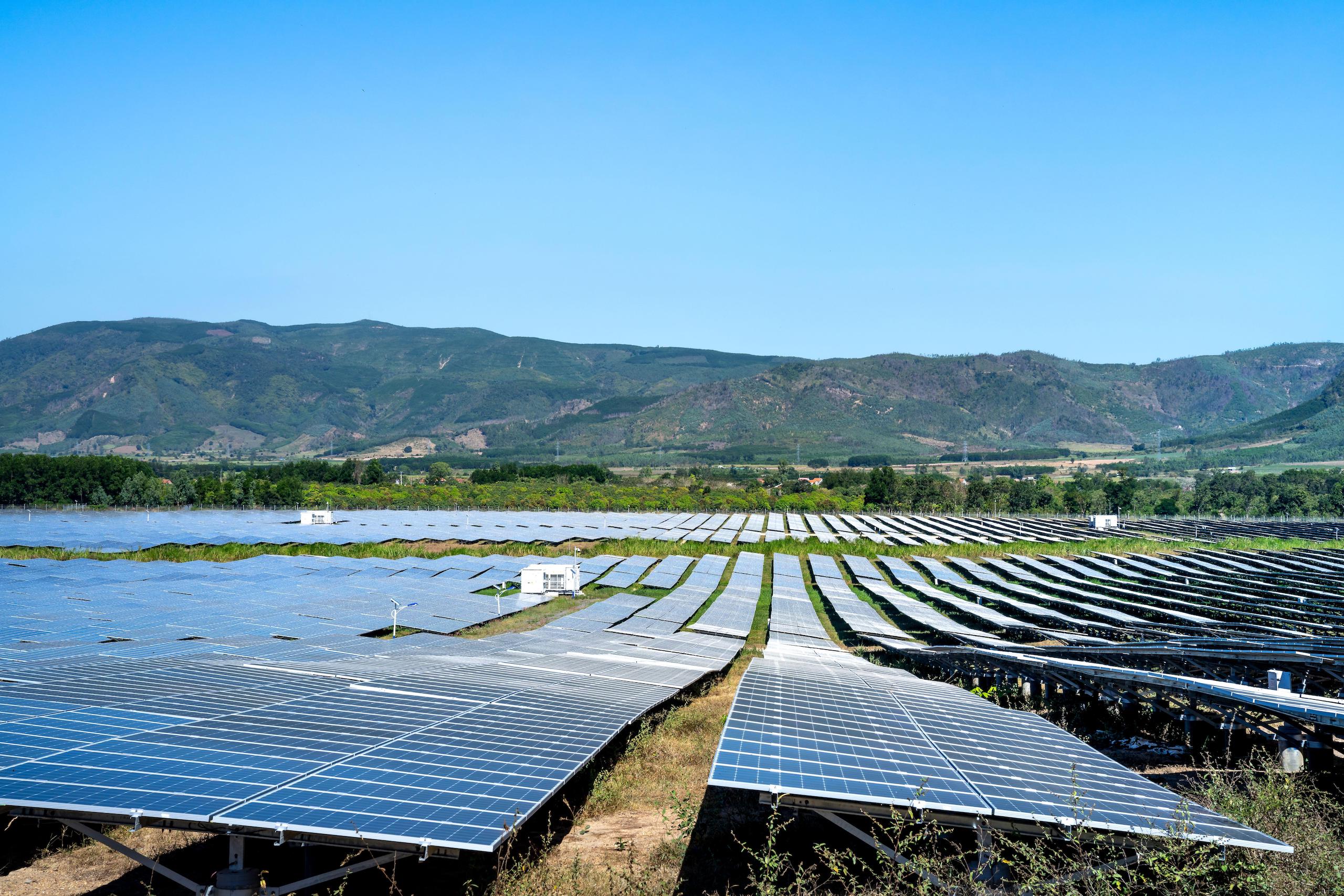
Solar energy in Vietnam has grown rapidly since 2018, supported by Chinese finance and technology (Image: Alamy)Solar energy in Vietnam has grown rapidly since 2018, supported by Chinese finance and technology (Image: Alamy)
Linh Pham

June 30, 2021

Vietnam has been a Southeast Asia solar success story. It went from having barely any generation in 2018 to a quarter of its total installed capacity being solar – a 100-fold increase in two years.

This rapid growth is mainly down to the Vietnamese government’s feed-in tariff which provides a guaranteed above-market price for renewable energy producers; other incentives signed off in 2017 in an attempt to pivot away from lagging fossil fuel projects; and cheaper solar panels, some of which are assembled domestically.

Around 99% of the installed solar panels in Vietnam come from China. At the same time, China is one of the few countries that still lends Vietnam money to build coal plants.

China’s future role in Vietnam’s power system will be shaped by the latter’s newest plan for its power sector. The final version of the Power Development Plan 8 is due to be published in June, though it has been postponed before and may be again.

Tiếp tục đọc “China key to Vietnam’s solar success”

Unlocking a Renewable Energy Future: How Government Action Can Drive Private Investment

WRI.org

Download full paper here >>

This Working Paper is part of the Clean Energy within our Energy Program. Reach out to Norma Hutchinson for more information.AuthorsNorma HutchinsonMaggie Dennis, Emil Damgaard Grann, Tyler Clevenger, Michelle Manion, Johannes Bøggild and Jennifer LaykePrimary Contacts

LicenseCreative Commons

A renewable energy future is within our grasp: the technology is now widely available and cost-effective in most places around the world. But the current rates of deployment remain well below what is required to avert the worst impacts of climate change. The private sector is poised to invest billions of dollars to massively speed up, scale and support the energy transition. However, many investors, particularly in the private sector, are deterred by some of the risks related to renewable energy investments. As the energy transition is likely to be financed largely by the private sector, governments must work with the private sector to remove barriers and incentivize investment in renewable energy.

This working paper, produced in partnership with Ørsted, focuses on the challenges and solutions to scaling investment in renewable energy generation and provides actionable policy solutions to unlock the private sector investment needed to support the energy transition.

Key Findings

  • The global transition to renewable energy is likely to be financed largely by the private sector, including utility companies, corporations, project developers, and various investment funds.
  • One critical element of the energy transition will be decarbonization of the world’s electricity supply. The needed technology is developing rapidly and the scale of the requisite investment is manageable, but current rates of deployment remain well below what is required to avert the worst impacts of climate change.
  • Challenges that inhibit decarbonization of the power sector fall into three categories: market structure that lacks appropriate incentives to catalyze private investment in new projects, lack of public support for siting renewable energy development, and incompatible or inadequate grid infrastructure.
  • Governments will play a critical role in scaling renewable energy capacity by providing regulatory frameworks and policy solutions to the challenges that are slowing down private sector investment.
  • Top priorities for governments will be to establish renewable energy targets, policies, and market instruments that incentivize and de-risk green energy investments; improve planning and permitting, and address community concerns, while balancing other concerns; and invest in modern electricity grids and infrastructure.

What We Know—and Do Not Know—About Achieving a National-Scale 100% Renewable Electric Grid

NREL.GOV

NREL and DOE Experts Offer Fresh Perspective on Technical and Economic Challenges, Call for Collaborative Solutions to Decarbonization

May 19, 2021

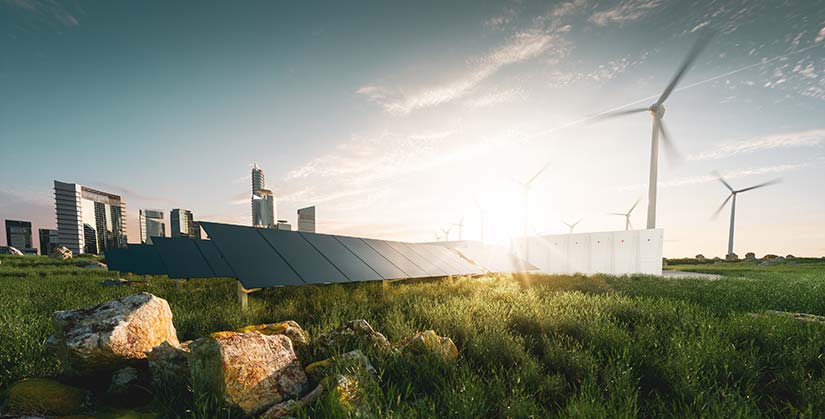
3D rendering of a future high-renewable city with frameless solar panels, battery energy storage, wind turbines, and skyscrapers in the background.

With recently announced federal emissions-reduction targets, a push for national power-sector decarbonization, and plummeting wind and solar costs, the United States is poised to deploy major amounts of renewables, and fast.

At smaller scales, hundreds of U.S. cities, states, and corporations have already taken bold action in setting their own local targets for 100% renewable energy—and with recent analyses like the Los Angeles 100% Renewable Energy Study (LA100), we have growing confidence that reliable, 100% renewable power grids are feasible.

Tiếp tục đọc “What We Know—and Do Not Know—About Achieving a National-Scale 100% Renewable Electric Grid”

Vietnam’s largest wind power plant enters operation


By Nguyen Quy   April 17, 2021 | 05:06 pm GMT+7 VNExpress

Vietnam’s largest wind power plant enters operation

Vietnam’s largest wind power plant begins operation in central Ninh Thuan Province on April 16, 2021. Photo courtesy of Government’s Portal.
 

HCMC-based energy firm Trungnam Group Friday has put its wind power plant in central Ninh Thuan Province into operation, considered the country’s largest to date.

The plant, which spreads over an area of 900 hectares in Thuan Bac District, has 45 turbines with a total capacity of 151.95 megawatts that costs VND4 trillion ($173.4 million), the Government portal reported.

The wind power plant is combined with a 204 MW solar power plant to form the solar-wind farm complex considered the largest in Southeast Asia. The complex will supply a total 950 million kWh per year for the country’s grid.

The private energy company has added a total 1,064 MW to the national grid comprising hydropower, solar and wind power. It plans to have a renewable output of nearly 10,000 MW by 2027.

Tran Quoc Nam, chairman of Ninh Thuan, said the province is now taking the lead with 32 solar power projects with a total capacity of 2,257 MW, and three wind power projects with an accumulative capacity of 329 MW.

Vietnam has great potential for renewable energy with its long coastline and 2,700 hours of sunshine a year on average.

Solar power currently accounts for just 0.01 percent of the country’s total power output, but the government plans to increase the ratio to 3.3 percent by 2030 and 20 percent by 2050.

Vietnam aims to produce 10.7 percent of its electricity from renewable energy sources by 2030, mainly through solar and wind power projects.


Tiếp tục đọc “Vietnam’s largest wind power plant enters operation”

Việt Nam củng cố vai trò lãnh đạo trong năng lượng tái tạo – liệu đã đủ?

thesaigontimes.vn
Evan Scandling (1) – Đào Thu Hằng (2) – Alex Perera (3)
Chủ Nhật,  18/4/2021, 08:57 
(KTSG) – Điện mặt trời hiện chiếm hơn 4% tổng sản lượng điện cả nước và dự kiến sẽ góp trên 9% tổng sản lượng năm 2021. Với nhiều GW điện mặt trời và điện gió được bổ sung thêm, Việt Nam đang nhanh chóng trở thành nước đi đầu tại Đông Nam Á về năng lượng sạch.
Điện mặt trời áp mái phần lớn đến từ doanh nghiệp thương mại và công nghiệp. Ảnh: H.P

Hệ thống năng lượng của Việt Nam đang thay đổi đáng kể trong hai năm qua, nhờ hàng tỉ đô la Mỹ từ nhà đầu tư tư nhân. Tăng từ 20 MW điện mặt trời đầu năm 2019 đến gần 20.000 MW – là một con số chưa từng có.

Tất nhiên, mở rộng quy mô nhanh là cần thiết để Việt Nam đạt được mục tiêu quốc gia về biến đổi khí hậu – theo Thỏa thuận Paris, giảm thải 27% lượng khí nhà kính vào năm 2030. Thành tựu về năng lượng sạch của Việt Nam đem đến nhiều lợi ích gồm tăng khả năng cạnh tranh toàn cầu, là điểm đến cho đầu tư nước ngoài. Nhiều chuyên gia tin rằng các hành động bảo vệ khí hậu trong thập kỷ này có vai trò thiết yếu để thúc đẩy vị thế chính trị và kinh tế của quốc gia.

Theo đó, Việt Nam nên mừng cho thành công gần đây, nhưng cũng nên thấy rằng còn nhiều điều cần làm nếu muốn cải thiện hơn nữa sức hấp dẫn trên bản đồ chính trị và kinh tế quốc tế – đặc biệt khi ngành năng lượng đang trải qua những thay đổi lớn.

Liệu Việt Nam có nắm bắt được cơ hội khổng lồ này để không chỉ đáp ứng mục tiêu về khí hậu mà còn củng cố vị trí về chính trị và kinh tế trên toàn cầu?

Lĩnh vực tư nhân đang thúc đẩy sự bùng nổ năng lượng sạch – và còn khao khát nhiều hơn nữa
Lĩnh vực tư nhân đóng vai trò không thể thiếu trong bức tranh năng lượng sạch của Việt Nam. Đó là hàng trăm công ty đang đầu tư và phát triển các nhà máy năng lượng tái tạo – thậm chí đầu tư cho đường dây truyền tải và phân phối điện, cùng hàng ngàn doanh nghiệp đang mua điện tái tạo để tiêu thụ trực tiếp.

Trong số hơn 9.300 MW điện mặt trời mái nhà năm 2020, ước tính 85% đến từ doanh nghiệp thương mại và công nghiệp. Điển hình, theo khảo sát hơn 100 công ty của Chương trình Thúc đẩy đầu tư năng lượng sạch (CEIA(*)), nhu cầu dùng điện sạch của doanh nghiệp lên tới hơn 1.000 MW và họ đang chờ đợi chương trình thí điểm DPPA – Thỏa thuận mua bán điện trực tiếp được ban hành. Bởi DPPA cho phép các giao dịch mua bán điện mặt trời và điện gió diễn ra trực tiếp giữa bên phát điện với bên dùng điện công nghiệp. Nhiều công ty cam kết hành động vì khí hậu đang thực hiện nhanh và mạnh hơn bao giờ hết, đồng thúc đẩy bởi nhu cầu của người tiêu dùng và các quỹ tuyên bố sẽ không đầu tư nếu như công ty không có hành động thuyết phục để bảo vệ chính mình và thế giới khỏi các rủi ro khí hậu.

Đó là hơn 1.000 công ty toàn cầu đang đặt ra các mục tiêu giảm phát thải thông qua sáng kiến Mục tiêu khoa học (SBTi), và một ví dụ khác là toàn bộ các ngành thống nhất về mục tiêu giảm carbon trong Hiến chương Liên hiệp quốc Hành động vì khí hậu trong ngành công nghiệp thời trang.

Các công ty có chuỗi cung ứng sâu và rộng ở Việt Nam, như Nike, Walmart, H&M, Apple và IKEA, yêu cầu các nhà sản xuất chuỗi cung ứng của họ có hành động giảm carbon từ quá trình vận hành.

Có thể thấy, các công ty toàn cầu lớn nhất từ nhiều lĩnh vực đang đưa yếu tố giảm phát thải và hành động vì khí hậu vào các quyết định lập kế hoạch và đầu tư. Nếu một quốc gia do dự trong việc giảm carbon trong lưới điện hoặc không quan tâm đến việc mở ra các lựa chọn mua bán năng lượng sạch cho người dùng năng lượng, thì có khả năng cao các công ty lớn sẽ xem xét dịch chuyển hoạt động hoặc chuỗi cung ứng của họ sang một quốc gia khác có nhiều nỗ lực hơn.

Thực tế, một nhóm gồm 29 thương hiệu thời trang và nhà sản xuất gần đây đã gửi thư tới nguyên Thủ tướng Nguyễn Xuân Phúc, nhấn mạnh những lợi ích cạnh tranh của các chính sách hỗ trợ năng lượng sạch và thúc giục triển khai thí điểm DPPA, một chương trình vốn được mong đợi từ lâu bởi các công ty muốn mua điện sạch với số lượng lớn.“Việc thực thi chương trình thí điểm DPPA sẽ cho phép ngành công nghiệp ở Việt Nam đạt được mục tiêu 100% năng lượng tái tạo trước các nước khác trong khu vực nhiều năm, giúp Việt Nam có lợi thế cạnh tranh mạnh mẽ khi các công ty đưa ra quyết định về nguồn cung cấp sản phẩm”, nhóm đề nghị.

Nhu cầu về điện sạch là rất lớn và cần được đưa vào quy hoạch phát triển điện lực quốc gia nếu Chính phủ muốn đặt mục tiêu cho Việt Nam trở thành một trung tâm lớn của nhiều ngành công nghiệp.Thêm lựa chọn, cạnh tranh về chi phí và hợp tácMay mắn thay, Việt Nam không phải là nơi đầu tiên đối mặt với thách thức cải thiện cấu trúc thị trường điện để giải quyết nhu cầu năng lượng sạch.

Các nguyên tắc và hướng tiếp cận chính đã được thực hiện hiệu quả tại nhiều thị trường mà Chính phủ và các bên liên quan tại Việt Nam có thể dựa vào để xây dựng, với ba trụ cột chính: thêm lựa chọn (cho người tiêu dùng điện), cạnh tranh về chi phí, và hợp tác.

Lựa chọn

Giống như người tiêu dùng của mọi sản phẩm, người mua điện tìm kiếm cho mình nhiều lựa chọn mua bán. Ví dụ, điện mặt trời mái nhà phù hợp với nhiều doanh nghiệp. Thỏa thuận mua bán điện (PPA), hay chương trình DPPA sắp tới là cần thiết cho các công ty trong nhiều lĩnh vực đang tìm kiếm năng lượng sạch.Chính phủ Việt Nam có thể hỗ trợ cải thiện các  lựa chọn của người tiêu dùng điện bằng việc đảm bảo các chính sách và cơ chế chính sách như PPA, DPPA trở nên thường trực và là nền tảng lâu dài trong quy hoạch phát triển điện quốc gia. Hơn nữa, khi thị trường điện bán lẻ cạnh tranh sắp được khởi động, các lựa chọn cho năng lượng sạch cần được ưu tiên bởi tập đoàn Điện lực Việt Nam (EVN) và các cơ quan quản lý của Bộ Công Thương.

Cạnh tranh về chi phí

Rõ ràng năng lượng tái tạo ngày càng rẻ hơn so với các nguồn điện truyền thống và thị trường điện Việt Nam cần tạo ra một sân chơi bình đẳng cho nguồn điện mới. Điều tích cực là các bước quan trọng đang được thực hiện theo hướng này tại Việt Nam, như cơ chế đấu giá được lên kế hoạch cho năm 2021 và thí điểm DPPA sẽ cho phép người mua điện trong công nghiệp đàm phán trực tiếp với nhà máy phát điện. Điều này cũng sẽ cung cấp cho nhà sản xuất điện và người tiêu dùng nhìn thấy rõ ràng hơn các chi phí như sản xuất và truyền tải điện.

Hợp tác

Để đáp ứng nhu cầu tiêu thụ điện ngày càng tăng, dự kiến hơn 8% mỗi năm trong thập kỷ tới, Việt Nam cần khoảng 130 tỉ đô la Mỹ đầu tư vào cơ sở hạ tầng ngành điện. Việt Nam đã đưa ra nhiều tín hiệu tích cực, gồm Luật Đầu tư theo phương thức đối tác công tư, trong đó cho phép tư nhân đầu tư vào cơ sở hạ tầng điện, sẽ rất cần thiết cho nhu cầu này.Tuy nhiên, Việt Nam khó có thể bắt kịp với nhu cầu đó nếu thiếu sự hợp tác chặt chẽ giữa Nhà nước và tư nhân. Điều này đúng đối với các nhà đầu tư và phát triển cơ sở hạ tầng năng lượng và cả người tiêu dùng, đặc biệt là các công ty tiêu thụ điện lớn tại Việt Nam, các đơn vị có mục tiêu giảm phát thải khí nhà kính và có khả năng chi trả cho năng lượng sạch.Khi người tiêu dùng điện có thêm nhiều cơ hội lựa chọn năng lượng sạch với các tiếp cận thuận tiện, giá hợp lý – và Chính phủ tạo ra một môi trường thị trường minh bạch, cạnh tranh – Việt Nam sẽ đến lúc giữ vị trí dẫn đầu về năng lượng sạch và hành động vì khí hậu trong khu vực, đồng thời củng cố vị thế ảnh hưởng của quốc gia trong nhiều năm tới.

Tác giả
(1 ) Evan Scandling là Giám đốc của Allotrope Partners và là đồng lãnh đạo Chương trình thúc  đẩy đầu tư năng lượng sạch Việt Nam (CEIA Việt Nam).
(2)  Tiến sĩ Đào Thu Hằng là chuyên gia năng lượng bền vững của Viện Tài nguyên thế giới và đồng lãnh đạo CEIA Việt Nam.
(3)  Alex Perera là Phó giám đốc Chương trình Năng lượng toàn cầu của Viện Tài Nguyên thế giới và là đồng lãnh đạo CEIA toàn cầu.(*) Chương trình Thúc đẩy đầu tư năng lượng sạch (CEIA) là một sáng kiến đa quốc gia kéo dài nhiều năm do Phòng thí nghiệm Năng lượng tái tạo quốc gia Mỹ (NREL), Viện Tài nguyên thế giới (WRI), và Allotrope  Partners đồng sáng lập và thực hiện, hoạt động thông qua hợp tác công – tư thúc đẩy các giải pháp năng lượng sạch tại các thị trường mới nổi trên thế giới.