Điện sạch hậu cơn sốt: Hàng nghìn tỷ đồng kẹt giữa rào cản chính sách?

(Dân trí) – Từng được kỳ vọng là trụ cột năng lượng xanh, điện gió và mặt trời nay đối mặt không ít nút thắt. Giá điện sau nhiều năm vẫn chưa thống nhất, hàng loạt doanh nghiệp gặp khó về tài chính.

Cách đây gần một thập kỷ, nhắc đến Thuận Nam, Ninh Hải, Bác Ái, Thuận Bắc (Ninh Thuận cũ, nay là Khánh Hòa) hay Tuy Phong, Bắc Bình (Bình Thuận cũ, nay là Lâm Đồng) là nhắc đến những vùng đất khô hạn quanh năm, nơi đồng cỏ cháy vàng dưới cái nắng gay gắt, mặt đất lổn nhổn đá sỏi.

“Chó ăn đá, gà ăn sỏi” là câu nói được người địa phương ví với vùng đất khắc nghiệt mà họ vẫn bám trụ qua bao thế hệ. Nông nghiệp bấp bênh, sinh kế chủ yếu của người dân dựa vào chăn cừu, thả dê.

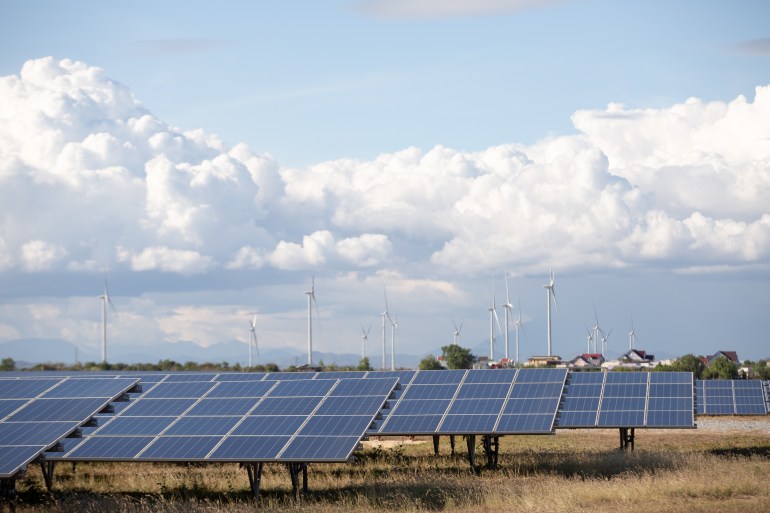
Rồi một ngày, từng đoàn xe tải hạng nặng nối đuôi nhau về vùng cát trắng, dựng trụ, lắp pin, kéo dây. Chỉ sau vài tháng, những cánh đồng nắng cháy ở Ninh Thuận, Bình Thuận cũ lần lượt được phủ kín bởi hàng triệu tấm pin mặt trời và những trụ tuabin gió trắng muốt.

Khó ai có thể hình dung rằng những vùng đất từng bị xem là “không thể canh tác” ấy lại trở thành điểm đến của hàng loạt nhà đầu tư năng lượng lớn bậc nhất cả nước. Nắng và gió từng là thách thức nay trở thành lợi thế, giúp hai địa phương này đóng góp hàng tỷ kWh điện sạch mỗi năm cho hệ thống điện quốc gia.

Tiếp tục đọc “Điện sạch hậu cơn sốt: Hàng nghìn tỷ đồng kẹt giữa rào cản chính sách?”

Giấc mơ trên đảo Muối

Hồng Lĩnh: Thứ bảy 29/03/2025, 09:26 (GMT+7)

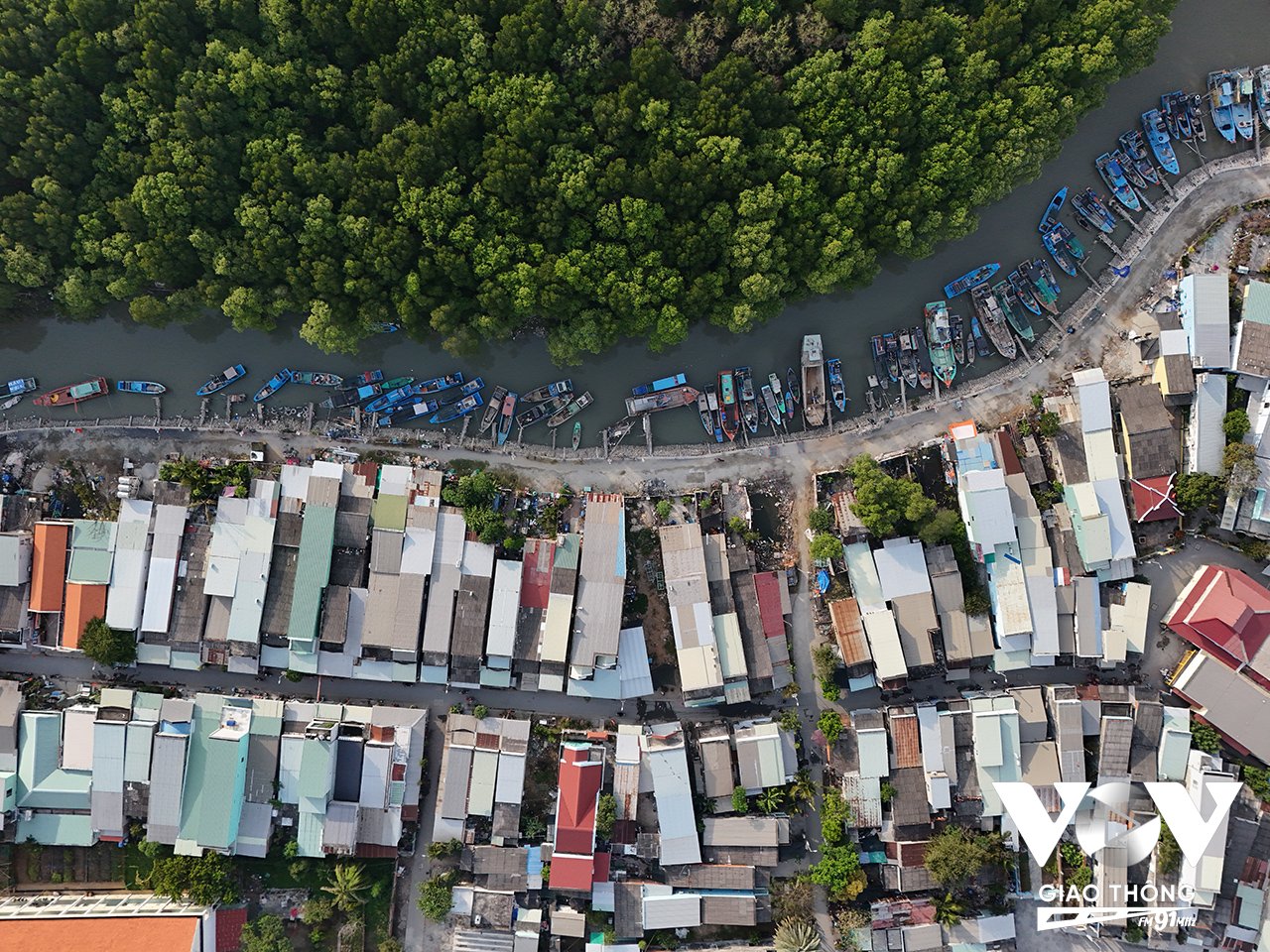
Nghề làm muối tại ấp đảo Thiềng Liềng, xã đảo Thạnh An, huyện Cần Giờ (TP Hồ Chí Minh) ra đời cùng với những cư dân đến đây khai hoang, bắt đầu vào khoảng năm 1973.

vovgiaothong.vn

Tại Thiềng Liềng, có khoảng 243 hộ dân với 152 hộ sản xuất muối trên diện tích gần 400 héc-ta. Người làm nghề muối còn được gọi là diêm dân.

——–
Ngày nắng làm, ngày mưa nghỉ, 6 tháng còn lại, diêm dân phải kiếm các công việc khác để mưu sinh. Họ làm việc trong điều kiện thời tiết nắng nóng khắc nghiệt với thu nhập ít ỏi. Hầu hết những diêm dân chỉ kiếm đủ sống.

Ước tính trung bình mùa vụ thu hoạch khoảng 20.000 tấn muối, giá bán tuỳ theo thời năm và thời điểm, thấp nhất 800 đồng/kg, cao nhất 3.000 đồng/kg. Nếu được giá, mỗi héc-ta thu được từ 80 – 100 triệu đồng/vụ.

Ấp đảo Thiềng Liềng, xã đảo Thạnh An, huyện Cần Giờ, TP.HCM

Tiếp tục đọc “Giấc mơ trên đảo Muối”

Solar and on-shore wind provide cheapest electricity and nuclear most expensive, CSIRO analysis shows

Estimates show small modular nuclear reactors would provide most expensive power and will not be available until 2030

Graham Readfearn @readfearnWed 20 Dec 2023 19.55 GMT TheGuardian

Electricity generated by solar and on-shore wind is the cheapest in Australia, even after the significant expense of integrating them into the power grid is factored in, according to new analysis from the CSIRO.

Tiếp tục đọc “Solar and on-shore wind provide cheapest electricity and nuclear most expensive, CSIRO analysis shows”

Solar panels on water canals seem like a no-brainer. So why aren’t they widespread?

This artist’s rendering provided by Solar AquaGrid, shows a wide-span solar canal canopy being piloted in California’s Central Valley. Solar AquaGrid is preparing to break ground in the fall of 2023 on the first solar-covered-canal project in the United States. Solar panels are installed over canals in sunny, water-scarce regions where they make electricity and reduce evaporation. (Solar AquaGrid via AP)

1 of 4 | 

This artist’s rendering provided by Solar AquaGrid, shows a wide-span solar canal canopy being piloted in California’s Central Valley. Solar AquaGrid is preparing to break ground in the fall of 2023 on the first solar-covered-canal project in the United States. Solar panels are installed over canals in sunny, water-scarce regions where they make electricity and reduce evaporation. (Solar AquaGrid via AP)

FILE - Indian laborers work amid installed solar panels atop the Narmada canal at Chandrasan village, outside Ahmadabad, India, Feb. 16, 2012. The project brings water to hundreds of thousands of villages in the dry, arid regions of western India’s Gujarat state. (AP Photo/Ajit Solanki, File)

FILE – Indian laborers work amid installed solar panels atop the Narmada canal at Chandrasan village, outside Ahmadabad, India, Feb. 16, 2012. The project brings water to hundreds of thousands of villages in the dry, arid regions of western India’s Gujarat state. (AP Photo/Ajit Solanki, File)

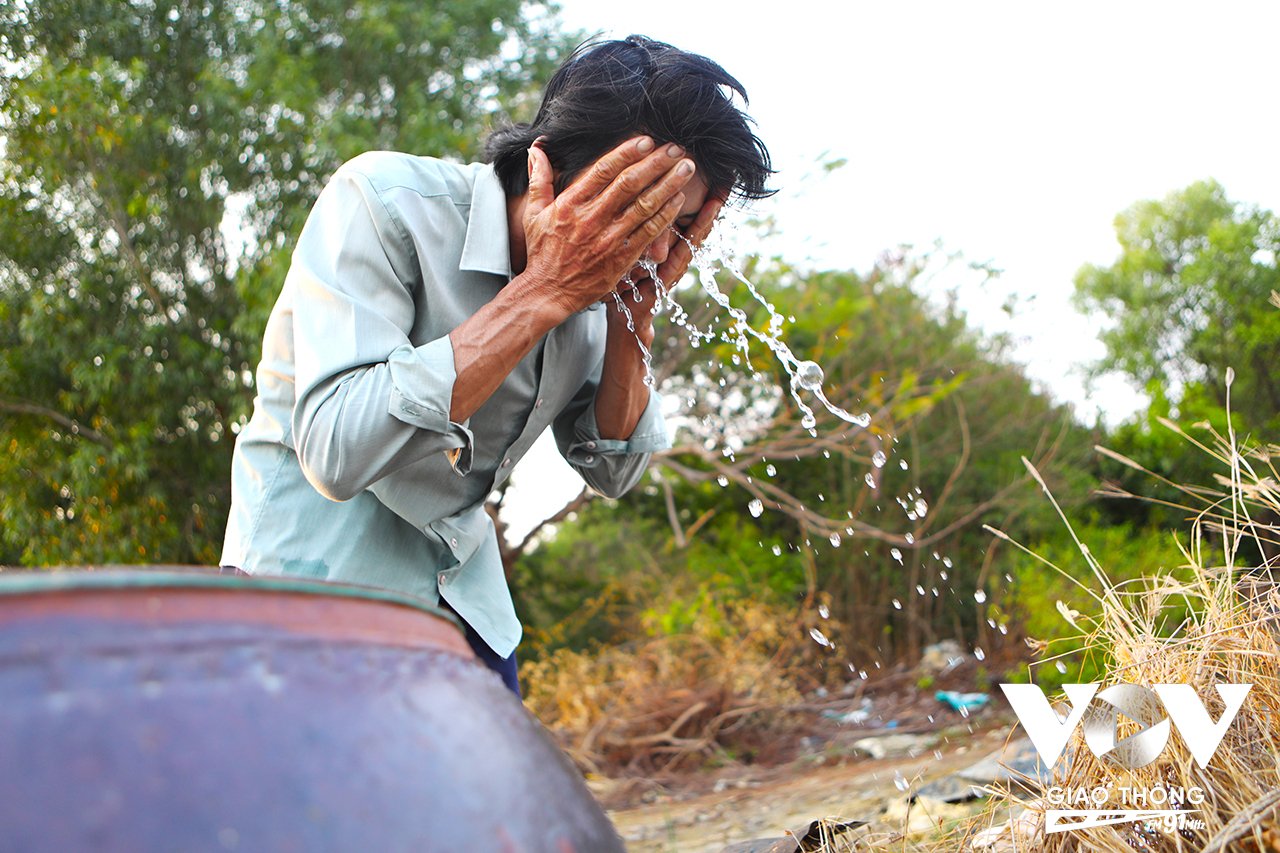
FILE - A worker washes his hands as installed solar panels are visible atop the Narmada canal at Chandrasan village, outside of Ahmadabad, India, Feb. 16, 2012. The project brings water to hundreds of thousands of villages in the dry, arid regions of western India’s Gujarat state. (AP Photo/Ajit Solanki, File)

FILE – A worker washes his hands as installed solar panels are visible atop the Narmada canal at Chandrasan village, outside of Ahmadabad, India, Feb. 16, 2012. The project brings water to hundreds of thousands of villages in the dry, arid regions of western India’s Gujarat state. (AP Photo/Ajit Solanki, File)

BY BRITTANY PETERSON AND SIBI ARASUPublished 11:27 PM GMT+7, July 20, 2023

DENVER (AP) — Back in 2015, California’s dry earth was crunching under a fourth year of drought. Then-Governor Jerry Brown ordered an unprecedented 25% reduction in home water use. Farmers, who use the most water, volunteered too to avoid deeper, mandatory cuts.

Brown also set a goal for the state to get half its energy from renewable sources, with climate change bearing down.

Yet when Jordan Harris and Robin Raj went knocking on doors with an idea that addresses both water loss and climate pollution — installing solar panels over irrigation canals — they couldn’t get anyone to commit.

Tiếp tục đọc “Solar panels on water canals seem like a no-brainer. So why aren’t they widespread?”

Long popular in Asia, floating solar catches on in US

Search

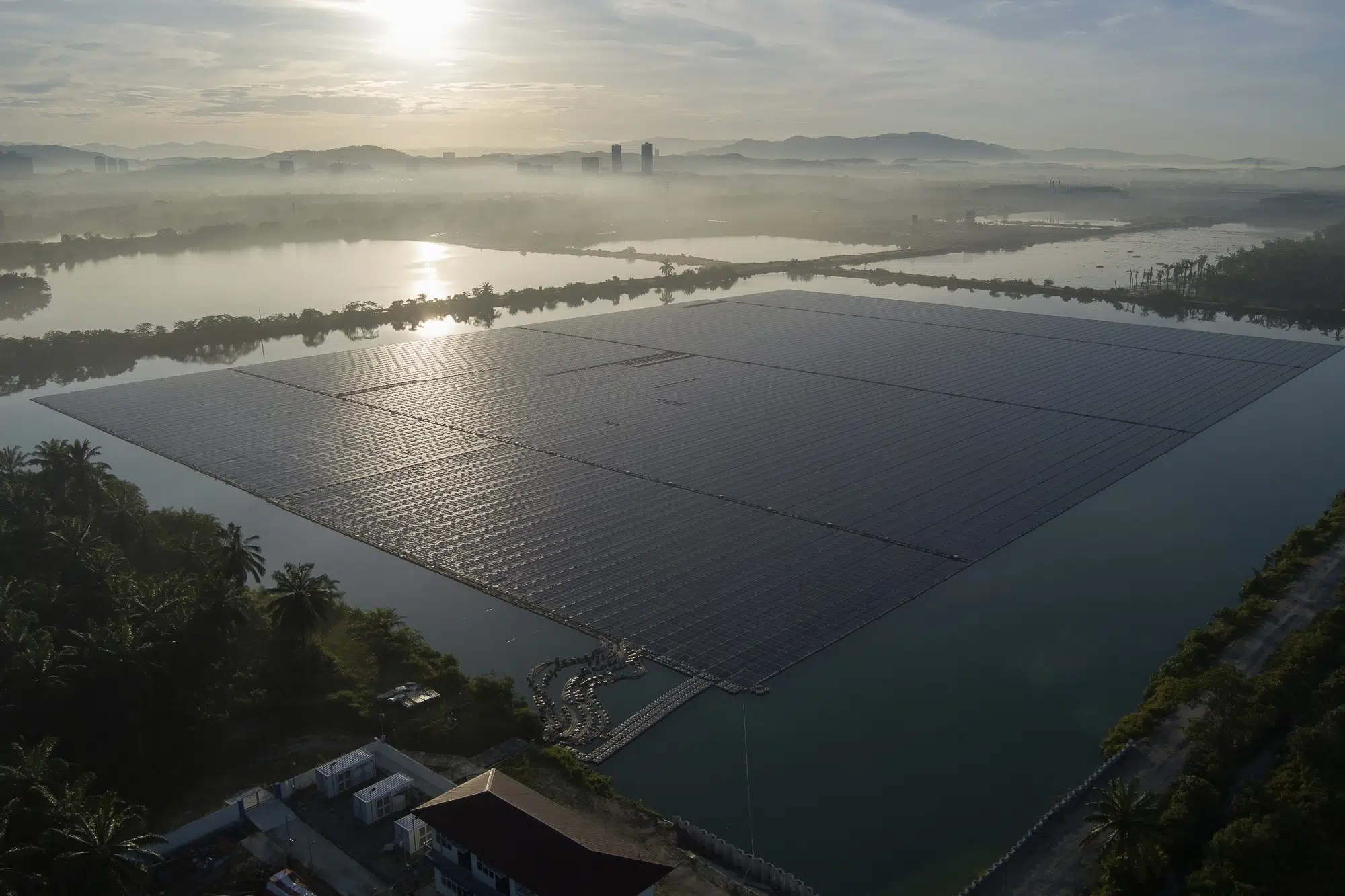
The sun rises over floating solar panels on May 3, 2023, in Selangor, Malaysia. Floating solar panel farms are beginning to boom in the United States after rapid growth in Asia. They're attractive not just for their clean power and lack of a land footprint, but because they also conserve water by preventing evaporation. (AP Photo/Vincent Thian)

By ISABELLA O’MALLEY

May 10, 2023 AP

When Joe Seaman-Graves, the city planner for the working class town of Cohoes, New York, Googled the term “floating solar,” he didn’t even know it was a thing.

What he did know is that his tiny town needed an affordable way to get electricity and had no extra land. But looking at a map, one feature stood out.

“We have this 14-acre water reservoir,” he said.

Seaman-Graves soon found the reservoir could hold enough solar panels to power all the municipal buildings and streetlights, saving the city more than $500,000 each year. He had stumbled upon a form of clean energy that is steeply ramping up.

Tiếp tục đọc “Long popular in Asia, floating solar catches on in US”

Doanh nghiệp mòn mỏi chờ cơ chế đấu nối điện mặt trời – “Mắc cạn” điện mặt trời, điện gió (3 bài)

VNE – Thứ tư, 22/2/2023, 20:32 (GMT+7)

Doanh nghiệp mòn mỏi chờ cơ chế đấu nối điện mặt trời

Hai năm kể từ khi Tập đoàn Điện lực Việt Nam (EVN) công bố tạm ngừng đấu nối điện mặt trời mái nhà, các doanh nghiệp vẫn mòn mỏi chờ cơ chế.

Băn khoăn về chính sách điện mặt trời được nhiều doanh nghiệp nêu tại buổi giám sát Việc thực hiện chính sách, pháp luật về phát triển năng lượng giai đoạn 2016-2021 của Đoàn đại biểu Quốc hội TP HCM, ngày 22/2.

Tổng giám đốc Công ty Sao Nam Nguyễn Thượng Quân, chuyên sản xuất điện mặt trời, cho biết Việt Nam khuyến khích phát triển điện mặt trời từ năm 2016, nhiều doanh nghiệp và người dân đua nhau đầu tư. Lượng điện này sẽ hoà vào mạng lưới quốc gia và được EVN mua theo giá FIT 2 trong vòng 20 năm. Tuy nhiên, chính sách này hết hiệu lực vào 31/12/2020, từ đó đến nay, hệ thống điện mặt trời không còn được đấu nối vào lưới điện.

Lắp đặt điện mặt trời mái nhà tại TP HCM. Ảnh: EVNHCM.

Tiếp tục đọc “Doanh nghiệp mòn mỏi chờ cơ chế đấu nối điện mặt trời – “Mắc cạn” điện mặt trời, điện gió (3 bài)”

Chinese Solar Makers Evaded U.S. Tariffs, Investigation Finds

The Biden administration pre-emptively halted any penalties from the case in June, prompting critics to say the administration had shortcut its own trade rules

Rooftop solar panels.
Ana Swanson
Brad Plumer

By Ana Swanson and Brad Plumer, WSJ

Dec. 2, 2022

WASHINGTON — U.S. officials have determined that four of eight major Chinese solar companies under investigation in recent months tried to evade tariffs by funneling products into the United States through Southeast Asian countries, in a trade case that has pitted clean energy advocates against domestic solar panel manufacturers.

The decision applies to the Thailand operations of Canadian Solar and Trina Solar, as well as BYD Cambodia and Vina Solar Vietnam, according to documents published by the Department of Commerce Friday morning.

Tiếp tục đọc “Chinese Solar Makers Evaded U.S. Tariffs, Investigation Finds”

After renewables frenzy, Vietnam’s solar energy goes to waste

AljazeeraSolar and wind farms forced to limit operations due to infrastructure limitations following the renewables boom.

Solar panels in Vietnam
Vietnam’s Ninh Thuan province has more solar and wind energy projects than the country’s national grid can handle [Courtesy of Yen Duong]

By Lam Le

Published On 18 May 202218 May 2022

Ninh Thuan, Vietnam – For up to 12 days every month, Tran Nhu Anh Kiet, a supermarket manager in Vietnam’s Ninh Thuan province, is forced to turn off his solar panels during the most lucrative peak sunshine hours.

“I’m losing on average 40 percent of output,” Kiet told Al Jazeera, referring to the solar panels he installed on the roof of his store so he could sell power to the national grid.

“Before the curtailments, our revenue was 100 million Vietnamese Dong [$4,136], now it is just 60 million Vietnamese Dong [$2,589].”

Tiếp tục đọc “After renewables frenzy, Vietnam’s solar energy goes to waste”

We need to get serious about the renewable energy revolution—by including nuclear power

thebulletin.org

By Michael Edesess | May 5, 2022

One of my favorite quotes is from Sherlock Holmes: “Once you have eliminated the impossible, whatever remains, however implausible, must be the truth.”[1] This motto implicitly guides the ambitious plan to decarbonize all energy envisioned by most renewable energy enthusiasts. The only problem is that, not only is the alternative they dismiss not impossible, it could be much less implausible than the one they advocate.

The renewables army. A huge number of extremely earnest and bright people are working on trying to make the renewable energy future come true. They work at, or have passed through, the most elite institutions of our time, the top universities, the top financial firms, the most innovative corporations and startups. At the center of much of their effort is the Rocky Mountain Institute, the nonprofit research think-tank whose board I chaired more than 20 years ago. (They call it a “think-and-do” tank, which is more fitting.) RMI coordinates meetings (recently mostly Zoom meetings) with very smart participants from some of the foremost companies working on decarbonizing their businesses, companies like Google, Apple, Microsoft. It’s a pleasure to watch them think, discuss, and work out problems. It was an enormous pleasure to be on RMI’s board, especially to interact intellectually with the most brilliant individual I have ever met, RMI’s co-founder Amory Lovins.

Tiếp tục đọc “We need to get serious about the renewable energy revolution—by including nuclear power”

Năng lượng trong biến đổi khí hậu: Giải pháp cho Việt Nam ?

TS – 30/11/2021 07:30 –

Cho đến nay, ngay cả những quốc gia tiên tiến về KH&CN vẫn chưa có giải pháp nào coi là hoàn hảo về một nguồn năng lượng xanh không phát thải carbon.


TS. Trần Chí Thành là một chuyên gia về công nghệ hạt nhân và an toàn hạt nhân. Ảnh: Thanh Nhàn.

Tuy nhiên, ngay cả khi không tồn tại giải pháp nào hoàn hảo thì vẫn có những lựa chọn tối ưu – nghĩa là vừa đảm bảo an ninh năng lượng mà vẫn hạn chế phát thải, TS. Trần Chí Thành, Viện trưởng Viện Năng lượng nguyên tử Việt Nam, cho biết như vậy qua góc nhìn của một chuyên gia về công nghệ hạt nhân và an toàn hạt nhân.

Tiếp tục đọc “Năng lượng trong biến đổi khí hậu: Giải pháp cho Việt Nam ?”

U.S. rejects antidumping tariff petition from domestic solar manufacturers

By John Engel -11.11.2021

renewableenergy.com

JinkoSolar, one the world’s largest manufacturers of solar modules, has begun construction on a $500 million monocrystalline ingot and wafer manufacturing facility in Vietnam.

The U.S. Dept. of Commerce has rejected an antidumping tariff petition brought by a group of anonymous domestic solar manufacturers against solar modules imported from three Southeast Asian countries.

Members of the American Solar Manufacturers Against Chinese Circumvention (A-SMACC) claimed that Chinese crystalline silicon photovoltaic cells and modules were being completed in Malaysia, Thailand, or Vietnam before being exported to the U.S., thus circumventing the antidumping duty and countervailing duty (AD/CVD) orders on crystalline silicon PV cells from China.

Tiếp tục đọc “U.S. rejects antidumping tariff petition from domestic solar manufacturers”

‘Insanely cheap energy’: how solar power continues to shock the world

theguardian.com

Australian smarts and Chinese industrial might made solar power the cheapest power humanity has seen – and no one saw it coming

Solar panels at the Williamsdale solar farm outside Canberra
‘Solar is providing the cheapest energy the world has ever seen … It’s a fundamentally different world we’re moving into.’ Photograph: Lukas Coch/AAP

Royce Kurmelovs@RoyceRk2Sat 24 Apr 2021 21.00 BST

Tiếp tục đọc “‘Insanely cheap energy’: how solar power continues to shock the world”

Why the U.S. Doesn’t Dominate the Solar-Panel Industry Anymore

theatlantic.com

America invented silicon solar cells in the 1950s. It spent more on solar R&D than any other country in the 1980s. It lost its technological advantage anyway.

Robinson Meyer

American researchers experimented with unconventional solar-energy designs, such as this thermoelectric panel. (Universal History Archive / Universal Images Group / Getty)

You wouldn’t know it today, but the silicon photovoltaic solar cell—the standard, black-and-copper solar panel you can find on suburban rooftops and solar farms—was born and raised in America.

The technology was invented here. In 1954, three American engineers at Bell Labs discovered that electrons flow freely through silicon wafers when they are exposed to sunlight.
It was deployed here. In 1958, the U.S. Navy bolted solar panels to Vanguard 1, the second American satellite in space.

And for a time, it was even made here. In the 1960s and ’70s, American companies dominated the global solar market and registered most solar patents. As late as 1978, American firms commanded 95 percent of the global solar market,  Tiếp tục đọc “Why the U.S. Doesn’t Dominate the Solar-Panel Industry Anymore”

IEEFA: South Australia’s household solar export a warning to other states and territories

Blunt, rushed and potentially costly regulation: we need to do much better for consumer-owned assets

FacebookTwitterLinkedInEmailShare

Everyone agrees we want to avoid another ‘system black’ in South Australia. What’s contested is whether household solar exports should be allowed to be cut off by the system operator, under what circumstances, and who gets to decide?

New measures giving energy authorities powers to remotely switch off solar panels without householders’ knowledge has set a worrying precedent.

Now state energy ministers are considering adopting a similar rule that would allow behind-the-meter appliances such as hot water systems, air conditioners, electric vehicle chargers and pool pumps to also be switched off.

South Australia Imposes Solar PV Cut-Offs

South Australia’s rooftop solar cut-off measure was used for the first time on 14 March 2021 affecting around 12,500 households in Adelaide.

When this cut-off occurred, solar households were not compensated, and everyone affected had to purchase electricity from the grid.

Tiếp tục đọc “IEEFA: South Australia’s household solar export a warning to other states and territories”