Thái Bình: ‘Xóa sổ’ hơn 11.000 ha khu bảo tồn đất ngập nước để xây khu đô thị nghỉ dưỡng, sân golf?

nguoidothi.net.vn – Thứ sáu, 11/08/2023

Hơn 11.000 hectares (ha) rừng đặc dụng ven biển Tiền Hải đã bị “xóa sổ” theo quyết định số 731/QĐ-UBND do UBND tỉnh Thái Bình phê duyệt vào ngày 17.4.2023. Điều này cũng có thể gây nguy cơ xóa sổ Khu dự trữ sinh quyển thế giới sông Hồng…

Giảm 90% diện tích rừng đặc dụng – khu bảo tồn thiên nhiên

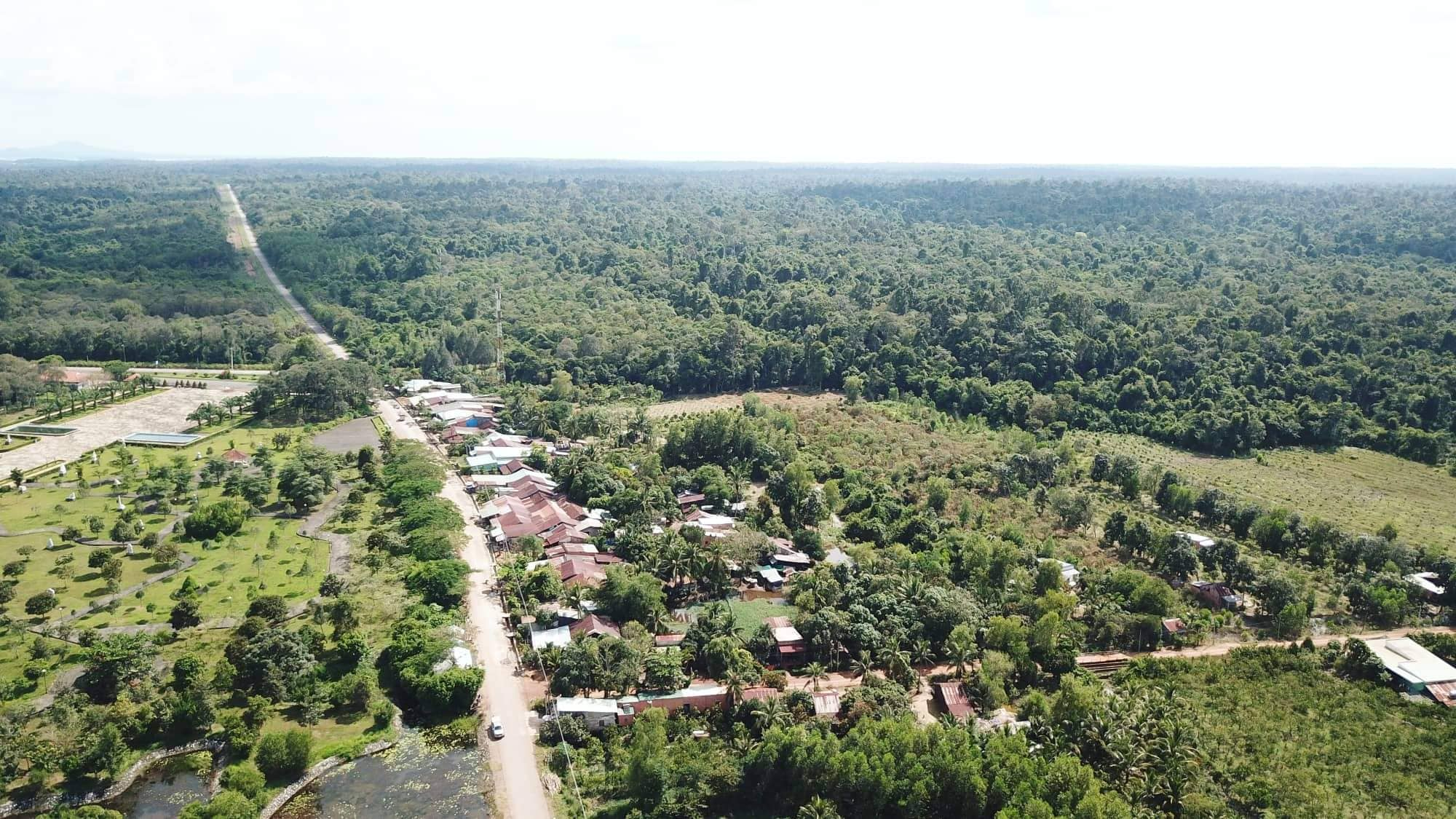
Theo Quyết định 731, rừng đặc dụng – Khu Bảo tồn thiên nhiên đất ngập nước Tiền Hải chỉ còn 1.320 hectares, gồm 632 hectares rừng ngập mặn và 688 hectares là đất chưa có rừng; nằm trên địa phận ba xã ven biển gồm xã Nam Phú, Nam Hưng và Nam Thịnh, huyện Tiền Hải. 

Quyết định 2159/QĐ-UBND do UBND tỉnh Thái Bình phê duyệt ngày 26.9.2014 cho thấy, rừng đặc dụng – Khu Bảo tồn thiên nhiên đất ngập nước Tiền Hải có tổng diện tích là 12.500 hectares, bao gồm diện tích rừng ngập mặn, đất bãi bồi và đất ngập nước. 

Do đặc thù của vùng cửa sông nên diện tích toàn bộ Khu Bảo tồn thiên nhiên đất ngập nước Tiền Hải là vùng lõi, thuộc diện tích bảo vệ, và không phân thành các phân khu chức năng như các khu bảo tồn thiên nhiên khác. 

Phải chăng việc chính quyền tỉnh Thái Bình “xóa sổ” 90% tổng diện tích rừng đặc dụng ven biển nói trên là nhằm phục vụ cho mục tiêu phát triển kinh tế tỉnh, bao gồm để xây dựng Khu đô thị, dịch vụ, nghỉ dưỡng sân golf Cồn Vành – Cồn Thủ quy mô 3.348 hectares? Khu đô thị này đã được UBND tỉnh Thái Bình phê duyệt đồ án Quy hoạch phân khu xây dựng 1/2.000 theo quyết định 2478/QĐ-UBND ngày 21.8.2020. 

Tiếp tục đọc “Thái Bình: ‘Xóa sổ’ hơn 11.000 ha khu bảo tồn đất ngập nước để xây khu đô thị nghỉ dưỡng, sân golf?”

Vietnam’s desolate seabed

mekongeye.com by Thu Quynh Nguyen 31 July 2023 at 14:39

As coral reefs and marine life disappear, efforts to save them are underway, but is it too late?

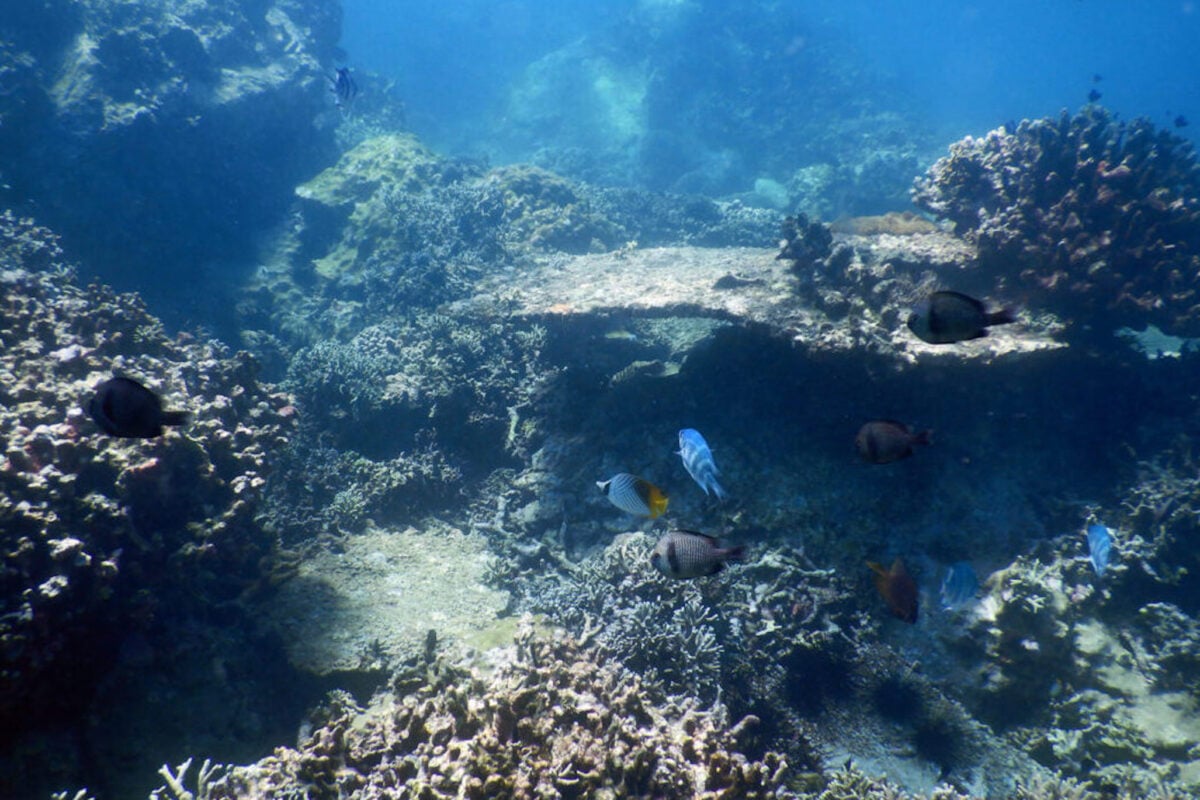
Coral die-off in Hon Mun, Nha Trang. PHOTO: Konstantin Tkachenko.

NHA TRANG, VIETNAM ― In Hon Chong, one of Vietnam’s last coral reefs, colorful schools of fish have become distant memories. These days, only small fish lurk behind bleached coral formations, a stark difference from the way some travel brochures depict the place.

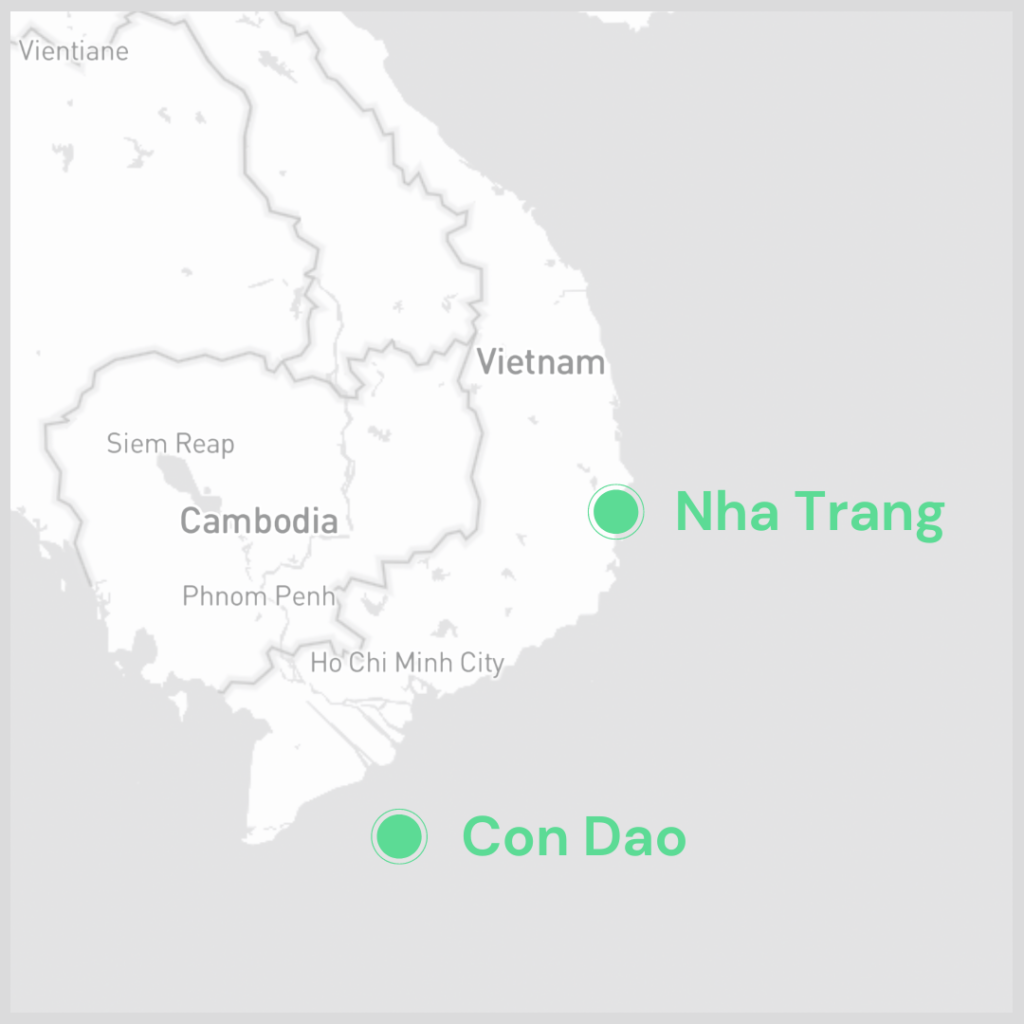
Half an hour by boat from Hon Chong is Hon Mun, a marine conservation site once home to more than 340 coral species, and valued at approximately US$70 million for its biodiversity in 2005.

About 10 years before the Covid-19 pandemic, professional divers started noticing a gradual depletion of the coral reefs in the area. They had hoped that lockdowns and border closures would alleviate stress from tourism and revive the reef.

Source: Mapbox

“After two years [of Covid-19], I was speechless to see the ocean bed so empty, the coral all bleached,” photographer Na Son, a diver who has made hundreds of trips down to Hon Mun’s ocean bed, told Mekong Eye in June 2023. Last June, Na Son was one of many divers who spoke to local media about Hon Mun’s alarming coral depletion.

Coral reefs are considered to be one of Vietnam’s national treasures, as the country boasts one of the world’s most diverse ecosystems with 355 species, according to data from the World Resources Institute.

Yet across the country, vital coral reserves are depleting at such an alarming rate that frenzied attempts to salvage what remains are likely to be insufficient to restore the ecosystems.

Tiếp tục đọc “Vietnam’s desolate seabed”

Forest elephants are our allies in the fight against climate change, finds research

theconversation.com

Forest elephant extinction would exacerbate climate change. That’s according to a new study in Nature Geoscience which links feeding by elephants with an increase in the amount of carbon that forests are able to store.

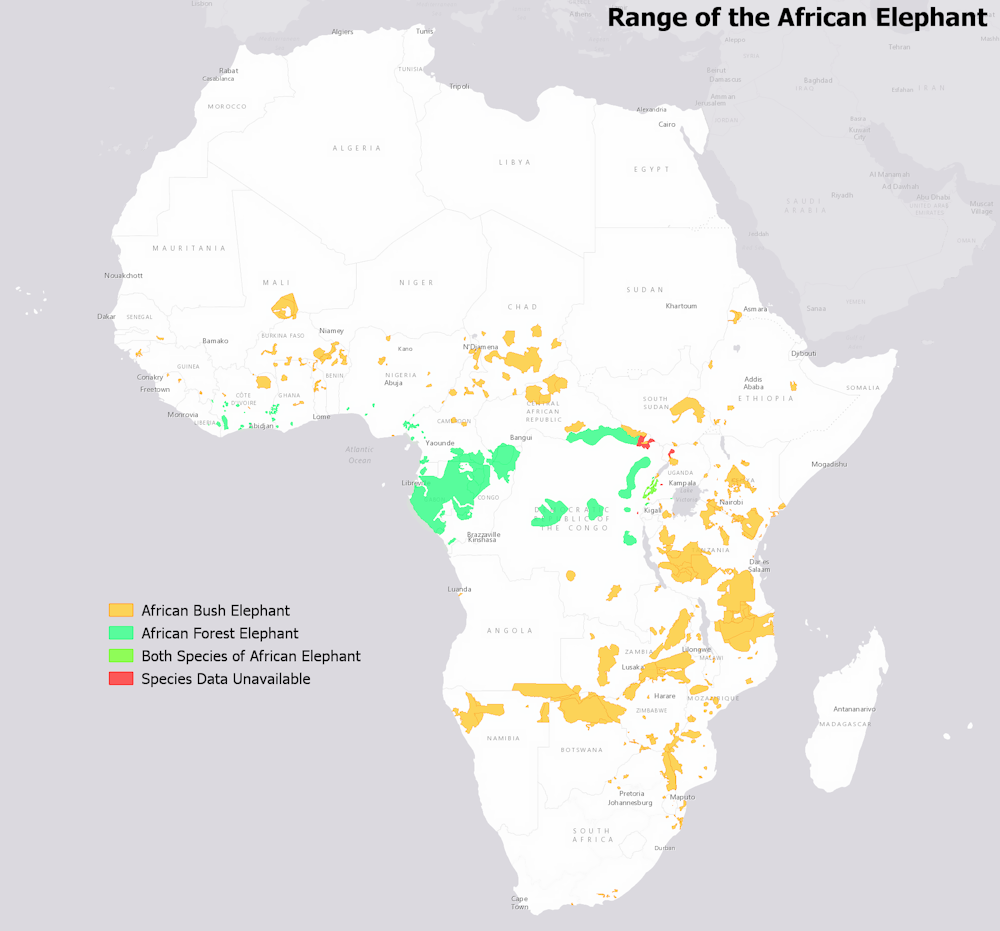
The bad news is that African forest elephants – smaller and more vulnerable relatives of the better known African bush elephant – are fast going extinct. If we allow their ongoing extermination to continue, we will be also worsening climate change. The good news is that if we protect and conserve these elephants, we will simultaneously fight climate change.

Elephants are fascinating animals, and I have studied them for more than 15 years. They are intelligent, sentient, and highly social. But their single most remarkable feature is their size. Evolutionarily, elephants gambled on becoming massive enough to deter predators like lions and tigers.

African forest elephant range is highlighted in light green. The largest surviving population is in Gabon, on the coast of central Africa. IUCN / u/DarreToBeCC BY-SA

In exchange, they became slaves to their appetite. Elephants need huge amounts of food everyday, something like 5-10% of their body mass. A typical three-tonne female could eat 200 kg of plant material in one day. Her family may need to consume more than a tonne of food per day.

Our mission is to share knowledge and inform decisions.

Tiếp tục đọc “Forest elephants are our allies in the fight against climate change, finds research”

Vietnam loses sacred cranes after habitat change

In 2020 and 2022, no sarus cranes were spotted in Cham Trim National Park. PHOTO: Nguyen Van Hung

mekongeye – By Tran Nguyen

19 September 2022 at 8:05 (Updated on 22 September 2022 at 17:13)

A vulnerable bird that usually migrated to the wetlands of the Mekong Delta has become a rare visitor to the area

DONG THAP, VIETNAM – Twenty years ago, Nguyen Van Liet took scientists to the wetlands near his hometown of Tram Chim on Vietnam’s Mekong Delta to find sarus cranes, a vulnerable bird species according to the IUCN Red List, native to Southeast Asia, South Asia and Australia.

“We had to go very early so the cranes wouldn’t know it,” Liet said of the expedition, which aimed to study the crane’s movements using a navigation device. “After sedating them, attaching tracking devices to their legs, the crew found shelter to wait for them to wake up and leave safely.”

Memories of those trips will forever be a source of pride for the 58-year-old. His efforts, no matter how humble, have contributed to helping Tram Chim become known worldwide as a place to preserve this rare crane species, which are world’s tallest flying birds.

Tiếp tục đọc “Vietnam loses sacred cranes after habitat change”

When South-east Asia’s forests fall silent

straitstimes.com

For decades, people across South-east Asia have been hunting wild animals for food. But commercial pressures and cheaper snaring methods are causing the region’s forests to be emptied faster than they can be replenished — with repercussions for human and forest health.

BY AUDREY TAN, ANTON L. DELGADO AND MARK CHEONG | PUBLISHED: OCT 22, 2022

They were taken to the wildlife rescue centre not in cages but in fine mesh bags, as though they were already fresh meat being sold by the gram.

But the four ferret badgers were still alive and kicking.

The mammals had been literally rescued from the jaws of death.

VIETNAM AND CAMBODIA – Local policemen had seized them from a restaurant and taken them to Save Vietnam’s Wildlife’s facility located within Cuc Phuong National Park, about a two-hour drive from Hanoi.

“The restaurant bought them from people who caught them from the forest,” said Mr Tran Van Truong, who as captive coordinator is in charge of the facility’s operations. “They are a bit stressed now, but they seem okay otherwise. We can probably release them back into the wild after a few days.”

Not all of man’s wild quarry are as lucky.

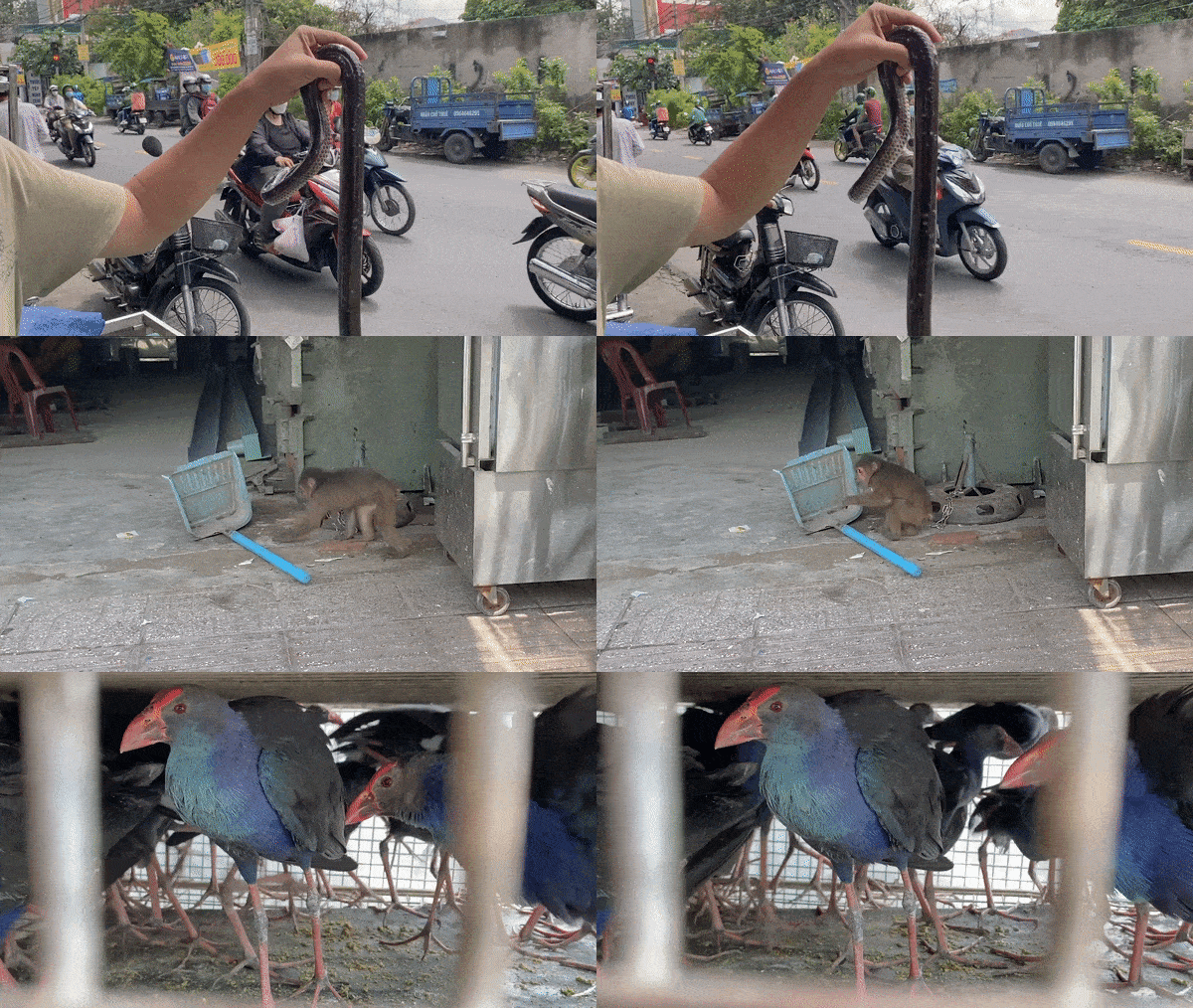
Demand for bushmeat and exotic pets from city dwellers is contributing to the emptying of South-east Asia’s forests. ST PHOTO: MARK CHEONG

Trapping wild animals for bushmeat may be illegal in Vietnam, but the practice is still widespread in the country. In other parts of South-east Asia too, the Covid-19 pandemic and its likely origins in the wildlife trade has had nary an impact on the region’s appetite for wild meat.

Wild animals are still being taken from the forests in large numbers, to be eaten or kept as pets, and we discovered how voracious appetites for them were still during visits to Vietnam and Cambodia in September.

Wild animals sold at a market in Ho Chi Minh City. VIDEO: ANTON L. DELGADO

Tiếp tục đọc “When South-east Asia’s forests fall silent”

Những con voi cô độc, buồn đến mức tìm trâu kết bạn

19/09/2022 09:57 GMT+7

tuoitre.vn

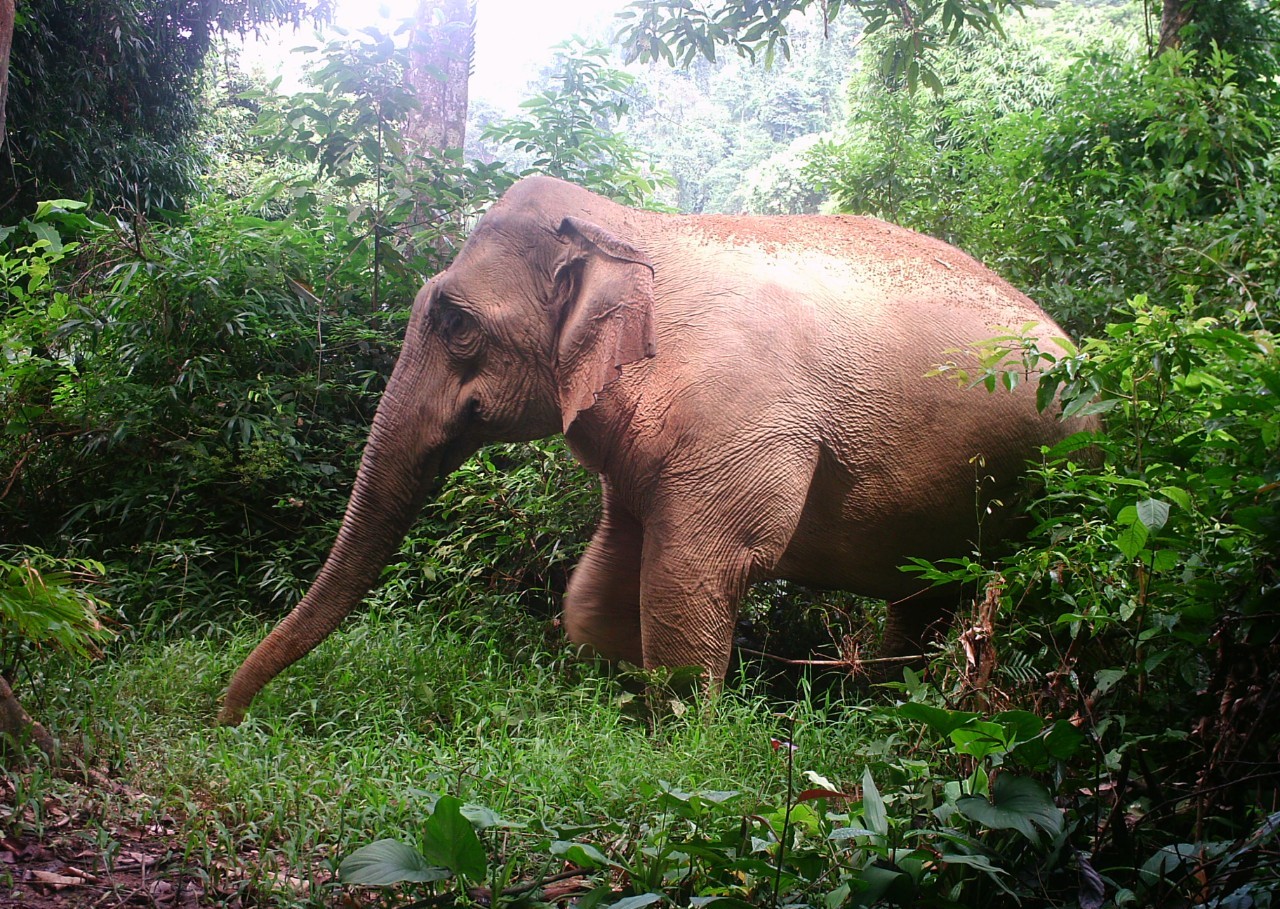
TTO – Ở Nghệ An, số voi tự nhiên nhiều thứ ba cả nước. Nhưng nhiều đàn voi trong số này là “đàn đơn lẻ”, chỉ còn một con sống đơn độc. Chúng thường xuyên về khu dân cư, xung đột với người, tàn phá hoa màu khiến chính quyền đau đầu tìm giải pháp.

Những con voi cô độc, buồn đến mức tìm trâu kết bạn - Ảnh 1.

Con voi rừng đơn độc ở Pù Mát – Ảnh: Vườn quốc gia Pù Mát cung cấp

Suốt nhiều năm qua, người dân hai xã Bắc Sơn và Nam Sơn (huyện Quỳ Hợp) đã làm đủ cách để ngăn voi rừng về phá hoại nhưng không hiệu quả.

Voi rừng về bản

Nhiều tháng nay, bà Lương Thị Danh (57 tuổi, bản Tăng, xã Nam Sơn, huyện Quỳ Hợp) thường mất ngủ vì bị voi rừng về quấy phá. Chỉ riêng tháng 8, con voi cái này đã năm đêm “thăm” nhà bà Danh, làm cuộc sống gia đình bà bị đảo lộn.

Mỗi lần voi rừng về, nhà bà Danh phải tất bật hô hào, đốt lửa, gõ chiêng xua đuổi. Tuy nhiên, con voi rừng cũng ngày càng dạn hơn. Lần gần nhất nó về, đã… trộm mất hũ măng chua nặng hơn 5kg bà Danh muối chưa kịp ăn. “Hôm đó, tôi để hũ măng ngoài hiên. Nó hay về nhà tôi, lục tung để trộm đồ ăn, cái gì để ở ngoài nhà mà trong tầm với nó là nó ăn hết mà đặc biệt là những thứ có chất mặn”, bà Danh kể. Những bụi chuối xung quanh nhà bà Danh giờ cũng chỉ còn lại phần gốc.

Tiếp tục đọc “Những con voi cô độc, buồn đến mức tìm trâu kết bạn”

Sri Lanka fuel shortage takes massive toll on efforts to save wildlife

news.mongabay.com

  • Sri Lanka continues to face the brunt of the worst economic crisis in the country’s history, with depleted foreign reserves resulting in acute fuel shortages nationwide.
  • The shortages and limited rations are affecting conservation efforts, including the timely treatment of wild animals, regular patrolling to thwart poaching, and mitigation actions to limit human-elephant conflict.
  • Fuel allocations for the wildlife conservation department have been halved, and both wildlife and forest officials say this has made operations extremely difficult.
  • The threat of forest fires also looms as the dry season gets underway, which typically calls for more patrols to prevent burning by poachers and forest encroachers.

COLOMBO — Anyone who’d ever seen Maheshakya in the wildernesses of Kebithigollewa in Sri Lanka’s North Central province agreed that, as elephants went, he was an exemplary specimen with large tusks. Earlier this year, he got into a fight with another elephant, which left Maheshakya seriously wounded. As he lay in pain, still alive and conscious, a poacher cut off one of his tusks. Twenty days later, Maheshakya was dead.

In the time since Maheshakya had suffered his injuries during the fight, veterinarians from the Department of Wildlife Conservation (DWC) were able to check on him just twice. Before this year, Maheshakya would have received many more visits, possibly preventing the loss of his tusk and subsequent death. But Sri Lanka’s ongoing economic crisis, the worst in the country’s history, meant that was not to be.

“If we had more opportunity to treat the elephant and visit frequently, there was a chance of saving his life. But we did not have fuel in our vehicles to make this journey regularly,” said Chandana Jayasinghe, a wildlife veterinary surgeon at the DWC.

Sri Lanka has declared bankruptcy and lacks foreign reserves to import essential goods for its people, such as medicine, fuel and gas. Kilometers-long lines at gas stations have become a permanent scene throughout the country, and although a rationing system is helping shorten the wait times, what little fuel is available isn’t enough for wildlife officials to do their regular work. This leaves response teams, like the one Jayasinghe works on, often unable to go out on rescue missions.

The Attidiya Wildlife Rehabilitation Centre in Colombo receives several calls a day regarding injured animals, but has been forced to reduce operations due to fuel being in short supply. Image courtesy of the Attidiya Wildlife Rehabilitation Center.

Rescue operations affected

Tiếp tục đọc “Sri Lanka fuel shortage takes massive toll on efforts to save wildlife”

Đồng Nai không muốn làm tuyến quốc lộ 13 C đi qua khu dự trữ sinh quyển thế giới

tuoitre.vn

TTO – Sau khi tỉnh Bình Phước có ý kiến làm cầu Mã Đà nối vào tuyến quốc lộ 13C đã quy hoạch, tỉnh Đồng Nai đã họp bàn và yêu cầu có giải pháp để bảo vệ Khu bảo tồn thiên nhiên – văn hóa Đồng Nai vì đây là khu dự trữ sinh quyển thế giới.
Đồng Nai không muốn làm tuyến quốc lộ 13 C đi qua khu dự trữ sinh quyển thế giới - Ảnh 1.

Khu bảo tồn thiên nhiên – văn hóa Đồng Nai nhìn từ trên cao – Ảnh: NGỌC KHẢI

Thời tôi còn công tác, tỉnh Bình Phước muốn làm cầu Mã Đà qua Đồng Nai. Hai tỉnh họp bàn, lo ngại kết nối tuyến đường với 2 tỉnh sẽ ảnh hưởng đến việc bảo vệ rừng ở khu bảo tồn nên dừng lại không làm. Tỉnh Bình Phước cũng đình chỉ bến đò tự phát ngang sông Mã Đà.
Nay lại có kiến nghị muốn làm cầu Mã Đà để kết nối với tuyến quốc lộ 13C đi xuyên qua khu bảo tồn. Làm đường có nhiều vị trí và phương án khác không đụng đến rừng sao không lựa chọn, lại muốn làm đường xuyên rừng thì liệu có động cơ khác không?
Đồng Nai đã đổ bao mồ hôi, nước mắt để bảo vệ rừng mấy chục năm nay, không thể chỉ vì tuyến đường được rút ngắn hơn mà để rừng tự nhiên biến mất vĩnh viễn.
Dứt khoát không đụng đến rừng và không nên làm đường qua khu bảo tồn. Nếu cho làm tức là chấp nhận phá bỏ khu dự trữ sinh quyển thế giới. Bởi đường đi vào rừng sẽ chia cắt đa dạng sinh học, làm thú nhát, không sinh sản được, mất dần, tuyệt chủng và chúng ta sẽ trả giá rất đắt..
Ông Trần Văn Mùi, nguyên giám đốc Khu bảo tồn thiên nhiên – văn hóa Đồng Nai

Tiếp tục đọc “Đồng Nai không muốn làm tuyến quốc lộ 13 C đi qua khu dự trữ sinh quyển thế giới”

Unwanted tigers face uncertain future after years of captivity

vnexpress.net

By Le Hoang   February 17, 2022 | 02:02 pm GMT+7

Financial problems and complicated procedures have created a situation in which 11 tigers raised in captivity for 15 years remain unwanted in north-central Vietnam.

In 2007, Nguyen Mau Chien, a local in Thanh Hoa Province, bought 10 tiger cubs weighing around seven kilos each from an unidentified seller and brought them from Laos to Vietnam to raise near his home in Xuan Tin Commune of Tho Xuan District.

While his intent in making the purchase was not stated, demand for tiger parts for medicinal purposes has been high in Vietnam and China for a long time.

Chien was fined VND30 million ($1,300) for animal trafficking and tasked with raising the cubs.

In 2008, Chien bought another five tiger cubs from Laos and was fined the same amount. Once again, he was asked to raise the cubs with support from local authorities and the ranger force.

Tiếp tục đọc “Unwanted tigers face uncertain future after years of captivity”

The Looming Environmental Catastrophe in the South China Sea

Heated maritime and territorial disputes conceal the severe damage being done beneath the waves.

thediplomat.com

By Murray Hiebert January 14, 2022   

Much of the focus on the South China Sea over the past decade has centered around the nationalistic territorial disputes between China and four Southeast Asian claimants and a geopolitical tussle between China and the United States over freedom of navigation in the contested waters. What is going on beneath the surface of the sea – overfishing, destruction of coral reefs, climate change, plastics pollution, ocean acidification – is equally threatening and may have a longer-term impact on the survivability of the sea with its rich fishing beds, potential gas and oil reserves, and bustling sea lanes.

Tiếp tục đọc “The Looming Environmental Catastrophe in the South China Sea”

Decoding Coral Reefs: Exploring Their Status, Risks and Ensuring Their Future

WRI.org

By Lauretta Burke and Katie Wood 

Coral reefs are an undeniably critical part of the ocean. Although these ecosystems only occupy 0.01% of the ocean floor, they support 25% of all marine life, providing crucial habitat for a myriad of fish and invertebrate species. Coral reefs also have a significant impact on coastal communities, with one billion people benefiting from their existence. They provide food and livelihoods, reduce storm surge and flood risk to coastlines across the tropics, protect against erosion and attract tourists to over 100 countries and territories.

Tiếp tục đọc “Decoding Coral Reefs: Exploring Their Status, Risks and Ensuring Their Future”

How can illegal timber trade in the Greater Mekong be stopped?

by Sheryl Lee Tian Tong on 30 December 2021

Mongabay.com

  • Over the past decade, the European Union has been entering into voluntary partnership agreements (VPAs) with tropical timber-producing countries to fight forest crime.
  • These bilateral trade agreements legally bind both sides to trade only in verified legal timber products.
  • There is evidence VPAs help countries decrease illegal logging rates, especially illegal industrial timber destined for export markets.
  • Within the Greater Mekong region, only Vietnam has signed a VPA.

Over the past decade, the European Union entered into collaborative agreements with tropical timber-producing countries to fight forest crime and verify the legality of wood imported into the EU.

Tiếp tục đọc “How can illegal timber trade in the Greater Mekong be stopped?”

Mặt trái của du lịch: Liệu Đông Nam Á có thể cứu vãn các kho báu tự nhiên?

BVR&MT – 07/05/2019

Từ Thái Lan đến Bali, khách du lịch – phần lớn đến từ Trung Quốc và các nền kinh tế đang phát triển nhanh chóng khác – đang gia tăng chóng mặt, đẩy các hệ sinh thái nhạy cảm đến điểm tan vỡ.

Một số quốc gia đang cố gắng kiểm soát sự bùng nổ, chẳng hạn như đóng cửa một vài điểm đến phổ biến để các khu vực bị thiệt hại được chữa lành.

Vịnh Maya ở Thái Lan thu hút 5.000 khách du lịch mỗi ngày trước khi chính phủ đóng cửa khu vực để hệ sinh thái phục hồi (Ảnh: Shutterstock)

Tiếp tục đọc “Mặt trái của du lịch: Liệu Đông Nam Á có thể cứu vãn các kho báu tự nhiên?”

Wildlife trade hub Vietnam is also hub of impunity for traffickers, report says

mongabay.com

by Sheryl Lee Tian Tong on 25 November 2021

  • Only one in every seven wildlife seizures made in Vietnam in the past decade has resulted in convictions, a new report by the U.K.-based Environmental Investigation Agency has found.
  • Low numbers of arrests and prosecutions highlight problems of weak enforcement and a lack of coordination between law enforcement agencies, the researchers said.
  • Three-quarters of the shipments originated from African countries, they found, with numerous large-scale seizures indicating transnational organized crime.
  • With pandemic-related restrictions easing, the worry is that the cross-border wildlife trade will come roaring back even as Vietnam struggles to follow up on investigations into past and current seizures.

Tiếp tục đọc “Wildlife trade hub Vietnam is also hub of impunity for traffickers, report says”

The young Vietnamese helping tackle the illegal wildlife trade

Alzajeera.com

Trang Nguyen is a rarity in Vietnam where civil society is viewed with scepticism and most young people want more lucrative careers.

Trang has won international recognition for her work including the Future for Nature Award [Theo Krus/Courtesy of Trang Nguyen]

By Sen Nguyen10 Sep 2021

Standing on top of a four-wheel drive looking out at a central Kenyan wildlife reserve wearing a bucket hat and walking boots, Trang Nguyen stands apart from most Vietnamese who prefer European charm and East Asian wonders for their holidays and photographic memories.

But Trang is no ordinary traveller.

The 31-year-old founder and executive director of WildAct, a Vietnamese conservation NGO, travels the world as a wildlife conservation scientist.

Tiếp tục đọc “The young Vietnamese helping tackle the illegal wildlife trade”