Geneva talks on global plastic pollution treaty collapse without a deal

Al Jazeera Several delegates express dismay at the failure to break a deadlock at the sixth round of talks in under three years.

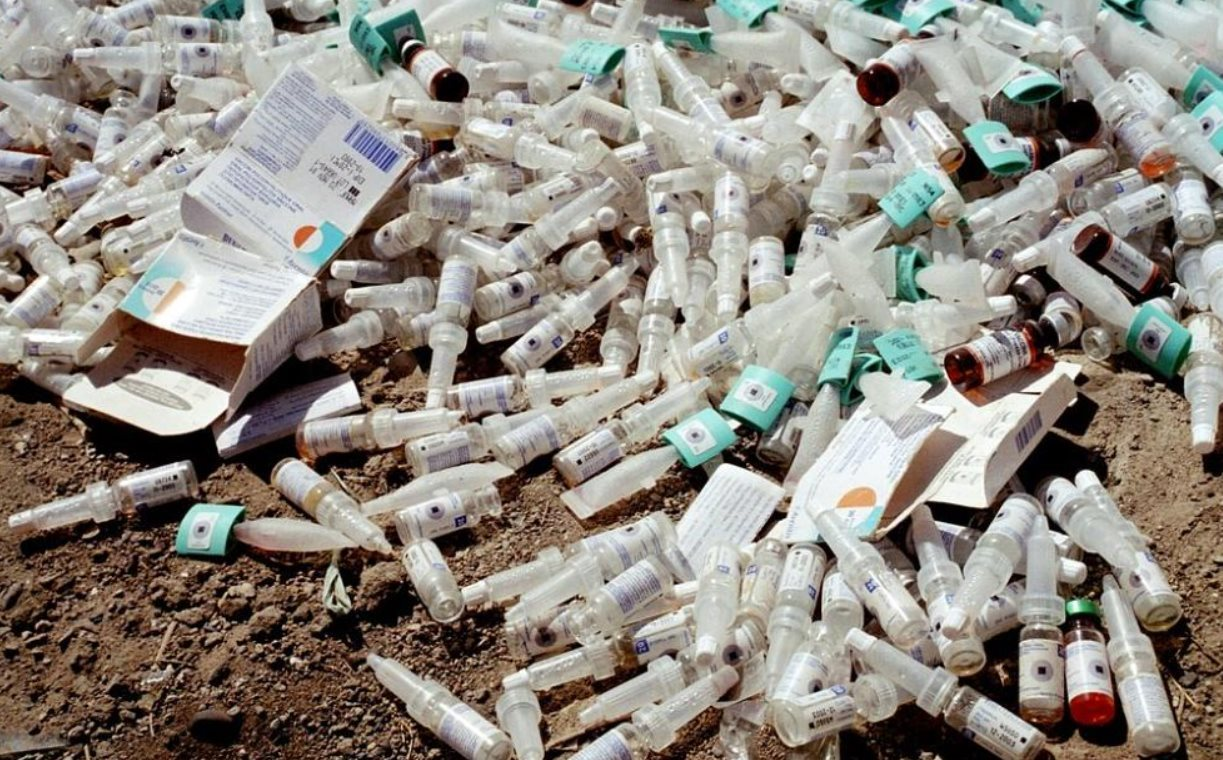
Piles of plastic trash at the waste sorting plant of recycling company Remondis in Erftstadt, Germany, August 12, 2025.
Piles of plastic waste at a recycling plant in Erftstadt, Germany [File: Jana Rodenbusch/Reuters]

Published On 15 Aug 2025

Global talks to develop a landmark treaty to tackle plastic pollution have once again failed to reach an agreement, despite efforts late into the night to strike a deal.

Delegates at a closing meeting of the Intergovernmental Negotiating Committee (INC) in Geneva on Friday spoke of their dismay at the failure to break a deadlock at the sixth round of talks in under three years, as countries remained deeply divided over the scope of any treaty.

“South Africa is disappointed that it was not possible for this session to agree a legally binding treaty and positions remain far apart,” its delegate told a closing meeting.

Cuba’s delegate said that negotiators had “missed a historic opportunity but we have to keep going and act urgently”, the AFP news agency reported.

Tiếp tục đọc “Geneva talks on global plastic pollution treaty collapse without a deal”

Plastic for dinner? Why Southeast Asians may have the most microplastics in their bodies

channelnewsasia.com 07 Jul 2025 06:00AM

Microplastics have permeated the region’s food chain, hitting countries like Indonesia and the Philippines the hardest. The programme Insight looks at the health risks and what is being done to boot plastic from our plates.

Plastic for dinner? Why Southeast Asians may have the most microplastics in their bodies
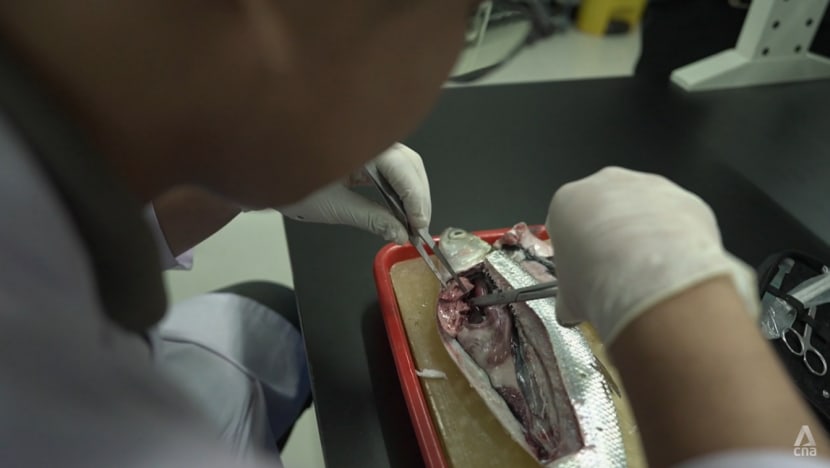
A study found that in nearly 94 per cent of fish sampled from Jakarta Bay, their gills and guts were laced with microplastics.

JAKARTA and MANILA: Milkfish — grilled, fried or floating in fragrant soup — is a staple on Indonesian dining tables. Its flesh is tender, its flavour delicately sweet.

What has no taste, however, would be the microplastics inside its body.

A study last year found that in nearly 94 per cent of fish sampled from Jakarta Bay, their gills and guts were laced with these toxic fragments, each no larger than five millimetres.

“If the microplastics are absorbed by fish and then consumed by humans, it means they’ll accumulate in humans,” warns Widodo Setiyo Pranowo, principal investigator at Indonesia’s National Research and Innovation Agency. “That’s dangerous.”

Tiếp tục đọc “Plastic for dinner? Why Southeast Asians may have the most microplastics in their bodies”

Rác thải nhựa từ dịch vụ đặt đồ ăn online – Tiện 1 phút, hại nghìn năm

tainguyenvamoitruong.vn

TN&MTXu hướng gọi đồ ăn trực tuyến đang làm gia tăng nhanh chóng lượng rác thải nhựa, tạo áp lực nặng nề đến môi trường toàn cầu.

“Núi” rác nhựa sau mỗi lần đặt đồ ăn trực tuyến

Thị trường giao đồ ăn trực tuyến tại Việt nam ngày càng hoạt động sôi nổi với nhiều thương hiệu. Vào năm 2018, Việt Nam chỉ có một vài thương hiệu giao thức ăn như Now, Lala (rút lui khỏi thị trường sau vài tháng hoạt động), Vietnammm (đã được Baemin mua lại) thì đến 2023, có ít nhất là 8 doanh nghiệp đang hoạt động trong ngành. Một số thương hiệu nổi bật có thể kể đến như: Shopee Food, GrabFood, GoFood, Baemin,…

Theo khảo sát của công ty nghiên cứu thị trường Q&Me, trong giai đoạn cách ly xã hội, có 75% người dân sống ở Hà Nội và TP. Hồ Chí Minh đã sử dụng dịch vụ đặt đồ ăn online giao tận nhà. Đến thời điểm hiện tại, thói quen đó vẫn được nhiều người duy trì bởi sự tiện ích mà nó đem lại.

Tiếp tục đọc “Rác thải nhựa từ dịch vụ đặt đồ ăn online – Tiện 1 phút, hại nghìn năm”

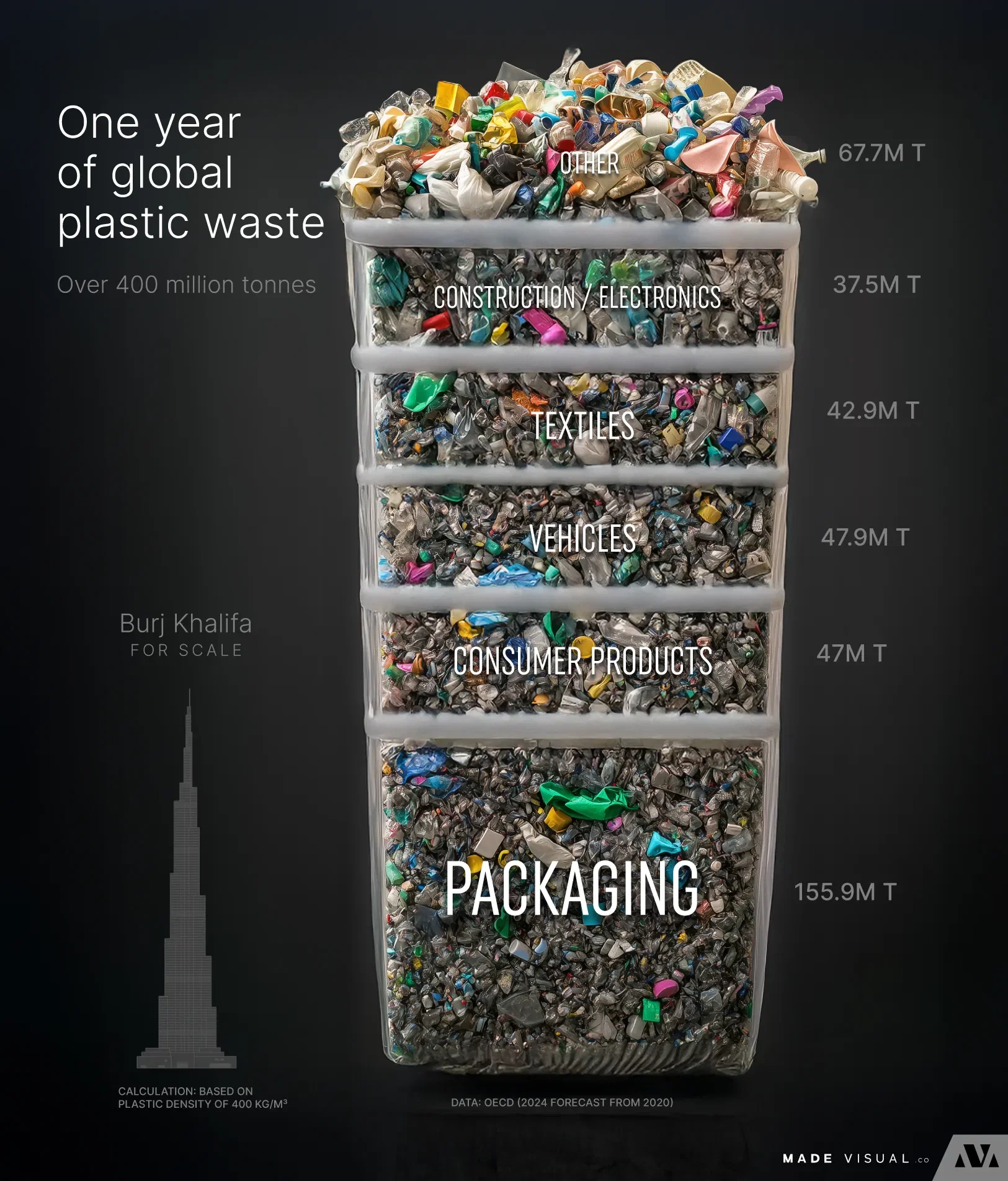
One year of global plastic waste visualized

voronoi.com

One year of global plastic waste visualized

The Data

Over 400 million tonnes of plastic was projected to be wasted in 2024 according to an OECD report from 2020. Further, plastic waste is expected to nearly triple worldwide by 2060, with half of all waste expected to be in landfill while less than one-fifth of it will be recycled.

Unbelievably, if all this plastic waste were put in a kitchen bin and scaled up uniformly, this would double the height of the Burj Khalifa.

Dataset

CategoryWeight of Waste (Millions of Tonnes)
Other67.7
Construction/Electronics37.5
Textiles42.9
Vehicles47.9
Consumer Products47
Packaging155.9

Data sources

OECD, Statista

https://www.oecd.org/en/publications/policy-scenarios-for-eliminating-plastic-pollution-by-2040_76400890-en/full-report.html

https://www.statista.com/chart/32385/global-plastic-waste-production-by-application/

Ancient town leads waste management in central Việt Nam

VNN – December 31, 2024 – 18:43

The ancient town has become a trailblazer in terms of waste management, waste separation at source, volume-based waste fees and a reduction in the use of plastic.

Local residents in Hội An began waste classification at source as a practical method of reducing the amount of rubbish heading to landfill. Photo courtesy of IUCN

HỘI AN – The ancient town of Hội An has become a trailblazer in waste management, leading the way in waste separation at source and tackling the over reliance on plastic.

Hội An has also introduced volume-based waste fees and established a Material Recycling Facility for organic waste collection.

The environmentally-friendly solutions have been instilled into the thinking of the local community so they are now something routine for residents and businesses, following a four-year pilot project of the initiatives.

Tiếp tục đọc “Ancient town leads waste management in central Việt Nam”

Một lượng lớn rác nhựa từ EU xuất khẩu vào Việt Nam bị thải ra môi trường

Tia sáng – 19-12-2024

Mặc dù châu Âu có các quy định nghiêm ngặt về tái chế nhựa, nhưng lại lỏng lẻo trong giám sát luồng rác thải nhựa xuất khẩu sang các nước đang phát triển. Một tỷ lệ lớn nhựa xuất khẩu từ châu Âu vào Việt Nam không thể tái chế và bị thải vào môi trường. Đó là những phát hiện trong nghiên cứu mới do các nhà nghiên cứu ở Đại học Utrecht cùng cộng sự ở Anh và Việt Nam thực hiện.

Con đường ngập rác nhựa ở làng Minh Khai. Ảnh: Thapa/ Website Đại học Utrecht.

Tiếp tục đọc “Một lượng lớn rác nhựa từ EU xuất khẩu vào Việt Nam bị thải ra môi trường”

E-waste is overflowing landfills. At one sprawling Vietnam market, workers recycle some of it

Image

A vendor selling used remote controls for various home appliances takes a nap in Nhat Tao market, the largest informal recycling market in Ho Chi Minh City, Vietnam, Sunday, Jan. 28, 2024. (AP Photo/Jae C. Hong)Shoppers and vendors crowd the street in Nhat Tao market, the largest informal recycling market in Ho Chi Minh City, Vietnam, Sunday, Jan. 28, 2024. (AP Photo/Jae C. Hong)

AP – By  ANIRUDDHA GHOSAL and JAE C. HONG

Updated 9:09 AM GMT+7, May 3, 2024

HO CHI MINH CITY, Vietnam (AP) — Dam Chan Nguyen saves dead and dying computers.

When he first started working two decades ago in Nhat Tao market, Ho Chi Minh City’s biggest informal recycling market, he usually salvaged computers with bulky monitors and heavy processors. Now he works mostly with laptops and the occasional MacBook.

But the central tenet of his work hasn’t changed: Nothing goes to waste. What can be fixed is fixed. What can be salvaged gets re-used elsewhere. What’s left is sold as scrap.

“We utilize everything possible,” he said.

Tiếp tục đọc “E-waste is overflowing landfills. At one sprawling Vietnam market, workers recycle some of it”

Ân nhân của những dòng kênh

YẾN TRINH – 03/08/2024 05:53 GMT+7

TTCTNhóm Sài Gòn Xanh thành lập tháng 12-2022 do hai bạn trẻ Nguyễn Lương Ngọc và Hồ Văn Vĩ khởi xướng. Đến nay, nhóm có 50 thành viên thường trực và hơn 1.400 tình nguyện viên.

Đoạn rạch dưới chân cầu Rạch Lăng sau khi vớt rác. Ảnh: YẾN TRINH

Họ đã bắt đầu đi dọn rác trên kênh từ tháng 12-2022. Họ đã dọn được hơn 2.000 tấn rác từ 150 dòng kênh ở nhiều tỉnh thành. Nhưng “Một nhóm Sài Gòn Xanh dọn không hết rác, 1.000 nhóm dọn cũng không hết rác, chỉ khi mỗi người không xả rác thì mới hết rác” – lời của nhóm Sài Gòn Xanh.

Sáng sớm, Nguyễn Vũ Hùng – sinh viên Trường ĐH Khoa học Tự nhiên (ĐH Quốc gia TP.HCM) – chạy xe từ TP Thủ Đức đến gửi gần cầu Rạch Lăng (quận Bình Thạnh) để tham gia vớt rác với các bạn mình trong nhóm Sài Gòn Xanh. 

Mặc đồ bảo hộ (gồm áo phao, quần yếm, ủng, ba loại găng tay), Hùng lội xuống dòng kênh bùn sình đen kịt, gỡ từng giề lục bình ra khỏi phao chắn rác rồi chuyển lên bờ.

Tiếp tục đọc “Ân nhân của những dòng kênh”

Chất thải nhựa từ châu Âu sang Việt Nam chưa được giám sát chặt chẽ

Tia sáng – 22/02/2024.

Bất chấp các quy định nghiêm ngặt của EU về tái chế nhựa, đường đi của chất thải nhựa được vận chuyển từ EU đến Việt Nam lại không được giám sát chặt chẽ. Một tỷ lệ lớn nhựa xuất khẩu của châu Âu không thể tái chế và bị thải ra ngoài tự nhiên.

Hoạt động tái chế chất thải nhựa ở làng Khoai. Nguồn: báo Tài nguyên môi trường.
Tiếp tục đọc “Chất thải nhựa từ châu Âu sang Việt Nam chưa được giám sát chặt chẽ”

Australian City Uses Drainage Nets to Stop Waste from Polluting Waterways

interestingengineering.com

City of Kwinana

Pollution in our waterways is not only dangerous and unsanitary for humans but it also affects wildlife. That’s why it is so exciting to see an initiative aimed at preventing such waste.

RELATED: THIS MODULAR ROBOTIC EEL CAN DETECT SOURCES OF WATER POLLUTION

The Australian city of Kwinana has designed a simple and cost-effective solution to deal with the discharge of waste from drainage systems. The town has put nets on the outlet of drainage pipes.

Australian City Uses Drainage Nets to Stop Waste from Polluting Waterways
Source: City of Kwinana

These nets stop waste and pollutants from leaving the sewers, preventing garbage transported by rain waters from contaminating the town’s local water reserve. It is a simple filtering system and it works like a charm.

Australian City Uses Drainage Nets to Stop Waste from Polluting Waterways
Source: City of Kwinana
Tiếp tục đọc “Australian City Uses Drainage Nets to Stop Waste from Polluting Waterways”

New documentary ‘Wasted’ explores Asia’s mounting waste crisis — and how to tackle it

eco-business.com

Launched as policymakers lock horns with petrochemicals lobbyists over a treaty to end plastic pollution, the documentary produced by Eco-Business asks why opportunities to solve humanity’s waste crisis are being wasted. It will premiere in Singapore and screen on the sidelines of the upcoming COP28 climate summit.

By Robin Hicks

1 minute readNov. 27, 2023

More than a week after a third round of negotiations for a global treaty to stop plastic pollution came to a disappointing close, a new documentary launches that explores the truth behind the waste industry. 

Negotiations for a binding global plastic agreement were stalled by lobbying from petrochemical and plastics industry-leaning governments, who are pushing for the treaty to focus solely on waste management rather than plastic production. The new film, titled “Wasted”, explores the role of “polluter pays” laws that hold corporations to account for the 280 million tonnes of short-lived plastic products that enter the environment every year.

“Why is waste ignored when it is staring us in the face? Maybe it is because the true impact is being hidden from us,” said Jessica Cheam, founder and managing director of Eco-Business, who co-produced the documentary with filmmaker Fraser Morton.

The film investigates the waste landscape in four key Asian countries for waste – Singapore, South Korea, Vietnam and India – and explores the solutions needed to stem the flow of trash into the environment. “Solutions to tackle this blight exist in plain sight, so why are we wasting opportunities to make change?” said Cheam.

The film will premiere on 2 December at The Projector theatre in Singapore.

On 7 December, Eco-Business will also be hosting the documentary’s premiere on the sidelines of the COP28 climate meeting in Dubai, in partnership with CC Forum. The event will be held at Grand Hyatt Dubai. 

Why Vietnam faces an uphill battle in its war against plastic waste

  • Vietnam’s Communist Party has made dealing with plastic waste a ‘prioritised mission’, but its green policies could yet prove unenforceable
  • There’s a pressing need for more incentives, not just punishments – and enhanced cooperation within Asean on the issue

Nguyen Khac Giang

Nguyen Khac Giang

Published: 10:00am, 26 Nov, 2023 scmp

Vietnam is grappling with a critical plastic waste crisis. Each year, the country generates 1.8 million tonnes of plastic waste, about one-third of which ends up in the ocean. This constitutes 6 per cent of global marine plastic pollution and makes it the world’s fourth-largest emitter.

Not only does this exacerbate Vietnam’s environmental challenges, but it also casts a shadow over its international reputation as the nation has pledged robust commitments to sustainable dvelopment and the green transition.

Tiếp tục đọc “Why Vietnam faces an uphill battle in its war against plastic waste”

Intersectional Gender Context Assessment of the Plastic Value Chain in Viet Nam

Download full report here weforum.com

Rapid economic progress in Viet Nam has been accompanied
by a huge increase in consumption and, as a result, waste –
particularly plastic waste. It is estimated that Viet Nam’s
post-consumer plastic waste will rise by 36% from 2018 levels
by the year 2030. 1 Despite major commitments from the
government, business and civil society, plastic waste leakage
into the country’s water bodies is expected to increase by
106% between 2018 and 2030, to 373,000 tonnes per year.2
The intersectional gender context assessment report on
the plastic value chain in Viet Nam is an initiative under
the framework of the NPAP Viet Nam. Its aim is to highlight
the gender and inclusion gaps and inequalities that exist
throughout the plastic value chain, which can inform the
development of gender-responsive and inclusive policy
options for addressing plastic waste pollution in Viet Nam.
Executive summaryGender Context Assessment of the Plastic Value Chain in Viet Nam
6