United State’s 2025 Marine Mammal Protection Act Comparability Finding Determinations for Harvesting Nations

*Vietnam is on List 2: Nations denied comparability findings for some fisheries

NOAA.GOV

NOAA Fisheries announced its Marine Mammal Protection Act comparability determinations in the Federal Register, covering about 2,500 fisheries across 135 nations. Of these, 240 fisheries from 46 nations were denied comparability findings, restricting their ability to export to the United States.

In August 2025, NOAA Fisheries announced its 2025 Marine Mammal Protection Act comparability finding determinations in the Federal Register. These determinations cover approximately 2,500 fisheries in 135 nations seeking to export fish and fish products to the United States. Comparability finding determinations are made for each nation on a fishery-by-fishery basis. A total of 240 fisheries from 46 nations were denied comparability findings. 

NOAA Fisheries conducted a detailed analysis of each comparability finding application submitted by harvesting nations. Details regarding each nation’s comparability finding determination are categorized in the lists below. Each harvesting nation’s Comparability Finding Application Final Report can be accessed by clicking on the nation under Lists 1, 2, and 3 below. Additional documents detailing NOAA Fisheries’ evaluation process, the fisheries denied and granted comparability findings for each nation, and the trade information associated with fishery denials (including Harmonized Tariff Codes) can be found at the bottom of this page.

Nations whose fisheries were denied comparability findings are prohibited from importing fish and fish product from those fisheries into the United States beginning January 1, 2026, and may reapply for a comparability finding for the affected fisheries at any time after January 1, 2026. More information on seafood import restrictions and how they will be implemented under this program, is available here.
Major coral loss in Vietnam’s first marine protected area: Study

mongabay.com Keith Anthony Fabro 20 Jun 2025 VietnamOceans

  • Vietnam’s first marine protected area (MPA), Nha Trang Bay, has lost nearly 200 hectares (494 acres) of coral reef since it was established in 2002, according to a new study.
  • Major drivers of the coral decline include coastal development, warming sea temperatures and devastating crown-of-thorns starfish (Acanthaster planci) outbreaks worsened by overfishing and nutrient pollution.
  • The study calls for stronger conservation measures inside Nha Trang Bay and other MPAs, including pollution control, active reef restoration and inclusive community governance.
  • Experts say Nha Trang Bay offers lessons for other MPAs in Southeast Asia facing similar threats.

See All Key Ideas

Vietnam’s first marine protected area, Nha Trang Bay, has lost nearly 200 hectares (494 acres) of coral reef since its creation in 2002, a new study shows. The alarming decline raises fresh questions about how effective conservation efforts have been in protecting one of the country’s most iconic coastal ecosystems.

Tiếp tục đọc “Major coral loss in Vietnam’s first marine protected area: Study”

Coral reefs in Vietnam face collapse. Can conservation efforts turn the tide?

APnews.com

Jonathan Hanitzsch rests after collecting trash off the coast of Hon Mot Island on Feb. 7, 2025, in Nha Trang, Vietnam. (AP Photo/Yannick Peterhans)

By  YANNICK PETERHANS and ANIRUDDHA GHOSALUpdated 9:02 AM GMT+7, March 5, 2025Share

NHA TRANG, Vietnam (AP) — The gentle waves off the coast of central Vietnam’s Nha Trang obscure an open secret: The life-giving coral reefs below are dying. The waters are eerily devoid of fish. The bounty of the ocean is coming to an end.

This is why Binh Van — who fished in these waters for over two decades — now charters his boat to Vietnamese tourists wanting to experience the thrill of fishing in the deep waters of the South China Sea. But there is only squid, which is flourishing in oceans warmed by climate change, to catch. His passengers don’t mind as the boat moves away from Nha Trang’s twinkling beach resorts. But Van is pensive.

Nguyen Tuan Hai drives Rainbow Diver's boat to Madonna Rock, Feb. 7, 2025, in Nha Trang, Vietnam. (AP Photo/Yannick Peterhans)
Nguyen Tuan Hai drives Rainbow Diver’s boat to Madonna Rock, Feb. 7, 2025, in Nha Trang, Vietnam. (AP Photo/Yannick Peterhans)

It wasn’t always like this. There was a time when he’d catch 70 kilograms (154 pounds) of fish, like tuna and grouper, in one night. He can’t make money on the squid.

“Now I usually go home empty-handed,” he said.

Tiếp tục đọc “Coral reefs in Vietnam face collapse. Can conservation efforts turn the tide?”

‘Plenty of fish in the sea’? Not anymore

UN.org

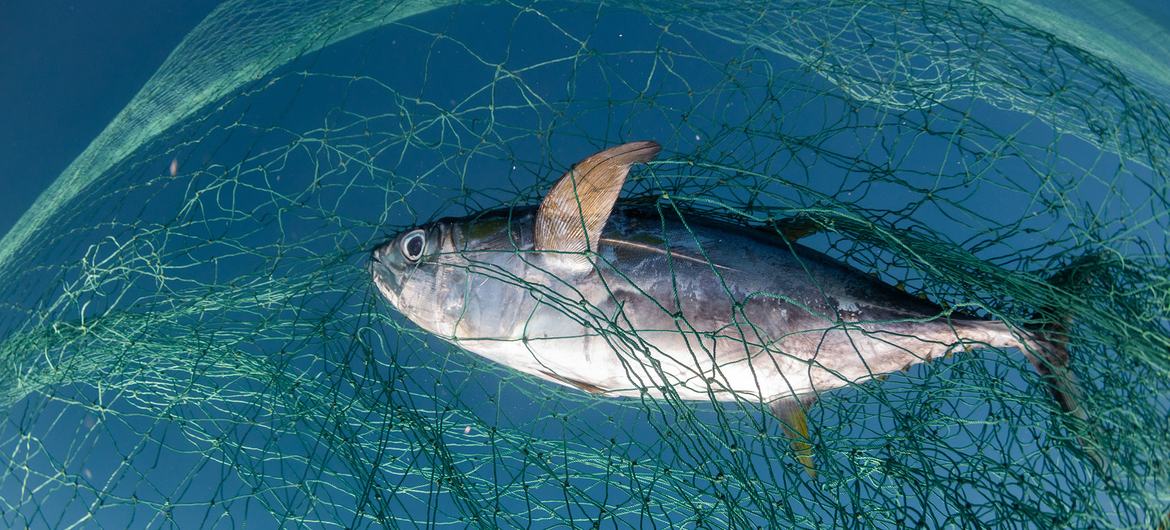
A report launched at the Third UN Ocean Conference, in Nice, shows that 35 per cent of the global fish stocks are being harvested unsustainably.

© The Ocean Story/Vincent Kneefel

A report launched at the Third UN Ocean Conference, in Nice, shows that 35 per cent of the global fish stocks are being harvested unsustainably.

By Fabrice Robinet, reporting from Nice  Climate and Environment

At the Third UN Ocean Conference in Nice, the “catch of the day” wasn’t a seabass or a red mullet – it was a figure: 35 per cent. That’s the share of global fish stocks now being harvested unsustainably, according to a new UN report released Wednesday.

https://x.com/UN_News_Centre/status/1932800237715783856?ref_src=twsrc%5Etfw%7Ctwcamp%5Etweetembed%7Ctwterm%5E1932800237715783856%7Ctwgr%5Ed912305c5ff556ade0e29bacd77858c0403f520d%7Ctwcon%5Es1_&ref_url=https%3A%2F%2Fnews.un.org%2Fen%2Fstory%2F2025%2F06%2F1164251

As yachts bobbed gently and delegates streamed by in a rising tide of lanyards and iPads at Port Lympia, Nice’s historic harbor, that statistic sent a ripple through the conference’s third day – a stark reminder that the world’s oceans are under growing pressure from overfishing, climate change and unsustainable management.

Tiếp tục đọc “‘Plenty of fish in the sea’? Not anymore”

90 NGOs question Thailand Prime Minister on fisheries deregulation plan (commentary)

news.mongabay.com by Steve Trent on 23 November 2023

  • Thailand’s new government is promising to “unlock” fisheries by reducing regulation and transparency around vessels’ activities.
  • A letter signed by 90 NGOs questions the National Fishing Association’s proposals for fisheries reform, including returning to day-rate salaries, permitting child labor and weakening punitive measures designed to deter illegal, unregulated and unreported (IUU) fishing.
  • This post is a commentary. The views expressed are those of the author, not necessarily Mongabay.

The government of Thailand is about to reverse eight years of progress.

Tiếp tục đọc “90 NGOs question Thailand Prime Minister on fisheries deregulation plan (commentary)”

Việt Nam ký hiệp định mang tính lịch sử về biển cả

tuoitre.vn

Hiệp định về biển cả là văn kiện đầu tiên điều chỉnh toàn diện việc khai thác, chia sẻ lợi ích và bảo tồn nguồn gen biển tại các vùng biển quốc tế. Việt Nam là một trong những nước đầu tiên ký hiệp định trong khuôn khổ Tuần lễ cấp cao Đại hội đồng LHQ.

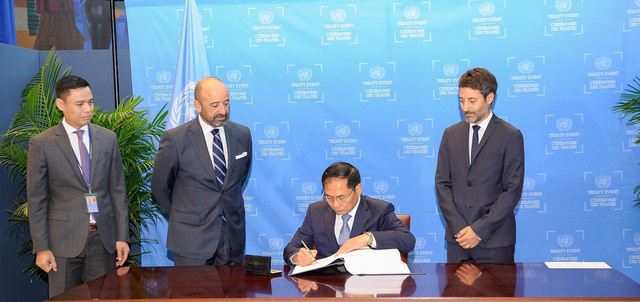
Bộ trưởng Bộ Ngoại giao Bùi Thanh Sơn ký Hiệp định về bảo tồn và sử dụng bền vững đa dạng sinh học ở vùng biển nằm ngoài quyền tài phán quốc gia - Ảnh: VGP
Bộ trưởng Bộ Ngoại giao Bùi Thanh Sơn ký Hiệp định về bảo tồn và sử dụng bền vững đa dạng sinh học ở vùng biển nằm ngoài quyền tài phán quốc gia – Ảnh: VGP

Sáng 20-9 (giờ New York, Mỹ), trong khuôn khổ hoạt động của Tuần lễ cấp cao Đại hội đồng Liên Hiệp Quốc khóa 78, Bộ trưởng Bộ Ngoại giao Bùi Thanh Sơn đã ký Hiệp định về bảo tồn và sử dụng bền vững đa dạng sinh học ở vùng biển nằm ngoài quyền tài phán quốc gia (Hiệp định về biển cả).

Hiệp định về biển cả là gì?

Tiếp tục đọc “Việt Nam ký hiệp định mang tính lịch sử về biển cả”

Vietnam becomes one of first nations to sign High Sea Treaty

vnexpress.net By VNA   September 21, 2023 | 12:03 pm GMT+7

Vietnam becomes one of first nations to sign High Sea Treaty

Minister of Foreign Affairs Bui Thanh Son signs the High Sea Treaty, a United Nations agreement on the conservation and sustainable use of marine biological diversity of areas beyond national jurisdiction. Photo by Thu HongVietnam on Wednesday signed the United Nations agreement on the conservation and sustainable use of marine biological diversity of areas beyond national jurisdiction, the High Sea Treaty.

The signing by Minister of Foreign Affairs Bui Thanh Son made Vietnam one of the first countries to sign the international-legally binding instrument under the 1982 United Nations Convention on the Law of the Sea (UNCLOS). It conveyed the message that Vietnam is a positive and responsible member of the international community as well as the country’s efforts to join hands with countries to deal with global issues, contributing to peace, prosperity and sustainable development.

More than 60 countries are scheduled to sign the agreement during the underway high-level week of the 78th UN General Assembly.

Tiếp tục đọc “Vietnam becomes one of first nations to sign High Sea Treaty”

As Ocean Oxygen Levels Dip, Fish Face an Uncertain Future

e360.yale.edu

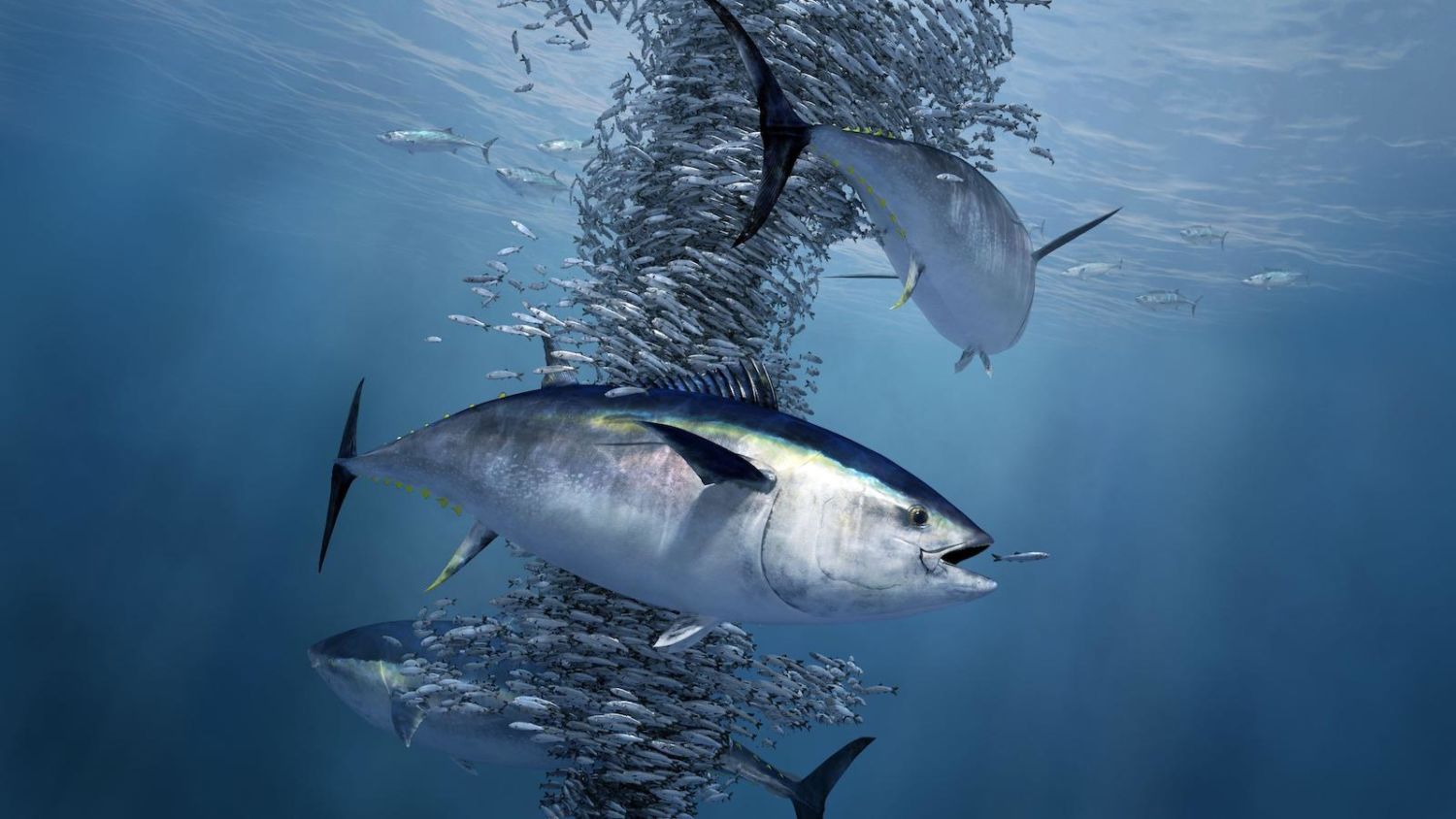
Atlantic bluefin tuna, shown feeding on a school of herring, have been driven into narrower layers of water by oxygen declines.
Atlantic bluefin tuna, shown feeding on a school of herring, have been driven into narrower layers of water by oxygen declines. MARKO STEFFENSEN / ALAMY STOCK PHOTO

Global warming not only increases ocean temperatures, it triggers a cascade of effects that are stripping the seas of oxygen. Fish are already moving to new waters in search of oxygen, and scientists are warning of the long-term threat to fish species and marine ecosystems.

BY NICOLA JONES • MAY 11, 2023

Off the coast of southeastern China, one particular fish species is booming: the oddly named Bombay duck, a long, slim fish with a distinctive, gaping jaw and a texture like jelly. When research ships trawl the seafloor off that coast, they now catch upwards of 440 pounds of the gelatinous fish per hour — a more than tenfold increase over a decade ago. “It’s monstrous,” says University of British Columbia fisheries researcher Daniel Pauly of the explosion in numbers.

The reason for this mass invasion, says Pauly, is extremely low oxygen levels in these polluted waters. Fish species that can’t cope with less oxygen have fled, while the Bombay duck, part of a small subset of species that is physiologically better able to deal with less oxygen, has moved in.

The boom is making some people happy, since Bombay duck is perfectly edible. But the influx provides a peek at a bleak future for China and for the planet as a whole. As the atmosphere warms, oceans around the world are becoming ever more deprived of oxygen, forcing many species to migrate from their usual homes. Researchers expect many places to experience a decline in species diversity, ending up with just those few species that can cope with the harsher conditions. Lack of ecosystem diversity means lack of resilience. “Deoxygenation is a big problem,” Pauly summarizes.

Tiếp tục đọc “As Ocean Oxygen Levels Dip, Fish Face an Uncertain Future”

Vietnam’s desolate seabed

mekongeye.com by Thu Quynh Nguyen 31 July 2023 at 14:39

As coral reefs and marine life disappear, efforts to save them are underway, but is it too late?

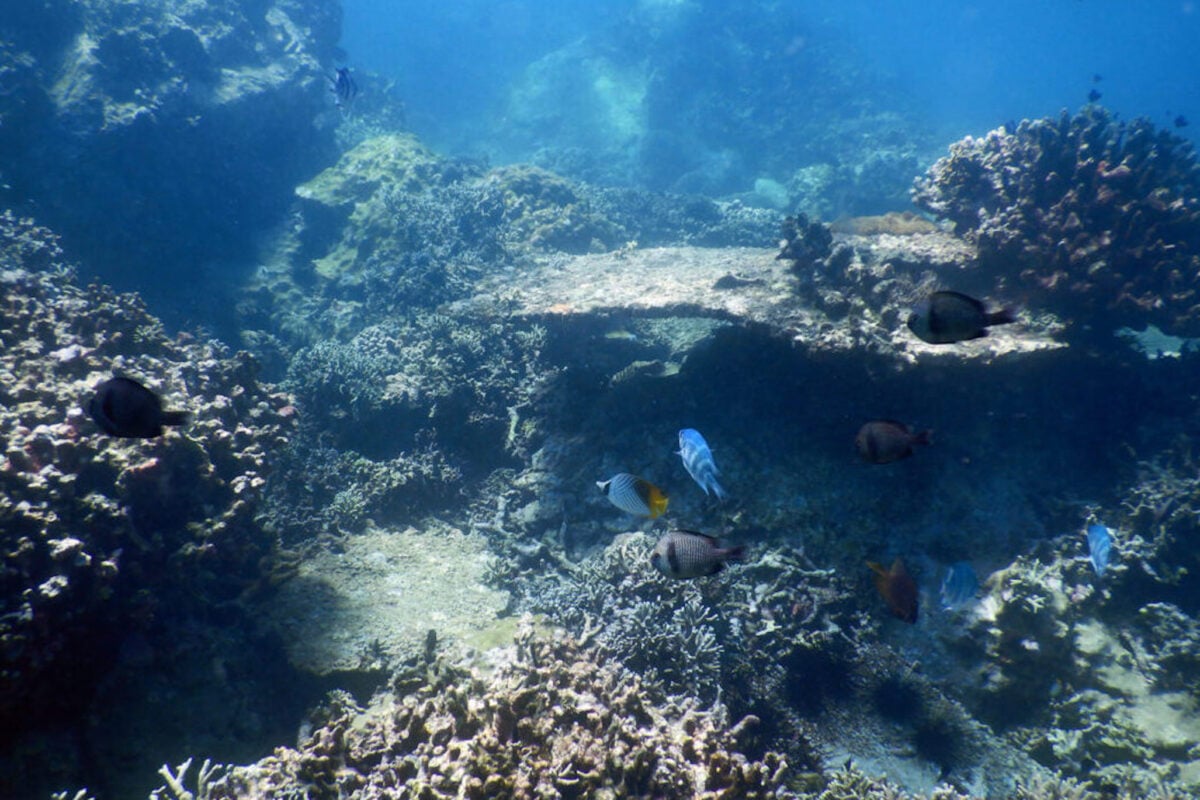
Coral die-off in Hon Mun, Nha Trang. PHOTO: Konstantin Tkachenko.

NHA TRANG, VIETNAM ― In Hon Chong, one of Vietnam’s last coral reefs, colorful schools of fish have become distant memories. These days, only small fish lurk behind bleached coral formations, a stark difference from the way some travel brochures depict the place.

Half an hour by boat from Hon Chong is Hon Mun, a marine conservation site once home to more than 340 coral species, and valued at approximately US$70 million for its biodiversity in 2005.

About 10 years before the Covid-19 pandemic, professional divers started noticing a gradual depletion of the coral reefs in the area. They had hoped that lockdowns and border closures would alleviate stress from tourism and revive the reef.

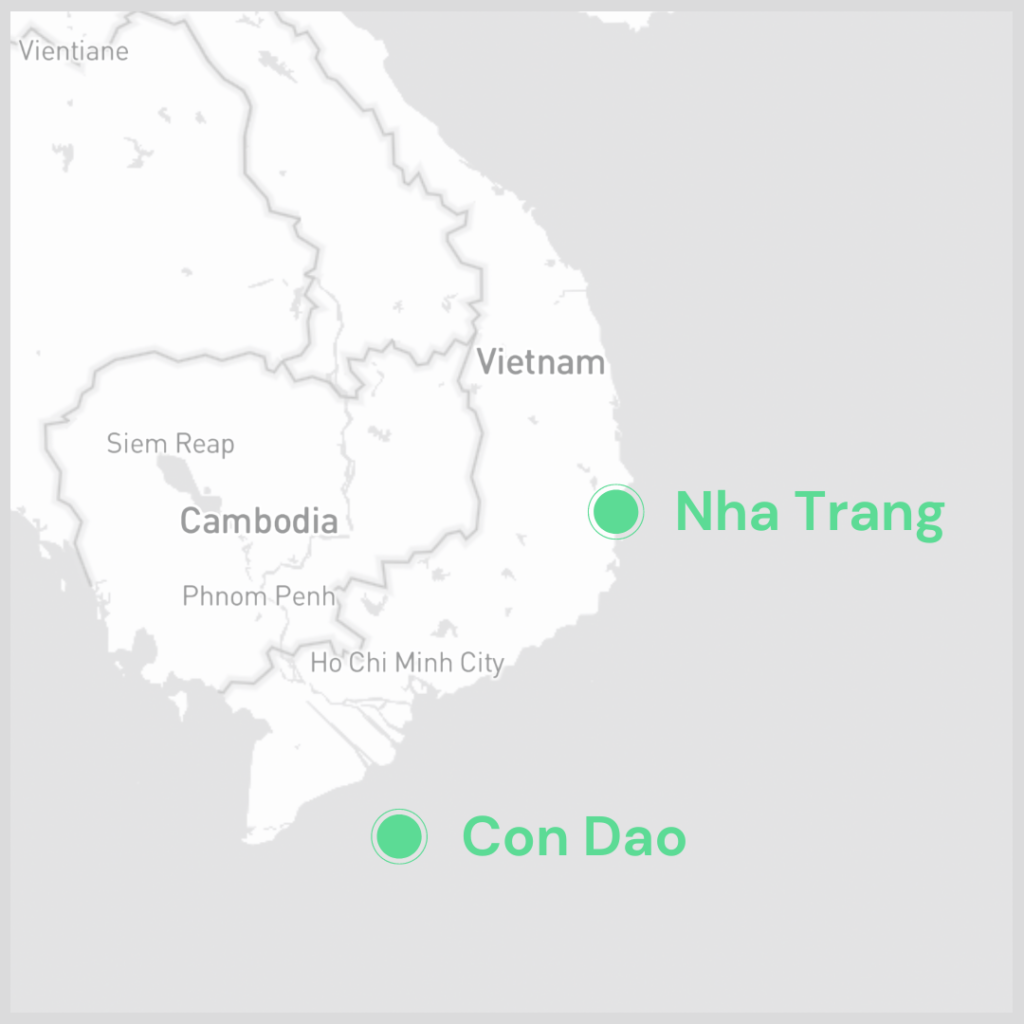
Source: Mapbox

“After two years [of Covid-19], I was speechless to see the ocean bed so empty, the coral all bleached,” photographer Na Son, a diver who has made hundreds of trips down to Hon Mun’s ocean bed, told Mekong Eye in June 2023. Last June, Na Son was one of many divers who spoke to local media about Hon Mun’s alarming coral depletion.

Coral reefs are considered to be one of Vietnam’s national treasures, as the country boasts one of the world’s most diverse ecosystems with 355 species, according to data from the World Resources Institute.

Yet across the country, vital coral reserves are depleting at such an alarming rate that frenzied attempts to salvage what remains are likely to be insufficient to restore the ecosystems.

Tiếp tục đọc “Vietnam’s desolate seabed”

Deep-sea mining for minerals: What is the issue?

IUCN.org

What is the issue?
Why is this important?
What can be done?
More information

  • Deep-sea mining is the process of retrieving mineral deposits from the deep seabed – the ocean below 200m.
  • Depleting terrestrial deposits and rising demand for metals mean deep-sea mining may begin soon, even thoughresearch suggests that it could destroy habitats and wipe out species.
  • Deep-sea mining should be halted until the criteria specified by IUCN are met, including the introduction of assessments, effective regulation and mitigation strategies.
  • Comprehensive studies are neededto improve our understanding of deep-sea ecosystems and the vital services they provide to people, such as food and carbon sequestration.

What is the issue?

Deep-sea mining is the process of extracting and often excavating mineral deposits from the deep seabed. The deep seabed is the seabed at ocean depths greater than 200m, and covers about two-thirds of the total seafloor. Research suggests deep-sea mining could severely harm marine biodiversity and ecosystems, but we still lack the knowledge and means to implement protections.

Despite this, there is growing interest in the mineral deposits of the seabed. This is said to be due to depleting terrestrial deposits of metals such as copper, nickel, aluminium, manganese, zinc, lithium and cobalt. Demand for these metals is also increasing to produce technologies like smartphones, wind turbines, solar panels and batteries.

featured image

ISA, 2021

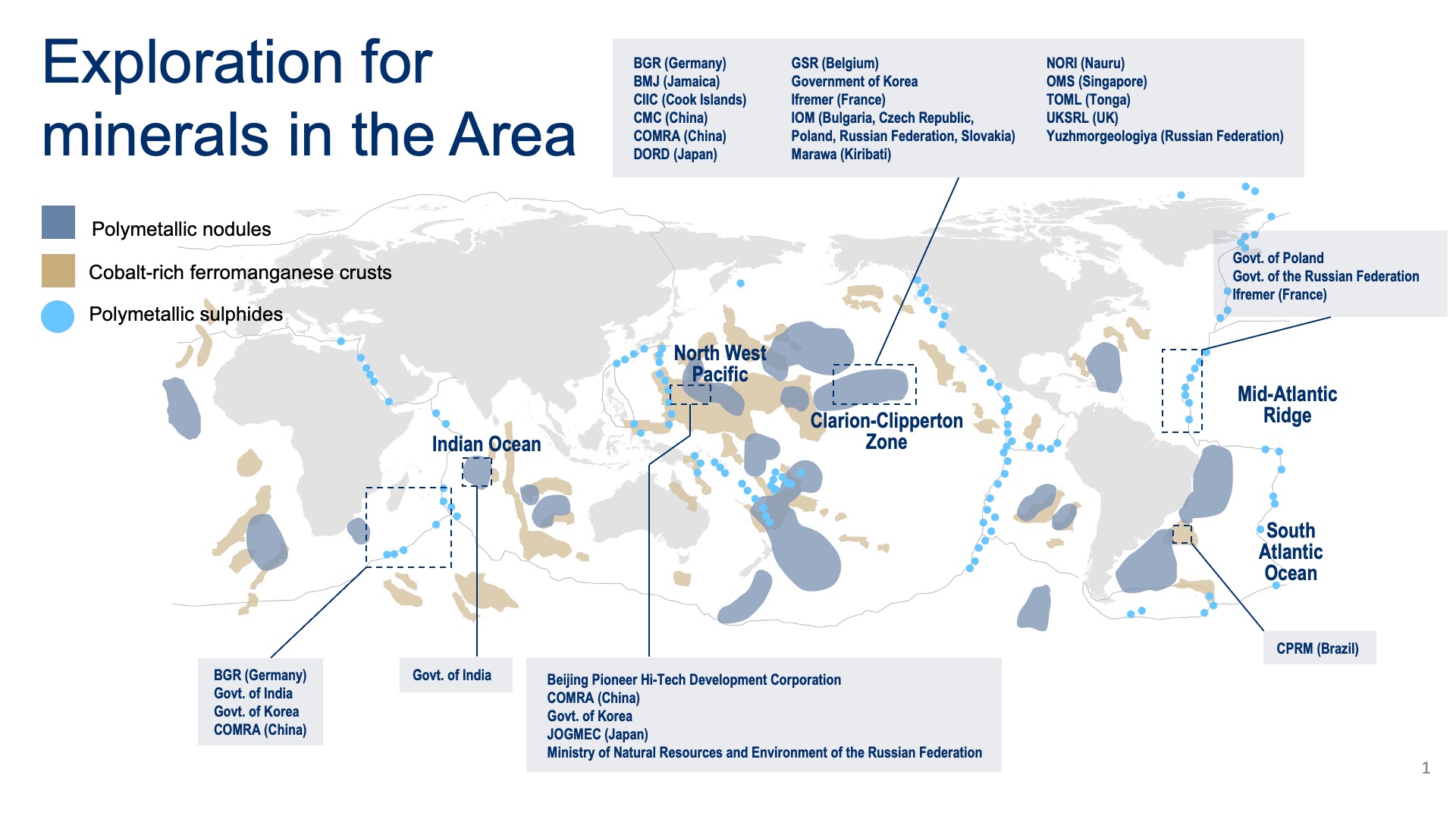
By May 2022, the International Seabed Authority (ISA), which regulates activities in the seabed beyond national jurisdiction (‘the Area’), had issued 31 contracts to explore deep-sea mineral deposits. More than 1.5 million km2 of international seabed, roughly the size of Mongolia, has been set aside for mineral exploration.

Tiếp tục đọc “Deep-sea mining for minerals: What is the issue?”

The Looming Environmental Catastrophe in the South China Sea

Heated maritime and territorial disputes conceal the severe damage being done beneath the waves.

thediplomat.com

By Murray Hiebert January 14, 2022   

Much of the focus on the South China Sea over the past decade has centered around the nationalistic territorial disputes between China and four Southeast Asian claimants and a geopolitical tussle between China and the United States over freedom of navigation in the contested waters. What is going on beneath the surface of the sea – overfishing, destruction of coral reefs, climate change, plastics pollution, ocean acidification – is equally threatening and may have a longer-term impact on the survivability of the sea with its rich fishing beds, potential gas and oil reserves, and bustling sea lanes.

Tiếp tục đọc “The Looming Environmental Catastrophe in the South China Sea”

Fishing the Line: Capturing Resources that Swim Across Boundaries

resourcewatch

By Emily Cassidy, Amelia Snyder, and Kristine Lister from Resource Watch, and David Kroodsma, Global Fishing Watch

More than one billion people depend on fisheries and aquaculture as a primary source of protein. In many low-income countries, they also rely on fishing for income. While countries mostly fish within their own jurisdictions, according to data gathered by Global Fishing Watch, a handful of nations, mostly wealthy ones, fish extensively in the high seas, the international waters beyond 200 nautical miles of coastlines. These fleets often cluster right at the boundaries of some countries’ jurisdictions, harvesting fish that cross into international waters. This activity, known as “fishing the line,” is especially common along the boundaries of some poorer nations’ waters, and it may represent a transfer of resources from developing countries to wealthier ones. Tiếp tục đọc “Fishing the Line: Capturing Resources that Swim Across Boundaries”

Hiện tượng thủy triều đỏ trên các vùng biển và đề xuất với Việt Nam

T.S Dư Văn Toán

thiennhien.net

“Thuỷ triều đỏ” là thuật ngữ ngày càng phổ biến và quen thuộc. Nó không thuần chỉ là một hiện tượng tự nhiên tuyệt vời đầy kì bí như nhiều người vẫn nghĩ mà thực chất là một vấn đề môi trường nhức nhối cần quan tâm.

“Thủy triều đỏ” chỉ sự nở hoa của các loài vi tảo biển. Đây là hiện tượng tự nhiên xảy ra do mật độ tế bào vi tảo gia tăng lên đến hàng triệu tế bào/lít (thông thường có khoảng 10 – 100 tế bào vi tảo/ml nhưng trong trường hợp “nở hoa”, mật độ có thể lên trên 10.000 tế bào/ml), làm biến đổi màu của nước biển từ xanh lục đậm, đỏ cho đến vàng xám.
Tiếp tục đọc “Hiện tượng thủy triều đỏ trên các vùng biển và đề xuất với Việt Nam”

Unique coral reef found on Lý Sơn

vietnamnews Update: February, 07/2018 – 09:00

Tranquil: An Bình Islet of Lý Sơn Island, off the coast of Quảng Ngãi, is said to be an ideal site for eco-tourism. — VNS Photo Công Thành
Viet Nam News Hoài Nam

LÝ SƠN ISLANDS — Experts from the Việt Nam Institute of Geosciences and Mineral Resources have found a unique complex of fossilised coral – believed to date from 4,000 to 6,000 years ago – on the coast of Lý Sơn Island, 30km off Quảng Ngãi Province mainland.

Dr Nguyễn Xuân Nam from the institute told Việt Nam News that a group of researchers and scientists found the population of palaeontological coral reefs over an area of 20,000sq.m extending 400 metres along the coast, northeast of the island. Tiếp tục đọc “Unique coral reef found on Lý Sơn”

Vietnam sea poisoned by economic, tourism activities

Last update 07:10 | 13/11/2017
VietNamNet Bridge – A conflict exists between the protection of fishery resources and the development of tourism and other business fields.vietnam economy, business news, vn news, vietnamnet bridge, english news, Vietnam news, news Vietnam, vietnamnet news, vn news, Vietnam net news, Vietnam latest news, Vietnam breaking news, MPA, Hon Mun, coral reefs
The Ministry of Agriculture and Rural Development (MARD) has warned that the fishing output has exceeded the permitted limit by 30 percent, especially aquatic creatures of the bottom layer. While the average permitted exploitation limit is 2.45 million tons a year, the total exploitation output has reached 3.1 million tons. Tiếp tục đọc “Vietnam sea poisoned by economic, tourism activities”