Nuôi trồng thủy sản biển (Marine aquaculture hay mariculture) là hình thức nuôi dưỡng và khai thác sinh vật thủy sinh trong môi trường nước mặn tự nhiên, bao gồm các khu vực như vùng ven bờ, eo vịnh, biển mở, vùng triều, trên triều và khu vực quanh các hải đảo
Hoạt động này không chỉ nhằm cung cấp sản phẩm thủy sản phục vụ nhu cầu tiêu dùng trong nước và xuất khẩu, mà còn góp phần giảm áp lực lên nguồn lợi khai thác tự nhiên, cải thiện sinh kế và tăng cường sự hiện diện, thực thi chủ quyền quốc gia trên biển.
Việt Nam, với đường bờ biển dài hơn 3.260 km và vùng đặc quyền kinh tế rộng khoảng 1 triệu km², với tài nguyên nước dồi dào, sở hữu diện tích lớn các bãi triều, vùng ngập mặn tại cửa sông, khu vực ven đảo, các eo vụng kín gió và vùng biển xa bờ, phân bố đa dạng trên nhiều vùng và tiểu vùng sinh thái đặc thù thuận lợi cho phát triển nuôi biển. Ngoài ra, nguồn gen thủy sản bản địa phong phú với nhiều nhóm loài có giá trị kinh tế cao là một lợi thế chiến lược để phát triển ngành nuôi trồng thủy sản biển theo hướng công nghiệp, bền vững và hội nhập quốc tế.
Bộ Nông nghiệp và Môi trường vừa ban hành quyết định về việc ban hành quy trình nội bộ giải quyết thủ tục hành chính lĩnh vực biển và hải đảo của Bộ.
Thứ trưởng Bộ Nông nghiệp và Môi trường Lê Minh Ngân vừa ký Quyết định 3091/QĐ-BNNMT ban hành quy trình nội bộ giải quyết thủ tục hành chính lĩnh vực biển và hải đảo.
Theo quyết định, có 15 quy trình nội bộ giải quyết thủ tục hành chính thuộc thẩm quyền tiếp nhận và giải quyết trong lĩnh vực biển và hải đảo của Bộ Nông nghiệp và Môi trường.
Ảnh minh họa
Cụ thể gồm các quy trình: Công nhận khu vực biển; giao khu vực biển; gia hạn quyết định giao khu vực biển; trả lại khu vực biển; sửa đổi, bổ sung quyết định giao khu vực biển; cấp giấy phép nhận chìm ở biển; gia hạn giấy phép nhận chìm ở biển; sửa đổi, bổ sung giấy phép nhận chìm ở biển; trả lại giấy phép nhận chìm; cấp lại giấy phép nhận chìm; cấp phép nghiên cứu khoa học trong vùng biển quản lý hành chính trên biển; sửa đổi, bổ sung quyết định cấp phép nghiên cứu khoa học trong vùng biển quản lý hành chính trên biển; gia hạn quyết định cấp phép nghiên cứu khoa học; cấp lại quyết định cấp phép nghiên cứu khoa học; khai thác và sử dụng cơ sở dữ liệu tài nguyên, môi trường biển và hải đảo thông qua mạng điện tử hoặc thông qua phiếu yêu cầu hoặc văn bản yêu cầu.
Trong đó về quy trình giao khu vực biển gồm 3 bước. Bước 1, tiếp nhận và kiểm tra hồ sơ:bộ phận một cửa tiếp nhận hồ sơ trực tiếp, qua bưu chính, ủy quyền hợp pháp hoặc dịch vụ công trực tuyến; kiểm tra thành phần, số lượng, tính hợp lệ và chuyển Cục Biển và Hải đảo Việt Nam xử lý. Trường hợp hồ sơ thiếu, đơn vị lập phiếu tiếp nhận, thông báo bổ sung hoặc trả lại theo quy định.
Bước 2, xử lý hồ sơ: chuyên viên được phân công kiểm tra, đánh giá tính hợp lệ, lấy ý kiến các bộ, ngành, địa phương; trường hợp cần thiết, tổ chức kiểm tra thực địa hoặc họp thẩm định. Quy trình quy định rõ thời gian xử lý cho từng khâu, bảo đảm đúng tiến độ. Hồ sơ không đạt yêu cầu sẽ được thông báo để bổ sung, hoàn thiện.
Bước 3 trả kết quả, sau khi hoàn tất thẩm định, Bộ Nông nghiệp và Môi trường ban hành văn bản giao hoặc công nhận khu vực biển, đồng thời công khai kết quả theo quy định. Hồ sơ được bàn giao về Trung tâm Thông tin, dữ liệu biển và hải đảo quốc gia lưu trữ, khai thác.
Quy trình cũng nêu rõ nguyên tắc thực hiện, trách nhiệm của từng đơn vị, yêu cầu phối hợp chặt chẽ giữa các bộ phận liên quan nhằm nâng cao hiệu quả cải cách thủ tục hành chính, phục vụ tốt người dân và doanh nghiệp
mekongeye.com Produced in partnership with the Putlizer Center
Long-term intensive chemical use in Laos’ banana farms has degraded the country’s once-fertile soil, and it may take nearly half a century to restore it.
Laos’ fertile soil and its proximity to China have created ideal conditions for banana cultivation to meet the surging demand from Chinese consumers.
This fruit frenzy has attracted Chinese companies to seek farmland in Laos, a landlocked country that has embraced a “green agriculture” approach to combat poverty.
With government approval, the sector has expanded, offering jobs, infrastructure development, and revenue from land once considered undervalued.
However, an investigation by Mekong Eye and the Rainforest Investigations Network (RIN) reveals that the fruit plantation boom has left a legacy of soil degradation and uncertain livelihoods for many local farmers.
OUDOMXAY & BOKEO, LAOS – Northern Laos is experiencing soil degradation after years of monocropping and widespread chemical use on banana farms operated by Chinese entrepreneurs.
Thiep doesn’t remember the name of the Chinese fruit company that leased his family’s land, only that it was one of the first to arrive in his northern Lao village in 2007.
After a decade of monocropping bananas, the company left and then returned the land to his family. But in the interim, the earth had changed in ways Thiep and his household couldn’t have anticipated.
“The soil is unusually hard and dry, not like it used to be. We had to replace the plow with a stronger one just to break the ground,” Thiep recalled.
His family members invested extra effort into its first rice crop after reclaiming the plotland. That year, they enjoyed a bumper harvest that was more than they had before the arrival of the Chinese company. But it was the last time they saw such abundance.
“The yield kept decreasing after that,” Thiep said, planting seedlings in the flooded paddy. “Before we leased it out, this plot produced 60 bags of rice. Now it’s down to 30, not enough for the family to eat.”
Nearly two decades ago, Chinese entrepreneurs, attracted by geographic proximity, blanketed northern Laos with banana plantations.
Exporting bananas to China quickly became an economic mainstay, replacing the long reliance on subsistence rice farming. The plantations not only created local jobs but also increased income for households leasing their land to companies.
But investment capital is bittersweet: it may have provided the region with a ladder out of the depths of poverty, but it has ushered in new perils.
Some local workers have reportedly fallen ill or died after pesticide spraying on farms.
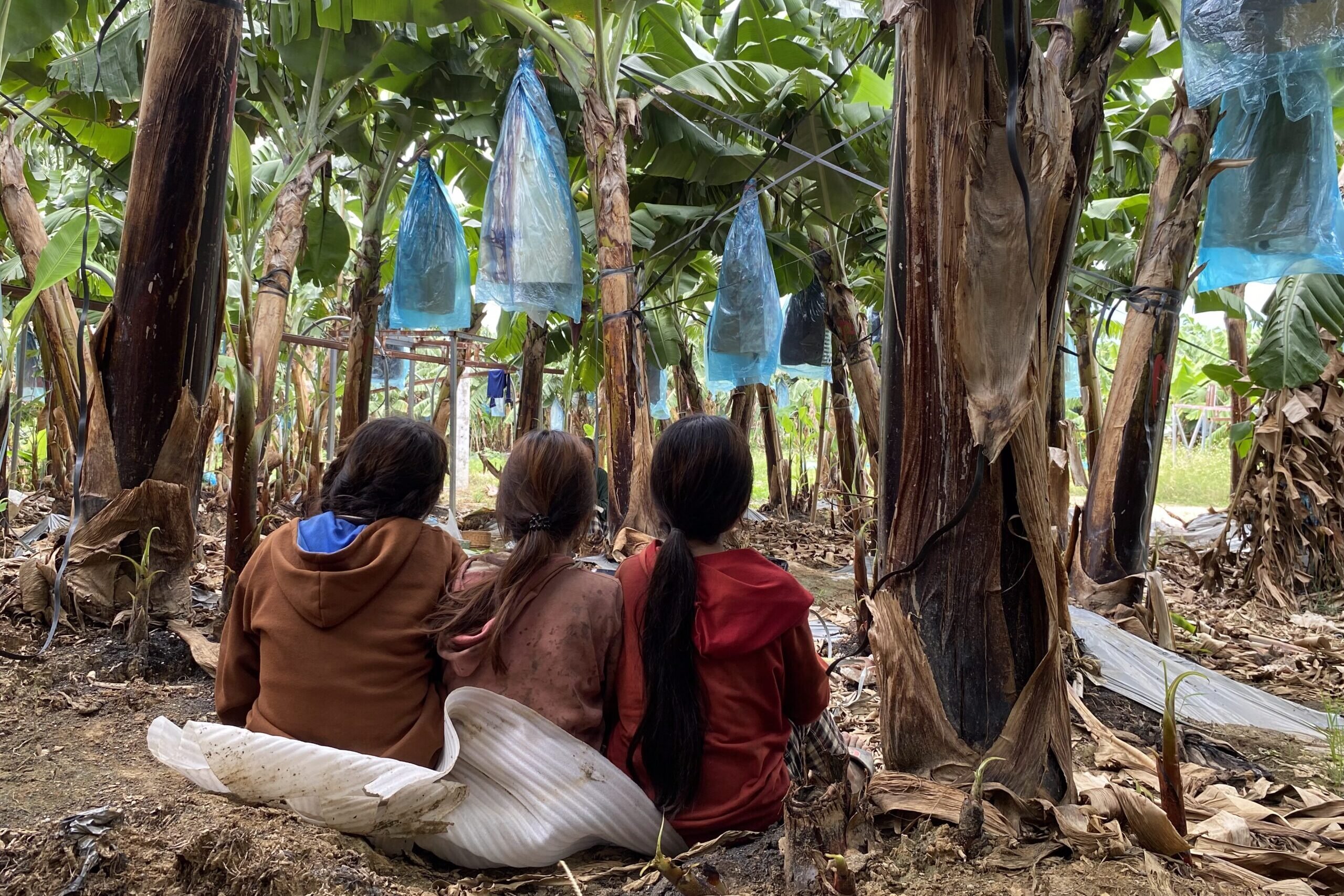
Young Hmong workers rest after long hours of labor on a banana plantation in Oudomxay province, northern Laos. Many, including children under 15, face direct exposure to hazardous agricultural chemicals used in the plantations.
A 2017 study, conducted with the Lao government’s involvement, found that agricultural chemicals – used intensively and without consistent management on banana plantations – had poisoned rivers and soil, and harmed the health of residents and plantation workers.
Among the chemicals identified were paraquat – a highly toxic herbicide banned in several countries, including Laos and China – and chlorothalonil, a hazardous substance banned in the EU in 2020 due to its potential to pollute groundwater and cause cancer.
Facing the issue, an official from the Ministry of Industry and Commerce verbally stated in early 2017 that the Prime Minister’s Office had ordered a ban on all commercial banana cultivation, according to the Laos News Agency. However, our reporter was unable to find any official orders on public platforms dating back to 2016.
Jonathan Hanitzsch rests after collecting trash off the coast of Hon Mot Island on Feb. 7, 2025, in Nha Trang, Vietnam. (AP Photo/Yannick Peterhans)
By YANNICK PETERHANS and ANIRUDDHA GHOSALUpdated 9:02 AM GMT+7, March 5, 2025Share
NHA TRANG, Vietnam (AP) — The gentle waves off the coast of central Vietnam’s Nha Trang obscure an open secret: The life-giving coral reefs below are dying. The waters are eerily devoid of fish. The bounty of the ocean is coming to an end.
This is why Binh Van — who fished in these waters for over two decades — now charters his boat to Vietnamese tourists wanting to experience the thrill of fishing in the deep waters of the South China Sea. But there is only squid, which is flourishing in oceans warmed by climate change, to catch. His passengers don’t mind as the boat moves away from Nha Trang’s twinkling beach resorts. But Van is pensive.
Nguyen Tuan Hai drives Rainbow Diver’s boat to Madonna Rock, Feb. 7, 2025, in Nha Trang, Vietnam. (AP Photo/Yannick Peterhans)
It wasn’t always like this. There was a time when he’d catch 70 kilograms (154 pounds) of fish, like tuna and grouper, in one night. He can’t make money on the squid.
At the Third UN Ocean Conference in Nice, the “catch of the day” wasn’t a seabass or a red mullet – it was a figure: 35 per cent. That’s the share of global fish stocks now being harvested unsustainably, according to a new UN report released Wednesday.
As yachts bobbed gently and delegates streamed by in a rising tide of lanyards and iPads at Port Lympia, Nice’s historic harbor, that statistic sent a ripple through the conference’s third day – a stark reminder that the world’s oceans are under growing pressure from overfishing, climate change and unsustainable management.
[VOV2] – Trong quá trình công nghiệp hóa, hiện đại hóa đất nước, việc phát triển gắn với bảo tồn biển Việt Nam vẫn còn gặp nhiều khó khăn, thách thức. Suy giảm tài nguyên là kết quả của một loạt nguyên nhân khác nhau, cả chủ quan và khách quan.
Việt Nam hiện có dân số khoảng gần 100 triệu người với tốc độ gia tăng 1,14%/năm. Do đó, xu hướng tiến ra biển, khai thác tiềm năng và làm giàu từ biển là xu thế tất yếu. Tuy nhiên, hoạt động khai thác tài nguyên biển của Việt Nam hiện đang chủ yếu tập trung vào các mục tiêu phát triển kinh tế mà chưa chú trọng tới công tác bảo tồn, chưa có quy hoạch phát triển cụ thể.
World leaders have renewed calls for a global moratorium on deep-sea mining at the 2025 U.N. Ocean Conference (UNOC) in Nice, France, as the U.S. moves to mine the deep sea in international waters under its own controversial authority.
Four additional countries have joined the coalition of nations calling for a moratorium, precautionary pause, or ban on deep-sea mining, bringing the total number to 37.
The U.S., which did not have an official delegation at UNOC, is pushing forward with its plans to mine in international waters — a decision that has drawn criticism from the international community.
A deep dive into the rationale behind some of Asia’s reclamation projects, the toll they take on our environment and communities, and the search for more sustainable alternatives.
Reclamation is seen as a solution for countries to deal with increasing land demands, by expanding their territory and rehabilitating previously uninhabitable lands or seas. Yet, the process guzzles an alarming amount of sand, causing massive environmental damage as well as a rise of transnational criminal syndicates trading in illegal sand.
Coastlines, ecosystems, and entire populations are now facing adverse impacts due to increased sand-mining activity, with one of the major driving forces being land reclamation. This practice of creating new land at sea is often touted as a solution to urban expansion and climate change.
More than 40 coral nurseries and two restoration areas of a total 8,000sq.m have been planted to fill in the damaged coral reefs off Chàm Islands, achieving a survival ratio of 80 per cent.
ALL SMILES: A visitor prepares a coral branch to be replanted at a coral restoration site in the water off Chàm Islands. VNS Photo Công Thành
Giữa tháng 10/2023 Cơ quan An ninh điều tra – Công an tỉnh Kiên Giang đã ra Quyết định khởi tố bị can, thực hiện Lệnh bắt tạm giam đối với Trần Văn Luyến (sinh năm 1981 – ngụ phường Vĩnh Bảo, TP. Rạch Giá) và Phạm Chí Dũng (sinh năm 1965, ngụ xã Mỹ Lâm, huyện Hòn Đất, tỉnh Kiên Giang) về tội “Tổ chức cho người khác xuất cảnh trái phép” theo khoản 3 Điều 348 Bộ luật Hình sự.
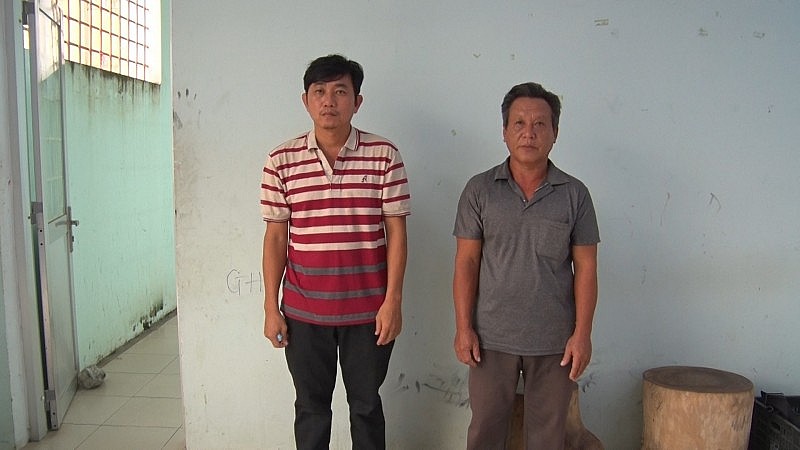
Trần Văn Luyến (bên trái) bị bắt giữ và khởi tố
Theo cơ quan Công an, để điều tra xử lý vụ việc nêu trên, Cục Cảnh sát hình sự- Bộ Công an đã cử một tổ công tác gồm những cán bộ, điều tra viên nhiều kinh nghiệm phối hợp với Công an tỉnh Kiên Giang tổ chức điều tra. Ban chuyên án xác định việc các đối tượng đưa tàu, thuyền viên ra vùng biển nước ngoài đánh bắt hải sản có dấu hiệu hành vi “Tổ chức, môi giới cho người khác xuất cảnh trái phép”.
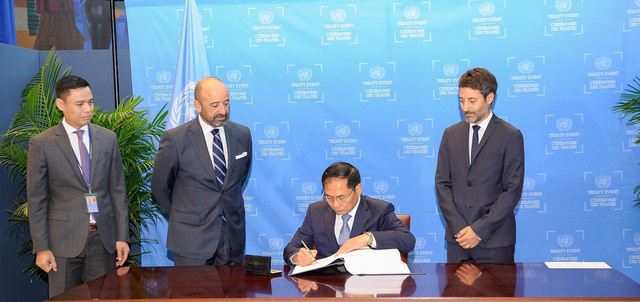
Hiệp định về biển cả là văn kiện đầu tiên điều chỉnh toàn diện việc khai thác, chia sẻ lợi ích và bảo tồn nguồn gen biển tại các vùng biển quốc tế. Việt Nam là một trong những nước đầu tiên ký hiệp định trong khuôn khổ Tuần lễ cấp cao Đại hội đồng LHQ.
Bộ trưởng Bộ Ngoại giao Bùi Thanh Sơn ký Hiệp định về bảo tồn và sử dụng bền vững đa dạng sinh học ở vùng biển nằm ngoài quyền tài phán quốc gia – Ảnh: VGP
Sáng 20-9 (giờ New York, Mỹ), trong khuôn khổ hoạt động của Tuần lễ cấp cao Đại hội đồng Liên Hiệp Quốc khóa 78, Bộ trưởng Bộ Ngoại giao Bùi Thanh Sơn đã ký Hiệp định về bảo tồn và sử dụng bền vững đa dạng sinh học ở vùng biển nằm ngoài quyền tài phán quốc gia (Hiệp định về biển cả).
Minister of Foreign Affairs Bui Thanh Son signs the High Sea Treaty, a United Nations agreement on the conservation and sustainable use of marine biological diversity of areas beyond national jurisdiction. Photo by Thu HongVietnam on Wednesday signed the United Nations agreement on the conservation and sustainable use of marine biological diversity of areas beyond national jurisdiction, the High Sea Treaty.
The signing by Minister of Foreign Affairs Bui Thanh Son made Vietnam one of the first countries to sign the international-legally binding instrument under the 1982 United Nations Convention on the Law of the Sea (UNCLOS). It conveyed the message that Vietnam is a positive and responsible member of the international community as well as the country’s efforts to join hands with countries to deal with global issues, contributing to peace, prosperity and sustainable development.
More than 60 countries are scheduled to sign the agreement during the underway high-level week of the 78th UN General Assembly.
As coral reefs and marine life disappear, efforts to save them are underway, but is it too late?
Coral die-off in Hon Mun, Nha Trang. PHOTO: Konstantin Tkachenko.
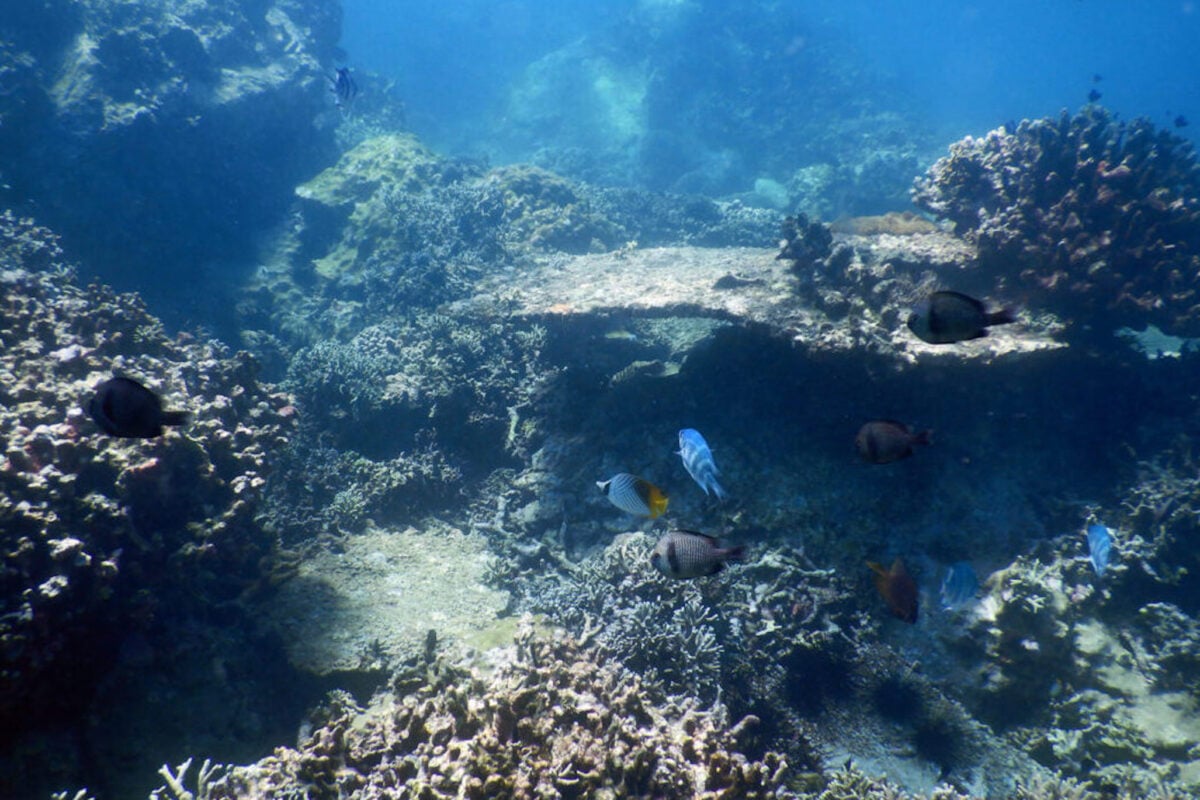
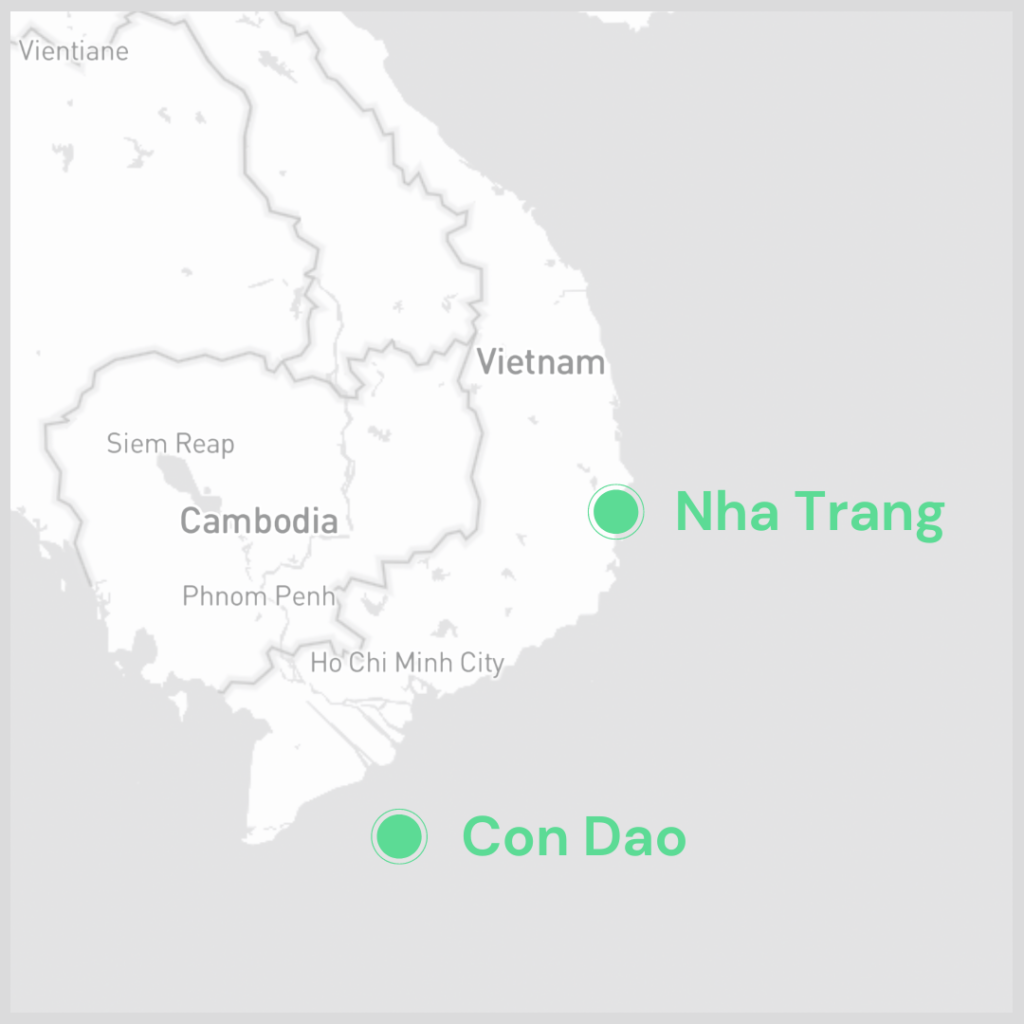
NHA TRANG, VIETNAM ― In Hon Chong, one of Vietnam’s last coral reefs, colorful schools of fish have become distant memories. These days, only small fish lurk behind bleached coral formations, a stark difference from the way some travel brochures depict the place.
Half an hour by boat from Hon Chong is Hon Mun, a marine conservation site once home to more than 340 coral species, and valued at approximately US$70 million for its biodiversity in 2005.
About 10 years before the Covid-19 pandemic, professional divers started noticing a gradual depletion of the coral reefs in the area. They had hoped that lockdowns and border closures would alleviate stress from tourism and revive the reef.
Source: Mapbox
“After two years [of Covid-19], I was speechless to see the ocean bed so empty, the coral all bleached,” photographer Na Son, a diver who has made hundreds of trips down to Hon Mun’s ocean bed, told Mekong Eye in June 2023. Last June, Na Son was one of many divers who spoke to local media about Hon Mun’s alarming coral depletion.
Coral reefs are considered to be one of Vietnam’s national treasures, as the country boasts one of the world’s most diverse ecosystems with 355 species, according to data from the World Resources Institute.
Yet across the country, vital coral reserves are depleting at such an alarming rate that frenzied attempts to salvage what remains are likely to be insufficient to restore the ecosystems.
TTCT – Với đà suy giảm hiện nay, nhiều rạn san hô lộng lẫy rồi sẽ chỉ còn là quá khứ. Là nơi cư trú lý tưởng, là mái nhà trú ẩn, là bãi đẻ cho hàng nghìn loài sinh vật biển, sự suy giảm của san hô mang tới nỗi vô vọng về tương lai của môi trường và nguồn sống.
Mùa hè năm ngoái tôi đưa con đi biển Đà Nẵng. Bước vào cửa khách sạn, con reo lên đòi chụp ảnh với một cây san hô trắng muốt trưng bày giữa sảnh. “Nhành san hô này có khi đã cả trăm tuổi đấy, vì mỗi năm loài này chỉ nhích lên được vài centimet thôi” – tôi nói với con.
Ăn vào tương lai
Một bài học về biển cả mà đứa trẻ bảy tuổi cũng có thể nhắc là rạn san hô là một trong những mái nhà nuôi nấng nguồn lợi biển. Mất rạn san hô không chỉ là mất một vẻ đẹp lộng lẫy của biển cả, mà còn gây ra sự đứt gãy sinh thái lớn hơn rất nhiều, thậm chí gây khủng hoảng cho cả hệ sinh thái ở các bãi, đảo, vịnh trù phú mà con người đang có.
Mất rạn san hô là mất nơi cư trú, nơi sinh sống của các cộng đồng sinh vật có mối liên kết chặt chẽ với nhau: trên rạn có tảo cộng sinh để quang hợp, tạo ra năng suất sơ cấp cho các loài cá ăn tảo, tiếp theo là các loài cá ăn thịt, tạo dây chuyền thức ăn. Rạn san hô không còn thì chuỗi thức ăn đứt gãy, không chỉ nguồn lợi, sản lượng sinh vật có thể khai thác cũng biến mất theo mà chất lượng môi trường biển cũng suy tàn.

.png)
.png)


 CVD
CVD 