Tran Van Thoi District of the Mekong Delta’s Ca Mau Province has suffered around 340 cases of subsidence and soil erosion along river and canal routes in the past two months.
Nearly 100 meters of embankment in front of the office of Khanh Hung Commune in Tran Van Thoi District experienced severe subsidence on Feb. 20, with the deepest collapse measured at 2 m.
Since the beginning of the year, the district has recorded about 340 cases of subsidence and soil erosion, stretching a total length of 9 km, and causing damages of over VND13 billion (US$528,000).
TTCT – Câu chuyện trồng rừng của anh A Râl Diêu, sinh năm 1997, ở xã Chà Val, huyện Nam Giang, tỉnh Quảng Nam.
Diêu và con gái
Là người Cơ Tu, sinh ra và lớn lên ở dãy Trường Sơn hùng vĩ và huyền thoại, từ nhỏ mình đã theo chân cha đi rừng, nghe cha kể chuyện rừng sâu nơi không ai dám tới.
Năm 2015, mình đậu Đại học Nông lâm Huế chuyên ngành lâm nghiệp. Bỏ lại rừng núi phía sau, mình gói ghém đồ đạc ra đi với mong muốn thay đổi cuộc đời.
Bất chấp các quy định nghiêm ngặt của EU về tái chế nhựa, đường đi của chất thải nhựa được vận chuyển từ EU đến Việt Nam lại không được giám sát chặt chẽ. Một tỷ lệ lớn nhựa xuất khẩu của châu Âu không thể tái chế và bị thải ra ngoài tự nhiên.
Nếu muốn rừng ngập mặn cứu chúng ta thì trước tiên chúng ta phải cứu rừng.
“Ấp Âu Thọ A: đi tuần tra, phát hiện một vụ đào đồm độp (hay còn gọi là sâm đất) trong rừng; Ấp Âu Thọ B: phát hiện chặt 2 cây rừng về làm củi đốt; Ấp Trà Sết: đi tuần tra phát hiện chặt 20 cây đước; cây ở khu vực rừng mới trồng bị sâu ăn lá nhưng vẫn đang mọc lên bình thường…”
Một buổi sáng tháng 10, dù bận rộn vụ thu hoạch lúa và xuống hành giống nhưng các thành viên trong tổ bảo vệ rừng cộng đồng ở xã Vĩnh Hải – Hạt Kiểm lâm Vĩnh Hải, thị xã Vĩnh Châu, Sóc Trăng vẫn có mặt và báo cáo việc bảo vệ rừng chính xác đến… từng cây một.
Hạt Kiểm lâm Vĩnh Châu chỉ có vỏn vẹn chín người nhưng phải quản lý rừng trên một khu vực rộng lớn khắp cả Vĩnh Châu đến sát tỉnh Bạc Liêu nên cần dựa vào tổ bảo vệ rừng cộng đồng. Do chưa có chính sách giao đất giao rừng và yêu cầu từng hộ được giao đất phải chịu trách nhiệm bảo vệ rừng trong khoảnh được giao khoán nên những “tai mắt nhân dân” trong tổ bảo vệ rừng – thường là những hộ sống ở ven rừng, phải tuần tra, để ý liên tục “nghe tiếng tiếng búa đốn là tới ngay”.
Hue, Vung Tau, and Quy Nhon have been awarded the ASEAN Clean Tourist City Awards 2024, recognized for their commitment to cleanliness, managing waste, and promoting environmental awareness.
The award ceremony is part of the ASEAN Tourism Forum 2024, held in the Laos capital Vientiane, from Jan. 22 – 27.
These three destinations have been honored with the ASEAN Clean Tourism City award before. Quy Nhon earned the award in 2020, while Vung Tau and Hue have each claimed the award three times previously.
An aerial view of the Hue Citadel in central Vietnam. Photo by VnExpress/Nguyen Trung Thanh
More than 40 coral nurseries and two restoration areas of a total 8,000sq.m have been planted to fill in the damaged coral reefs off Chàm Islands, achieving a survival ratio of 80 per cent.
ALL SMILES: A visitor prepares a coral branch to be replanted at a coral restoration site in the water off Chàm Islands. VNS Photo Công Thành
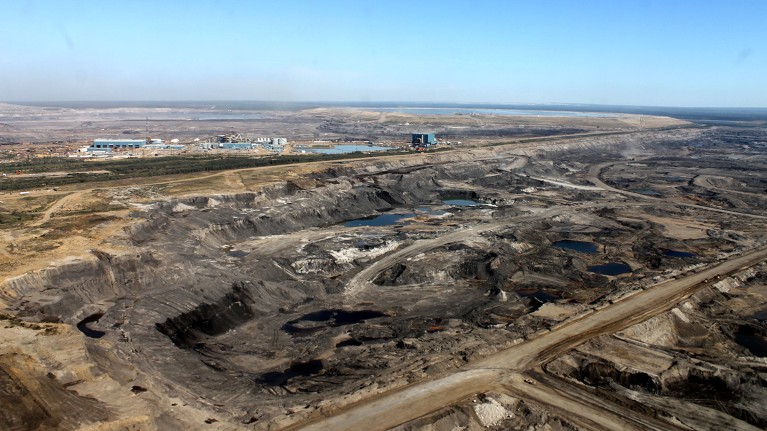
Innovative aircraft-based technique records carbon emissions not tracked before from the industrial region
Researchers flew an aeroplane over the oil sands in Alberta, Canada, to measure all of their carbon-based emissions. Credit: John Liggio, Andrea Darlington and Andrew Elford
Canada’s controversial oil-producing tar sands generate a substantial amount of unaccounted-for carbon-based emissions that can affect air quality, according to measurements taken by aircraft. The sands release more of these pollution-causing gases than megacities such as Los Angeles, California, and about the same as the rest of Canada’s human-generated sources combined — including emissions from motor traffic and all other industries.
“No rules have been broken, or guidelines exceeded here,” says Janetta McKenzie, an oil and gas analyst for the Pembina Institute, a think tank in Calgary, Canada. “But that speaks to some issues in our rules and our guidelines.”How a dangerous stew of air pollution is choking the United States
The team that conducted the study — led by environmental engineer Drew Gentner at Yale University in New Haven, Connecticut, and chemist John Liggio at the federal agency Environment and Climate Change Canada (ECCC) in Toronto — used an innovative approach to measure all the carbon-based molecules in the air over oil sands in the province of Alberta. The researchers factored out greenhouse gases such as carbon dioxide and instead tracked only molecules important to air quality, many of which haven’t been monitored at the oil sands before. These carbon-based gases can seed particulate pollution in the air and react with other chemicals to form ground-level ozone.
Wolves and black-billed magpies scavenge at a dump where carcasses are stored in Yellowstone National Park.
PUBLISHED JULY 10, 2020
LARAMIE, WYOMINGTwenty-five years after gray wolves returned to Yellowstone National Park, the predators that some feared would wipe out elk have instead proved to be more of a stabilizing force. New research shows that by reducing populations and thinning out weak and sick animals, wolves are helping create more resilient elk herds.
Sự suy giảm nghiêm trọng của không gian sinh tồn là đại ngàn và sự bất trắc của thiên tai, biến đổi khí hậu đã khép chặt vòng lặp đói nghèo ở người dân tộc thiểu số. Liệu có lối thoát cho họ?
Bơ vơ trong không gian sinh tồn
“Lúc chập tối, tầm 7 giờ, cả nhà đang ăn cơm thì mưa to, tôi nghe tiếng sạt ở nhà bên cạnh nên cầm đèn pin soi xung quanh thấy ầm ầm toàn cây, nước và đất đá đen sì đổ từ phía bản Đề Sủa (xã Lao Chải) về nên gọi vợ con bế hai đứa cháu chạy lên núi. Tôi chẳng kịp mặc thêm áo, chỉ mặc mỗi cái quần, tay cầm điện thoại, đèn pin và cây gậy to đi khắp các nhà trong khu, đập cửa, hô hoán “có chạy không là chết, lũ về” ”.
“Không kịp mang theo cái gì ngoài cái thân mình thôi”, A Lầu kể lại điều diễn ra trong ngày mà ông và dân làng không bao giờ quên, ngày 5 tháng 8, “Không kịp nghĩ gì nữa, phản xạ lao ra khỏi nhà. Không có đường, cứ bò, men theo núi”, trong đêm đen, A Lầu cùng 47 hộ trong bản Trống Là, sát ven suối Nậm Kim của xã Hồ Bốn, huyện Mù Cang Chải, Yên Bái, vượt núi đến gần sáng mới tới được bản Nả Tà trú ẩn.
Gia đình A Lầu vẫn còn may mắn hơn hàng xóm Cứ A Tùng và Giàng Thị Chù. Trong cơn tứ tán, gia đình A Tùng chạy vào trạm y tế xã vì ngỡ nơi đây kiên cố nhưng rồi lũ tiếp tục cuốn vào, hai vợ chồng bế hai đứa trẻ vội băng qua suối “nước dâng tới bụng, tới lưng” người lớn và quay lại đã không còn thấy bố của Tùng nữa. Hai ngày sau, người ta tìm thấy ông ở thủy điện Huội Quảng, huyện Mường La, Sơn La.
Environmental activists from the Irish Wildlife Trust and Extinction Rebellion called on the Irish Government to introduce legislation in the form of a Biodiversity Act at a protest outside the National Biodiversity Conference in Dublin Castle on June 8, 2022. Credit: Niall Carson/PA Images via Getty Images
Ireland—a nation synonymous with its abundant, verdant landscapes—is considering a nationwide referendum on the rights of nature and the human right to a healthy environment.
If that happens, Ireland would become the first European country to constitutionally recognize that ecosystems, similar to humans and corporations, possess legal rights. More than two-thirds of the 27 European Union countries already recognize a universal human right to a healthy environment.
In December, a legislative committee proposed that the Irish government take a series of administrative measures to draft proposed constitutional amendments recognizing that nature has inherent rights to exist, perpetuate and be restored, and that humans have a right to a clean environment and stable climate.
To take legal effect, the proposed amendments must be approved by both houses of parliament, the Dáil Éireann (the lower house) and the Seanad (the upper house), and win a majority of the popular vote.
2023 marked a significant milestone for the forestry sector as Việt Nam successfully sold 10.3 million forest carbon credits (10.3 million tonnes of CO2) for the first time through the World Bank (WB) for US$51.5 million, said Deputy Minister of Agriculture and Rural Development Nguyễn Quốc Trị.
Forests in Quảng Bình. This province would transfer more than 2.4 million carbon credits to earn about VNĐ235 billion in the 2023-25 period. — VNA/VNS Photo Võ Dung
Dòng nước ngọt của TP HCM khởi nguồn từ Lâm Đồng – thượng nguồn sông Đồng Nai; và Bình Phước – nơi bắt đầu của sông Sài Gòn
Thượng nguồn hai con sông được chặn dòng, tạo thành hồ Dầu Tiếng và hồ Trị An, làm nhiệm vụ điều tiết nước. Trong đó, Dầu Tiếng là hồ thuỷ lợi được xây dựng từ thập niên 80.
Hồ Dầu Tiếng và hồ Trị An là hai nguồn nước ngọt chính của hơn 10 triệu dân TP HCM, có tổng lượng nước bằng khoảng 5 triệu bể bơi Olympic (830 m3).
Lưu vực sông Sài Gòn – Đồng Nai chảy qua 10 tỉnh, thành trước khi đến TP HCM và nằm hoàn toàn trong Vùng kinh tế trọng điểm phía Nam – nơi có hơn 140 khu công nghiệp, khu chế xuất và 20 triệu dân.
Thông qua hai trạm bơm Hoà Phú và Hoá An, nước thô được lấy từ sông chuyển qua các nhà máy xử lý, cung cấp nước tới 94% dân số thành phố. 6% còn lại là nguồn nước ngầm.
Nước thô sau khi xử lý tại hai cụm nhà máy, được phân phối về 2,14 triệu hộ gia đình thông qua mạng lưới đường ống hơn 8.200 km, dài nhất Việt Nam.
Cái giá của sự phát triển
“Có váng dầu ngoài bờ sông”. Thông báo ngắn gọn lúc 6h ngày 20/3/2022 khiến ông Đinh Xuân Hòa tỉnh ngủ, lao đến Trạm bơm Hoá An, cách trung tâm thành phố gần 30 km.
“Đó là chủ nhật căng thẳng nhất trong 33 năm sự nghiệp làm trưởng trạm bơm của tôi”, ông Hòa nói về lần đầu tiên ứng phó sự cố tràn dầu.
5 nhân viên sống gần trạm được huy động. Giám đốc Nhà máy nước Thủ Đức từ trung tâm thành phố lập tức đến hiện trường.
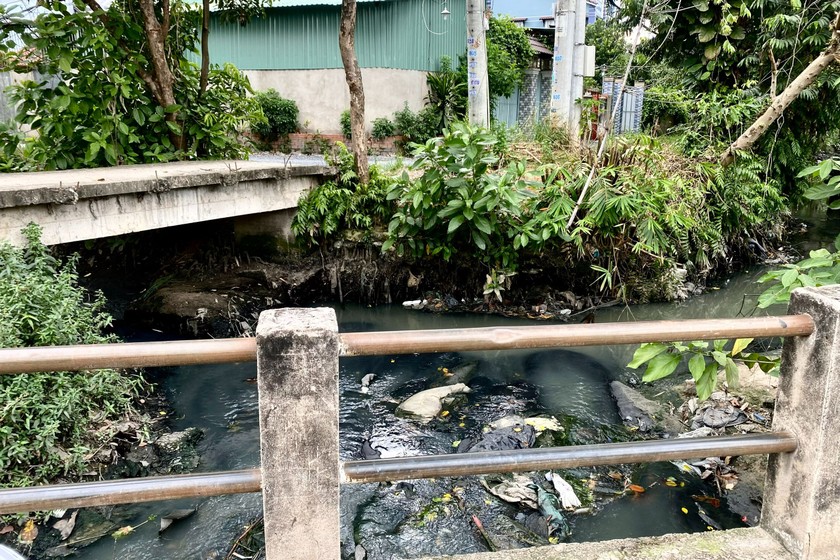
Một con kênh nhỏ nước đen bốc mùi khó chịu trong khu dân cư ở TP Thủ Đức, TP HCM. (Ảnh: Ngọc Mai)
(PLVN) – Nhiều kênh rạch tại TP HCM đang trong tình trạng ô nhiễm, tái ô nhiễm. Cư dân ở những khu vực này không những phải chịu hoàn cảnh sống “nghẹt thở” mà còn đối mặt với nguy cơ dịch bệnh.
Khổ vì kênh nước đen
Nhiều người dân khu vực rạch Văn Thánh, Bình Thạnh, TP HCM lâu nay đã phải sống cạnh một dòng kênh đen nghịt, bốc mùi khó chịu. Nguyên nhân do tình trạng bồi lấp dòng và lấn chiếm dòng rạch kéo dài, con rạch không có khả năng thoát nước, gây ùn ứ và rác thải.
Ivory seized from a smuggler is destroyed in Da Nang City, Dec. 28, 2023. Photo by VnExpress/Ha Hoai
Nearly 10 tons of endangered animal parts from Africa, including ivory and rhino horns that were seized from a smuggler in Da Nang City, have been incinerated.
A court in the central city ruled Thursday to burn 456.9 kg of elephant tusks, 140 kg of rhino horns, 6.2 tons of pangolin scales, and 3.1 tons of lion bones.
The animal parts, which would cost an estimated VND300 billion (US$12.36 million) on the black market, were seized from Nguyen Duc Tai, 33, a Da Nang resident.





 CVD
CVD 