Global warming is heating up the Arctic, and global powers like the United States, Russia and China are manoeuvring to stake a claim to the resources under its melting ice. Some experts say the region, once known as an exception – an island of international cooperation in the midst of geopolitical struggles – is becoming the site of a second cold war.
The Arctic may seem like a frozen and desolate environment where nothing ever changes. But the climate of this unique and remote region can be both an early indicator of the climate of the rest of the Earth and a driver for weather patterns across the globe. William Chapman explains why scientists often describe the Arctic as the “canary in the coal mine” when it comes to climate change
Chủ tịch Hội thủy lợi Việt Nam cho biết trước đây khi ngành thủy lợi làm quy hoạch cho các lưu vực ở miền Trung, sông nào cũng có dung tích phòng lũ. Song khi thay đổi đầu mối quản lý, với việc xây dựng ồ ạt nhiều dự án thủy điện, các bộ ngành phối hợp không chặt chẽ, nên dung tích phòng lũ ở miền Trung gần như không có hoặc không đáng kể.
Nhật ký lũ trên cột nhà ông Nguyễn Văn Biên (82 tuổi) ở Hội An, Đà Nẵng, năm nay khắc thêm một dấu mốc mới – 2025, vượt tất cả năm lịch sử ông từng ghi dấu trước đó – 1964, 1999, 2007, và 2009.
Trận lũ Giáp Thìn diễn ra 61 năm trước vẫn là nỗi ám ảnh với ông Biên. Nước lũ ngập quá căn nhà cổ một tầng. Chàng thanh niên 20 tuổi cùng cha mẹ vác theo 3 kg gạo, gói vài bộ áo quần, bơi qua trú tạm ở căn nhà hai tầng đối diện. Họ thất thần nhìn dòng nước lũ nhấc bổng những căn nhà tranh, và cuốn trôi không ít phận người xấu số.
“Không có ngôi nhà hai tầng đó, chắc mình cũng giống họ”, ông nhớ lại.
Không ai thống kê số người tử nạn năm đó. Nhưng ông Biên chắc chắn nó gây thiệt hại hơn cả trận “đại hồng thuỷ” năm 1999, khiến 595 người chết và mất tích tại 10 tỉnh, thành, trong đó Quảng Nam (cũ) và Đà Nẵng là 110 người.
Ký ức từ những trận lũ lịch sử trở thành bài học cho nhiều thế hệ sống nơi tâm lũ như ông Biên. Khi tích lũy đủ tiền để sửa nhà năm 2018, ông ngẫm ngập phố cổ chưa năm nào quá 3 m, nên quyết định nâng sàn tầng hai cao hơn mặt đường 4 m, và cách mặt sông Hoài chừng 5 m. Đêm 30/10, nước lũ lên nhanh, ngập đến 2,5 m cột nhà, vượt cả mốc lũ năm 1964. Lúc ấy, ông lo sợ lịch sử lặp lại, phải tính đến phương án xấu nhất sẽ gọi cứu hộ thế nào.
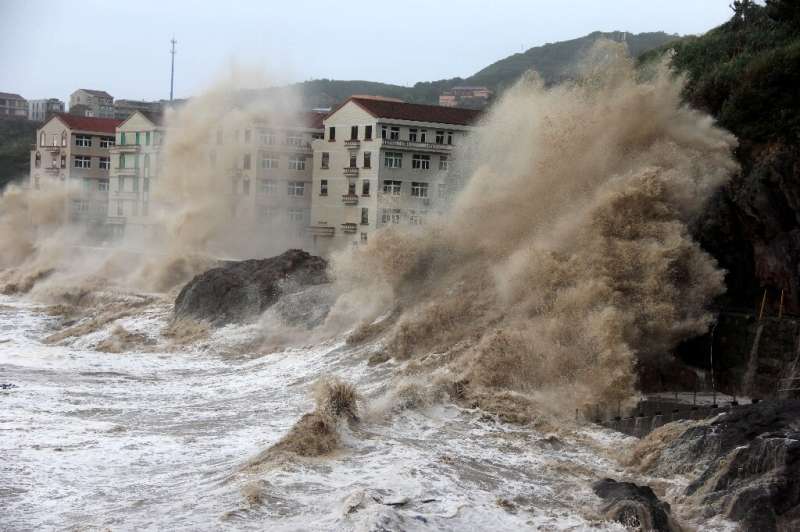
May mắn, nước chưa lên tới tầng hai, nhưng ngập đến ngày thứ 5 mới rút, ít ngày sau lại lên lại. Trong hơn 10 ngày từ 22/10 đến 3/11, người dân Hội An chạy lũ ba lần. Toàn thành phố Đà Nẵng (sau sáp nhập) ghi nhận 15 người chết và 3 mất tích, thấp hơn nhiều con số năm 1999.
BHP found liable for 2015 dam disaster by London court
Lawsuit was brought by over 600,000 Brazilians
BHP intends to appeal, says settlements cut claim in half
BHP (BHP.AX), opens new tab is liable for the 2015 collapse of a dam in southeastern Brazil, London’s High Court ruled on Friday, in a lawsuit the claimants’ lawyers previously valued at up to 36 billion pounds ($48 billion).
The Reuters Daily Briefing newsletter provides all the news you need to start your day. Sign up here.
Hundreds of thousands of Brazilians, dozens of local governments and around 2,000 businesses sued BHP over the collapse of the Fundao dam in Mariana, southeastern Brazil, which was owned and operated by BHP and Vale’s (VALE3.SA), opens new tabSamarco joint venture.
Brazil’s worst environmental disaster unleashed a wave of toxic sludge that killed 19 people, left thousands homeless, flooded forests and polluted the length of the Doce River.
A separate claim against Vale was filed in Dutch courts in 2024 on behalf of nearly 1,000 businesses and more than 77,000 individuals hit by the dam break.
Judge Finola O’Farrell said in her ruling that continuing to raise the height of the dam when it was not safe to do so was the “direct and immediate cause” of the dam’s collapse, meaning BHP was liable under Brazilian law.
BHP said it would appeal against the ruling and continue to fight the lawsuit.
BHP’s President Minerals Americas Brandon Craig said in a statement that 240,000 claimants in the London lawsuit “have already been paid compensation in Brazil”.
“We believe this will significantly reduce the size and value of claims in the UK group action,” he added.
RBC Capital Markets analyst Marina Calero said a final resolution was unlikely before 2030, with significant uncertainty around which claims would ultimately be considered valid.
“Based on BHP’s estimates of overlap with Brazil’s compensation scheme, Vale and BHP could each face roughly $2.2 billion in additional payments,” Calero said in a note.
CLAIMANTS CELEBRATE MAJOR RULING
Gelvana Rodrigues da Silva, who lost her seven-year-old son Thiago in the flood, said in a statement: “Finally, justice has begun to be served, and those responsible have been held accountable for destroying our lives.”
“The judge’s decision shows what we have been saying for the last 10 years: it was not an accident, and BHP must take responsibility for its actions,” she added.
The claimants’ lawyers accused BHP, the world’s biggest miner by market value, of “cynically and doggedly” trying to avoid responsibility as the mammoth trial began in October.
BHP contested liability and said the London lawsuit duplicated legal proceedings and reparation and repair programmes in Brazil.
In the trial’s first week, Brazil signed a 170 billion reais ($31 billion) compensation agreement with BHP, Vale and Samarco, with BHP saying nearly $12 billion has been spent on reparation, compensation and payments to public authorities since 2015.
BHP said after Friday’s judgment that settlements in Brazil would reduce the size of the London lawsuit by about half.
A second trial to determine the damages BHP is liable to pay is due to begin in October 2026.
($1 = 0.7451 pounds)
($1 = 5.4039 reais)
Reporting by Sam Tobin. Additional reporting by Clara Denina. Editing by Kate Holton and Mark Potter
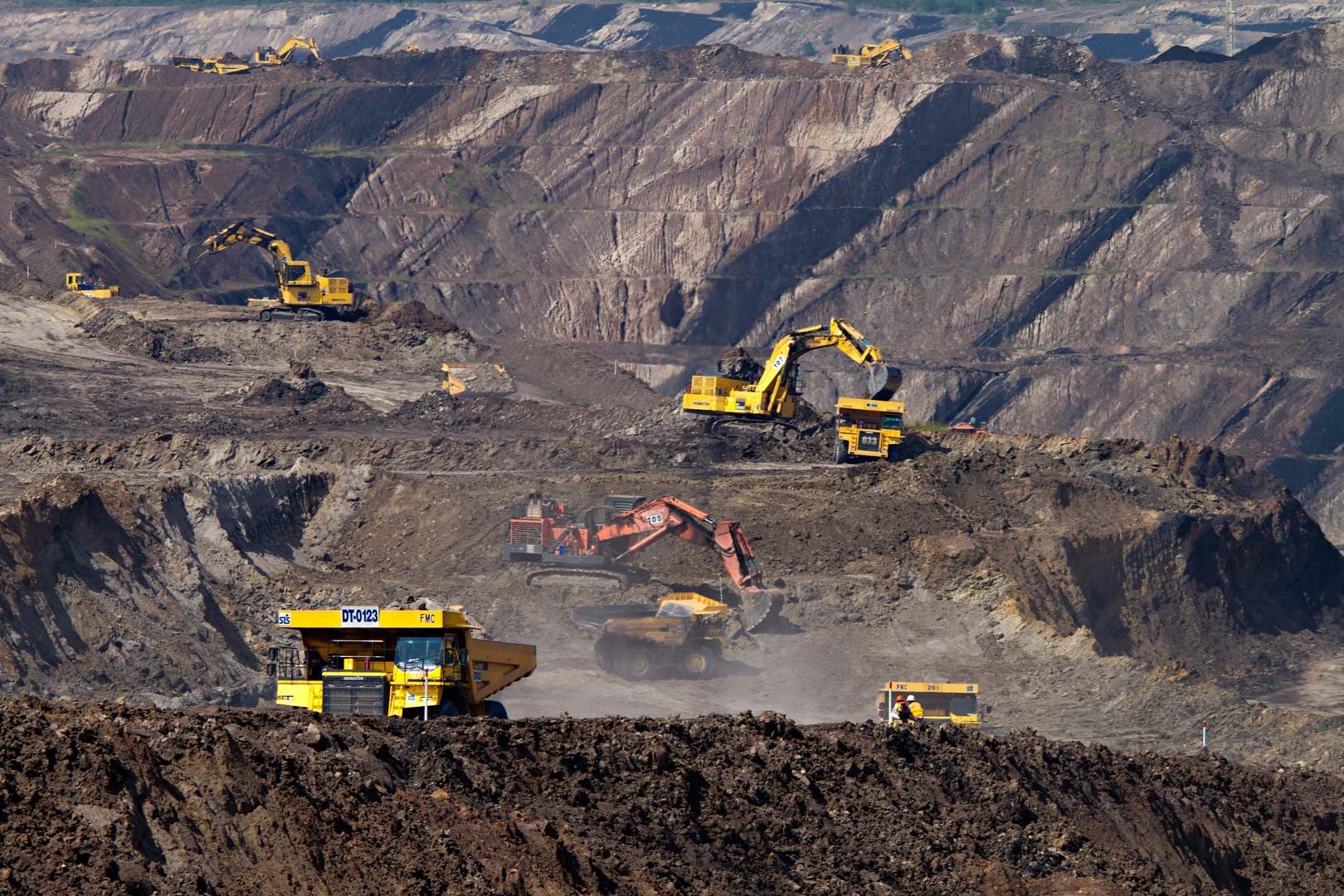
Khai thác khoáng sản đóng vai trò quan trọng trong phát triển kinh tế nhưng cũng đang để lại nhiều hệ lụy nghiêm trọng cho môi trường và hệ sinh thái ở Việt Nam. Bài viết phân tích thực trạng hoạt động khai khoáng hiện nay, đặc biệt là các sai phạm trong cấp phép, quản lý, giám sát môi trường; đồng thời đánh giá tác động tới tài nguyên, đất, nước, không khí và đa dạng sinh học.
LTS: Khai thác khoáng sản là một trong những ngành kinh tế quan trọng, góp phần không nhỏ vào sự phát triển công nghiệp và tăng trưởng GDP của Việt Nam. Tuy nhiên, cùng với những lợi ích kinh tế to lớn, hoạt động khai thác khoáng sản cũng đang đặt ra nhiều thách thức nghiêm trọng đối với môi trường và đời sống cộng đồng. Từ ô nhiễm không khí, đất, nguồn nước, cho đến suy giảm đa dạng sinh học và nguy cơ sạt lở đất, những hệ lụy môi trường do khai thác khoáng sản gây ra ngày càng hiện hữu và khó có thể xem nhẹ.
Hiện cả nước có trên 80 khu vực lấn biển, trong đó có khoảng trên 70 khu vực/dự án thuộc loại hình lấn biển, còn lại là các dự án đê chắn song, đường ống dẫn dầu…; có 19 tỉnh, thành phố ven biển phát triển các dự án lấn biển, với mục đích xây dựng cầu cảng, phát triển quỹ đất để xây dựng khu đô thị (KĐT), dân cư, du lịch, nghỉ dưỡng, khu công nghiệp… tiêu biểu như: Dự án đầu tư xây dựng, kinh doanh cơ sở hạ tầng khu công nghiệp – cảng biển – phi thuế quan Nam Đình Vũ (Hải Phòng), diện tích 1.329 ha; KĐT phức hợp Hạ Long Xanh tại thị xã Quảng Yên và TP. Hạ Long, với tổng diện tích đất ước tính khoảng 4.109,64 ha; KĐT du lịch Hùng Thắng (Bãi Cháy – Quảng Ninh), diện tích 224 ha; KĐT mới Hạ Long Marina (Hạ Long – Quảng Ninh), diện tích 230 ha; KĐT quốc tế Đa Phước (Đà Nẵng), diện tích 210 ha; KĐT sinh thái biển Phương Trang New Town (Đà Nẵng), diện tích 117 ha; KĐT mới Rạch Giá (Kiên Giang), diện tích 420 ha; Dự án Khu đô thị du lịch Cần Giờ, TP. Hồ Chí Minh, diện tích 2.870 ha [5].
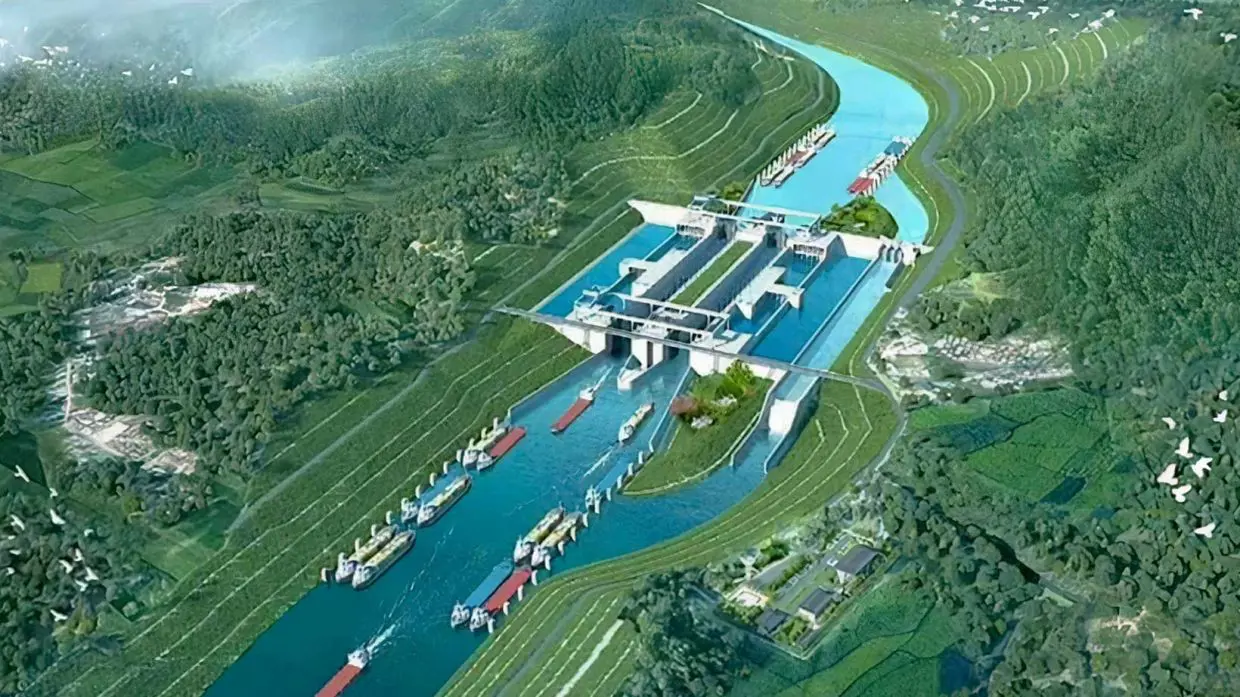
PHNOM PENH, Cambodia (AP): Cambodia and China have signed a US$1.2 billion deal to finance an ambitious canal project that aims to boost trade efficiency by linking a branch of the Mekong River near Phnom Penh to a port on the Gulf of Thailand, the Cambodian government agency heading the project has announced,
The deal to fund the Funan Techo Canal was signed Thursday during the state visit to Cambodia of Chinese President Xi Jinping, the agency said in a news release. Xi returned home Friday after a three-nation Southeast Asian tour that also included Vietnam and Malaysia.
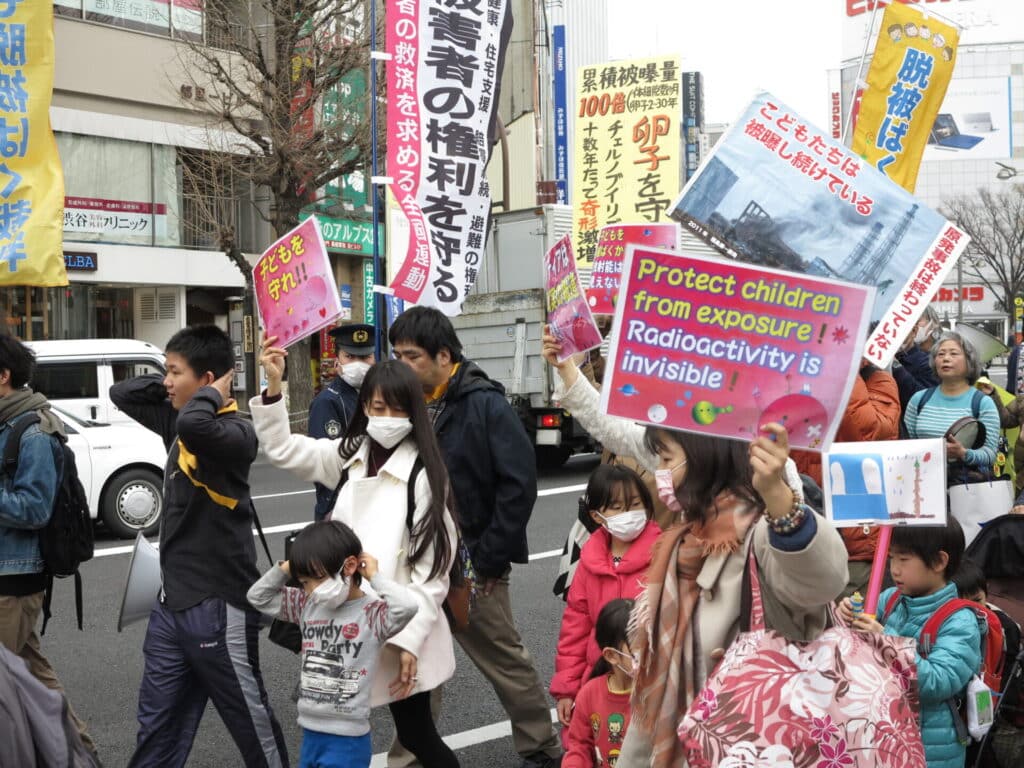
Mothers march in Tokyo against radiation exposure risks five years after the Fukushima nuclear disaster on March 5, 2016. (Photo by Maxime Polleri)Share
In a bid to dispel seafood worries around the release of Fukushima nuclear wastewater into the ocean, Japan’s Prime Minister Fumio Kishida ate an array of sashimi late in August; the raw fish ranged from flounder to sea bass caught in the Fukushima area. It is “safe and delicious,” he joyfully declared during a public relations effort to revitalize the fishing industry, which has been affected by a Chinese seafood ban and consumer anxieties over the wastewater release.
Many applauded Kishida’s comment, which echoes the same government narrative around post-Fukushima food safety, as well as his firm support for the release of tritium-contaminated water—a discharge process that the International Atomic Energy Agency stated complies with operational safety limits for radiation.
But as someone who studied the aftermath of the Fukushima nuclear disaster for more than a decade, I believe that this decision will irreversibly erode public trust and create irreparable long-lasting tensions. During my years of research in Japan as an anthropologist, I witnessed first-hand how state policies around Fukushima’s economic recovery are fragmenting communities, which constitutes an enduring catastrophe of its own.
Home – là một bộ phim tài liệu bởi đạo diễn Yann Arthus-Bertrand, ra mắt vào ngày 5/6/2009 nhân Ngày môi trường thế giới. Bộ phim được quay trong vòng 18 tháng, tại 54 quốc gia, với một chiếc máy quay Cineplex & tốn chi phí 12 triệu USD. Bộ phim khắc họa nguồn gốc và đa dạng sự sống trên Trái Đất cũng như mối đe dọa từ các hoạt động của con người tới sự cân bằng sinh thái Trái Đất. Phim lập kỷ lục công chiếu trên hơn 50 quốc gia trên các kênh truyền hình và Youtube
Không có bất cứ hàng hóa và sản phẩm nào được phép đưa vào thị trường châu Âu nếu chúng được sản xuất trên đất bị chặt phá rừng hay suy thoái rừng…
Sản phẩm sản xuất trên đất chặt phá rừng sẽ không được phép vào thị trường châu Âu. Ảnh: UNDP
Ngày 24/2, Chương trình Phát triển LHQ (UNDP), Liên minh châu Âu, và Tổng cục Lâm nghiệp trực thuộc Bộ Nông nghiệp và Phát triển nông thôn phối hợp tổ chức hội thảo kỹ thuật về sản xuất và thương mại nông sản không gây mất rừng.
Hội thảo là cơ hội để đại biểu lắng nghe ý kiến đa dạng từ các diễn giả với hiểu biết và kinh nghiệm quý giá liên quan tới sản xuất và thương mại nông sản không gây mất rừng.
Theo ông Patrick Haverman, Phó Trưởng Đại diện Chương trình Phát triển Liên hợp quốc (UNDP) tại Việt Nam, việc phá rừng và suy thoái rừng đang là những nguyên nhân quan trọng gây ra biến đổi khí hậu và mất mát đa dạng sinh học trên toàn cầu.
Các hàng hóa dự kiến sẽ chịu tác động bởi Quy định này gồm: Dầu cọ, đậu nành, gỗ, gia súc, ca cao, cà phê, cao su và một số sản phẩm có nguồn gốc từ đó (ví dụ: sôcôla, đồ nội thất, lốp xe, sản phẩm in).
Escalating construction costs, the rise of solar and wind power, and mounting public opposition have led to a precipitous decrease in massive new hydropower projects. Experts say the world has hit “peak dams,” which conservationists hail as good news for riverine ecosystems.
Numerous recently published reports reflect this planet-altering fact. One study, conducted by scholars at the United Nations University’s Institute for Water, Environment and Health, found that construction of large dams globally fell from a late-1970s peak of about 1,500 a year to around 50 a year in 2020. “There will not be another ‘dam revolution’ to match the scale of the high-intensity dam construction experienced in the early to middle 20th century,” the 2021 study concluded.
Data compiled by the International Renewable Energy Agency (IRENA), an intergovernmental organization that promotes renewable energy, including hydropower, show that in the 21st century, newly installed hydropower capacity peaked in 2013 at 45,000 megawatts a year and then dropped every year but one through 2021, when it reached only 18,900 megawatts. Similarly, investments in new hydropower dropped from a peak of $26 billion in 2017 to an estimated $8 billion in 2022, according to IRENA.
Dam building in China declined sharply around 2015 and has stagnated ever since.
Eight-year-old Chelsea Symonds carries a bucket of collected rainwater in her family’s yard in the drought-affected town of Murrurundi, New South Wales, Australia, on February 17, 2020.
Coral reefs are an undeniably critical part of the ocean. Although these ecosystems only occupy 0.01% of the ocean floor, they support 25% of all marine life, providing crucial habitat for a myriad of fish and invertebrate species. Coral reefs also have a significant impact on coastal communities, with one billion people benefiting from their existence. They provide food and livelihoods, reduce storm surge and flood risk to coastlines across the tropics, protect against erosion and attract tourists to over 100 countries and territories.
Across the globe, more than 400 large cities with a total population of 1.5 billion are at high or extreme risk
Of the 100 cities worldwide most vulnerable to environmental hazards all but one are in Asia, and most are in India or China, according to a risk assessment published Thursday.
PETITION FOR THE REVIEW AND INDEPENDENT ASSESSMENT OF THE CAN GIO TOURIST CITY PROJECT IN HO CHI MINH CITY, VIETNAM
KIẾN NGHỊ XEM XÉT LẠI VÀ ĐÁNH GIÁ ĐỘC LẬP TOÀN BỘ DỰ ÁN KHU ĐÔ THỊ DU LỊCH LẤN BIỂN CẦN GIỜ – TPHCM
Kính gửi: Thủ tướng Chính Phủ nước CHXHCN Việt Nam
Ủy ban Thường vụ Quốc Hội nước CHXHCN Việt Nam
UBND Thành phố Hồ Chí Minh
Chúng tôi kí tên dưới đây, là các cá nhân và tổ chức xã hội yêu môi trường, hoạt động trong các lĩnh vực liên quan, đồng kiến nghị Thủ tướng Chính phủ, Ủy ban Thường vụ Quốc Hội, UBND TPHCM xem xét lại và đánh giá độc lập toàn bộ dự án Khu Đô thị du lịch lấn biển Cần Giờ 2.870 ha, vì những lí do sau đây:
1. Quyết định phê duyệt Báo cáo Đánh giá tác động môi trường dự án Khu Đô thị du lịch lấn biển Cần Giờ của Bộ Tài nguyên Môi trường cho thấy các tác động của dự án lên môi trường chưa được đánh giá khách quan, toàn diện. Đặc biệt, những vấn đề quan trọng nhất đã chưa được đánh giá đầy đủ trước khi phê duyệt, như: tác động của việc thực hiện dự án đến Khu Dự trữ sinh quyển rừng ngập mặn Cần Giờ, vấn đề xói lở, bồi tụ và dòng chảy các khu vực xung quanh dự án, các biện pháp giảm thiểu thích đáng các tác động tiêu cực của dự án.
Nguy cơ Khu Đô thị lấn biển Cần Giờ tác động xấu lên rừng ngập mặn Cần Giờ sẽ kéo theo hàng loạt ảnh hưởng tiêu cực khác lên khu vực đô thị TPHCM, nơi hiện tại người dân và chính quyền vốn đang phải đối mặt với nhiều gánh nặng về ô nhiễm môi trường, ngập lụt, sụt lún, v.v. Tiếp tục đọc “XEM XÉT LẠI VÀ ĐÁNH GIÁ ĐỘC LẬP DỰ ÁN KHU ĐÔ THỊ DU LỊCH LẤN BIỂN CẦN GIỜ”→


 Mothers march in Tokyo against radiation exposure risks five years after the Fukushima nuclear disaster on March 5, 2016. (Photo by Maxime Polleri)Share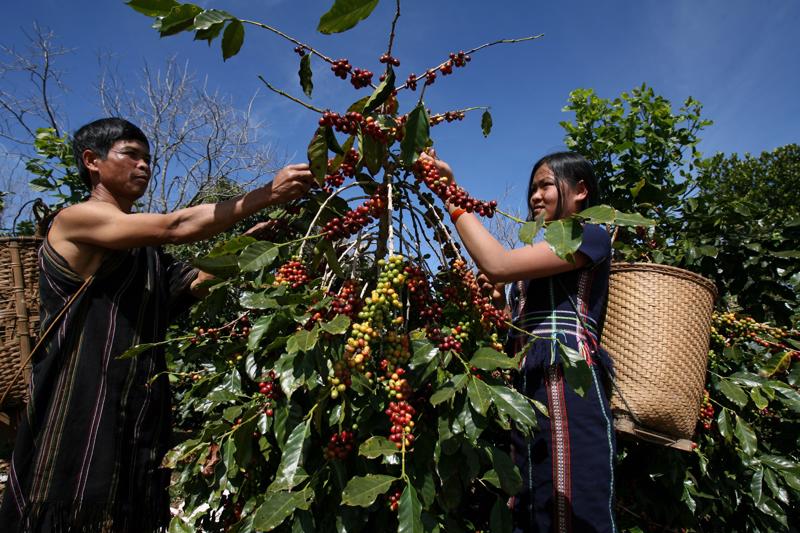
 CVD
CVD 