Tình trạng trẻ vị thành niên uống rượu bia ở Việt Nam đang gia tăng và ngày càng trẻ hóa; nhiều em bắt đầu uống trước 14 tuổi. Uống rượu bia sớm gây hại nghiêm trọng đến não bộ, khả năng học tập, dễ dẫn đến nghiện và làm tăng nguy cơ nhiều bệnh tật, mất trật tự xã hội, tai nạn giao thông và tử vong.
Luật Phòng, chống tác hại của rượu bia nghiêm cấm người dưới 18 tuổi sử dụng và mua bán rượu bia. Người bán rượu bia có quyền kiểm tra giấy tờ để đảm bảo người mua đủ 18 tuổi. Tuy nhiên, hiện tại những điều này chủ yếu vẫn nằm trên lý thuyết. Cần tăng mức phạt thật nặng cho các vi phạm: người dưới 18 tuổi mua và uống rượu bia; ba mẹ không quản lý con cái để con mình dùng rượu bia và cả những người bán rượu bia cho người dưới 18 tuổi.
Đồng thời, gia đình, nhà trường và xã hội cần tăng cường giáo dục và bảo vệ thanh thiếu niên trước tác hại của rượu bia.
Quảng cáo cờ bạc trá hình qua các vật dụng sinh hoạt đang âm thầm đi vào đời sống hằng ngày của người dân. Dù bị pháp luật cấm, nhiều người vẫn chưa nhận biết được hình thức quảng cáo này, khiến họ vô tình vi phạm luật. Để xử phạt đúng người, đúng tội, cơ quan chức năng cần sớm có quy định rõ ràng trong việc xử lý hành vi cố ý quảng cáo cờ bạc trá hình, đồng thời cần thường xuyên nâng cao hiểu biết pháp luật của người dân nhằm ngăn ngừa tác động tiêu cực của nạn quảng cáo cờ bạc trong xã hội.
Take a look around you for a second. Your phone might have been put together in Vietnam. Those sneakers by the door could be Vietnamese too. Even the laptop you’re using right now, Vietnam may have had a hand in it somewhere along the line.
And yet most people barely think about Vietnam at all. Ask them to find it on a map, or to explain how their everyday costs have stayed surprisingly stable while the world’s supply chains have been a mess, and you’ll mostly get blank stares.
That’s the strange thing about Vietnam in 2026. It’s become quietly essential to how the modern economy runs, but it rarely gets treated like a main character. The spotlight stays on China, India, and the US, while Vietnam keeps doing the work in the background.
But what’s unfolding there right now is not background noise. It’s one of the most important economic shifts of our era, and it’s already changing the rules, from geopolitics to what you end up paying for electronics.
1. Nghị quyết này quy định các cơ chế, chính sách để phát triển năng lượng quốc gia giai đoạn 2026 – 2030 bao gồm: điều chỉnh cập nhật quy hoạch phát triển điện lực, phương án phát triển mạng lưới cấp điện trong quy hoạch tỉnh; đầu tư xây dựng dự án điện lực; phát triển điện gió ngoài khơi; mua bán điện trực tiếp; đầu tư xây dựng dự án, công trình dầu khí, than.
2. Nghị quyết này không áp dụng đối với các dự án thuộc chức năng, nhiệm vụ của Ban chỉ đạo được thành lập theo Quyết định số 751/QĐ-TTg ngày 11 tháng 4 năm 2025 của Thủ tướng Chính phủ.
Hằng năm, cứ dịp gần Tết, vấn đề mua bán và tự chế pháo nổ trái phép lại xuất hiện, gây mất trật tự xã hội và nguy cơ tai nạn. Đã có nhiều ca tai nạn do pháo nổ rất thương tâm, khiến nhiều người bị tật nguyền.
Cả người dân và các cơ quan chức năng cần chung tay ngăn chặn vấn đề này triệt để.
LĐ – Vân Trường – Thứ tư, 31/12/2025 13:00 (GMT+7)
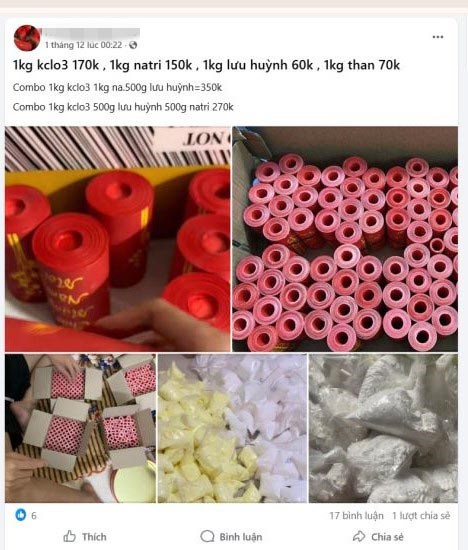
Càng cận Tết Nguyên đán, tình trạng mua bán, tàng trữ pháo nổ trái phép tại Bắc Ninh diễn biến phức tạp, tiềm ẩn nguy cơ mất an ninh, trật tự và vi phạm pháp luật.
Một bài đăng về việc chế pháo nổ trong một hội nhóm MXH. Ảnh: Vân Trường
Mặc dù có kiểm soát, xử lý nhưng mua bán hóa chất trái phép tại chợ Kim Biên vẫn diễn ra khá phổ biến, đặc biệt dưới dạng nhỏ lẻ, “lách luật”, hoặc bán cho người không đủ điều kiện.
Rủi ro về an toàn sức khỏe, môi trường và an toàn xã hội là rất lớn – từ ngộ độc, tự tử, tai nạn hóa chất, đến việc sử dụng hóa chất độc hại để chế biến thực phẩm, thuốc men, sản xuất,…
Cần quản lý chặt hơn, đặc biệt là tố giác vi phạm, tăng cường kiểm tra hậu kiểm và xử lý nghiêm – phạt thật nặng các hành vi mua bán trái phép. Đồng thời nâng cao ý thức cộng đồng để tránh mua/ sử dụng hóa chất nguy hiểm không rõ nguồn gốc.
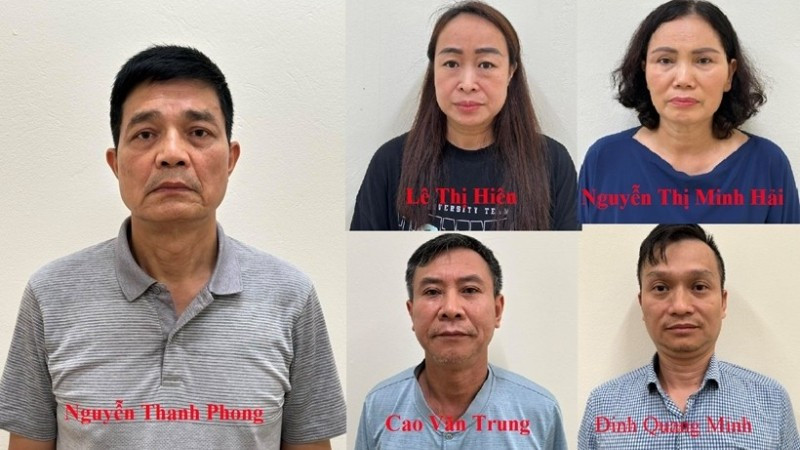
Viện Kiểm sát nhân dân tối cao (Vụ 3) đã hoàn tất cáo trạng truy tố cựu Cục trưởng Cục An toàn thực phẩm Nguyễn Thanh Phong và 54 bị can trong vụ án “Đưa hối lộ, nhận hối lộ” xảy ra tại Cục An toàn thực phẩm (Bộ Y tế) và các doanh nghiệp liên quan trên địa bàn thành phố Hà Nội và các tỉnh, thành trên toàn quốc.
Một số bị can bị Viện Kiểm sát nhân dân tối cao truy tố. (Nguồn: Bộ Công an)
Cụ thể, Viện Kiểm sát nhân dân tối cao truy tố 30 bị can về tội “Nhận hối lộ”, quy định tại điểm a khoản 4 Điều 354 Bộ luật Hình sự gồm: Nguyễn Thanh Phong, cựu Cục trưởng Cục An toàn thực phẩm; Trần Việt Nga, cựu Cục trưởng Cục An toàn thực phẩm và 28 bị can khác là Phó Cục trưởng, cấp trưởng phòng, chuyên viên thuộc Cục An toàn thực phẩm.
I fortunately have a chance to talk to quite many foreigners whom shared with me good stories about my country. Here are things they’ve talked about the most, and probably are what Vietnam is famous for. Feel free to correct me if something is missing. Tiếp tục đọc “What is the country of Vietnam famous for?”→
30 years teaching Southeast Asian history at the university level.7y
No. It’s never been easy to invade Vietnam, at least successfully. China has done so numerous times over the millennia. The Chams did it. The French did it. The Americans did it. The Vietnamese fought back, and when the dust had cleared, the Vietnamese are still here, and the invaders are gone.
Why on earth would you (or anyone else) think that invading Vietnam was something to be considered? Just what is your problem?
Lakan Araw, Studied Filipino Language Arts (Graduated 2025), Updated 4y. QUORA
[ From all the articles I’ve written regarding SE Asian economics, here’s how I will arrange the top 5 SE Asian countries that I think will have the most productivity in the next 20 years ]
Viet Nam
Indonesia
Philippines
Laos
Myanmar
Viet Nam has been busy at work lately in the past few years. They focus mainly on manufacturing and exports. The country started off late, but it has picked up its pace very quickly compared to its other neighbors, and its economy is rapidly transforming.
The world does not understand North Korea. The only nation that understands North Korea is Vietnam.
North Korea and Vietnam went through the same experience.
Both tried to unite the country. Vietnam succeeded but North Korea failed. History is written by the winners. Vietnam is now hailed by the world as a brave and resilient people while North Korea is considered a pariah.
But Vietnam was also considered a pariah, isolated and considered as a threat. Until 1990s, it was sanctioned by the world. Southeast Asian nations such as Singapore and Thailand seriously considered Vietnam as a threat to regional peace. Vietnamese could import international goods through the black market only. People forget what this period was like. Called the rationing period, people were given food by the government, often only a few grams of meat. Today, there are themed restaurants in Hanoi that will take you through some of these memories:
There was a time when the government banned people writing love songs, because they make people weak. Does this sound familiar? However I dare say that without the heavy propaganda and iron fisted rule of North Vietnam, Vietnam would never be a united country today. Believe it or not, psychology is a very powerful thing.
Ultimately both North Korea and Vietnam wanted to unite the country. South Korea and South Vietnam are and were pro American governments set up to strengthen American power in the region. South Korea was also very corrupted and disfunctional, just like South Vietnam. However its government was overthrown and replaced by the dictatorship of Park Sunghye, who implemented economic strategies to turn it into a regional power.
North Korea does not trust China, just like Vietnam. That is why they removed Chinese soldiers in North Korea right after the war. Both North Korea and Vietnam have the same kind of historical relationship with China. Despite having to rely on China, Kim Jong Un is visibly rebelling against China . China has a very hard time controlling what North Korea does. And the only nation that understands this act of balancing is Vietnam.
Another thing people don’t understand is the unique culture of this region, historically influenced by ancient Chinese practices. Historically people seriously worshipped the leaders. The Kings or Emperors were considered sons of heaven. And they reached this position usually because they have defeated a foreign power or have done something heroic. Vietnamese love and respect Ho Chi Minh since he liberated Vietnam from French colonialism. There are temples for every historic heroes in Vietnam and people lit incense for them every year. Most foreigners can not understand this concept. They think the Kim’s family is a cult. Well I’m not in the position to say this is true or not. However from the Vietnamese perspective, I can understand where they are coming from.
North Korea is like Vietnam in the 80s and 90s, struggling to be accepted and struggling to push the country forward. Its people are suffering unnecessarily with economic sanction. People are demonizing it out of fear. However it’s because they just don’t understand it.
North Korea naturally feels at ease and sees Vietnam as a model, more than China.
Even in the recent US North Korea Summit, you could see it in Kim Jong Un’s body language. He was much more relaxed and happy when beginning his official visit to Vietnam than with either US or China.





 CVD
CVD 