They hoped for a better career but ended up in Russia’s war factories. A new study reveals how young women, mainly from Africa, have been being exploited. Some of those affected have shared their stories with DW.
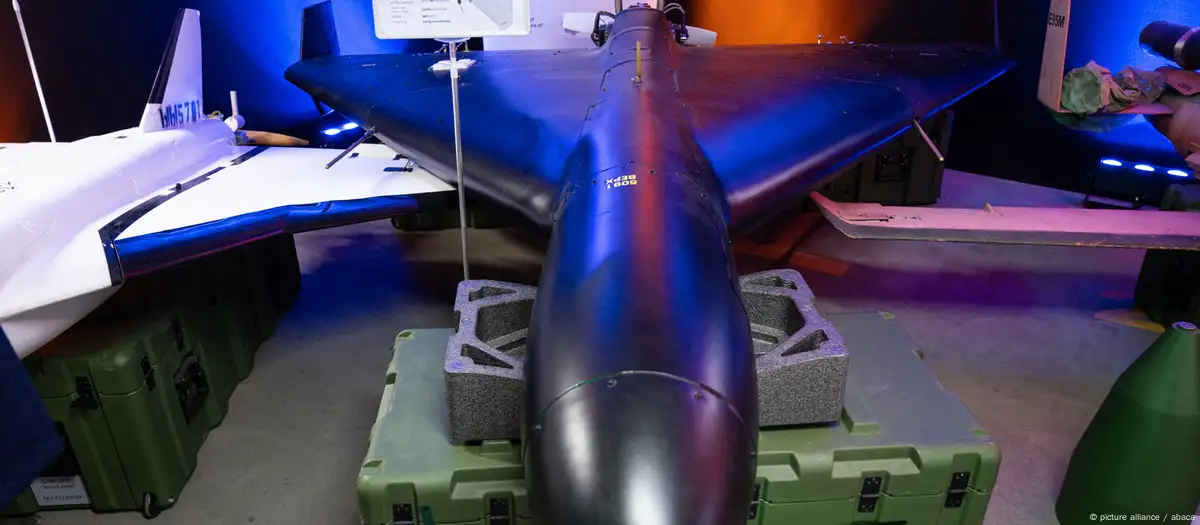
The Alabuga production facility manufactures Geran-2 combat drones based on the Iranian Shahed-136 modelImage: picture alliance / abaca
“I like Russia, its language and culture,” Aminata, 20, told DW. She wants to leave her home country of Sierra Leone in a few weeks to pursue an apprenticeship around 7,000 kilometers (4,300 miles) away in Russia.
(VNF) – Trong những năm gần đây, các hoạt động lừa đảo xuyên biên giới tại khu vực Đông Nam Á đã gia tăng mạnh mẽ, đặc biệt là những tổ chức lừa đảo có sự tham gia của các nhóm tội phạm Trung Quốc. Những tổ chức này không chỉ gây thiệt hại tài chính mà còn ảnh hưởng nghiêm trọng đến an ninh và trật tự xã hội của các quốc gia trong khu vực.
Các chiến dịch quốc tế nhằm đối phó với tình trạng này, bao gồm việc hồi hương hàng chục nghìn tội phạm lừa đảo về Trung Quốc, đã cho thấy sự tham gia của tội phạm nước này trong các vụ lừa đảo tại Đông Nam Á là rất lớn.
Theo một báo cáo mới đây của Trung tâm nghiên cứu chiến lược và quốc tế (CSIS, Mỹ), những hang ổ lừa đảo cắm rễ sau sự xuống dốc của lĩnh vực kinh doanh cờ bạc tại Đông Nam Á và gắn liền với các băng nhóm tội phạm người Trung Quốc.
Sau phong tỏa trong đại dịch Covid-19, nhiều khu casino và khách sạn bỏ trống đã biến thành các trung tâm lừa đảo qua mạng, nơi các nạn nhân buôn người bị chúng dụ dỗ và cưỡng ép đã lừa hàng tỷ USD từ nhiều người.
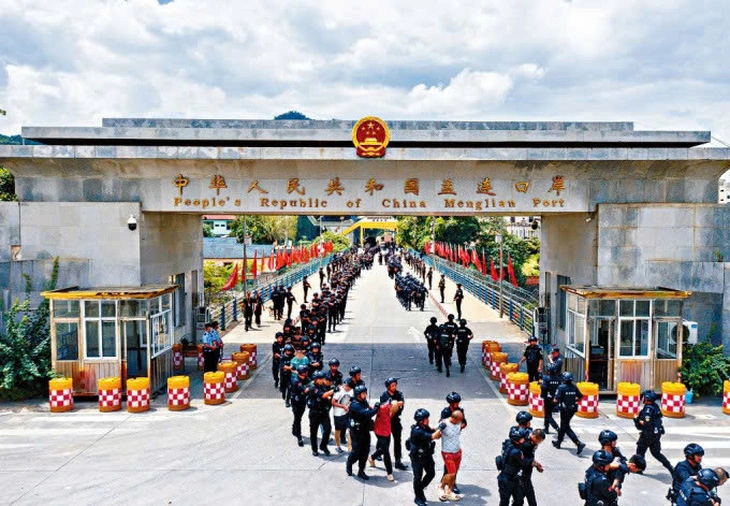
Các nghi phạm bị dẫn giải từ Myanmar về Trung Quốc tại cửa khẩu Mạnh Liên ở Vân Nam (Ảnh: XINHUA)
Fish caught by Chinese vessels and processed in Chinese factories end up on dinner plates around the world.
China’s seafood industry is the world’s biggest, accounting for a fifth of international fishing trade.
But onboard China’s ships and in its processing plants, alleged human rights abuses and labour trafficking are rampant.
With footage filmed over several years on the high seas and additional reporting on land, 101 East investigates the deadly secrets of China’s massive fishing fleet, and the price we pay for seafood.
(ANTV) – Trong một báo cáo đưa ra mới đây, Liên hợp quốc (LHQ) cảnh báo các nhóm tội phạm đã ép hàng trăm nghìn người tại Đông Nam Á thực hiện các vụ lừa đảo trực tuyến và chịu các hình thức đối xử vô nhân đạo như bạo hành và xâm hại Theo báo cáo, rất khó để đánh giá quy mô tình hình do các hành vi này diễn ra lén lút và phản ứng còn chưa hiệu quả của nhà chức trách. Tuy nhiên, các nguồn tin đáng tin cậy cho biết ít nhất 120.000 người trên khắp Myanmar có thể đang bị cầm giữ và buộc phải thực hiện lừa đảo trực tuyến. Con số này tại Campuchia là khoảng 100.000 người. Lào, Philippines và Thái Lan là những quốc gia khác trong khu vực được xác định là điểm đến chính hoặc nơi trung chuyển của hoạt động buôn người. Ước tính các nhóm tội phạm này thu về hàng tỷ USD mỗi năm. Nạn nhân tới từ Hiệp hội các quốc gia Đông Nam Á (ASEAN), Nam Á, Trung Quốc đại lục, Hong Kong, Đài Loan (Trung Quốc)…Phần lớn các nạn nhân là nam giới. Các mạng lưới tội phạm này đã kiếm lời từ đại dịch COVID-19, khi một số quốc gia phải đóng cửa sòng bài để kiểm soát dịch. Điều này buộc các nhà điều hành sòng bài chuyển hoạt động tới những nơi có ít sự giám sát của nhà chức trách, chẳng hạn như khu vực biên giới có xung đột. Theo nội dung trong một hồ sơ pháp lý công bố ngày 28/8, mạng xã hội X (trước đây là Twitter) đang đối mặt với 2.200 vụ tranh chấp trọng tài với các nhân viên cũ sau khi tỷ phú công nghệ Elon Musk tiếp quản công ty, cắt giảm nhiều nhân sự và thực hiện loạt điều chỉnh sâu rộng. Hồ sơ pháp lý này nằm trong một vụ kiện tại tòa án quận Delaware giữa cựu nhân viên Chris Woodfield với Twitter, tập đoàn X và ông Musk. Trong đơn kiện của mình, ông Woodfield, một cựu kỹ sư mạng cấp cao từng làm việc tại chi nhánh của Twitter ở Seattle, cáo buộc Twitter (hiện là X) đã không trả tiền trợ cấp thôi việc cho ông như cam kết, sau đó trì hoãn việc giải quyết tranh chấp thay thế khi không thanh toán các phí cần thiết để tiếp tục vụ pháp lý. Vụ tranh chấp giữa ông Woodfield và tập đoàn X do JAMS – một tổ chức phi lợi nhuận chuyên cung cấp dịch vụ hòa giải bằng trọng tài tại Mỹ – giải quyết. Căn cứ vào biểu phí của JAMS, riêng chi phí nộp đơn trong 2.200 vụ tranh chấp bằng trọng tài của X có thể lên tới 3,5 triệu USD, chưa kể các khoản phụ phí. Tại Mỹ, nhiều tập đoàn lớn yêu cầu người lao động ký thỏa thuận giải quyết tranh chấp bằng trọng tài khi làm việc tại các chi nhánh và điều này là hợp pháp. TIN LIÊN QUAN Indonesia bắt giữ hơn 600 nghi phạm buôn người
We have no choice’: The Vietnamese dying for a chance to work in the UK | ITV News
There’s a saying in Vietnam about the Nghe An province: “Chó ăn đá, gà ăn sỏi.” It means “the dogs eat rocks, the chickens eat pebbles”. It’s a hot, tough place to live, and is also Vietnam’s hub for the trade in human cargo. When 39 Vietnamese were found dead in a lorry in Essex four years ago, the majority had left from Nghe An. Read the full report on the ITV News website here: https://www.itv.com/news/2023-09-26/w…
An ICIJ investigation examines networks of companies, people and business practices that draw profit from cross-border labor trafficking and sex trafficking.
By Michael Hudson Image: Rocco Fazzari / ICIJ June 12, 2023
On any given day, the United Nations estimates, nearly 28 million adults and children around the world are trapped in jobs that are so oppressive that they amount to modern slavery or human trafficking.
They are forced to work long hours for little or no pay, toiling on farms and construction sites, in sweatshops and restaurants, as janitors and, in some cases, sex workers. They are exploited by recruiters and employers who use their poverty, isolation and immigration status against them, often threatening them with violence, arrest or deportation or ensnaring them in debts they struggle to repay.
A new investigation by the International Consortium of Investigative Journalists and other media partners has begun examining human trafficking in Asia, Africa, the Middle East and the United States.
The investigation, Trafficking Inc., focuses on two forms of human trafficking: labor trafficking and sex trafficking. Both involve using force, fraud or coercion to induce someone to work or provide a service.
ICIJ and its reporting partners are working to bring to light untold stories of hardship and abuse suffered by trafficked people — and expose the networks of companies, individuals and business practices that set the traps and profit from them.
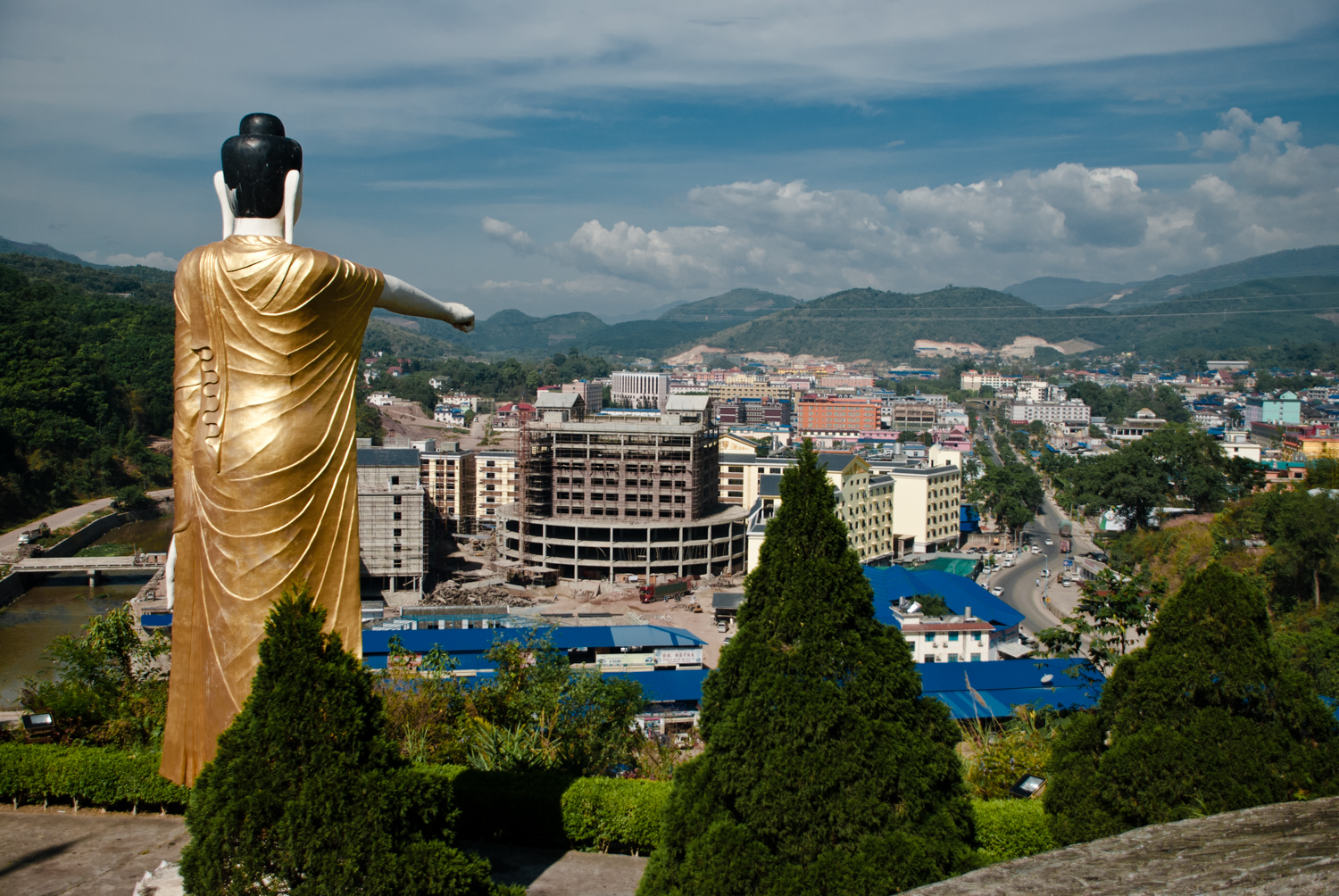
*Mong La, a town on the border between China and Myanmar, is notorious for a gambling town dubbed a ‘City of Sin’ in the heart of the Golden Triangle with Laos and Thailand”
A view of Mong La, a gambling enclave on the border between China and a rebel-administered sliver of Myanmar’s Shan State. (Sebastian Strangio)
Around six months ago, Ekapop Lueangprasert, a local government official and business owner in the Sai Mai suburb of Bangkok, was checking messages sent to his Sai Mai Must Survive Facebook page – a volunteer initiative he’d set up to try and help local people struggling financially during the pandemic – when he received a disturbing video from an 18-year-old girl.
“Today is January 28th at 1 am, 2022. I’m in a building opposite the Karaoke Bar,” says the Thai teenager into the camera, her eyes swollen from crying. She seems exhausted, close to breaking point, but determined to get as much information across as she can while she has the chance. The woman explains that she traveled from Bangkok to Sa Kaeo on the Thailand-Cambodia border to meet a Thai broker who had promised her a job in Poipet, a seedy casino town just over the border in Cambodia. She was then told that the role would actually involve scamming strangers online – and that if she wanted to leave, her father would have to pay 40,000 baht ($1,080) to secure her release. “I know everything and I’m afraid that [the boss] will kill me,” she sobs. “I don’t know what he will do to the others after this and I don’t know if I can contact you again. I’ve heard that at least 20 or 30 people have died.”
The request had come out of the blue and Ekapop was initially apprehensive. “I asked her, how can you use your phone?” he says. But as the teenager hastily sent and deleted location pins, photos from the compound, and other evidence of her treatment, it became clear she was telling the truth – and in the coming months, messages, videos, and photos flooded in from other Thai trafficking victims trapped in borderland casino towns in Cambodia, Laos, and Myanmar. All told near-identical stories about being duped by offers of well-paid, legitimate work, only to find themselves imprisoned in horrifying conditions by Chinese gangsters. Under constant threat of violence, they were forced to engage in illegal activities – mostly tricking people into making fake investments online – with the knowledge or even collusion of local authorities.
Illicit industry traffics thousands of victims from China through Southeast Asia
“The videos provide a window into the dark world run by transnational criminal networks able to smuggle people from China, through Vietnam and into Cambodia and Myanmar”
PHNOM PENH — The first punch lands on the left side of the young man’s face, the second on the right.
Several more follow. Knees strike his stomach. He cannot defend himself, his hands are cuffed. His attacker, face outside the frame, has his fist wrapped in cloth.
He drags his victim by the lapels into the middle of the frame, faces him to the camera and tells him to speak.
“Dad, I’m in Cambodia, I’m not inside of China,” says the young man, through tears, his voice breaking and blood streaming from his nose. “I beg you, please send money.”
The ransom video, which was sent to the victim’s parents, was one of several shown to Nikkei Asia by Li*, a person who helps rescue human trafficking victims in Cambodia.
This ransom video supplied to Nikkei shows a handcuffed man being beaten with a stick while other victims watch in horror.
Another video shows a shirtless man cuffed on the ground being beaten with a stick while two more captives, handcuffed to a nearby window grill, watch on in terror. In a third, a grounded man, a foot on his neck, writhes in pain as he is electrocuted with a Taser.
The videos provide a window into the dark world run by transnational criminal networks able to smuggle people from China, through Vietnam and into Cambodia and Myanmar.
Chinese cyber-scam operations are stealing tens of billions of dollars from victims around the world.
But few realise that thousands of those perpetrating these frauds are victims too.
Young men and women are enslaved, tortured and forced to scam in countries like Cambodia.
In an exclusive report, 101 East investigates Chinese cyber-slave syndicates operating in Cambodia and exposes the powerful and politically connected people protecting them.
Forced to Scam: Cambodia’s Cyber Slaves | 101 East Documentary
Some women and girls being recruited in Viet Nam to serve as domestic workers in Saudi Arabia, are suffering sexual abuse and torture, leading a group of UN independent human rights experts on Thursday to call on both nations to curb human trafficking.
“We are seeing traffickers targeting Vietnamese women and girls living in poverty, many of whom are already vulnerable and marginalized. Traffickers operate with impunity”, they said in a statement.
After signing on with labour recruitment companies in Viet Nam, some girls and women found themselves sexually abused, beaten and subjected to torture and other cruel treatments by employers once they arrived in Saudi Arabia.
Often these women are denied food and medical treatment, not paid at all, or paid less than stipulated in their contracts.
TTCT – Kết luận của Thanh tra Chính phủ đã nêu rõ trách nhiệm và sai phạm của Bộ LĐ-TB&XH, Cục Quản lý lao động ngoài nước, cho thấy chức năng quản lý nhà nước để bảo vệ quyền của người lao động Việt Nam làm việc ở nước ngoài có vấn đề từ gốc.
Lao động nước ngoài tại Nhật thường làm những công việc nặng nhọc. Ảnh: NIKKEI
“Không xây dựng được chiến lược, kế hoạch”, “Chậm”, “Chưa thực sự quan tâm đúng mức” “Không quản lý, kiểm soát được mức thu phí, tiền môi giới”, “không quản lý, kiểm soát được doanh nghiệp trong việc thu phí thị trường Nhật Bản”… là một vài điểm trong số rất nhiều điều sai phạm của Bộ LĐ-TB&XH cũng như của Cục Quản lý lao động ngoài nước mà Thanh tra Chính phủ trong bản kết luận thanh tra công tác quản lý nhà nước về lĩnh vực đưa người lao động Việt Nam đi làm việc ở nước ngoài theo hợp đồng tại 6 tỉnh Vĩnh Phúc, Phú Thọ, Nghệ An, Hà Tĩnh, Hải Dương, Hưng Yên đưa ra ngày 4-3 vừa qua đã nêu rõ.
Vì bản kết luận thanh tra có nêu nhiều điểm về xuất khẩu lao động Việt Nam tới Nhật Bản, tôi muốn nhìn lại những vấn đề tồn tại về chế độ và thực tế liên quan đến người lao động Việt Nam ở Nhật Bản. Tiếp tục đọc “Xuất khẩu lao động: Nhìn vào những hỏng hóc ở gốc”→
gày đầu tiên vào nghề, ông chủ đưa cho Dũng một bộ quần áo rách: “Mày đã lùn, giờ giả làm một thằng què chân, sẽ xin được nhiều hơn”.
Hôm đó, Dũng xin được 1,7 triệu đồng. Cậu đi từ thị trấn Như Quỳnh, lê cái “chân què” khắp Phố Nối A, Phố Nối B, Hưng Yên. Khi thì ngược lên Phú Thị, lúc lại xuôi về Đa Tốn, Gia Lâm, Hà Nội. Hình hài thấp bé từng khiến cậu trai tủi nhục lại trở thành lợi thế khi ngửa tay đi xin. Tiếp tục đọc “Cuộc chạy trốn đường dây chăn dắt ăn xin”→
Nguyen Thi Bien, 51, trafficked to China in 1991, works at a garment factory in her hometown in Bac Giang Province, October 2019. Photo by VnExpress/Phan Duong.
Nguyen Thi Bien cannot speak Vietnamese properly since she was trafficked to China 28 years ago and virtually lost her mother tongue.
She returned to Vietnam in August after Chinese authorities raided and deported undocumented immigrants. More about how she returned later.