
UN Photo/John Isaac
Tiếp tục đọc “International law: Ethnic Cleansing – Luật quốc tế: Thanh lọc Sắc tộc”
Conversations on Vietnam Development

Tiếp tục đọc “International law: Ethnic Cleansing – Luật quốc tế: Thanh lọc Sắc tộc”
PRESS STATEMENT
ANTONY J. BLINKEN, SECRETARY OF STATE
MARCH 23, 2022
Since launching his unprovoked and unjust war of choice, Russian President Vladimir Putin has unleashed unrelenting violence that has caused death and destruction across Ukraine. We’ve seen numerous credible reports of indiscriminate attacks and attacks deliberately targeting civilians, as well as other atrocities. Russia’s forces have destroyed apartment buildings, schools, hospitals, critical infrastructure, civilian vehicles, shopping centers, and ambulances, leaving thousands of innocent civilians killed or wounded. Many of the sites Russia’s forces have hit have been clearly identifiable as in-use by civilians. This includes the Mariupol maternity hospital, as the UN Office of the High Commissioner for Human Rights expressly noted in a March 11 report. It also includes a strike that hit a Mariupol theater, clearly marked with the word “дети” — Russian for “children” — in huge letters visible from the sky. Putin’s forces used these same tactics in Grozny, Chechnya, and Aleppo, Syria, where they intensified their bombardment of cities to break the will of the people. Their attempt to do so in Ukraine has again shocked the world and, as President Zelenskyy has soberly attested, “bathed the people of Ukraine in blood and tears.”
Every day that Russia’s forces continue their brutal attacks, the number of innocent civilians killed and wounded, including women and children, climbs. As of March 22, officials in besieged Mariupol said that more than 2,400 civilians had been killed in that city alone. Not including the Mariupol devastation, the United Nations has officially confirmed more than 2,500 civilian casualties, including dead and wounded, and emphasizes the actual toll is likely higher.
Tiếp tục đọc “War Crimes in Ukraine”Geneva Conventions of 1949 and Additional Protocols, and their Commentaries
Geneva Convention (I) on Wounded and Sick in Armed Forces in the Field,1949 and its commentary
12.08.1949
12.08.1949
Geneva Convention (III) on Prisoners of War, 1949 and its commentary
12.08.1949
Geneva Convention (IV) on Civilians, 1949 and its commentary
12.08.1949
Additional Protocol (I) to the Geneva Conventions, 1977 and its commentary
08.06.1977
Annex (I) AP (I), as amended in 1993 and its commentary
30.11.1993
Annex (I) AP (I), 1977 and its commentary
08.06.1977
Annex (II) AP (I), 1977 and its commentary
08.06.1977
Additional Protocol (II) to the Geneva Conventions, 1977 and its commentary
08.06.1977
Additional Protocol (III) to the Geneva Conventions, 2005 and its commentary
08.12.2005
Inernational Committee of the Red Cross
The Geneva Conventions and their Additional Protocols are international treaties that contain the most important rules limiting the barbarity of war. They protect people who do not take part in the fighting (civilians, medics, aid workers) and those who can no longer fight (wounded, sick and shipwrecked troops, prisoners of war).
The Geneva Conventions and their Additional Protocols are at the core of international humanitarian law, the body of international law that regulates the conduct of armed conflict and seeks to limit its effects. They specifically protect people who are not taking part in the hostilities (civilians, health workers and aid workers) and those who are no longer participating in the hostilities, such as wounded, sick and shipwrecked soldiers and prisoners of war. The Conventions and their Protocols call for measures to be taken to prevent or put an end to all breaches. They contain stringent rules to deal with what are known as “grave breaches“. Those responsible for grave breaches must be sought, tried or extradited, whatever nationality they may hold.
Tiếp tục đọc “War crimes – The Geneva Conventions of 1949 and their Additional Protocols on war crimes”United Nations: Office of Genocide Prevention and the Resposibility to Protect
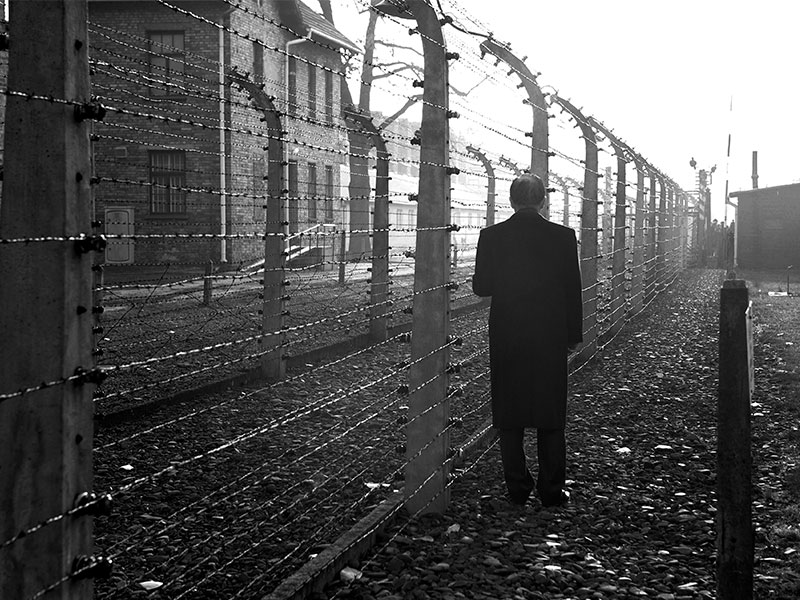
The word “genocide” was first coined by Polish lawyer Raphäel Lemkin in 1944 in his book Axis Rule in Occupied Europe. It consists of the Greek prefix genos, meaning race or tribe, and the Latin suffix cide, meaning killing. Lemkin developed the term partly in response to the Nazi policies of systematic murder of Jewish people during the Holocaust, but also in response to previous instances in history of targeted actions aimed at the destruction of particular groups of people. Later on, Raphäel Lemkin led the campaign to have genocide recognised and codified as an international crime. Tiếp tục đọc “Genocide, Crimes against Humanity, War Crimes, Ethnic Cleansing”

 CVD
CVD 