
eastasiaforum.org Published: 22 December 2025
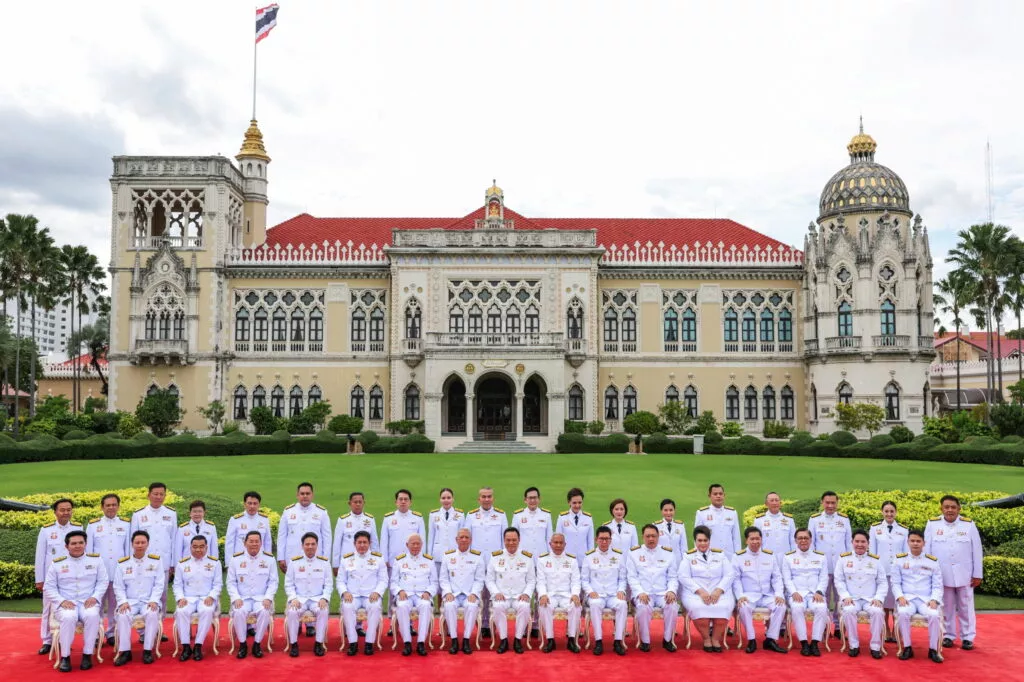
In Brief
Thailand is confronting a convergence of economic and political pressures that threaten to lock in prolonged stagnation caused by weak growth, demographic decline and low productivity. Decades of political instability, repeated intervention by unelected ‘tutelary’ powers and the blocking of reformist forces have undermined policy continuity, discouraged investment and diverted spending away from long-term growth drivers like education and public investment. Renewed border tensions with Cambodia and looming elections now compound these structural weaknesses, leaving Thailand trapped in a cycle of political uncertainty and economic underperformance that erodes its regional standing.
With growth barely above 2 per cent, a looming demographic crisis and an immigration regime unsuited to offsetting future workforce challenges, Thailand is in urgent need of pro-growth, pro-productivity reforms and public investment despite its strained public finances. These challenges are par for the course in any rich post-industrial country — but for a middle-income country in today’s international environment, they’re all the more daunting.



 Japanese Prime Minister Shinzo Abe, center, speaks at the 10th Mekong-Japan Summit Meeting held in the State Guest House in Tokyo’s Moto-Akasaka district on Oct. 9. (Pool)
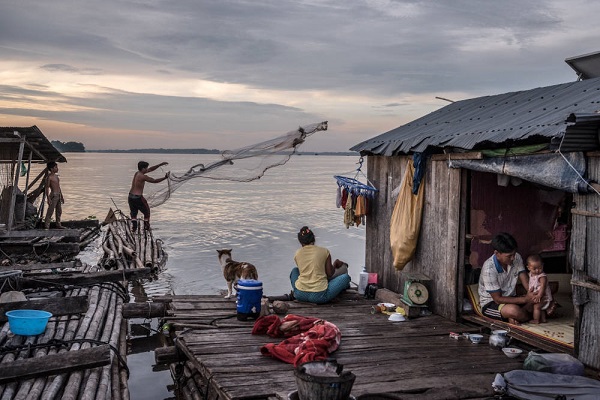
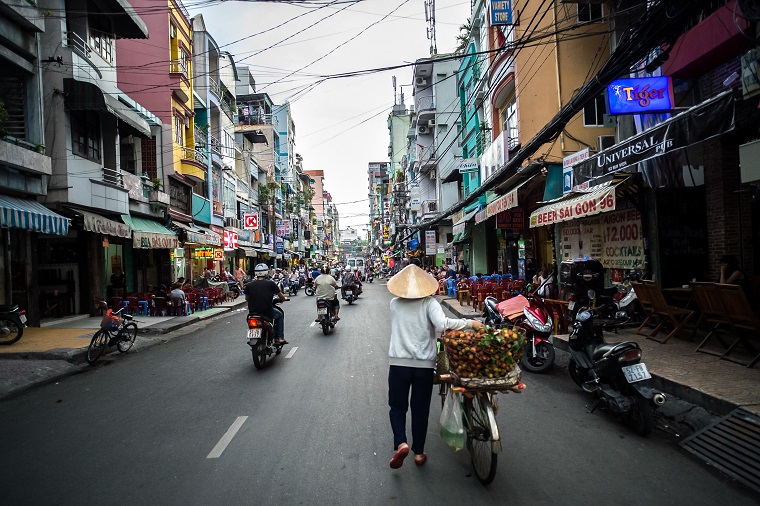 By 2030, more than 40% of the population in the Greater Mekong Subregion will be living in cities. Photo: ADB.
 CVD
CVD 