Fast and dubious: How electric cars are tiring the Mekong – Xe điện phát triển nóng đang bào mòn Mê Kông

mekongeye.com

This five-part series explores how the acceleration of electric vehicle adoption could increase the demand for rubber—a commodity that has historically driven deforestation and land grabbing across the Mekong region. Experts say the EV transition will boost rubber demand, as EVs need specialized tires that can bear heavier vehicle weight and high torque.

This matters to the Mekong region. Our data analysis shows that Cambodia, Laos, Myanmar, Thailand, and Viet Nam together supply nearly 50% of the world’s natural rubber. About 70% of global rubber goes into tires. Without effective traceability in place, deforestation and land conflicts, many of which are ongoing and affecting the lives and livelihoods of local communities—are unlikely to be solved.

Story by Mekong Eye’s investigation team
This series was produced in partnership with Earth Journalism Network and the Pulitzer Center

Electric vehicles (EVs) are on the rise — from Bangkok to Hanoi to Vientiane — promising a cleaner future as part of the global shift to clean energy, with more than 17 million electric cars sold worldwide in 2024.

But there is still a cost to pay for these ‘green cars’. With their heavier battery weight and higher torque, EVs wear out their tires faster than gasoline-powered cars, and therefore consume more tires throughout their lifetime.

In every tire is natural rubber, the key raw material that ensures durability, elasticity and strength.

The growing demand for EV tires has had significant implications for the Mekong region — Cambodia, Laos, Myanmar, Thailand and Viet Nam — which produces about 50% of the world’s natural rubber and hosts major plants for multinational tire manufacturers and EV makers.

Tiếp tục đọc “Fast and dubious: How electric cars are tiring the Mekong – Xe điện phát triển nóng đang bào mòn Mê Kông”

The lights dim on Laos’ brief Bitcoin dream

mekoneye.com By Võ Kiều Bảo Uyên 17 November 2025 at 14:50

Four years after it first approved Bitcoin mining projects powered by surplus hydropower, Laos is beginning to rethink whether the energy-hungry industry — now linked to massive transnational cryptocurrency scams — is worth keeping alive

High-rise buildings stand in the Boten Special Economic Zone in northern Laos, near the border with China. The area is suspected to be a hotspot for scam operations, including schemes that store fraudulent money in crypto for later laundering. PHOTO: Thanh Hue

Houaphanh Province, LAOS — Bitcoin is a world far away from 19-year-old Chai, an ethnic Hmong and a college student who has never owned a computer. 

But its shadow has already crept into his mountainous village, where power outages are common—often a side effect of the vast energy demands elsewhere, including cryptocurrency mining.

Despite the national grid being connected to his remote community seven years ago, he and his classmate studied by candlelight, oil lamp, or mobile flashlight at night to prepare for university entrance exams. The blackout worsens during the dry seasons when hydropower drops. 

Tiếp tục đọc “The lights dim on Laos’ brief Bitcoin dream”

Australia and Mekong River Commision deepen cooperation to strengthen river monitoring and digital innovation in Lao PDR

mrcmekong.org

Australia and MRC deepen cooperation to strengthen river monitoring and digital innovation in Lao PDR

Share: 

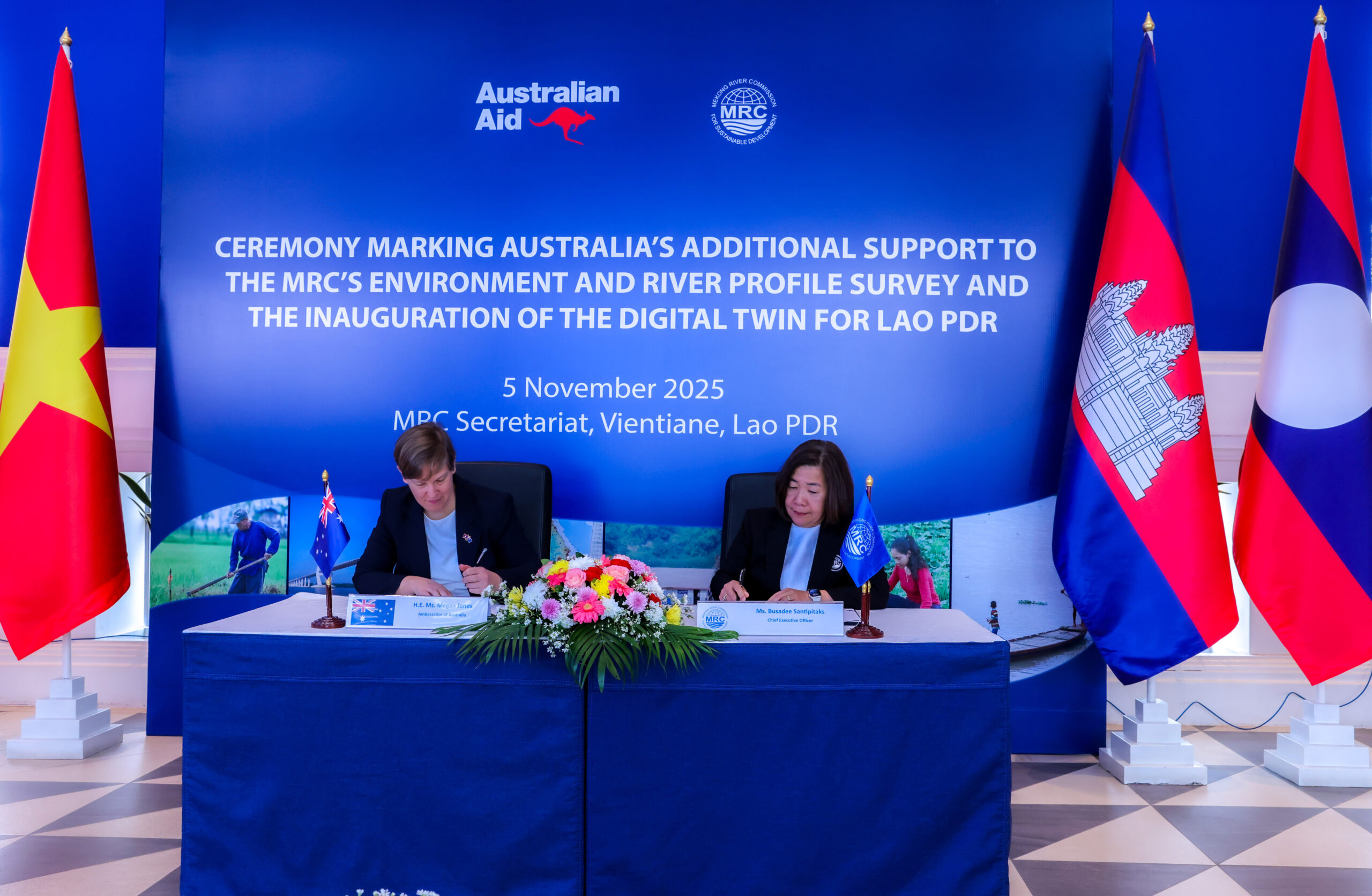
Vientiane, Lao PDR, 6 November 2025 – The Mekong River Commission (MRC) and the Government of Australia have reinforced their long-standing partnership through additional Australian support and the use of new digital innovations to enhance water monitoring and management in the Mekong region.

At a ceremony held today at the MRC Secretariat in Vientiane, Australia formalised an additional USD 1.71 million to support the MRC’s Environment and River Profile Survey, a key program that helps the MRC to enhance monitoring of river conditions, improve forecast changes, and better assess the health of the basin. This ensures the MRC can continue gathering and analysing data effectively that inform decisions on the river’s management and protection.

Australia’s support for the Environment and River Profile Survey builds on its core support to the MRC under the Mekong-Australia Partnership, which seeks to strengthen water security, economic resilience and sustainable growth in the sub-region. “Australia is proud to support this project as it will benefit the MRC, its member countries, and the river’s communities, economy, and environment” said H.E. Ms Megan Jones, Australian Ambassador to Lao PDR.

Joining the event was His Excellency Dr Linkham Douangsavanh, Minister of Agriculture and Environment of Lao PDR. Together with the MRC and Australia, he witnessed the formal launch of a new “Digital Twin” platform, a real-time modelling tool that integrates hydrological, meteorological and spatial data to help visualise how changes in rainfall, flow or land-use could affect communities and ecosystems.

“With this Digital Twin platform, we are giving our communities and partners a window into the river’s future,” said Dr Douangsavanh. “When we see what may come, we can plan better, respond faster and protect the peoples and their livelihoods and nature that depend so much on the Mekong.”

“Today we harness new digital capabilities and advanced capabilities so that we can ensure shared benefits for the sustainable development of the Mekong River Basin. The MRC is grateful for this timely support from Australia that has allowed this to happen,” said H.E. Ms Busadee Santipitaks, Chief Executive Officer of the MRC Secretariat.

About the Mekong River Commission

The MRC is an intergovernmental organisation established in 1995 to boost regional dialogue and cooperation in the Lower Mekong River Basin. Based on the Mekong Agreement among Cambodia, Lao PDR, Thailand, and Viet Nam, the MRC serves as both a regional platform for water diplomacy and a knowledge hub – to manage water resources and support sustainable development of the region.

Protected areas hit hard as Mekong countries’ forest cover shrank in 2024

mongabay.com Gerald Flynn 6 Oct 2025Asia

  • The five Mekong countries lost nearly 1 million hectares (2.5 million acres) of tree cover in 2024, with nearly a quarter of which was primary forest, and more than 30% of losses occurring inside protected areas.
  • Cambodia and Laos saw some of the highest levels of loss inside protected areas, driven by logging, plantations and hydropower projects, though both countries recorded slight declines from 2023.
  • In Myanmar, conflict has complicated forest governance, with mining and displacement contributing to losses, though overall deforestation fell slightly compared to the previous year.
  • Thailand and Vietnam bucked the regional trend, with relatively low forest losses in protected areas, supported by logging bans, reforestation initiatives, and stricter law enforcement.

See All Key Ideas

BANGKOK — The Mekong countries of Cambodia, Laos, Myanmar, Thailand and Vietnam lost a combined area of tree cover of nearly a million hectares in 2024, or an area almost the size of Lebanon. That’s according to Mongabay’s analysis* of satellite data published by the Global Land Analysis and Discovery (GLAD) laboratory at the University of Maryland, in partnership with Global Forest Watch (GFW).

GFW data show 991,801 hectares (2.45 million acres) of tree cover were lost in 2024, including nearly 220,000 hectares (544,000 acres) of primary forest, across the five Mekong countries. More than 30% of tree cover loss recorded in 2024 occurred inside protected areas, although across the region, the rate of deforestation — both within protected areas and outside of them — slowed slightly from 2023. Despite this, the drivers of deforestation vary somewhat from country to country, and last year’s losses still reflect a grim trajectory for forests in the Mekong region.

The economies of almost all Mekong countries are heavily reliant on agriculture, with forests cleared for both agribusiness-run plantations or subsistence farming plots. But research indicates the conversion of forest to croplands has resulted in increasingly unpredictable weather patterns and subsequently poorer agricultural yields.

Tiếp tục đọc “Protected areas hit hard as Mekong countries’ forest cover shrank in 2024”

Cambodia’s mega canal has Vietnam worried: What does it mean for the Mekong?

CNAInsider – 31-10-2025

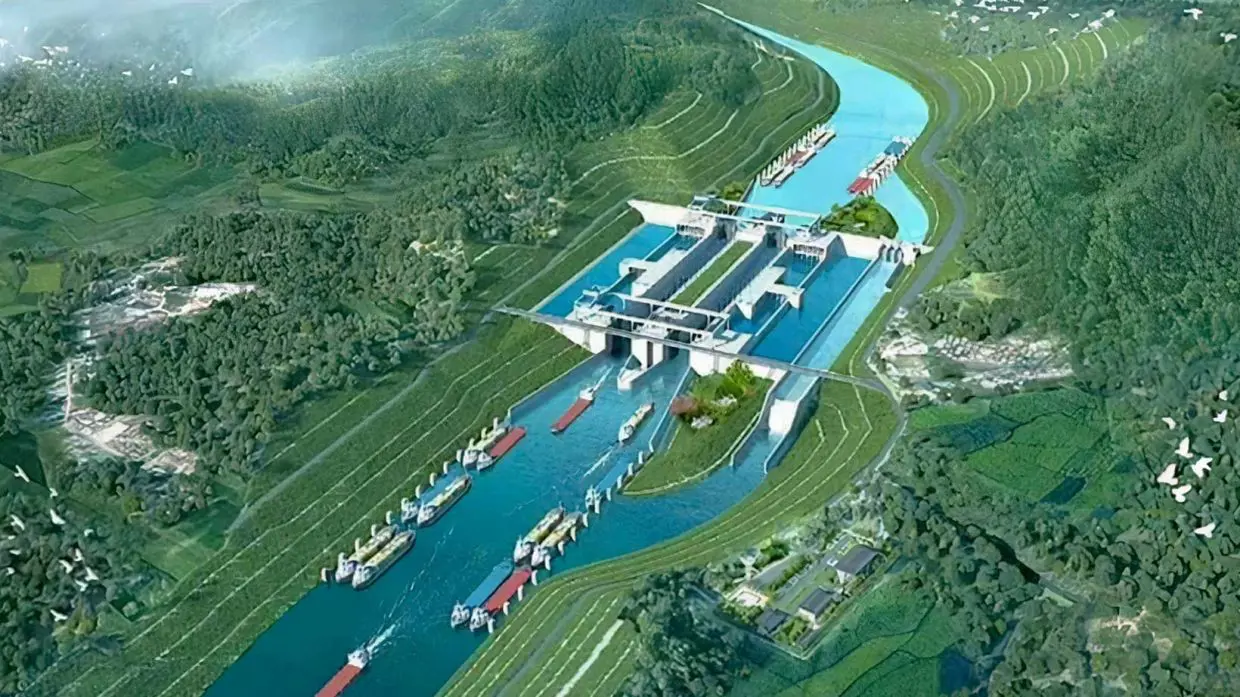
This April, China and Cambodia finalised a deal to build the Funan Techno Canal. It is a 180km waterway which will connect the Mekong River to the Gulf of Thailand. The USD 1.8 billion infrastructure project will be undertaken jointly by the Cambodian government and Chinese investors. The project has an ambitious completion date of 2028.

Cambodia argues that the canal will finally allow the country to control its own destiny. Currently, about a third of Cambodia’s global cargo are relying on Vietnamese ports for export, via the Mekong. The canal will allow the shipments to be exported through Cambodia’s own ports, reducing its reliance on its neighbour. The Kingdom sees the canal as a source of economic independence and growth, as well as a way to boost its transport links.

But Vietnam is concerned that the canal will divert water flows from the Mekong. Indochina’s most important river is already under threat by upstream dams and climate change. A massive new canal could well starve Vietnamese farmlands of much needed water. Cambodia on the other hand, insists that the canal will have minimal impact. As construction of the canal gets underway, what will be the long-term impact of this monumental project? Tiếp tục đọc “Cambodia’s mega canal has Vietnam worried: What does it mean for the Mekong?”

Sào huyệt lừa đảo ở Đông Nam Á: Tội phạm Trung Quốc thống trị, gây thiệt hại hàng tỷ USD

vietnamfinance.com – 21/02/2025 08:30 (GMT+7)

(VNF) – Trong những năm gần đây, các hoạt động lừa đảo xuyên biên giới tại khu vực Đông Nam Á đã gia tăng mạnh mẽ, đặc biệt là những tổ chức lừa đảo có sự tham gia của các nhóm tội phạm Trung Quốc. Những tổ chức này không chỉ gây thiệt hại tài chính mà còn ảnh hưởng nghiêm trọng đến an ninh và trật tự xã hội của các quốc gia trong khu vực.

Các chiến dịch quốc tế nhằm đối phó với tình trạng này, bao gồm việc hồi hương hàng chục nghìn tội phạm lừa đảo về Trung Quốc, đã cho thấy sự tham gia của tội phạm nước này trong các vụ lừa đảo tại Đông Nam Á là rất lớn.

Theo một báo cáo mới đây của Trung tâm nghiên cứu chiến lược và quốc tế (CSIS, Mỹ), những hang ổ lừa đảo cắm rễ sau sự xuống dốc của lĩnh vực kinh doanh cờ bạc tại Đông Nam Á và gắn liền với các băng nhóm tội phạm người Trung Quốc.

Sau phong tỏa trong đại dịch Covid-19, nhiều khu casino và khách sạn bỏ trống đã biến thành các trung tâm lừa đảo qua mạng, nơi các nạn nhân buôn người bị chúng dụ dỗ và cưỡng ép đã lừa hàng tỷ USD từ nhiều người.

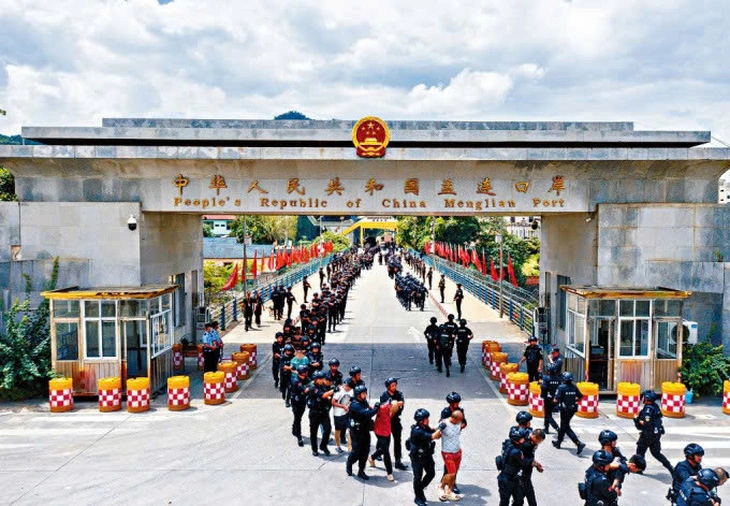
Các nghi phạm bị dẫn giải từ Myanmar về Trung Quốc tại cửa khẩu Mạnh Liên ở Vân Nam (Ảnh: XINHUA)

Tiếp tục đọc “Sào huyệt lừa đảo ở Đông Nam Á: Tội phạm Trung Quốc thống trị, gây thiệt hại hàng tỷ USD”

How Southeast Asia Became Scam Hub For China-Linked Syndicates

There is a human trafficking crisis in Southeast Asia. The UN estimates that 120,000 people have been trafficked to scam centres in Myanmar and another 100,000 in Cambodia. Many of them are brought through the border with Thailand. The victims are often forced to work as scammers, defrauding billions of dollars from unsuspecting targets across the world. These scam syndicates have been linked to the Chinese mafia as well as local rebels in Myanmar.

How do these scam centres operate? Who are the trafficking victims and how did they end up in this predicament? How is Thailand’s economy suffering from these trafficking networks, and what is being done to stamp them out? Insight investigates.

00:00 Introduction

01:22 Chinese victim in Myanmar’s scam factory

03:34 Why Southeast Asia is breeding ground for scams

06:23 High-profile kidnap of Chinese actor

07:52 Why war-torn Myanmar attracts scam kingpins

13:26 Changing demographic of trafficked victims 15:23 What happens inside scam centres

23:47 The voluntary scammers

25:21 How scams work

29:34 Romance gone wrong

34:49 China’s role in scam crackdown

37:21 What’s Thailand doing to fight scammers

Toxic runoff from Myanmar gold mines contaminates Thai rivers

Toxic runoff from unregulated mines in Myanmar has sparked health and environmental concerns, across the border in Thailand.

Thai authorities have detected levels of arsenic nearly five times above acceptable limits. Meanwhile, local fishermen and residents are complaining of falling incomes and expressing food safety concerns.

Al Jazeera’s Tony Cheng reports from Bangkok, Thailand.

Rare earth rush in Myanmar blamed for toxic river spillover into Thailand


China and Cambodia ink deal for massive canal project that has raised environmental concerns

thestar.com

PHNOM PENH, Cambodia (AP): Cambodia and China have signed a US$1.2 billion deal to finance an ambitious canal project that aims to boost trade efficiency by linking a branch of the Mekong River near Phnom Penh to a port on the Gulf of Thailand, the Cambodian government agency heading the project has announced,

The deal to fund the Funan Techo Canal was signed Thursday during the state visit to Cambodia of Chinese President Xi Jinping, the agency said in a news release. Xi returned home Friday after a three-nation Southeast Asian tour that also included Vietnam and Malaysia.

Tiếp tục đọc “China and Cambodia ink deal for massive canal project that has raised environmental concerns”

Plastic is choking the Mekong River

themekongeye.com By Anton L. Delgado 20 January 2025 at 10:54

Plastic is now ubiquitous in the Mekong, Asia’s Mother of Rivers, and experts and local people are struggling to contain the risks to human health, biodiversity and livelihoods

ILLUSTRATION: Sunhee Park / Dialogue Earth

On Sơn Island in Viet Nam’s Mekong Delta, Le Trung Tin scatters fish feed into his ponds, where dozens of snakehead fish leap through the surface in synchronized bursts. “I taught them how to do that,” he says proudly, tossing another handful of feed at his fish.

The scene looks idyllic, but Le’s fish farm is a reluctant response to an escalating crisis. For decades, he made his living fishing the Hậu River, a distributary of the Mekong. But in recent years, plastic waste clogged his nets and strangled the fish. “I had no choice but to stop,” he says. “Everything was tangled – trash, nets, even the fish themselves. It was hopeless.”

Now, Le relies on enclosed ponds using filtered water to keep his fish alive. “I built this ecological environment free of plastic waste, chemical spills and [protected it from] extreme weather,” he says.

https://player.vimeo.com/video/1037846174?dnt=1&app_id=122963VIDEO: Anton L. Delgado/Dialogue Earth

Le’s experience reflects the wider challenges facing the Mekong. Stretching over 4,300 kilometres from the Tibetan Plateau to the South China Sea, the river supports nearly 70 million people and some of the world’s most biodiverse ecosystems. Yet, it is one of the most plastic-polluted rivers in the world and among the 10 rivers in Asia that carry the vast majority of plastic to the sea. The Mekong dumps – by some estimates – tens of thousands of tonnes each year into the ocean, with plastic waste accumulating along its banks, tributaries and lakes.

Plastic enters the Mekong in myriad ways – agricultural runoff, unregulated dumping and a flood of single-use packaging from upstream countries like China and Myanmar. It accumulates in hotspots like Tonle Sap Lake in Cambodia and the wetlands of Vietnam’s Mekong Delta, where this plastic waste threatens biodiversity, food security and human health.

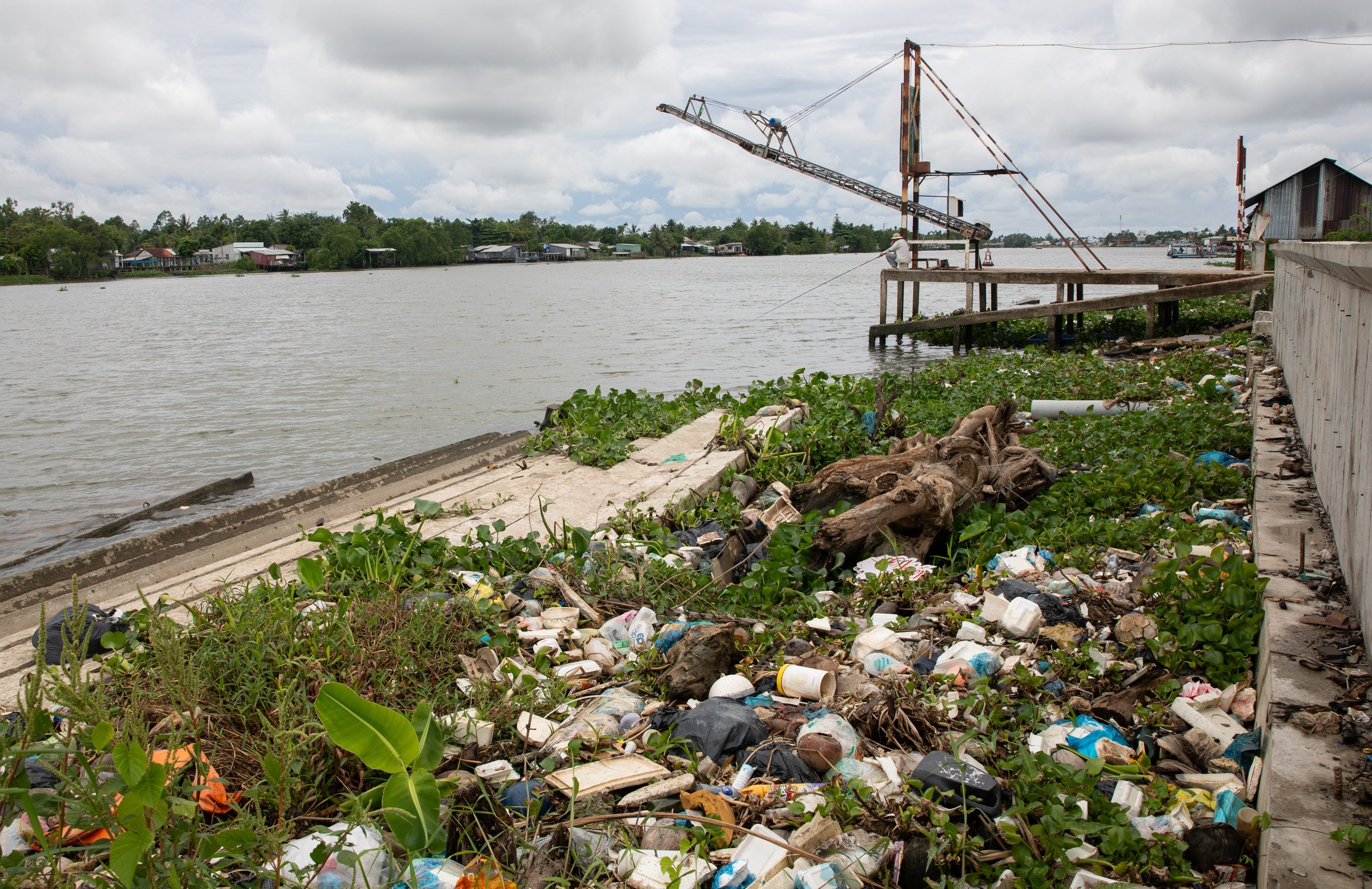
Plastics and other waste scattered along the riverbank
Plastics and other waste accumulate along the riverbank near the city of Can Tho in Vietnam’s Mekong Delta region. PHOTO: Anton L. Delgado / Dialogue Earth

Tiếp tục đọc “Plastic is choking the Mekong River”

Myanmar’s military rule is crippling hope for young people like never before

theconversation.com Published: March 12, 2025 5.03pm GMT

Myanmar has struggled with civil war, military rule and widespread poverty for much of the past seven decades. But the country’s youth have never faced threats to their survival and future as severe as today.

The military coup of February 2021 shattered the hopes of many young people in Myanmar who had envisioned a better and more stable future under their democratically elected leader, Aung San Suu Kyi.

As brutal crackdowns on peaceful protests unfolded, thousands of young people fled to the jungles to take up arms. Hundreds of thousands more joined the civil disobedience movement, abandoning their studies to protest military rule through demonstrations and strikes.

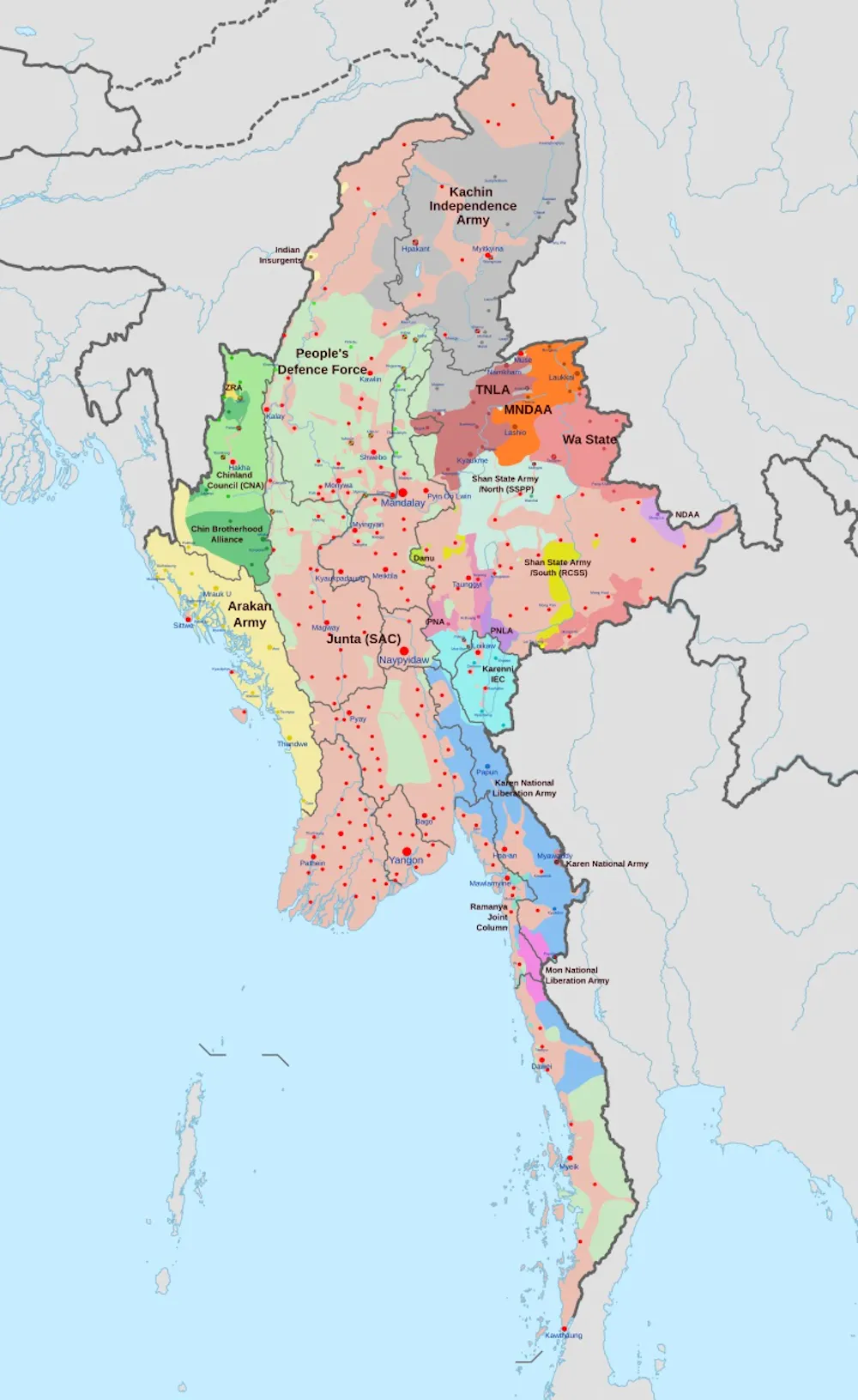
A map of Myanmar showing the military situation there as of February 4.
The military situation in Myanmar as of February 4 2025. Wikimedia Commons

Myanmar’s armed opposition has made significant gains over the past year, seizing vast territories from the military – though the latter still controls major cities like Naypyidaw, Yangon, and Mandalay.

Amid the surging violence, young people in Myanmar are finding themselves even more deprived of opportunities and increasingly forced into submission.

In February 2024, Myanmar’s junta declared mandatory military service for men aged 18 to 35 and women aged 18 to 27. Those who do not comply face up to five years in prison.

Tiếp tục đọc “Myanmar’s military rule is crippling hope for young people like never before”

Mekong Dam Monitor Weekly Update

February 24 – March 2, 2025 Stimson Mekong Monitor

Spotlight

Significant releases from China’s large dams push river to higher-than-normal levels.

Sustained large releases from China’s Xiaowan and Nuozhadu Dams are causing the river to run at levels 1-2 meters higher than normal along the Thai-Lao border. The two graphs illustrate  the sudden spike in river level occurring during the last days of February, corresponding to about 900 million cubic meters of water releases from China’s dams. Under normal dry season conditions, the river level does not spike in a manner seen on the graphs. At this time of year, the river level should gradually decrease over the next six weeks. Sudden spikes in river level, particularly those which run for sustained periods at higher levels, can be devastating for the river’s ecological processes and for the communities who depend on the river.

What Happened Last Week?

    • Where’s the Water: Last week, dams throughout the basin released a significant cumulative total of 1.6 billion cubic meters of water. Significant releases came from Xiaowan (PRC, 749 million cubic meters), Nuozhadu (PRC, 164 million cubic meters), and Thuen Hinboun Expansion (LAO, 199 million cubic meters). Dry season water releases generate hydropower but also artificially raise the level of the river. Where is the water?
    • River Levels: River levels throughout the basin are now about one meter higher than normal. See how this looks.
    • Wetness and Weather: While the headwaters of the Mekong in China are excessively wet (blue), most of the lower Mekong region is experiencing intensifying drought (red). Dry season irrigation activities in the Mekong Delta are creating slightly above average wetness anomalies in Vietnam’s delta. Temperatures in the Mekong basin were about average overall, with slightly above-average temperatures in the northern portion of the basin and slightly below average temperatures in the lower basin. See the maps.

Tiếp tục đọc “Mekong Dam Monitor Weekly Update”

Cambodia PM launches project linking Mekong river to sea via canal

VNE – By AFP   August 5, 2024 | 11:05 am GMT+7

Cambodia’s Prime Minister Hun Manet speaks during a groundbreaking ceremony for the Funan Techo Canal in Kandal province on Aug. 5, 2024. Photo by AFPCambodia’s Prime Minister Hun Manet on Monday launched a US$1.7 billion canal project that aims to provide a new link from the Mekong River to the sea.

Manet called the 180-km (110-mile) project “historic” and vowed to “finish it at all costs.”

“We must build this canal at all costs,” Manet said at the project’s launch ceremony before fireworks shot into the air and drums sounded after he pressed the launch button for the project.

The Funan Techo canal will run from the Mekong River, about an hour’s drive southeast of Phnom Penh, to the sea in the Gulf of Thailand.

The government says the canal will offer an alternative to transit via Vietnam and will reduce dependence on Vietnamese ports, generating economic activity worth 21-30% more than its cost.

It would create tens of thousands of jobs in the country, though it has not provided detailed evidence for those forecasts.

Dự án kênh Phù Nam Techo: Vấn đề chia sẻ thông tin

THANH TUẤN – 11/05/2024 09:34 GMT+7

TTCT – Dự án kênh đào Phù Nam Techo của Campuchia gây chú ý gần đây khi xuất hiện lo ngại dự án sẽ làm thay đổi dòng chính sông Mekong, tác động tới vùng lũ và sinh kế người dân Đồng bằng sông Cửu Long.

Ảnh: Getty

Chỉ ngắn hơn kênh đào Suez 13km, dự án 180km này dự kiến nối thủ đô Phnom Penh của Campuchia với tỉnh Kep, giáp biên giới Việt Nam. 

Được coi là nỗ lực hồi sinh hệ thống sông ngòi lịch sử Campuchia, con kênh với bề rộng 100m và sâu 5,4m có thể phục vụ tàu 3.000 tấn vào mùa khô và 5.000 tấn vào mùa mưa.

Theo China Global South Project, con kênh sẽ kéo dài từ khu vực Prek Takeo của sông Mekong tới Prek Ta Ek và Prek Ta Hing của sông Bassac (sông Hậu) và đi qua bốn tỉnh Kandal, Takeo, Kampot và Kep, với ba hệ thống âu tàu, 11 cầu và 208km đường ven bờ được xây dựng bởi Tập đoàn Cầu đường Trung Quốc (CRBC) theo mô hình BOT. 

Thủ tướng Campuchia Hun Manet ủng hộ mạnh mẽ dự án, và nói nó không có tác hại gì tới môi trường, đặc biệt là tới dòng Mekong đi qua nhiều nước ASEAN.

Tối 5-5, trả lời báo chí, người phát ngôn Bộ Ngoại giao Việt Nam Phạm Thu Hằng nói: “Việt Nam rất quan tâm và tôn trọng lợi ích chính đáng của Campuchia theo tinh thần của Hiệp định Mekong 1995, phù hợp với các quy định liên quan của Ủy hội sông Mekong và quan hệ láng giềng hữu nghị truyền thống giữa hai nước”. 

Về dự án kênh Phù Nam Techo, bà Hằng nói Việt Nam mong “Campuchia tiếp tục phối hợp chặt chẽ với Việt Nam và các nước trong Ủy hội sông Mekong chia sẻ thông tin, đánh giá đầy đủ tác động của dự án này đối với nguồn nước, tài nguyên nước và môi trường sinh thái của khu vực tiểu vùng sông Mekong cùng các biện pháp quản lý phù hợp nhằm bảo đảm hài hòa lợi ích của các quốc gia ven sông, quản lý, sử dụng hiệu quả và bền vững nguồn nước và tài nguyên nước sông Mekong”.

Tiếp tục đọc “Dự án kênh Phù Nam Techo: Vấn đề chia sẻ thông tin”

History fades as rising sea levels slowly destroy Thailand’s temple murals

theguardian.com Saltwater damage could see precious historical Buddhist artworks dating back hundreds of years slowly fade entirely from view

by Rebecca Ratcliffe and Navaon Siradapuvadol in NonthaburiWed 29 Nov 2023 02.37 GMT

If you look closely, you can just about see the characters and scenes that once stretched across the walls of Wat Prasat, a temple in Nonthaburi. There’s the dark shape of an elephant’s head, a figure slouching on its back; outlines of swords pointing upwards to the centre of the display; patches of curved roofs.

“The mural used to be more vivid,” says Phra Maha Natee, the abbot of Wat Prasat. Even when he was a novice monk, 20 years ago, the image – which shows one of the jātakas stories that recall the Buddha’s past lives – was easier to understand. “The colour was brighter and sharper,” he says.

The murals offer a glimpse into a past era – a time of prosperity but also social upheaval, when a more empowered nobility had emerged, as did a desire, say historians, for Buddhism to play a more stronger role in reinforcing discipline in society. They date back to the mid or later years of the Ayutthaya kingdom in Siam, which existed from 1351 to 1767, in what is now Thailand and are a treasured early example of the art form.

Tiếp tục đọc “History fades as rising sea levels slowly destroy Thailand’s temple murals”