Russia’s threat to deploy tactical nuclear weapons in Belarus has raised the specter of a new nuclear standoff with the United States and its allies in Europe. It also draws new attention to how such arms are deployed in NATO states.
What’s behind Russian President Vladimir Putin’s decision to deploy tactical nuclear weapons in Belarus?
The move that Putin announced in late March would be the first time since the fall of the Soviet Union that Russia has stationed nuclear weapons beyond its own borders, and it raises the prospects for a renewed, destabilizing nuclear arms rivalry with the United States and its North Atlantic Treaty Organization (NATO) allies.
Established during the Cold War, NATO is a transatlantic security alliance composed of thirty-one member countries, including the United States.
NATO has focused on deterring Russian aggression in recent years, but it has also conducted security operations in Afghanistan, Iraq, Kosovo, and Somalia.
Amid Russia’s invasion of Ukraine, many NATO allies are providing Kyiv with extraordinary quantities of military supplies, and the alliance has expanded to include Finland.
Introduction
Founded in 1949 as a bulwark against Soviet aggression, the North Atlantic Treaty Organization (NATO) remains the pillar of U.S.-Europe military cooperation. An expanding bloc of NATO allies has taken on a broad range of missions since the close of the Cold War, many well beyond the Euro-Atlantic region, in countries such as Afghanistan and Libya.
Russia’s unprovoked invasion of Ukraine, a nonmember, in early 2022 has shaken Europe’s security architecture and prompted a major reevaluation of NATO members’ foreign policies and defense commitments. The threat from Russia has generated the greatest tensions with the alliance in the post-Cold War era. It is driving up defense spending and has pushed some longtime NATO partners, namely Finland and Sweden, to seek full membership. Finland acceded to the alliance in April 2023.
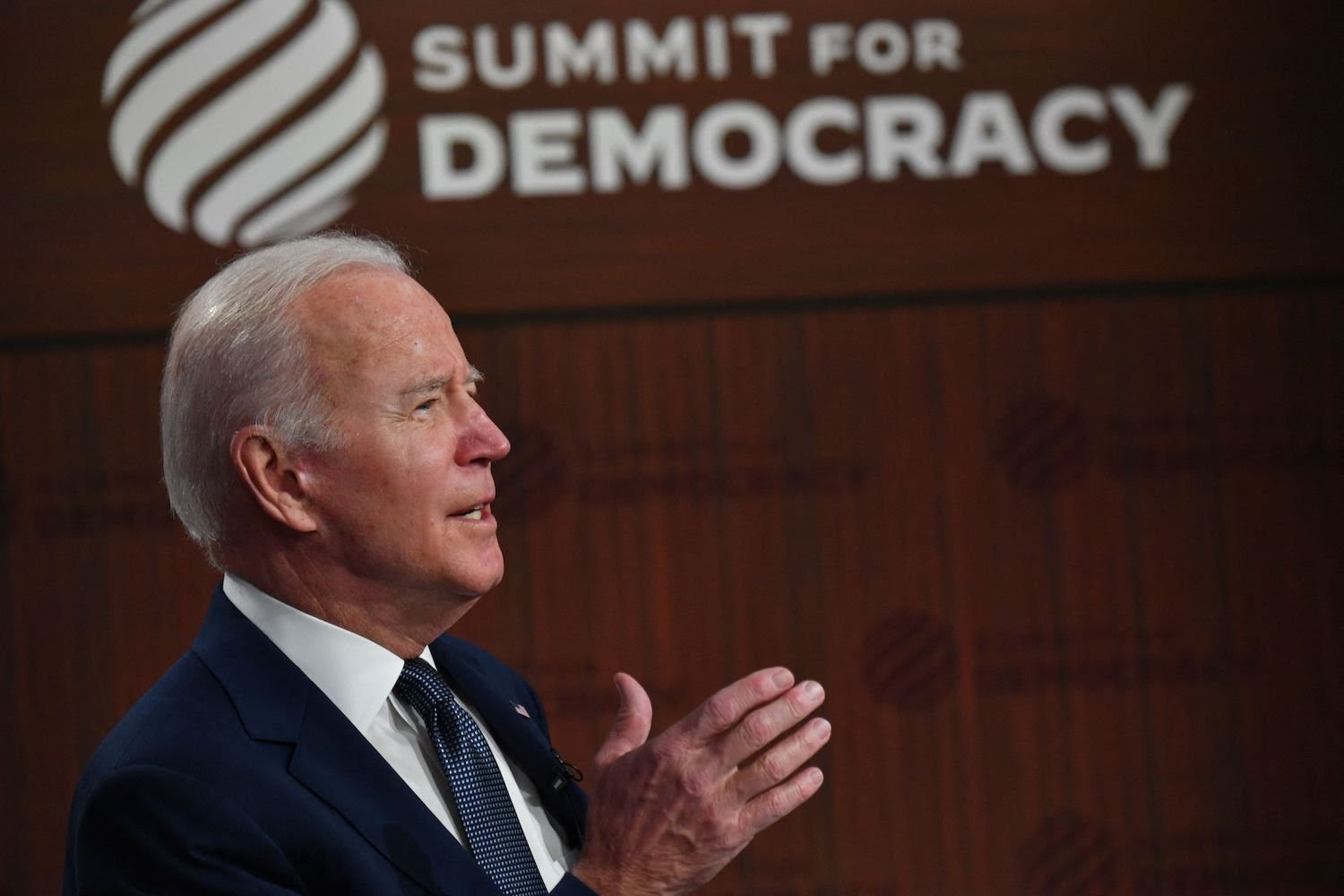
The Biden administration is inviting around 120 countries to join its Summit for Democracy next week, but two of its NATO allies aren’t getting a call.
Turkey and Hungary have been left off the invitation list for the major summit, which Team Biden bills as one of its hallmark foreign-policy initiatives, meant to shore up democracies worldwide and stanch the rise of autocracies.
Backsliding. The spurning of two NATO allies, confirmed by three U.S. officials who spoke to SitRep, reflects a mounting concern with the degree of democratic backsliding in Turkey and Hungary, even though Washington is relying on both to support the West’s strategy against Russia as the war in Ukraine rages on—and needs both to approve Finland and Sweden’s bids to join NATO as full-fledged allies.
– having regard to its previous resolutions on Cambodia,
– having regard to Rules 144(5) and 132(4) of its Rules of Procedure,
A. whereas on 3 March 2023, following a trial deemed by UN experts to have ‘failed to meet the standard of either Cambodian or international human rights law’, Phnom Penh Municipal Court sentenced Kem Sokha to 27 years in jail, which he is temporarily allowed to serve under house arrest, and indefinitely suspended his political rights to vote and to stand for election; Tiếp tục đọc “European Parliament resolution of 16 March 2023 on Cambodia: the case of opposition leader Kem Sokha”→
Việt Nam, one of the EU’s main importer of forestry-based products is facing great challenges in adapting to these new policies from the EU.
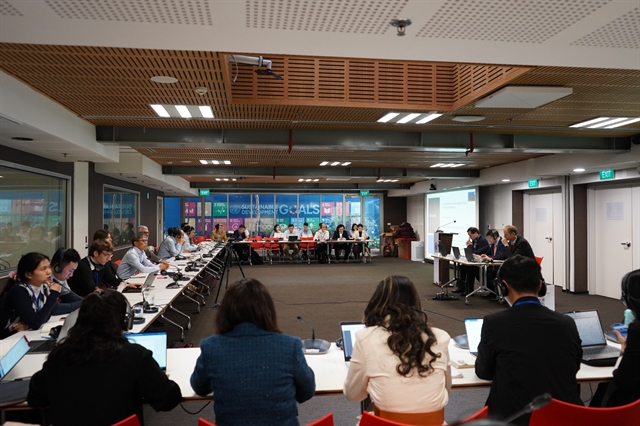
The workshop in Green One UN House in Hà Nội on Friday. — Photo courtesy of UNDP Việt Nam
HÀ NỘI — Around 90 per cent of deforestation in the world is currently provoked by the expansion of agricultural land, according to a report from the European Union.
This is one of the main reasons why the EU is enforcing regulations on trade in legal and “deforestation-free” commodities and products.
In European cities, young people of Arab descent often see themselves as socially, economically and culturally excluded from their immediate environment. In some cases, they are also vulnerable to radicalisation. Tiếp tục đọc “The Other Face of Europe”→
For years, controversy has surrounded FIFA’s choice of the 2022 World Cup host. Thanks to new Qatargate revelations, scathing headlines will haunt this year’s World Cup well after the final showdown between Argentina and France this weekend.
Last Friday, allegations emerged that the Qatari government has bribed current and former members of the European Parliament and their staff to tone down criticism in the lead-up to the prestigious tournament and win other favours. European Parliament’s Bureau met without Eva Kaili, who has been implicated in the Qatargate scandal, on 12 December. Photo: Daina Le Lardic/European Parliament
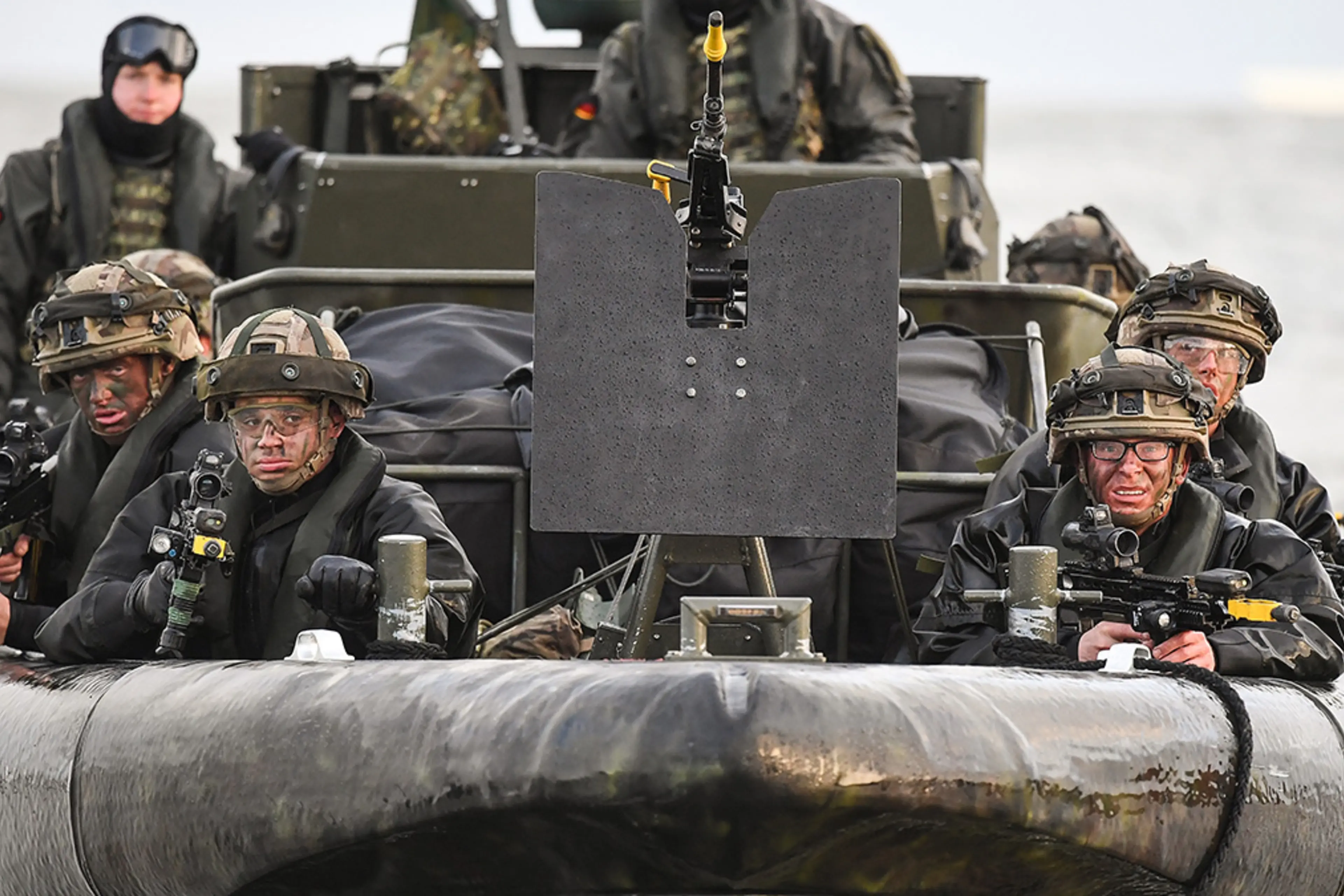
BALTIC SEA — Standing NATO Maritime Group 1 (SNMG1) and Standing NATO Mine Countermeasures Group 1 (SNMCMG1) joined 12 nations for Finnish Navy exercise Freezing Winds in the Baltic Sea from Nov. 22 to Dec. 2.
One of NATO partner nation Finland’s largest maritime exercises, Freezing Winds offered both the Finnish Navy, as well as participating nations and NATO, valuable training opportunities that contribute to increased maritime safety and security in the Baltic Sea region.
The exercise focused on interoperability between the multinational joint forces.
“Cooperation with the Finnish Navy remains strong,” Royal Netherlands Navy Commodore Jeanette Morang, commander SNMG1 said. “Of course there are always challenges when it comes to communication, but that is exactly why we train – to improve. From our perspective, we wanted not only to contribute, but we also wanted to learn in this exercise to develop a deeper understanding of regional maritime issues specific to Finland.”
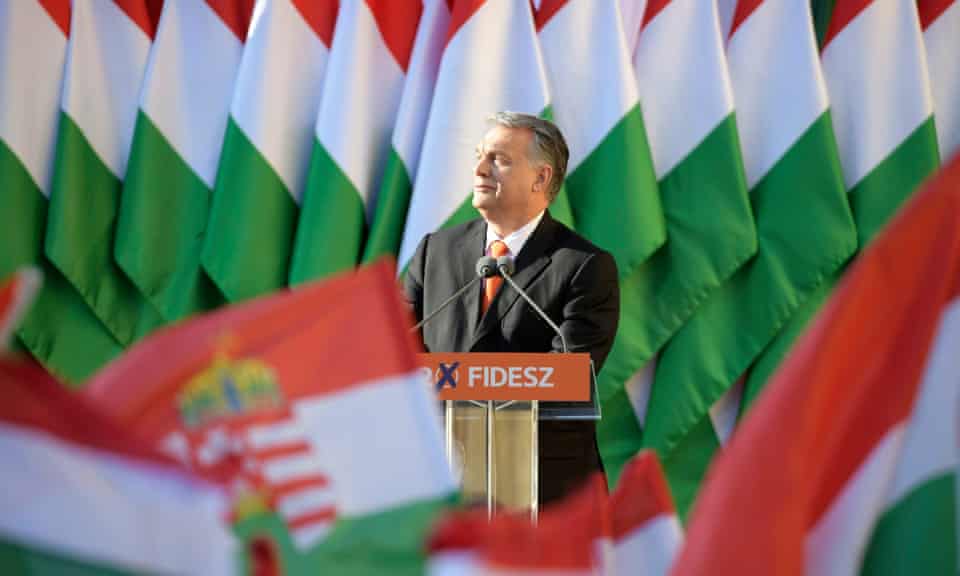
For the hardline conservatives ruling Poland and Hungary, the transition from communism to liberal democracy was a mirage. They fervently believe a more decisive break with the past is needed to achieve national liberation. By Nicholas Mulder
Europe’s energy independence from Russia, including in its financial aspects, will be a key topic of discussion at a two-day summit in Versailles hosted by the French EU presidency. [France Diplomatie – MEAE]
European Union leaders will tackle ways to wean themselves off Russian fossil fuels on Thursday (10 March) and debate how quickly to ditch their key supplier, with countries split over whether to sanction oil and gas imports as Moscow wages war in Ukraine.
The European Union’s 27 leaders are in Versailles today for a summit that could prove to be historic. They are expected to sign the “Versailles Declaration,” intended to formalize the far-reaching but ad hoc policy changes the EU has implemented in response to Russia’s invasion of Ukraine, which is now entering its third week. The measures under discussion would strengthen the union’s existing military, economic and border control capabilities, while also giving the bloc new powers in those areas that will push it further down the path toward federalism.
The symbolism of the decision to sign the declaration at the Palace of Versailles—where the Versailles Treaty, another pivotal document that proved central to the remaking of Europe after World War I, was signed in 1919—is not lost on anyone. In 1919, Europe’s leaders got it very wrong. Will they get it right this time? It’s very hard to say, since nobody knows what the world that emerges after the war in Ukraine will look like.
Mới đây, Mỹ và Australia đã tiến hành cuộc tham vấn thường niên theo cơ chế “2+2” lần thứ 31, trong đó nhấn mạnh tới những quan ngại về Biển Đông, cũng như đề cao việc thượng tôn luật pháp quốc tế, bao gồm Công ước Liên hợp quốc về Luật Biển năm 1982 (UNCLOS).
(Từ trái qua phải) Bộ trưởng Quốc phòng Australia Peter Dutton, Ngoại trưởng Australia Marise Payne, Ngoại trưởng Mỹ Anthony Blinken, Bộ trưởng Quốc phòng Mỹ Lloyd Austin trong cuộc gặp tại Thủ đô Washington, Mỹ trong tuần trước. Ảnh: REUTERS
On 19 April 2021, the Council adopted conclusions on an EU Strategy for cooperation in the Indo-Pacific [1]. As a follow-up to the Council conclusions, the Commission and the High Representative presented a Joint Communication on the EU’s Indo-Pacific Strategy on 16 September 2021.
Why an EU Strategy for cooperation in the Indo-Pacific?
The Indo-Pacific region is increasingly becoming strategically important for the EU. The region’s growing economic, demographic, and political weight makes it a key player in shaping the international order and in addressing global challenges.
The EU and the Indo-Pacific are highly interconnected. The EU is already the top investor, the leading development cooperation partner and one of the biggest trading partners in the Indo-Pacific region. Together, the Indo-Pacific and Europe hold over 70% of the global trade in goods and services, as well as over 60% of foreign direct investment flows.
The Commission and the High Representative invite the European Parliament and the Council to endorse the approach set out in this Joint Communication and to work together on the implementation of its actions and their review.
2021 G7 Leaders’ communiqué: Our shared agenda for global action to build back better
We, the leaders of the Group of Seven, met in Cornwall on 11-13 June 2021 determined to beat COVID-19 and build back better. We remembered everyone who has been lost to the pandemic and paid tribute to those still striving to overcome it. Inspired by their example of collaboration and determination, we gathered united by the principle that brought us together originally, that shared beliefs and shared responsibilities are the bedrock of leadership and prosperity. Guided by this, our enduring ideals as free open societies and democracies, and by our commitment to multilateralism, we have agreed a shared G7 agenda for global action to:




 On 19 April 2021, the Council adopted conclusions on an EU Strategy for cooperation in the Indo-Pacific
 CVD
CVD 