At first, China was very interested in Vietnam’s ‘North-South High-Speed Rail’ project, but many things happened along the way, causing Chinese companies to have concerns and be unwilling to invest further.
In 2011, China Railway Sixth Group undertook the Hanoi Jileng – Ha Dong Light Rail Project. It was originally planned to be completed in 3-4 years, but upon the completion of the project, the Vietnamese side demanded an additional 50 million USD from the Chinese side as a ‘service testing fee.’ When the Chinese side refused, the Vietnamese side withheld the final payment. In order to avoid settling the final payment, the Vietnamese side hired the French consulting company ACT to assess the entire plant. The results showed that the project met quality standards. Ultimately, after the construction period was extended to 10 years, the project was only completed for acceptance and final payment settlement in 2021, and the disputed 50 million USD was never paid.
“WHO khuyến cáo, Việt Nam cần xây dựng lộ trình thuế suất thuế tiêu thụ đặc biệt với đồ uống có đường để đến năm 2030 thuế suất đạt 20% giá bán lẻ (tương đương mức thuế tiêu thụ đặc biệt 40% theo giá xuất xưởng ở Việt Nam). Đây là mức thuế đủ mạnh để đạt hiệu quả bảo vệ sức khỏe theo khuyến cáo của WHO.”
Vietnam is often portrayed as losing influence in Laos and Cambodia to China. But the construction of key infrastructure gives Hanoi some measure of agency.
Vietnam is often portrayed as steadily losing its traditional influence in neighbouring Laos and Cambodia to China. Such assessments overlook an emerging dimension of Hanoi’s statecraft: by building critical infrastructure along its southwestern coast and granting Laos maritime access, Hanoi is transforming its coastline into strategic leverage to counter regional power shifts and consolidate its geopolitical footprint.
Laos – the only country having “special relations” with Vietnam, rooted in shared revolutionary history and deep political trust – has long relied on overland routes to Thailand and the Chinese-built Kunming-Vientiane high-speed train. This has improved connectivity across its mountainous terrain and boosted trade with China, but saddled Vientiane with heavy debts.
Vietnam offers a cheaper alternative: providing direct maritime access to help Laos overcome its landlocked geography. Since 2001, Vung Ang Port in Ha Tinh province — the nearest major port to the Vietnam-Laos border — has been developed with three berths, granting Laos not just access but substantive control. Through the Lao-Viet International Port Company, the Lao government has expanded its stake from 20 per cent to 60 per cent, securing management rights and development priority over the port.
With a designed throughput exceeding 6.5 million tonnes per year, Vung Ang is becoming an important maritime outlet for Laos, handling its minerals exports and other bulk commodities, as well as cargo from northeastern Thailand. The 585km Vientiane-Vung Ang corridor is approximately 200km shorter than the route via Bangkok to Thailand’s Laem Chabang port, saving transport time and logistics costs. Both countries are discussing upgrades to rail and road connectivity along this axis, including the proposed Vientiane-Vung Ang railway and Vientiane-Hanoi expressway.
TP – Với gần một triệu doanh nghiệp, khoảng 5 triệu hộ kinh doanh cá thể, khu vực kinh tế tư nhân hiện đóng góp khoảng 51% GDP, hơn 30% ngân sách Nhà nước, tạo ra hơn 40 triệu việc làm, chiếm hơn 82% tổng số lao động trong nền kinh tế, đóng góp gần 60% vốn đầu tư toàn xã hội.
Dù được coi là thành tố quan trọng để phát triển nền kinh tế, đóng góp ngày càng lớn, kinh tế tư nhân hiện vẫn đối mặt với nhiều rào cản, không thể bứt phá về quy mô và năng lực cạnh tranh.
Bài 1: Nguồn lực chưa được khơi thông
Những hạn chế phát triển của doanh nghiệp tư nhân thời gian qua xuất phát một phần từ những bất cập của hệ thống thể chế, chính sách kinh tế và môi trường kinh doanh. Những điểm nghẽn này không chỉ kìm hãm tốc độ tăng trưởng của khu vực kinh tế tư nhân, khiến tỷ trọng đóng góp của khu vực này trong GDP gần như không thay đổi trong hơn một thập kỷ qua, mà còn cản trở nền kinh tế nâng cao giá trị gia tăng, thoát khỏi bẫy thu nhập trung bình.
Doanh nghiệp tư nhân còn gặp nhiều rào cản trong tiếp cận nguồn lực, đặc biệt là vốn tín dụng, đất đai, tài nguyên và nhân lực chất lượng cao, nhất là trong các ngành công nghệ, kỹ thuật và tài chính. Ảnh: Nguyễn BằngTiếp tục đọc “Đòn bẩy cho một Việt Nam thịnh vượng (13 bài)”→
[1/3]A logo on a Vinfast electric car and Vietnam’s national flag sticker at the ’80 Years Journey of Independence – Freedom – Happiness’ expo ahead of the country’s Independence Day celebration, at the National Exhibition Center in Hanoi, Vietnam, August 31, 2025. REUTERS/Athit Perawongmetha/File Photo Purchase Licensing Rights, opens new tab
Summary
Hanoi backs national champions with ‘preferential’ policies
Vingroup encouraged to bid for $70 billion railway, sources say
Central bank, finance ministry, Fitch flag financial risks
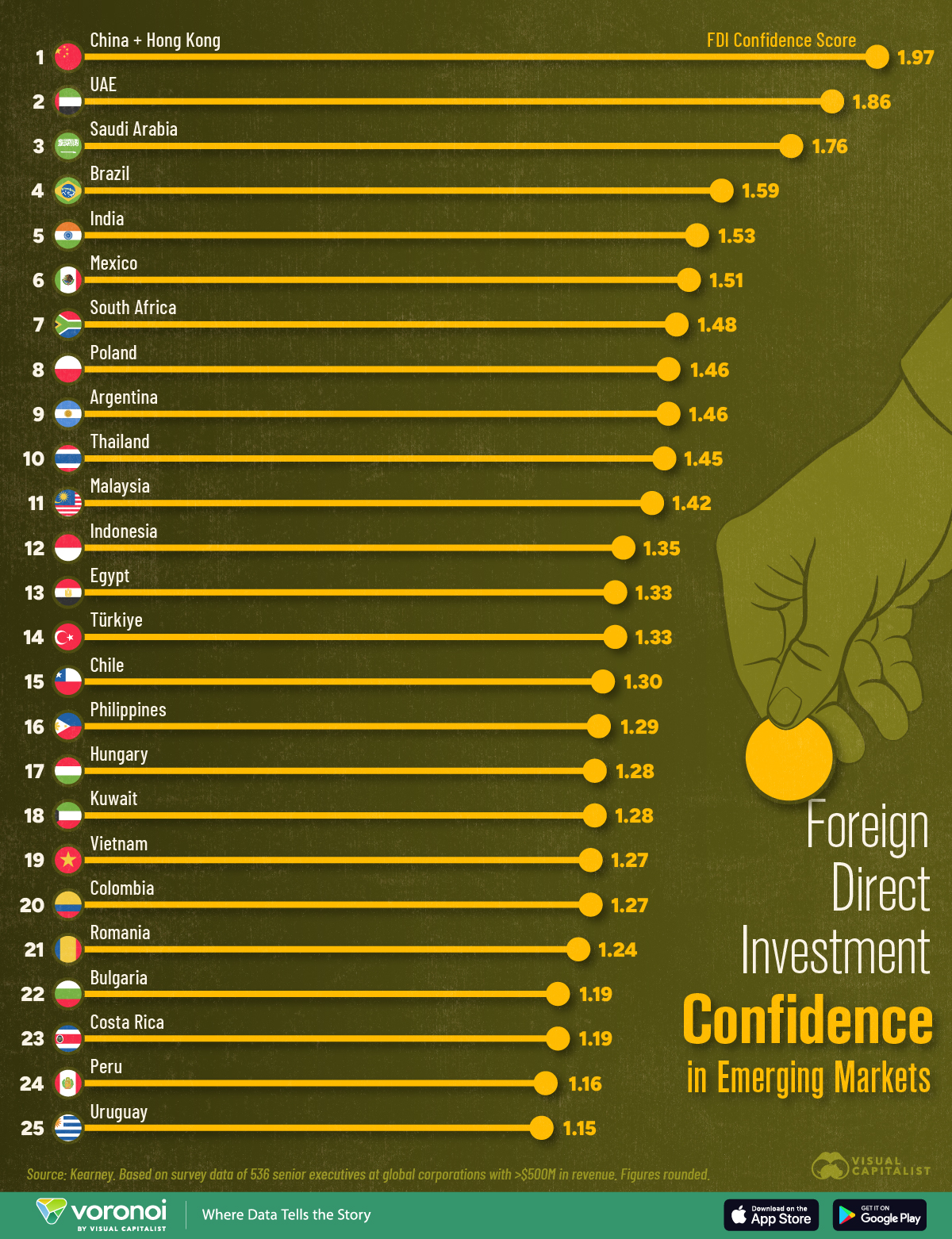
China, the UAE, and Saudi Arabia are the top three emerging markets by FDI confidence in 2025
Brazil overtook India to take the fourth spot, with both countries making the top five
Domestic economic performance and efficiency of legal and regulatory processes were the top two priorities for FDI investors
Emerging markets often attract foreign investors with prospects for higher economic growth and diversification.
Where are global business leaders placing their foreign direct investment (FDI) bets in 2025?
This chart highlights the top 25 emerging markets by FDI confidence score in 2025, based on a survey conducted by Kearney. The rankings are drawn from responses by 536 senior executives at global companies with annual revenues above $500 million.
China Leads in Foreign Investor Sentiment
China (including Hong Kong) remains the top emerging market for foreign investor confidence in 2025. However, FDI inflows have slowed in recent years, hitting multi-year lows in 2023.
Following China, the UAE and Saudi Arabia also retain their places as the second and third-most favored developing economies for FDI.
Here’s a look at the full list of top emerging markets for FDI confidence in 2025:Search:
Rank
Country
FDI Confidence Score
1
China (including Hong Kong) 🇨🇳🇭🇰
1.97
2
United Arab Emirates 🇦🇪
1.86
3
Saudi Arabia 🇸🇦
1.76
4
Brazil 🇧🇷
1.59
5
India 🇮🇳
1.53
6
Mexico 🇲🇽
1.51
7
South Africa 🇿🇦
1.48
8
Poland 🇵🇱
1.46
9
Argentina 🇦🇷
1.46
10
Thailand 🇹🇭
1.45
Brazil and India—two of the biggest emerging economies by GDP—round out the top five, with Brazil overtaking India in FDI confidence in the 2025 rankings.
These rankings align with investors’ FDI priorities from the same survey, where the efficiency of legal and regulatory processes and domestic economic performance top the list.
South Africa made the largest upward move in 2025, jumping from 11th to 7th in the rankings. It also recorded FDI inflows of around $661 million in Q1 2025, up 56% from the fourth quarter of 2024.
Overall, 11 of the top 25 emerging markets for FDI confidence are in Asia and the Middle East.
What’s Driving Investor Confidence?
The factors driving FDI confidence vary for each economy.
In China, tech innovation was the leading driver of investor confidence, while economic performance ranked highest for the UAE and Saudi Arabia.
Meanwhile, the talent/skill of the labor pools in India and Mexico were the strongest factors attracting investors.
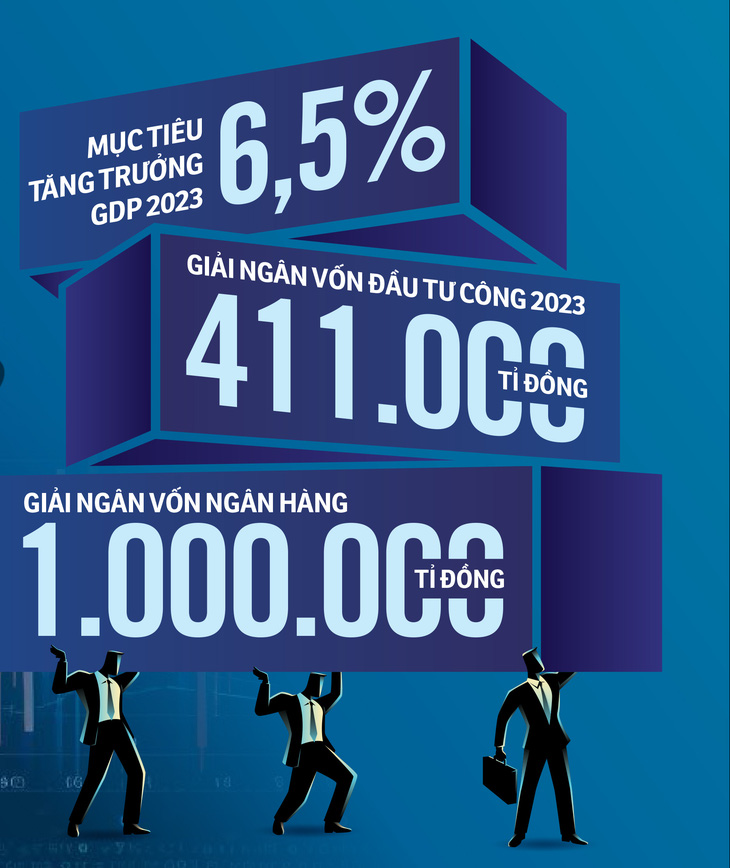
Trong lúc kinh tế “khó đều trời” thì hàng trăm nghìn tỉ đồng vốn đầu tư công tiêu xài nhỏ giọt, tiền nằm chờ trong ngân hàng cả triệu tỉ đồng.
Đồ họa: TẤN ĐẠT
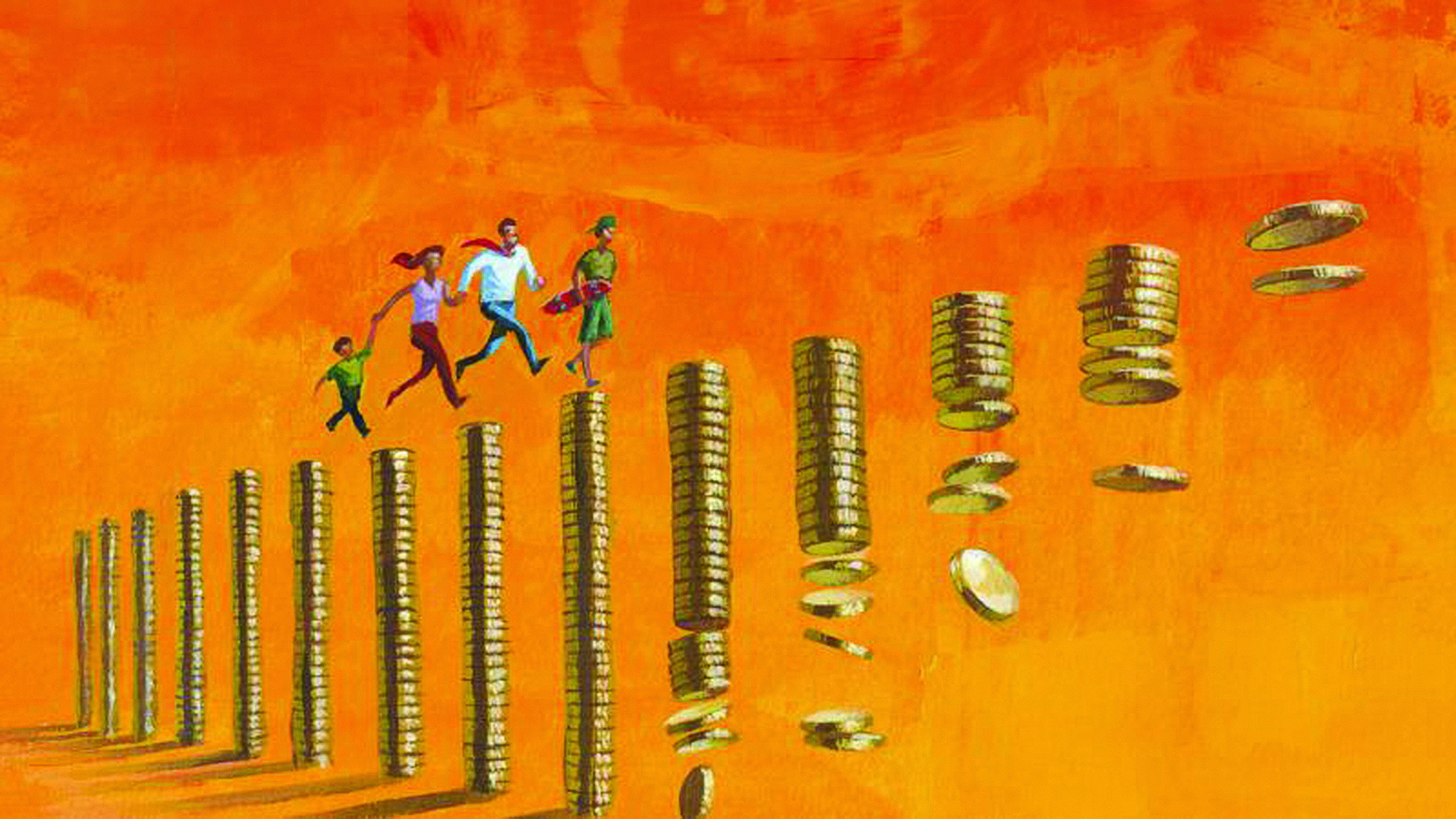
Vấn đề đặt ra lúc này là phải thúc cho đồng tiền chạy vào nền kinh tế, tạo ra giá trị mới.
Đầu tư công là động lực tăng trưởng quan trọng của nền kinh tế trong bối cảnh tư nhân gặp khó hiện nay, nhưng tám tháng qua giải ngân đầu tư công cả nước mới đạt khoảng 299.450 tỉ đồng, tương đương 42,35% kế hoạch cả năm.
Các chuyên gia dự báo nếu hoàn thành mục tiêu giải ngân 95% vốn đầu tư công trong năm nay thì GDP năm 2023 sẽ tăng thêm khoảng 1,3%.
Thúc giải ngân các dự án giao thông lớn
Tại TP.HCM, trong số 68.786 tỉ đồng vốn đầu tư công năm 2023, tính đến ngày 17-8 mới giải ngân được 19.133 tỉ đồng, tương đương 27% kế hoạch vốn được giao. Trong báo cáo tình hình giải ngân năm 2023 vừa gửi tới Bộ Kế hoạch và Đầu tư, UBND TP cho biết giải ngân vốn ngân sách trung ương trong tám tháng đạt 11.200 tỉ đồng và từ ngân sách địa phương đạt khoảng 7.933 tỉ đồng.
Như vậy, tỉ lệ giải ngân của TP.HCM trong tám tháng thấp hơn khá nhiều so với tỉ lệ giải ngân 42,35% của cả nước.
Laos is facing one of its worst economic crises in decades, with the country experiencing galloping inflation and staring at a debt default.
Inflation in Laos has hit a 22-year high, causing a scarcity of essential commodities like fuel
Laos’ economy has been on the brink of collapse due to a spiraling debt crisis that is crippling the country’s finances and bringing it perilously close to default.
In June, the Southeast Asian nation’s Statistics Bureau announced that inflation hit a 22-year high of 23.6%, causing staple goods to become scarce and eroding the population’s purchasing power.
TTCT – Áp lực nợ công được dự báo sẽ còn tăng mạnh với các nước đang phát triển. Việt Nam cần sẵn sàng cho những kịch bản xấu hơn hiện giờ.
Ảnh: Reason Magazine
Trong khi nợ công của Việt Nam hiện được đánh giá chưa phải là nỗi lo quá lớn, thì những diễn biến bất ổn ở khu vực châu Á, cũng như tình trạng nợ của khối FDI, doanh nghiệp nhà nước và sự yếu kém của hệ thống ngân hàng nói chung sẽ gây ra những áp lực lên tài chính khu vực công. Sự cẩn trọng và tiên liệu là không bao giờ thừa, nhất là trong hoàn cảnh đầy bất trắc hiện tại.
Phải tung gói hỗ trợ y tế và kích thích kinh tế vì đại dịch, đối phó với khủng hoảng giá năng lượng, lạm phát, cộng thêm đồng USD lên giá, nhiều quốc gia đang phải đối mặt áp lực chi trả nợ công ngày một lớn.
Quỹ Tiền tệ quốc tế (IMF) cảnh báo nhiều nước đang phát triển ở châu Á có thể lún sâu vào nợ nần và đối mặt rủi ro từ các khoản nợ chồng chất. Sri Lanka không còn có khả năng trả nợ nước ngoài và lâm vào khủng hoảng kinh tế. Hay gần đây, các nhà đầu tư bắt đầu lo ngại Pakistan có thể gặp rắc rối khi đồng nội tệ giảm giá mạnh so với đồng USD.
Rising prices are hurting wallets across the world. The crisis is particularly bad in Sri Lanka and Turkey, and in Japan, people are facing inflation for the first time in decades.
Nikkei staff writersMay 20, 2022 07:38 JST
NEW YORK — Welcome to Nikkei Asia’s podcast: Asia Stream.
Every episode, Asia Stream tracks and analyzes the Indo-Pacific with a mix of expert interviews and original reporting by our correspondents from across the globe.
In this April 29, 2015, file photo, a snack and fruit vendor waits for customers near the advertisement board of a shopping mall and apartment building in Ho Chi Minh City, Vietnam.Credit: AP Photo/Dita Alangkara, File
Vietnam has weathered the COVID-19 crisis better than most nations. The spread of the virus has been managed well, and despite turmoil in global markets the economy grew by around 3 percent in 2020, while running a $19 billion trade surplus. Investment inflows have likewise remained strong, leaving the country well-positioned for a post-pandemic recovery. How is it that Vietnam has fared so well?
Giá thép tăng nhanh thời gian gần đây, khiến cho nhiều chủ đại lý và các chủ thầu xây dựng gặp khó khăn trong hoạt động kinh doanh. Nhiều ý kiến đặt nghi vấn có sự bắt tay giữa các công ty thép hay có hiện tượng đầu cơ nâng giá mặt hàng này. Tuy nhiên, theo các bộ ngành và doanh nghiệp, đây là động thái hết sức bình thường của thị trường. Khảo sát thông tin giá thép trên thị trường, anh Ngô Khánh, Chủ đại lý sắt thép tại Hà Nội cho hay, hiện giá thép nhập vào ngày hôm nay (6/5) đã ở mức 18.200 đồng/kg, cao hơn 2.000 đồng/kg so với nửa tháng trước và tăng khoảng 5.000 đồng so với hồi đầu năm.
Vietnam is projected to be the fifth highest-growing economy in the world this year and the country has a unique opportunity to increase its footprint in the global economy in both trade and investment,
Stefanie Stallmeister, World Bank Acting Country Director for Vietnam, has said.
Vietnamese goods face tough road to foreign markets due to trade remedies
She made the remarks during the unveiling of the WB’s report “What will be the new normal for Vietnam? The economic impact of COVID-19” on July 30.




 CVD
CVD 