Nam Thủy Bắc Điều – tham vọng chuyển nước nhiều tranh cãi của Trung Quốc

VNE – Thứ ba, 30/8/2022, 19:00 (GMT+7)

Nam Thủy Bắc Điều – tham vọng chuyển nước nhiều tranh cãi của Trung Quốc

Nam Thủy Bắc Điều là đại dự án đưa nước từ các con sông miền nam tới miền bắc khô hạn của Trung Quốc, nhưng gây nhiều tranh cãi về môi trường.

Sơ đồ các tuyến dẫn nước trong dự án Nam Thủy Bắc Điều. Nguồn dữ liệu: Global Times

Hãng thông tấn Xinhua của Trung Quốc cho biết dự án Nam Thủy Bắc Điều, hệ thống vận chuyển nước lớn nhất thế giới, đưa nước từ miền nam lên miền bắc Trung Quốc xuyên qua lòng sông Hoàng Hà, được thử nghiệm thành công ngày 25/8. Đợt thử nghiệm được tiến hành nhằm đánh giá quá trình vận hành toàn bộ 155 đơn vị và đưa toàn bộ đại dự án vào hoạt động.

Tiếp tục đọc “Nam Thủy Bắc Điều – tham vọng chuyển nước nhiều tranh cãi của Trung Quốc”

As livelihoods clash with development, Vietnam’s Cần Giờ mangroves are at risk

Mongabay – by Lam Nguyen and Danielle Keeton-Olsen on 28 February 2023

  • Cần Giờ, a coastal district of Ho Chi Minh City, is home to a 75,740-hectare (187,158-acre) mangrove forest, planted and maintained as part of post-war reforestation efforts.
  • The district’s residents largely depend on aquaculture, shellfish gathering and small-scale ecotourism for their livelihoods.
  • The government and developers hope to market the area as an ecotourism city based on its natural beauty and post-war success story, but major projects could disrupt Cần Giờ’s precarious balance between ecosystems and livelihoods.
  • All names of sources in Cần Giờ have been changed so people could speak freely without fearing repercussions from authorities.

Tiếp tục đọc “As livelihoods clash with development, Vietnam’s Cần Giờ mangroves are at risk”

Joint Declaration Against Trade-Related Economic Coercion and Non-Market Policies and Practices

The governments of Australia, Canada, Japan, New Zealand, the United Kingdom, and the United States of America released the following Joint Declaration on 9 June 2023.

From: Department for Business and Trade Published9 June 2023

The use of trade-related economic coercion and non-market-oriented policies and practices (“non-market policies and practices”) threatens and undermines the rules-based multilateral trading system and harms relations between countries. The purpose of this Declaration is to express our shared concern and affirm our commitment to enhance international cooperation in order to effectively deter and address trade-related economic coercion and non-market policies and practices.

  1. We express serious concern over trade-related economic coercion and non-market policies and practices that undermine the functioning of and confidence in the rules-based multilateral trading system by distorting trade, investment, and competition and harming relations between countries. Trade-related economic coercion and non-market policies and practices threaten the livelihoods of our citizens, harm our workers and businesses, and could undermine global security and stability.
  2. Tiếp tục đọc “Joint Declaration Against Trade-Related Economic Coercion and Non-Market Policies and Practices”

Ten hydroelectric reservoirs reach ‘dead level’

vietnamplus.vn

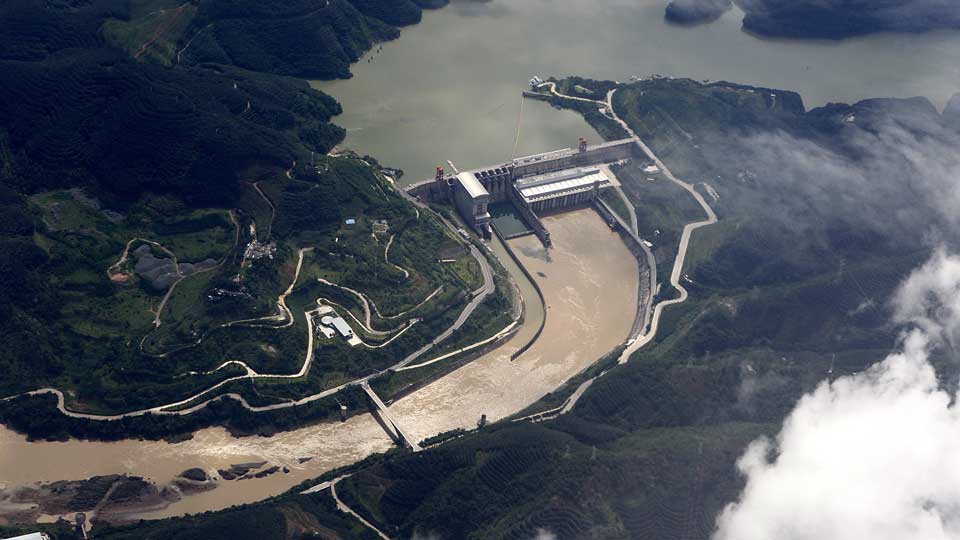
Hydroelectric reservoirs’ water levels are lower than annual averages, according to a May 10 report from Vietnam Electricity Group (EVN), and 10 are either close to or under the ‘dead level’.

Current water levels at Lai Chau hydroelectric reservoir. (Photo: kinhtedothi.vn)

Hanoi (VNS/VNA) – Hydroelectric reservoirs‘ water levels are lower than annual averages, according to a May 10 report from Vietnam Electricity Group (EVN), and 10 are either close to or under the ‘dead level’.

During the monitoring of the national electricity system in April and early May, prolonged intense heat waves across a wide area led to a significant increase in electricity consumption.

Even though the early May heatwave in the northern region only lasted a few days, it resulted in very high levels of power capacity and electricity consumption throughout the country.

For instance, the total power consumption on May 6, albeit a Saturday, reached 43,300 megawatts, while the total energy consumption reached 895 million kilowatts per hour (kWh).

Forecast for the upcoming months of May, June, and July indicates that the northern region will enter the peak period of hot weather, resulting in an increasing trend of electricity consumption, surpassing the planned operation of the national power system approved by the Ministry of Industry and Trade.

Meanwhile, the hydrological situation of reservoirs in recent months has experienced unfavourable fluctuations, significantly lower than the multi-year average.

Many hydropower reservoirs across the country are facing water shortages, with several hydropower reservoirs in the central and southern regions experiencing low water levels.

According to the EVN, 10 are close or under the “dead level”, which means that the total consumption is under 4,500 megawatts.

These reservoirs are Lai Chau, Tri An, Ialy, Ban Chat, Huoi Quang, Trung Son, Buon Kuop, Buon Tua Srah, Srepok 3, and Song Ba Ha.

The remaining electricity production in the entire system is 4.5 billion kWh, which is 1.6 billion kWh lower than the planned amount and 4.1 billion kWh lower than the same period in 2022.

According to the forecast by the National Centre for Hydro-Meteorological Forecasting (NCHMF), as El Nino is expected to occur in the later months of 2023, there will be higher temperatures and lower rainfall compared to the multi-year average, which will further contribute to a decreasing trend in water inflow to reservoirs during the second half of the year.

To deal with this situation, EVN asked its customers to tighten energy-saving consumption, especially in the noon and evening hours.

EVN recommends putting air conditioners at a reasonable level, between 26 to 27 degrees Celsius, and avoiding using multiple high-capacity electrical devices simultaneously./.

Con đường Facebook

Mai Thanh Hải – Nguyễn Độc Lập

13/11/2022 06:34 GMT+7

TN Bản Máy là xã biên giới thuộc H.Hoàng Su Phì, Hà Giang. Đây là xã nằm trong danh sách đặc biệt khó khăn, do ở địa bàn hẻo lánh, đi lại khó khăn, thời tiết khí hậu khắc nghiệt, kinh tế chủ yếu tự cung tự cấp.

Xã Bản Máy có 4 thôn bản, trong đó cụm Mã Tẻn là khó khăn nhất. Từ trung tâm xã, chỉ có cách đi xe máy (thời tiết nắng ráo) hoặc đi bộ (trời mưa, mùa đông mây mù), với quãng đường gần 7 km mới tới trung tâm của thôn là điểm trường mầm non Mã Tẻn (thuộc Trường mầm non Bản Máy), nằm cách đường biên khoảng 300 m theo đường chim bay. Từ vị trí này có thể nhìn rõ người, xe bên Trung Quốc.

Mã Tẻn nằm trên vùng núi cao, mây mù bao phủ nhiều tháng trong năm – NGUYỄN ĐỘC LẬP

Tiếp tục đọc “Con đường Facebook”

Vietnam’s power blackouts hit multinationals’ manufacturing hubs

reuters.com

By Khanh Vu  and Francesco Guarascio

June 5, 2023 – 4:33 PM GMT+7

Vietnam's power blackouts hit multinationals' manufacturing hubs

FILE PHOTO: Samsung centre building is seen in Hanoi Vietnam May 29, 2023. REUTERS/Francesco Guarascio

HANOI, June 5 (Reuters) – Vietnam’s rolling power cuts have hit industrial parks in the country’s northern provinces where top global manufacturers such as Foxconn and Samsung have factories, officials said on Monday, as a surge in consumption amid a heatwave stretched the power supply system.

The frequent and often unannounced power cuts prompted EuroCham, which represents European companies in the country, to send a letter on Monday to the industry and trade ministry urging quick measures to address the emergency.

Some industrial parks in the northern provinces of Bac Ninh and Bac Giang have been facing blackouts, said two local investment officials, declining to be named as they were not authorised to speak to media.

“We are working with EVN later today to discuss the situation and possible measures to limit the impacts,” one of the officials said, referring to the country’s state utility Electricity of Vietnam.

The provinces house production facilities of Samsung Electronics , Foxconn, Canon Inc and Luxshare, among others.

Tiếp tục đọc “Vietnam’s power blackouts hit multinationals’ manufacturing hubs”

Hanoi residents, firms struggle with blackouts amid heatwave

tuoitrenews.vn

Sunday, June 04, 2023, 19:21 GMT+7

Long power cuts made life harder for residents and enterprises in suburban areas of Hanoi amid the scorching weather on Saturday.

Residents sought ways to escape the heatwave while many enterprises suspended their operations during the blackouts.

In particular, part of Lai Yen Commune, Hoai Duc District suffered a power outage, causing many enterprises and business establishments to close.

The Trung Yen gas station in the Lai Yen Industrial Cluster in the namesake commune erected the ‘out of gasoline’ sign from the early morning until afternoon on Saturday due to the power cut.

Hue, a chef in the Lai Yen Industrial Cluster, said it was extremely hot during power cuts and she could not prepare meals for workers.

Two ventilation fans, an evaporative cooler, and an industrial fan are normally needed while she is cooking.

“I cannot cook without electricity. I have to buy noodles for workers. After the meal, they cannot do anything [as there is no power],” she complained.

Tiếp tục đọc “Hanoi residents, firms struggle with blackouts amid heatwave”

Vì sao thiếu điện mà EVN chưa mua điện gió?

vietnamnet.vn

Để các dự án năng lượng tái tạo được sớm phát lên lưới, trách nhiệm không chỉ nằm ở EVN mà còn của Bộ Công Thương, UBND các tỉnh và nhất là các chủ đầu tư.

Được mở đường, nhà đầu tư vẫn lừng khừng

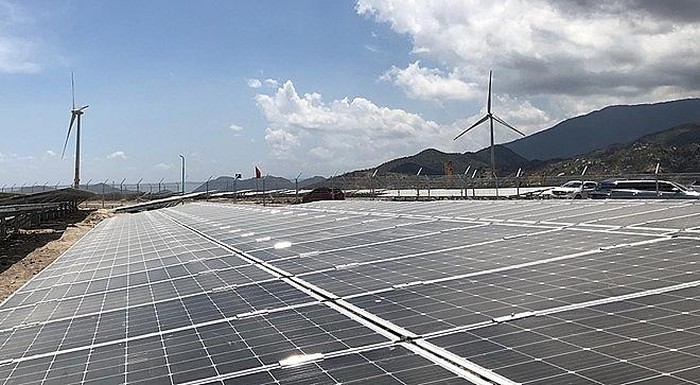
Đến nay có 85 dự án điện tái tạo (gồm 8 dự án điện mặt trời và 77 dự án điện gió), với tổng công suất hơn 4.700MW đã và đang đầu tư, xây dựng và lỡ hẹn giá ưu đãi vì giá FiT cho điện gió kết thúc vào tháng 31/10/2021 và điện mặt trời kết thúc vào tháng 12/2020.

Nhiều dự án điện gió, điện mặt trời lỡ hẹn giá FiT. Ảnh: Thạch Thảo

Mãi đến ngày 7/1/2023, Bộ trưởng Công Thương mới ban hành quyết định về khung giá phát điện nhà máy điện mặt trời, điện gió chuyển tiếp. Sự chậm trễ này rõ ràng có phần trách nhiệm của Bộ Công Thương.

Nhưng từ đó đến giữa tháng 5/2023, rất ít chủ đầu tư gửi hồ sơ đàm phán đến Công ty mua bán điện thuộc EVN (EPTC) vì nhà đầu tư “chê” mức giá đó là quá thấp.

Căn cứ mức giá trần này, mỗi kWh điện mặt trời mặt đất có giá tạm tính là 592,45 đồng; điện mặt trời nổi là 754,13 đồng; điện gió trong đất liền là 793,56 đồng; điện gió trên biển là 907,97 đồng.

Tiếp tục đọc “Vì sao thiếu điện mà EVN chưa mua điện gió?”

ESG-Environmental, Social, Governance , SRI- Social Responsibly Investing, and Impact Investing: What’s the Difference?

Investopia.com

KEY TAKEAWAYS

  • A growing number of investors want to encourage companies to act responsibly in addition to delivering financial returns.
  • The terms environmental, social, and governance (ESG), socially responsible investing (SRI), and impact investing are often used interchangeably, but have important differences.
  • ESG looks at the company’s environmental, social, and governance practices alongside more traditional financial measures.
  • Socially responsible investing involves choosing or disqualifying investments based on specific ethical criteria.
  • Impact investing aims to help a business or organization produce a social benefit.

Investing is no longer just about the returns. A growing number of investors also want their money to fund companies as committed to a better world as they are to their bottom line.

Socially responsible investing and one of its subsets, impact investing, have attracted more than one-third of the assets under professional management in the U.S., according to a 2020 survey by the U.S. Forum for Sustainable and Responsible Investment. That amounted to more $17 trillion in assets under management based on socially responsible criteria, an increase of 42% from 2018.1

The growing demand has fueled a proliferation of funds and strategies that integrate ethical considerations into the investment process. Environmental, social, and governance (ESG), socially responsible investing (SRI), and impact investing are industry terms often used interchangeably by clients and professionals alike, under the assumption that they all describe the same approach. However, these terms have subtle differences of meaning.

ESG

Tiếp tục đọc “ESG-Environmental, Social, Governance , SRI- Social Responsibly Investing, and Impact Investing: What’s the Difference?”

Các đối tác nước ngoài mong Luật Viễn thông sửa đổi mở cơ hội với Internet vệ tinh

Trịnh Nguyễn – Thứ Năm 23/03/2023 21:49 (GMT+7)

VietTimes –  Sáng 23/3, Liên đoàn Thương mại và Công nghiệp Việt Nam đã tổ chức hội thảo về Dự thảo Luật Viễn thông (sửa đổi). Đây là một bộ luật được các đối tác nước ngoài quan tâm với mong muốn mở ra cơ hội cho họ.

Các đối tác nước ngoài rất quan tâm đến việc Việt Nam sửa đổi Luật Viễn thông

Theo ý kiến của bà Nguyễn Việt Hà, Phó Chủ tịch Hiệp hội Thương Mại Hoa Kỳ tại Hà Nội (AmCham Hanoi), một xu hướng trong ngành viễn thông đang được nhiều quốc gia trên thế giới quan tâm hiện nay đó là sự phát triển dịch vụ viễn thông qua vệ tinh.

Tiếp tục đọc “Các đối tác nước ngoài mong Luật Viễn thông sửa đổi mở cơ hội với Internet vệ tinh”

Warren Buffett’s shifting Asian portfolio

Geopolitics push ‘Oracle of Omaha’ to move away from China and invest in Japan

asia.nikkei.com

KENJI KAWASE, Nikkei Asia chief business news correspondentMAY 24, 2023 04:30 JST

OMAHA, U.S. — For Antonius Budianto, an independent stock investor from Indonesia, it was a dream come true to be in Omaha, Nebraska for the first time.

Traveling from East Java with his wife and 14-year-old daughter, Antonius was standing in a queue in front of Omaha’s CHI Health Center at 3 a.m. to grab a seat at the annual general shareholders meeting of investment company Berkshire Hathaway on May 6. Antonius said they wanted to be “as close as possible” to the podium as his two business idols — Warren Buffett and Charlie Munger — sat and took questions from shareholders in the audience and around the world.

Antonius has been investing in listed stocks in Indonesia for over 20 years, faithfully following the Buffett method: focus on a few companies with strong earnings, handsome dividend payments and sound corporate governance, and hold on to them, sometimes for decades. At Berkshire, this strategy has been distilled into the oft-repeated maxim: “Just hold the goddamn stock,” as Munger put it that day.

For his part, Antonius has been making a living as a full-time professional investor since 2010.

Tiếp tục đọc “Warren Buffett’s shifting Asian portfolio”

Competitive market key to expanding Electric Vehicle charging network

renewableenergymagazine.com

Electric vehicle (EV) charging stations will better serve EV owners if lawmakers and regulators enable a level playing field for competitive providers, concludes a new report entitled “Serving Customers Best: The Benefits of Competitive Electric Vehicle Charging Stations.”

New report finds competitive market key to expanding EV charging network

Courtesy of Ernest Ojeh, Unsplash.

The 52-page report addresses a key aspect of the clean energy transition, finding that utility ownership of EV charging stations is generally not in the public interest and that allowing monopoly utilities to own charging stations will deliver less efficient, lower-quality service and choice to EV owners. This will result in unfair cost shifting to other electricity consumers.

“Regulators and legislators will serve the EV charging public best if they provide for a competitive and nondiscriminatory environment for public charging stations” said Rob Gramlich, President of Grid Strategies and one of the four co-authors of the study. “We should enable the market to work if we want to build-out EV charging infrastructure and give drivers the best prices and services possible along the way.”

The report stresses that extending the monopoly position of utilities into the EV charging sector would hurt the EV charging public and, by extension, the overall effort to electrify transportation.

Frank Lacey, a co-author, emphasises a key finding in the study: “Regulators should proclaim EV charging to be a competitive service and then focus on policies to support the development of the charging network. Competition in charging will lead to the best results for the build-out of EV charging, for consumer pricing of electricity, and for service of EV drivers. The time to make these policy choices is now, before charging becomes monopolised.”

The report makes the following recommendations:

Regulated Rate Policies – Regulators need to consider the impact of regulated rates and rate design on EV charging stations and station owners.

Utility Ownership – Regulators should ban or disfavor utility ownership of charging stations.

Distribution Planning – Regulators should support an increased focus on planning using state-of-the-art tools and should allow for proactive, rather than reactive, development of the distribution systems.

Interconnection Policies – Regulators should support the development of dedicated interconnection personnel, work with utilities to standardise and streamline timelines and processes, allow more flexible policies with respect to inventory and supply chain issues, and ensure that nonutility owners of charging stations receive fair and equal service from the utility when developing charging stations.

Private Sector Access – Regulators should work with utilities to develop, train, and certify third parties to work with private investors to build out the distribution network, where feasible.

Cost Allocation – Regulators should create cost-allocation policies fair to all parties to recover the costs of developing the infrastructure required for robust EV charging.

Meeting Public Need at the Lowest Cost – If a public need arises, regulators should look for solutions other than a utility to meet the need.

Divestiture of utility-owned charging stations – Regulators should have utilities sell any utility-owned EV charging stations to nonutility entities.

The report was sponsored by the National Association of Convenience Stores (NACS), which represents a business sector with considerable investment in robust distribution and service networks designed to meet the motoring public’s needs. Convenience stores sell an estimated 80 percent of the fuels purchased by drivers.

For additional information:

Grid Strategies

Report: “Serving Customers Best: The Benefits of Competitive Electric Vehicle Charging Stations.”